Have you ever spotted a spider crawling across your wall or sitting quietly in the corner of your ceiling and wondered, “How long do spiders live in your house?” If so, you are not alone. Many homeowners notice spiders indoors and immediately question whether that little creature will disappear in a few days or stay hidden in the home for years.
The truth is, house spiders generally live between 1 to 2 years indoors under normal home conditions, though some species can survive even longer. Their lifespan depends on many factors, including species type, food supply, humidity, temperature, and whether they face threats from humans or pets.
Understanding how long spiders live in your house matters more than many people realize. Knowing their lifespan helps homeowners better manage infestations, understand spider behavior, and determine Spiders can be helpful because they eat unwanted pests, but too many can become unpleasant and unsanitary.
Indoor environments often provide spiders with nearly everything they need to survive. Unlike outdoors, homes offer warmth, shelter from predators, protection from the weather, and a steady supply of insects. Because of this, spiders living in homes often live longer than those outdoors.
Common House Spiders and Their Lifespans
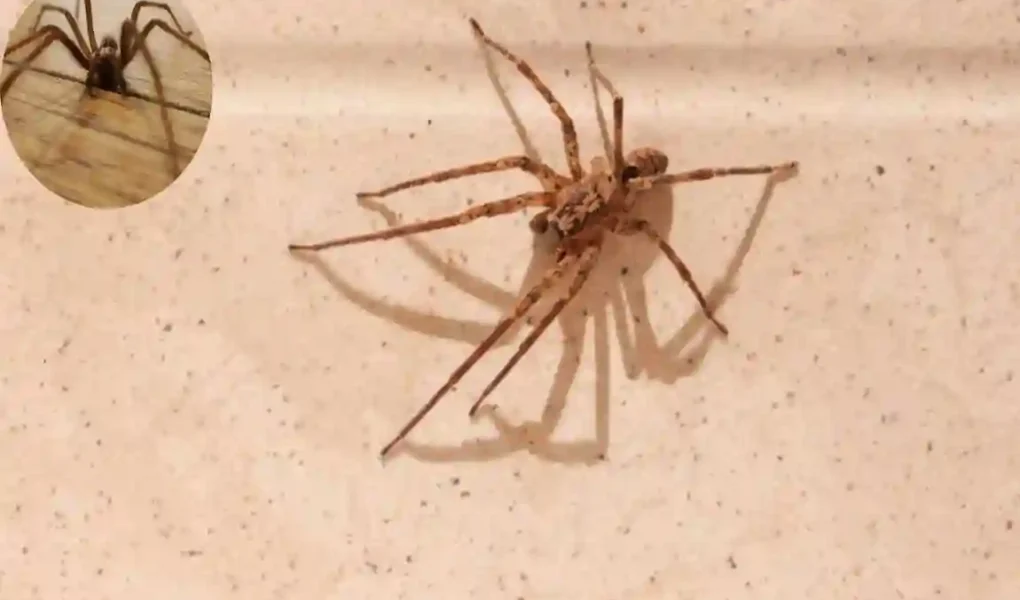
Not all spiders that enter your home live the same amount of time. Different species have different natural lifespans, and some survive indoors much longer than others.
Below are some of the most common house spiders you may find inside your luxury home.
Average Lifespans of Common House Spiders
Spider Type Average Indoor Lifespan Key Trait
Wolf Spider 1–2 Years Hunts at night, no web
Cellar Spider 2–3 Years Long legs, builds messy webs
American House Spider, about 1 year old. Small brown spider, corner webs
Black Widow 1–3 Years Shiny black, venomous
Jumping Spider: Around 1 Year. Active hunter, jumps quickly
Wolf Spider Lifespan Indoors
Wolf spiders are large spiders that prefer hunting to web-building. They often roam the floors, garages, and basements in search of prey.
A wolf spider usually lives 1 to 2 years indoors, especially if it has access to food and hiding spots. Because they actively hunt, they often thrive in homes where insects are common.
Cellar Spider Lifespan Indoors
Cellar spiders are often called “daddy long-legs” because of their extremely long legs and thin bodies. You usually find them in basements, corners, or ceilings.
These spiders can survive 2 to 3 years indoors, making them one of the longest-living house spiders.
American House Spider Lifespan
American house spiders are among the most common indoor spiders. They build webs in quiet corners and behind furniture.
Their lifespan averages around 1 year, although females may live slightly longer.
Black Widow Lifespan Indoors
Though rare in homes, black widows sometimes appear in garages, sheds, and other storage areas.
Female black widows can live 1 to 3 years indoors, especially in undisturbed areas.
Why Indoor Living Extends Spider Lifespan
Spiders living indoors usually survive longer because they benefit from:
- Protection from harsh weather
- Steady indoor temperatures
- Reliable food supply
- Fewer predators
- Dry shelter during rain or winter
Because of these benefits, spiders living in homes often live longer than those living outdoors.
Factors Affecting How Long Spiders Live in Your House
Many homeowners ask not only how long spiders live in their house, but also why some survive longer than others. The answer comes down to environmental conditions.
Temperature and Humidity
Spiders thrive best in warm, slightly humid environments.
Ideal conditions include:
- Temperature: 70–80°F
- Humidity: 40–60%
When a home stays within this range, spiders can live significantly longer. Warm environments improve metabolism, movement, and hunting ability.
Cold homes may shorten spiders’ lifespans, while excessive dryness can dehydrate them.
Food Availability
Spiders survive by eating insects. The more insects available in your home, the longer spiders can live.
Common spider food includes:
- Flies
- Mosquitoes
- Ants
- Moths
- Gnats
- Small beetles
A spider in a bug-free home may struggle to survive, while one in a home with plenty of insects may live comfortably for years.
Predators and Household Threats
Even indoors, spiders face many threats.
Common dangers include:
- Cats and dogs
- Vacuum cleaners
- Shoes/slippers
- Cleaning sprays
- Human removal
Homes with active pets or frequent cleaning may dramatically shorten spiders’ lifespans.
Reproduction Cycle
Female spiders often live longer than males.
Why?
Because males usually die shortly after mating, while females continue living to lay eggs and protect egg sacs.
Some female spiders can survive several months after laying eggs.
Shelter and Hiding Spots
Homes with many dark, quiet spaces help spiders survive longer.
Ideal spider hiding places include:
- Attics
- Basements
- Closets
- Under furniture
- Behind appliances
The more undisturbed hiding spots available, the better spiders can survive.
Myths About Spider Survival Indoors
Many people misunderstand spider behavior. Here are common myths:
- Myth: Spiders do not eat indoors.
- Fact: Spiders actively hunt and feed indoors.
- Myth: Spiders die quickly in homes.
- Fact: Many live 1–3 years indoors.
- Myth: One spider means infestation.
- Fact: Sometimes one spider is simply passing through.
Spider Life Cycle in Your Home Environment
To understand how long spiders live in your house, it helps to understand their life cycle.
Spiders go through several life stages.
Egg Stage
Female spiders lay eggs inside silk sacs.
Each sac may contain:
- 50 to 300 eggs
- Sometimes, more, depending on the species
Eggs hatch after several weeks.
Spiderling Stage
Baby spiders, called spiderlings, emerge from eggs and begin growing.
This stage lasts:
- Several weeks to months
Spiderlings molt multiple times before adulthood.
Adult Stage
Once mature, spiders enter adulthood.
Adult lifespan:
- Usually 1–2 years
- Sometimes longer for females
This is when they mate, hunt, and reproduce.
Indoor vs Outdoor Spider Lifecycle
Environment, Typical Lifespan, Main Threats
Indoors 1–3 Years Humans, pets
Outdoors , a few months to 1 year, weather, and predators
Indoor spiders live longer because of reduced environmental dangers.
Overwintering in Homes
Many spiders use homes to survive winter.
Instead of dying in cold weather, they:
- Hide in walls
- Stay in basements
- Remain dormant until spring
This is why spider sightings often increase after winter.
Signs of Long-Term Spider Residency and Risks
Sometimes spiders stay hidden in your luxury home for months or years.
Here are signs they may have been living there a long time.
Persistent Webs
Old webs in corners suggest long-term spider activity.
Look for webs:
- Ceiling corners
- Basement edges
- Behind furniture
Spider Droppings
Spider droppings look like:
- Small black spots
- Ink-like stains
These may appear near webs or nesting areas.
Shed Skins
As spiders grow, they molt.
Finding shed skins means spiders are actively developing inside your home.
Egg Sacs
Egg sacs indicate breeding spiders.
These sacs often appear:
- Attached to the webs
- Hidden behind furniture
- In ceiling corners
Health Risks of Indoor Spiders
Though rare, spiders can pose minor health concerns.
Risks include:
- Spider bites
- Allergic reactions
- Dust from shed skins
- Fear/anxiety for homeowners
Benefits of Spiders Indoors
Despite concerns, spiders help by eating pests.
Benefits include:
- Reducing flies
- Killing mosquitoes
- Controlling insect populations
How to Manage or Shorten Spider Life in Your Home
If you want fewer spiders indoors, prevention is key.
Seal Entry Points
Prevent spiders from entering by sealing:
- Window cracks
- Door gaps
- Foundation holes
- Wall openings
Reduce Indoor Insects
Since spiders follow food, fewer bugs mean fewer spiders.
Try:
- Keeping trash sealed
- Cleaning crumbs
- Fixing leaks
- Using bug traps
Remove Webs Regularly
Cleaning webs discourages spiders from staying.
Vacuum:
- Ceiling corners
- Baseboards
- Closets
Safe Spider Removal Methods
Humane ways to remove spiders include:
- Cup-and-paper relocation
- Vacuum removal
- Catch-and-release traps
Eco-Friendly Spider Deterrents
Natural spider deterrents include:
- Peppermint oil spray
- Vinegar-water mix
- Citrus peels
- Lavender plants
When to Contact Professionals
Consider pest control if:
- You see many spiders daily
- Egg sacs appear frequently
- Dangerous species are present
Myths vs Facts on House Spider Longevity
Here are common myths people believe about spiders.
MythFact
Spiders live forever indoors. Most live 1–3 years max
All spiders die after laying eggs. Only some species do
Spiders can survive without food forever. Most survive weeks/months only
One spider means infestation, not always
Spiders only enter dirty homes. Clean homes get spiders, too.
Frequently Asked Questions
How long do spiders live in your house without food?
Most spiders can survive several weeks to two months without food, depending on species and water availability.
Do spiders die after laying eggs?
Some species die after reproduction, but many females survive for months afterward.
Can spiders live in walls?
Yes, spiders often hide in wall voids where it is dark and quiet.
Why do I keep seeing the same spider?
It may be the same spider returning, or multiple spiders living nearby.
Do spiders survive winter indoors?
Yes, many spiders survive winter inside warm homes.
How often do house spiders reproduce?
Many species reproduce once or twice yearly.
Should I leave spiders in my house?
It depends on your comfort level. They help control insects but can become bothersome.
Can spiders infest a clean house?
Yes, even spotless homes attract spiders if insects are present.