Knowing where the bathroom is in Spanish is one of the most useful language skills you can learn. It sounds simple, but this phrase can help in many everyday moments. You may need it at home, while hosting guests, or when traveling in a Spanish-speaking place.
It is also one of the first phrases many language learners memorize because it is practical, polite, and easy to use. If you live in a multilingual home or want to make visitors feel comfortable, this phrase is a great place to start.
How Do You Say “Where Is the Bathroom?” in Spanish?
The Correct Translation
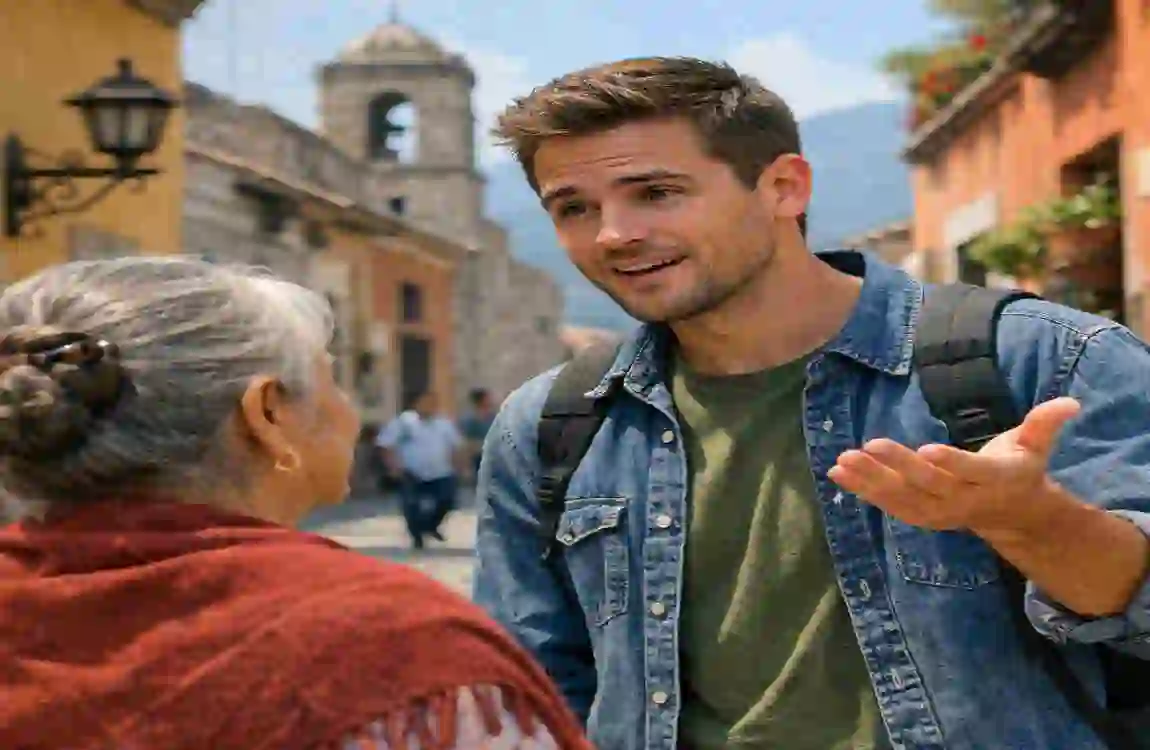
The most common way to say it is:
“¿Dónde está el baño?”
Here is a simple pronunciation guide:
DOHN-deh eh-STAH el BAHN-yoh
Word by word, it means:
- Dónde = where
- está = is
- el baño = the bathroom
So the full phrase literally means “Where is the bathroom?”
Why This Phrase Is So Common
This phrase comes up all the time in daily life. People use it:
- When visiting someone’s home
- During family gatherings
- In restaurants, hotels, and public places
- In homes where Spanish and English are both spoken
It is short, useful, and easy to remember, which is why so many beginners learn it first.
Understanding the Words in the Phrase
Meaning of “Dónde”
Dónde means where. It asks about a place.
For example:
- ¿Dónde está la cocina? = Where is the kitchen?
- ¿Dónde vive usted? = Where do you live?
¿Dónde está el baño? asks about the bathroom‘s location.
Meaning of “Está”
Está comes from the verb estar, which is used for location and temporary states.
In this phrase, está means is located.
This is why Spanish speakers say “¿Dónde está…?” when asking where something is.
Meaning of “El Baño”
El baño usually means the bathroom.
However, in some Spanish-speaking countries, people may also use other words depending on the setting. Still, baño is the most widely understood and most common choice.
Other Ways to Ask Where the Bathroom Is in Spanish
Formal Expressions
If you want to sound a little more formal or polite, you can say:
- ¿Dónde está el servicio?
- ¿Dónde está el sanitario?
These are also understood, though baño is usually the easiest and most common word.
Casual Expressions
In everyday conversation, people may also say:
- ¿Dónde queda el baño? = Where is the bathroom?
- ¿Hay un baño aquí? = Is there a bathroom here?
These are natural and useful, especially when speaking with neighbors, guests, or people you already know well.
Why Every Homeowner Should Know This Phrase
If you own a home, this phrase matters more than you may think. It helps you:
- Welcome Spanish-speaking guests
- Make your home feel more friendly
- Communicate better in mixed-language communities
- Help children learn basic Spanish at home
A simple phrase like this can make visitors feel more relaxed. It shows care, respect, and effort. That small gesture can go a long way.
Common Situations Where You May Need This Phrase
At Home Gatherings
If you host a dinner, birthday party, or holiday get-together, guests may need to ask quickly for the location of the bathroom. Knowing the Spanish phrase makes communication smoother.
During Home Renovations
If workers, neighbors, or helpers speak Spanish, this phrase can be useful during repairs or remodeling. It helps avoid confusion and keeps things moving.
While Traveling or House Hunting Abroad
When visiting another country or looking at homes, this is one of the first questions people ask. It is simple, direct, and very practical.
In Hotels and Vacation Rentals
Whether you are checking into a hotel or staying in a rental home, you may need to ask where the bathroom is. A basic Spanish phrase helps you ask clearly and politely.
Tips for Pronouncing “¿Dónde Está el Baño?”
Pronunciation may look hard at first, but it becomes easier with practice.
Here is a simple breakdown:
- Dónde = DOHN-deh
- Está = eh-STAH
- El = el
- Baño = BAHN-yoh
A few common mistakes to avoid:
- Do not rush the words
- Do not pronounce ñ like a regular n
- Keep the accent on está
A good way to practice is to say the phrase slowly three or four times a day until it feels natural.
Useful Spanish Bathroom Vocabulary for the Home
Here are some helpful bathroom words to know:
EnglishSpanish
Bathroom Baño
Toilet Inodoro
Sink Lavabo
Shower Ducha
Towel Toalla
Mirror Espejo
Toilet paper Papel higiénico
This small vocabulary list can make everyday conversations easier, especially at home or while traveling.
Simple Spanish Phrases Related to the Bathroom

You may also want to learn a few related sentences. These are very practical:
- El baño está arriba. = The bathroom is upstairs.
- El baño está abajo. = The bathroom is downstairs.
- El baño está junto a la cocina. = The bathroom is next to the kitchen.
- Solo hay un baño. = There is only one bathroom.
- Por favor, mantén el baño limpio. = Please keep the bathroom clean.
These phrases are especially helpful in homes, guest rooms, and family settings.
Teaching Kids Basic Spanish Phrases at Home
Teaching children simple Spanish phrases can be fun and useful. It helps them build confidence and learn a second language naturally.
Here are a few easy ways to practice:
- Label items around the house
- Use the phrase during daily routines
- Repeat short words and sentences together
- Turn it into a game
For example, you can point to the bathroom and say, “¿Dónde está el baño?” This helps children connect words with real places.
Frequently Asked Questions
What is “where is the bathroom” in Spanish?
The most common translation is “¿Dónde está el baño?”
How do you pronounce “¿Dónde está el baño?”
It is pronounced: DOHN-deh eh-STAH el BAHN-yoh.
Is “baño” the same word in every Spanish-speaking country?
Yes, mostly. Some places also use “servicio” or “sanitario.”
Is this phrase formal or informal?
“¿Dónde está el baño?” is polite and works in both formal and casual situations.
Why should homeowners learn this phrase?
It helps you communicate with Spanish-speaking guests and makes your home feel more welcoming.
| English | Spanish | When to Use |
|---|---|---|
| Where is the bathroom? | ¿Dónde está el baño? | Most common — use in homes, anywhere |
| Where is the bathroom, please? | ¿Dónde está el baño, por favor? | Polite version for guests in homes |
| Where is the restroom? | ¿Dónde está el servicio? | Public places (airports, restaurants) — not for homes |
| Excuse me, where is the restroom? | Perdón, ¿dónde está el servicio? | Polite public restroom request (Spain) |