A roof protects your entire house from harsh weather every day. Small problems can start without notice and later lead to expensive repairs. Finding early warning signs can save money and keep your family safe.
Regular roof checks help you fix small issues before serious leaks damage your ceiling or walls. Watching for changes in your roof can prevent sudden structural problems. Protecting your property starts with knowing which warning signs need expert attention.
Unexplained Spikes in Your Energy Bills
Your HVAC system needs good insulation to keep indoor temperatures stable. When roofing layers fail, heated or cooled air can escape through gaps in the roof deck. This makes your heat pump or air conditioner work harder throughout the day.
Constant use can shorten the life of your cooling equipment.
Sudden increases in heating and cooling bills may point to roof problems. Higher power costs can signal hidden air gaps or wet insulation. Wet insulation cannot block heat as well as dry insulation. Replacing damp insulation can restore energy efficiency.
Heat trapped in the attic can also raise temperatures in the rooms below. Sunlight heats the roof deck and sends extra warmth into the ceiling structure. Sealing roof leaks can keep utility costs from rising. Proper attic vents allow hot air to escape through the upper roof.
Adjusting your HVAC system may not lower energy bills if the roof still allows air to escape. Replacing worn roofing materials can keep indoor temperatures stable. Roof repairs may lead to lower monthly energy costs. Stable utility bills can be a sign of a strong roofing barrier.
Water Stains on Ceilings and Walls
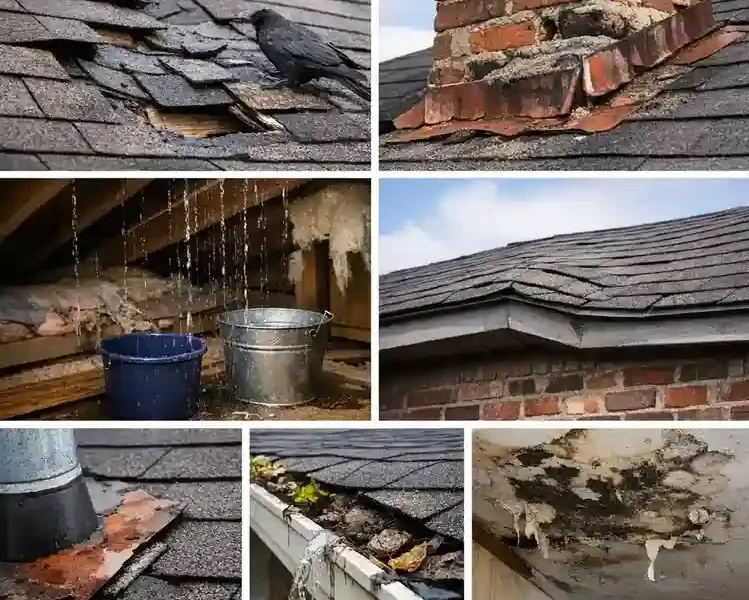
Dark marks on ceilings or walls can point to water entering through the roof. Brown rings or yellow patches grow after heavy rain. Water can travel along wooden rafters before reaching the living space below. Wet drywall can lose strength and begin to break down.
Water behind plaster or drywall can cause serious damage to the home’s framing. Calling a reliable roofing company in Deerfield Beach or in your area can provide a clear assessment of hidden water damage. Ignoring small water stains may allow rot to spread through the framing. An early inspection can prevent larger and more expensive repairs.
Water trapped behind drywall creates good conditions for wood rot. Plaster surfaces may soften, crack, or bubble after repeated exposure to water. Repairing the roof leak stops further damage to interior finishes.
Finding the source of a ceiling stain may require an attic inspection. Rainwater can enter several feet away from the spot where the stain appears.
Professional leak detection can locate the exact entry point. Early repairs protect the home’s structure.
Age of Your Roof System
Roofing materials face constant exposure to sunlight, wind, and heavy rain. Every roofing material has a limited service life. Keeping a roof past that period can increase the risk of sudden damage. Years of weather exposure weaken protective coatings.
Most asphalt shingle roofs last about 15 to 20 years in Florida’s climate. Metal and tile roofs may last longer. High heat can speed up material wear. Older shingles lose flexibility and may chip or crack under pressure. Brittle materials can break during strong winds.
Older roofs need more repairs after normal rainstorms. Patching an aging roof may only provide short-term protection from leaks. Planning a replacement at the right time shields your home investment. Regular maintenance can keep an older roof working until replacement is needed.
Knowing when your roof was installed helps you plan repairs. Annual inspections can keep aging materials in good condition. Immediate updates lower the risk of major damage during storm season. A professional assessment can help you decide when a full replacement makes sense.
Loss of Structural Integrity
Small changes in your roofline can point to more serious structural damage. Water can enter the roof and rot wooden rafters, decking, and support trusses. Weak framing may struggle to support heavy tile or wet asphalt shingles. Saturated wood can bend under heavy loads.
Contracting analysis shows that aging roofs can lose structural strength and leave homes more exposed to leaks and weather damage. Soft or damaged wood may sag and create visible dips across the roof. Ignoring wood decay can put the structure at risk. Cracks can even spread through key support areas.
Strong winds place even more pressure on weak roof framing. Small cracks in support beams can grow during severe storms. Strong trusses provide better support during high winds.
Restoring structural strength requires removing damaged roof decking. Professional carpenters can reinforce weak support points and stabilize the structure. Fast repairs protect ceiling framing from further damage. Strong support beams protect the long-term value of your property.
Missing or Damaged Shingles
Strong winds can tear old shingles from the roof deck. Missing shingles leave the underlayment exposed to sunlight and rain. Without the top protective layer, water can reach the plywood below. Exposed plywood may swell and warp after repeated rain.
Creased or torn shingles lose their ability to resist strong winds. Loose tabs can move in heavy breezes and pull nearby fasteners loose. Repairing missing areas quickly keeps the roof fully covered. Secure shingles provide better protection during tropical storms.
You can spot missing shingles from the ground. Look for gaps or breaks in the roof’s pattern after a storm. Finding damage early prevents leaks inside the home. Quick repairs keep nearby shingles from becoming loose.
Keeping a few matching shingles available can speed up small repairs. Replacing isolated damaged shingles may extend the life of nearby roof sections. Early maintenance can prevent small areas of damage from turning into a full roof replacement.
Daylight Streaming Through the Attic
Checking your attic during the day can reveal problems with your roof. Sunlight coming through roof boards may show open holes or cracks. If an opening lets in light, it may allow wind-driven rain inside. A dark attic makes even small gaps easier to spot.
Small points of light appear near vents, valleys, or flashing. Failed sealant around plumbing stacks can create openings that grow. Closing these gaps keeps rain and moisture out of the attic.
Pests can use roof gaps to enter warm attic spaces.
Rodents and insects may make small openings larger while building nests in insulation. Sealing these areas protects the roof structure and helps keep pests out. Tight seals protect the attic from outside moisture.
Granules Accumulating in the Gutters
Asphalt shingles have a protective layer of small mineral granules that protect the asphalt from sunlight and weather damage. As shingles age, granules can break loose and wash into the gutters. Heavy granule loss can be a sign of advanced shingle wear.
Large piles of dark grit in gutters or near downspouts may point to roof damage. When granules disappear, the asphalt underneath becomes exposed to the sun. Exposed asphalt can dry out, crack, and allow water to enter. Every day heat can speed up this damage.
Bare spots on shingles may look darker than the areas around them. Shingles without enough granules lose some of their waterproofing and fire resistance. Heavy granule buildup can mean that a roof is nearing the end of its useful life. Replacing the roof restores its protective barrier.
Clean your gutters often so you can check for excess granules. Finding heavy granule loss early gives you time to plan and budget for replacement.
Taking action can prevent wider roof failure. Clear gutters also help direct rainwater away from the home.
Sagging Roofline and Decking
A healthy roof should have straight lines along its ridges and slopes. A dipping or curved roofline may point to structural damage below. Bowing can mean that the wood framing has lost strength. Straight rooflines usually show that the framing remains stable.
Heavy moisture can rot plywood decking from below. Wet plywood may sag under its own weight and pull nearby fasteners loose. Leaving a sagging area untreated increases the risk of roof deck failure. Strong decking supports heavy roofing materials.
Heavy storm loads can place even more stress on weak framing. Structural repairs should begin quickly when bowing is visible from the ground.
Replacing weak trusses can help restore support and safety. Strong timber framing improves the roof’s ability to handle heavy loads.
Never walk on a sagging roof during a home inspection. Weak or rotted decking may give way under your weight. Professional contractors use proper safety equipment when checking damaged framing.
Peeling Paint or Blistering Exterior Trim
Moisture trapped in the attic can affect exterior surfaces near the roofline. Poor ventilation allows hot, damp air to collect under eaves and fascia boards. Moisture moves through wooden trim and paint.
Blistering or peeling paint around exterior soffits can point to high attic humidity. Trapped moisture can rot fascia boards that support gutter brackets.
Improving roof ventilation lowers moisture levels and protects painted trim. Dry fascia boards provide better support for gutters.
Rotting fascia can loosen gutter fasteners during heavy rain. Loose gutters may pull away from the roof edge and allow water to run down walls. Repairing damaged roof edges secures the siding and the foundation.
Check exterior trim after long periods of high humidity or heavy rain. Flaking paint near the roofline can signal that moisture is escaping. Good attic airflow decreases paint blistering and protects wooden trim. Clean, well-kept trim also improves the home’s appearance.
Curling or Cupping Shingle Edges
Shingles should lie flat against the layer below them. Heat and moisture can cause old shingles to curl upward or cup inward. Curled shingles can lose their seal and become more exposed to wind. Flat shingles provide better protection from driving rain.
Cupping occurs when the center of a shingle dips while the edges remain raised. Curling occurs when the corners turn upward. Both signs can mean that shingles are near the end of their useful life. Warped shingles are also more likely to break during strong storms.
Strong winds can catch curled shingle edges and tear brittle tabs away. Broken tabs create openings where wind-driven rain can enter. Secure shingle tabs also provide better wind resistance.
Rusted Flashing and Cracked Sealants
Flashing protects joints around chimneys, dormers, and roof valleys. Metal flashing stops water from entering these weak points. Protective coatings can wear away and leave metal exposed to rust. Good flashing keeps water out of roof joints.
Rust can create small holes in flashing and allow water to seep underneath. Old tar or silicone sealants may also crack, dry out, and pull away from joints. Damaged flashing is a common cause of indoor roof leaks. Cracked sealants can let moisture enter wall cavities.
Check flashing around skylights and plumbing vents each spring. Loose or rusted flashing may need to be replaced or resealed. Sealing roof openings discourages hidden leaks behind walls. Fresh sealant provides better protection during heavy storms.
Water Ponding on Flat Surfaces
Flat surfaces require slight slopes to drain rain runoff properly toward downspouts. When drainage paths clog, or low spots form, standing water collects across flat surfaces. Standing pools weigh down decking sheets and speed up membrane degradation within days.
Ponding water that sits for over 48 hours breaks down top rubber or synthetic coatings. Sunshine heats trapped water pools, causing surface materials to blister and crack open. Resolving flat surface drainage issues protects low-slope commercial and residential roofing structures.
Growth of Moss, Mold, and Algae
Moss and other growth can hold water against shingle surfaces. Trapped moisture can speed up granule loss and damage the shingle backing.
Shaded roof areas provide good conditions for organic growth. This growth can shorten shingle life. Common signs of organic growth include:
- Dark green moss spreading across shaded shingle valleys
- Black algae streaks running down north-facing roof slopes
- White or gray mold patches under damp overhangs
- Lichen growing across the outer asphalt surface
Clean moss and algae with gentle chemical treatments instead of high-pressure washing.
High-pressure sprays can remove protective granules from asphalt shingles. Gentle treatments kill organic growth and protect the roofing material.
Protect Your Roof Before Small Problems Grow
Paying attention to roof warning signs can protect your home from expensive structural damage. Regular checks can reveal small problems before leaks damage ceilings, walls, and insulation.
Maintaining strong roofing materials helps your home stay safe during severe weather. Experienced professionals can identify hidden problems and keep your roof working as it should. Schedule regular inspections to keep your roof strong and reliable for decades. If you are ready to explore more housing tips, visit our website.