Building a new home is exciting, but it also comes with a long list of costs to plan for. One of the biggest and most important costs is the electrical wiring cost for a new house in the UK. This is not just about lights and sockets. It is about making sure your home is safe, practical, and ready for everyday life.
If you are budgeting for a new build, understanding electrical costs early can save you a lot of stress later. It helps you avoid surprise bills, plan your layout properly, and choose the right features for your lifestyle. A well-planned wiring system can also make your home more energy-efficient and easier to use.
Why Electrical Wiring Is Important in New Homes
Safety and Functionality
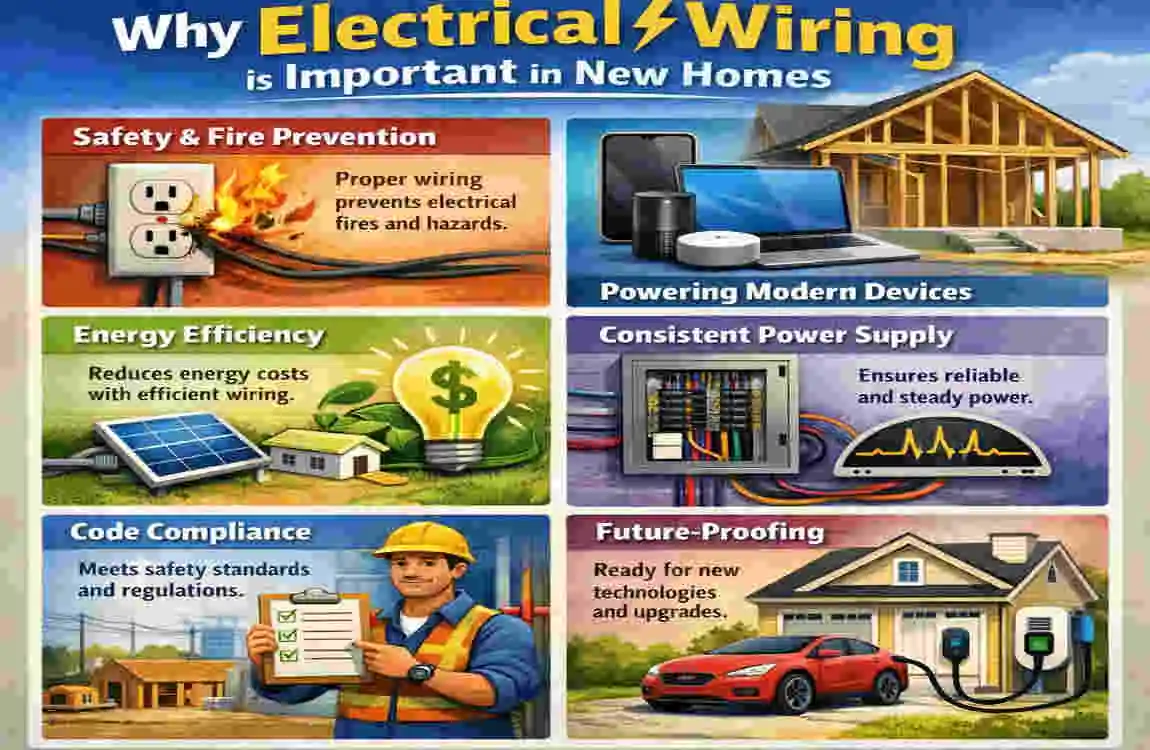
Electrical wiring is one of the hidden parts of a house, but it affects almost everything you do. It powers your lights, plugs, kitchen appliances, heating controls, internet systems, and more. If the wiring is poorly planned or badly installed, it can cause serious problems.
Safe wiring helps protect your home from electrical faults, overheating, and fire risks. It also gives you a system that works smoothly from day one. In a new build, this matters even more because everything is being installed from scratch. You have a chance to do it right the first time.
Good wiring also makes your home more comfortable. You want sockets in the right places, enough lighting in each room, and proper power for modern appliances. A smart layout now can save frustration for many years.
Why Budgeting Matters
Many homeowners focus on visible features like flooring, kitchens, and bathroom tiles. But the electrical wiring cost for a new house in the UK can take up a meaningful part of the budget too. If you do not plan for it early, the cost can creep up fast.
Budgeting properly helps you make better decisions. You can choose where to spend more, where to keep things simple, and where to prepare for future upgrades. For example, you may want basic wiring now, with space to add smart home features later.
It also helps you avoid last-minute changes. Changing the number of sockets, moving light points, or adding outdoor wiring after work has started can increase labor costs. A clear budget gives you more control.
Factors Affecting Electrical Wiring Costs
Size of the Property
The size of your home is one of the biggest cost drivers. A larger home needs more cable, more sockets, more lighting points, and more time from the electrician. That means the total price goes up.
A small studio or one-bedroom home will usually cost much less to wire than a four-bedroom detached house. More rooms also mean more circuits, more planning, and more testing. Even if the layout is simple, the size alone can raise the price.
If your home has extra spaces like a utility room, loft room, garage, or home office, those areas can also add to the total cost. Each area needs proper, safe wiring, not just the main living spaces.
Complexity of the Design
A simple box-shaped home is usually easier and cheaper to wire than a home with unusual layouts, split levels, or custom features—the more complex the design, the more time it takes to route cables and place fittings correctly.
Custom features can also raise costs. For example, smart lighting, underfloor heating controls, integrated sound systems, or zoned lighting all need extra planning. These features may improve convenience, but they also add labor and material costs.
If your home has a highly tailored design, ask the electrician to review the plans early. That way, you can understand where the extra cost is coming from and decide what is really worth including.
Type of Wiring and Materials Used
Not all wiring materials are the same. Standard materials are usually enough for most homes, but higher-quality cables, fittings, and accessories can cost more. The final price depends on both the brand and the standard of equipment used.
Some homeowners choose better switches, stronger sockets, or more durable consumer units. Others want a cleaner finish or Premium fixtures that match the interior design. These choices can improve the look and lifespan of the installation, but they add to the bill.
The right materials depend on your needs and budget. In many cases, paying a little more for reliable parts is worth it because it reduces the chance of faults later.
Labour Costs in the UK
Labor is a major part of the cost of electrical wiring for a new house in the UK. Electrician rates vary by location, experience, and project type.
In busy cities, labor often costs more. In rural areas, rates may be lower, but travel time or availability can still affect the final quote. More experienced electricians may charge more, but they often work faster and bring better problem-solving skills.
It is important to remember that the cheapest quote is not always the best. A fair price from a qualified professional is usually better than a low quote from someone who cuts corners.
Number of Sockets, Switches, and Light Fixtures
Every socket, switch, and light fitting adds to the total cost. This is one of the easiest ways to see how a wiring budget can grow. A home with simple lighting and a few sockets will cost less than a home with lots of power points and decorative lighting.
Placement matters too. If you want sockets in unusual places, hidden wiring for wall lights, or extra switches for convenience, the electrician will need more time and materials. Small changes can add up quickly.
It is smart to think about how you will use each room. A bedroom may need fewer sockets than a kitchen or home office. Planning this properly at the start can help you avoid paying for changes later.
Compliance with UK Building Regulations
In the UK, electrical work in a new home must meet safety rules and building regulations. This is not optional. These standards help make sure the installation is safe, tested, and suitable for domestic use.
Compliance can increase costs because the electrician must follow proper procedures, conduct testing, and provide the required certification. However, this cost is part of doing the job properly. It protects you, your family, and your home.
Skipping compliance is a bad idea. It can lead to safety risks, failed inspections, and costly fixes later. A proper installation should always be treated as a long-term investment, not just a quick job.
Average Cost Estimates for Electrical Wiring in the UK
Cost Breakdown by House Size
The exact price will depend on your home and your choices, but the table below gives a useful guide to typical costs for a new build in the UK.
Property Size, Typical Wiring Cost Range, What It Usually Includes
Studio / 1-bedroom home £3,000 – £5,000 Basic sockets, lighting, consumer unit, testing
2-3-bedroom home £5,000 – £8,500 More circuits, more sockets, standard lighting, kitchen wiring
4+ bedroom home £8,500 – £15,000+ Larger system, extra rooms, more fittings, possible smart features
These figures are broad estimates, but they give a realistic starting point. If you add Premium fittings, smart home systems, outdoor lighting, or complex room layouts, the price can rise.
If your home is very simple, the total may sit at the lower end. If it is large and customized, expect a higher figure. The best approach is to get a quote based on your floor plan and room list.
Cost Per Square Meter
Another useful way to estimate wiring costs is by floor area. For new homes in the UK, electrical wiring typically costs around £55 to £100 per square meter.
This range can change depending on the complexity of the build and the number of fittings. A basic layout with standard features will usually sit closer to the lower end. A larger or more advanced installation will sit higher.
This method is helpful during early planning when you may not yet have every detail fixed. It gives you a rough idea of what to expect before you talk to contractors.
Labour Costs
Electrician labor rates can vary, but these are common estimates:
- Outside London: around £35 to £60 per hour or £250 to £450 per day
- London and the South East: around £50 to £80 per hour or £400 to £650 per day
Some electricians may quote by the full job rather than by the hour. That can make budgeting easier, especially for a new build with clear plans. A fixed quote also helps you avoid surprises if the work takes longer than expected.
Material Costs
Material costs usually cover cables, sockets, switches, light fittings, a consumer unit, connectors, and other small parts. For a new home, material costs can range from £800 to £2,500+, depending on size and finish.
Basic materials cost less, but Premium sockets, designer switches, and smart controls cost more. If your home has many rooms or special features, material costs will increase too.
It is a good idea to ask what is included in the quote. Some electricians include testing, certification, and disposal of old materials. Others may list these as separate items.
Typical Wiring Requirements for New Homes
Lighting
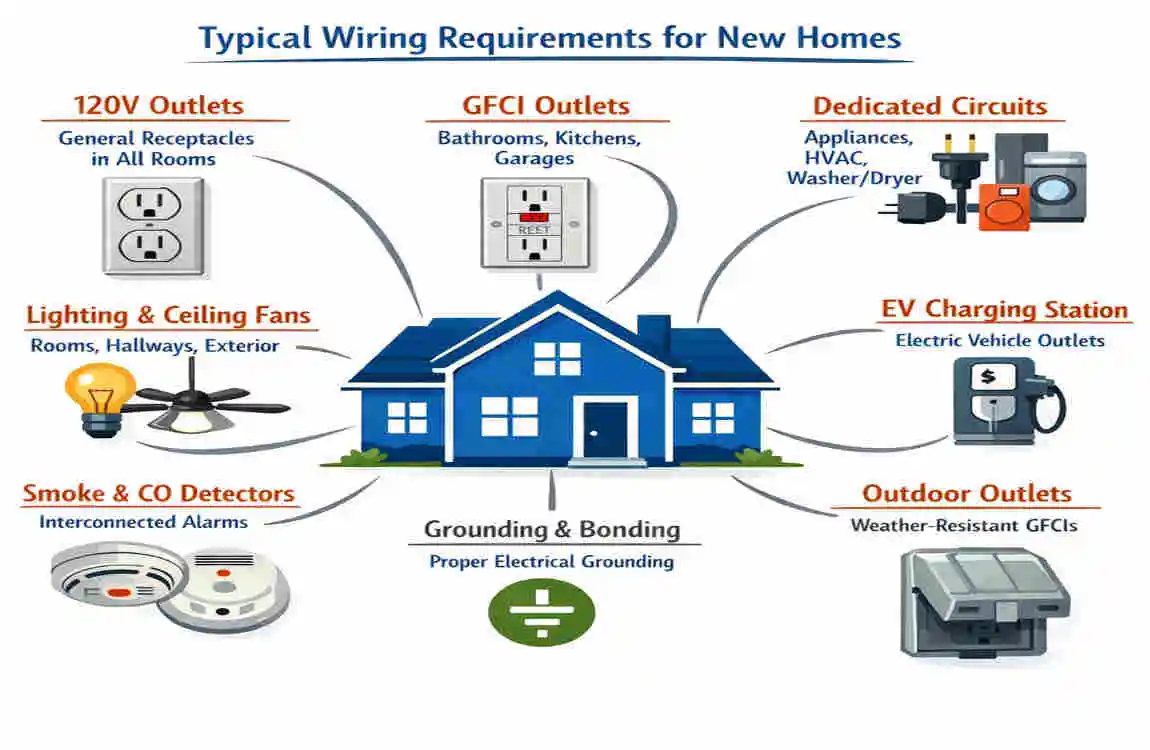
Every room needs proper lighting, and the amount of wiring depends on the type of lighting you want. A standard room may only need one ceiling light and a switch. More stylish homes may use multiple downlights, wall lights, dimmers, or feature lighting.
Simple lighting keeps costs down. Decorative lighting can look great, but it takes more planning and labor. The wiring must support the design safely and neatly.
If you want a warm, modern feel, talk to your electrician early. That makes it easier to place lights well and avoid costly changes later.
Power Outlets
Sockets are one of the most important parts of a new home. Modern homes often need more plugs than people expect. Think about phones, laptops, TVs, kitchen gadgets, vacuum cleaners, and chargers. The list grows quickly.
The number and placement of sockets affect cost. A room with only two sockets is cheaper to wire than a room with six or eight. However, too few sockets can become annoying and unsafe because of extension leads.
A good plan is to consider how each room will actually be used. Ask yourself where your furniture will go and where you will need power most often.
Kitchen Appliances
The kitchen usually needs more electrical work than most other rooms. High-powered appliances like ovens, hobs, dishwashers, washing machines, fridges, and extractor fans all need proper wiring and, in some cases, their own circuits.
This can raise costs because kitchen wiring must be carefully planned. It also needs to handle heavier loads safely. A poorly planned kitchen can cause problems later, especially if too many appliances share the same circuit.
If you are designing a new kitchen, make sure the electrician works from the final layout. This helps avoid expensive adjustments when cabinets and appliances are already being fitted.
Smart Home Technology
Smart home features are becoming more popular in new UK homes. These may include smart lighting, smart thermostats, app-controlled sockets, video doorbells, and automated blinds.
These systems can improve convenience and energy use, but they also increase wiring and setup costs. Some parts may require additional cable runs, specialized controls, or more advanced planning.
If smart technology is important to you, decide early which features you really want. It is often cheaper to plan for them during the build than to add them later.
Outdoor Wiring
Outdoor electrics can include garden lights, garage power, shed sockets, outdoor plugs, and security lighting. These features are very useful, but they must be installed safely for outdoor conditions.
Outdoor wiring can increase the total cost, as it may require weatherproof fittings and additional protection. The electrician also has to think about where cables run and how they are sealed.
If you want outdoor power, plan it at the same time as the indoor system. This makes the job more efficient and often cheaper overall.
Regional Differences in Electrical Wiring Costs
London vs. Rural Areas
Location has a real effect on price. In London, labor is usually more expensive because wages, business costs, and demand are higher. You may also find that electricians are busier, which can affect availability.
In rural areas, hourly rates may be lower. However, travel costs and limited availability can sometimes reduce the savings. The final quote depends on the electrician and how far they need to travel.
If you are comparing quotes, do not focus only on the headline number. Check what is included, how long the work will take, and whether testing and certification are part of the price.
Scotland, Wales, and Northern Ireland
Prices can also vary across the rest of the UK. In some areas, labor rates are lower than in London, while in others, skilled labor is in short supply, and prices rise accordingly.
Local regulations and building practices can also affect overall costs. The good news is that the basic idea stays the same: bigger homes, more features, and more complex layouts cost more.
The safest way to get a clear answer is to ask local electricians for detailed quotes based on your actual plans.
Tips for Saving Money on Electrical Wiring
Get Multiple Quotes
One of the easiest ways to save money is to compare at least three quotes. This gives you a better sense of the going rate and helps you spot prices that are too high or unrealistically low.
When you compare quotes, look beyond the total number. Check what is included, what materials will be used, and whether testing and certification are part of the job.
Plan Ahead
Good planning can save a lot of money. If you know where furniture will go, where appliances will sit, and which features you want, the electrician can work more efficiently.
Changes during the build often cost extra. Even a small change, like moving a socket or adding a new light point, can increase labor time and push up the final bill.
Opt for Energy-Efficient Solutions
Energy-efficient lighting and controls may cost a little more at first, but they can save money over time. LED lighting, smart timers, and efficient controls can lower energy use and reduce bills.
This is a smart choice if you want your home to be cheaper to run in the long term. It is not just about wiring cost today. It is also about how the home performs later.
Bundle Services
If you are doing other work at the same time, it may be cheaper to bundle electrical work with the wider project. This can reduce repeated call-out fees and reduce labor overlap.
For example, if your home is already being plastered, decorated, or fitted out, the electrician can often work more efficiently alongside the other trades. That can save both time and money.
DIY Considerations
There are a few small tasks homeowners can handle, such as choosing fittings or replacing simple light shades after the main installation is complete. But most wiring work should be left to a qualified electrician.
Do not take risks with live electrical systems. Even small mistakes can create serious safety problems. If you are not sure, always ask a professional.
Quick money-saving checklist:
- Compare multiple local quotes
- Finalize room layouts before wiring starts
- Keep lighting and socket plans simple where possible
- Choose efficient fixtures that lower running costs
- Avoid late changes once work is underway
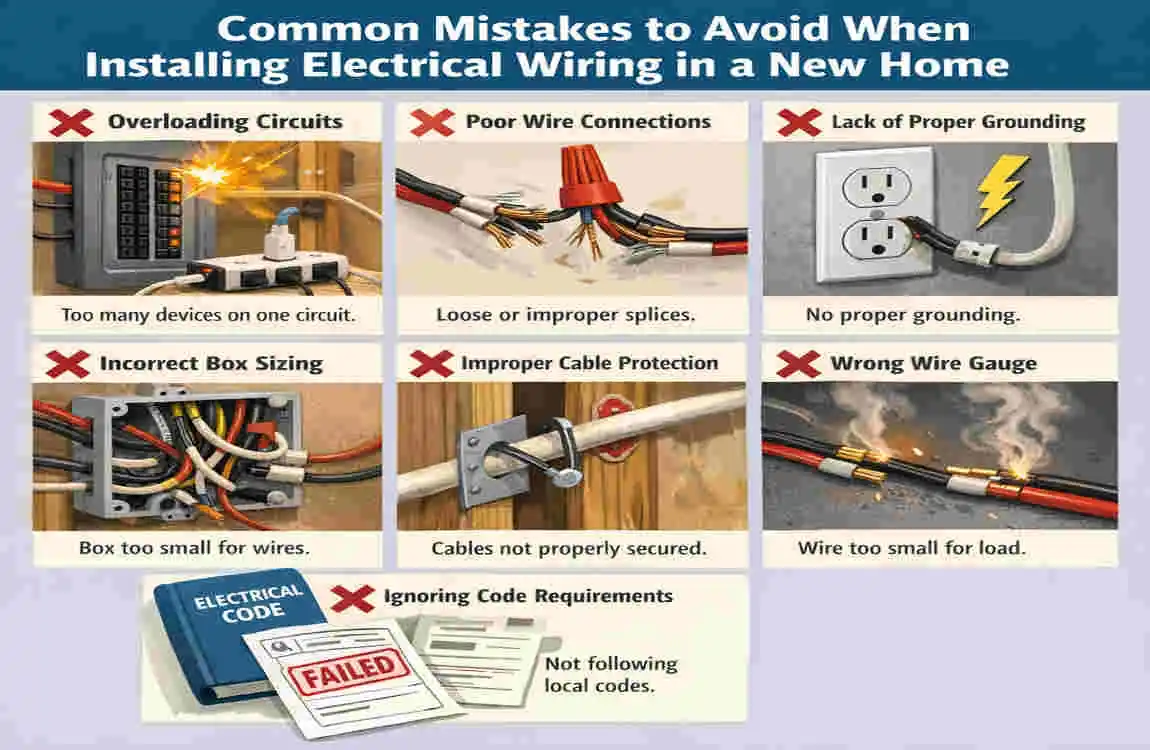
Common Mistakes to Avoid
Hiring Unqualified Electricians
This is one of the biggest mistakes people make. Electrical work must be done properly, especially in a new home. Hiring someone without the right skills or approval can lead to unsafe wiring and expensive fixes.
Always choose a professional who understands UK domestic electrical standards. Ask about experience, testing, and certification before you agree to any work.
Ignoring Building Regulations
If the wiring does not meet UK standards, you may face problems during inspection or when selling the property later. In some cases, poor compliance can even lead to fines or insurance issues.
It is always better to do the job correctly the first time. Safe wiring is not an optional extra.
Underestimating Costs
Many homeowners forget to include electrical work in the early budget. That can cause stress when quotes arrive. Wiring costs may seem hidden at first, but they are a major part of a new build.
Build a realistic allowance into your budget. It is better to overestimate slightly than to run short halfway through the project.
Overloading Circuits
Modern homes use more devices than ever. If you do not install enough circuits, you may overload the system when multiple appliances run at once.
A good electrician will plan for present-day use and future needs. That way, your home stays safe and practical for years.
Common mistakes to avoid:
- Choosing the cheapest electrician without checking qualifications
- Skipping compliance and testing
- Forgetting to budget for extras like outdoor wiring or smart features
- Adding too many appliances to one circuit
FAQs About Electrical Wiring Costs for New Homes in the UK
How much does it cost to wire a 3-bedroom house in the UK?
A typical 3-bedroom home may cost between £5,000 and £8,500 to wire, depending on the layout, number of sockets, lighting type, and any extra features. Simple homes may cost less, while larger or more detailed designs can cost more.
Are there affordable options for electrical wiring?
Yes. You can keep costs down by using standard fixtures, planning carefully, and avoiding late changes. Comparing quotes also helps. The key is not to cut corners on safety. Affordable should still mean safe and compliant.
How can I ensure my wiring meets UK safety standards?
Use a qualified electrician and make sure the work is tested and certified. Ask about compliance with UK building regulations before work begins. A proper installer should be able to explain the process clearly.
How long does it take to complete electrical wiring for a new house?
The time depends on the property’s size and complexity. A small new build may take several days, while a larger home can take a couple of weeks or more. Extra features, such as smart systems or outdoor wiring, can extend the schedule.
Can I use old wiring in a new build?
In most cases, no. A new build should have fresh wiring that meets current standards. Reusing old wiring is usually not suitable or safe for a new home project.
| House Size | Average Electrical Wiring Cost (GBP) | Notes |
|---|---|---|
| Studio / 1-bedroom | £1,200 – £2,000 | Basic wiring with standard fixtures |
| 2-3 Bedroom Home | £2,500 – £4,500 | Includes more sockets, lighting points |
| 4+ Bedroom Home | £4,000 – £7,000 | Complex wiring, additional appliances |
| Cost per Square Meter | £40 – £70 | Varies by materials and labour rates |