Singapore promises a lot more to see and experience—including food, career opportunities, safety, and lifestyle choices. Renting an apartment there is well-regulated. However, it demands careful financial and legal preparation, given the high costs and specific local rules.
No matter how long you plan to stay in the apartment, what your requirements are, and why you want to rent an apartment there, there’s much more you need to know.
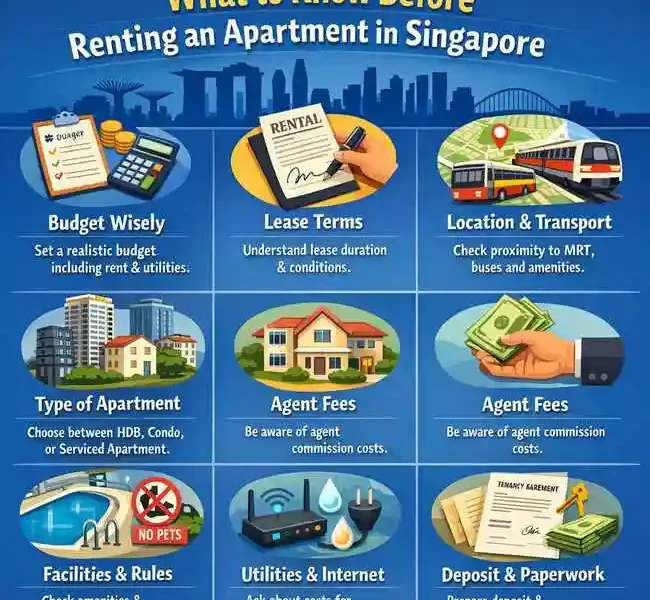
To help you rent an apartment in Singapore without any hassle, below are some key points that you (as a prospective tenant) should know and act accordingly.
Let’s check each of them out…
1. Know Your Housing Options
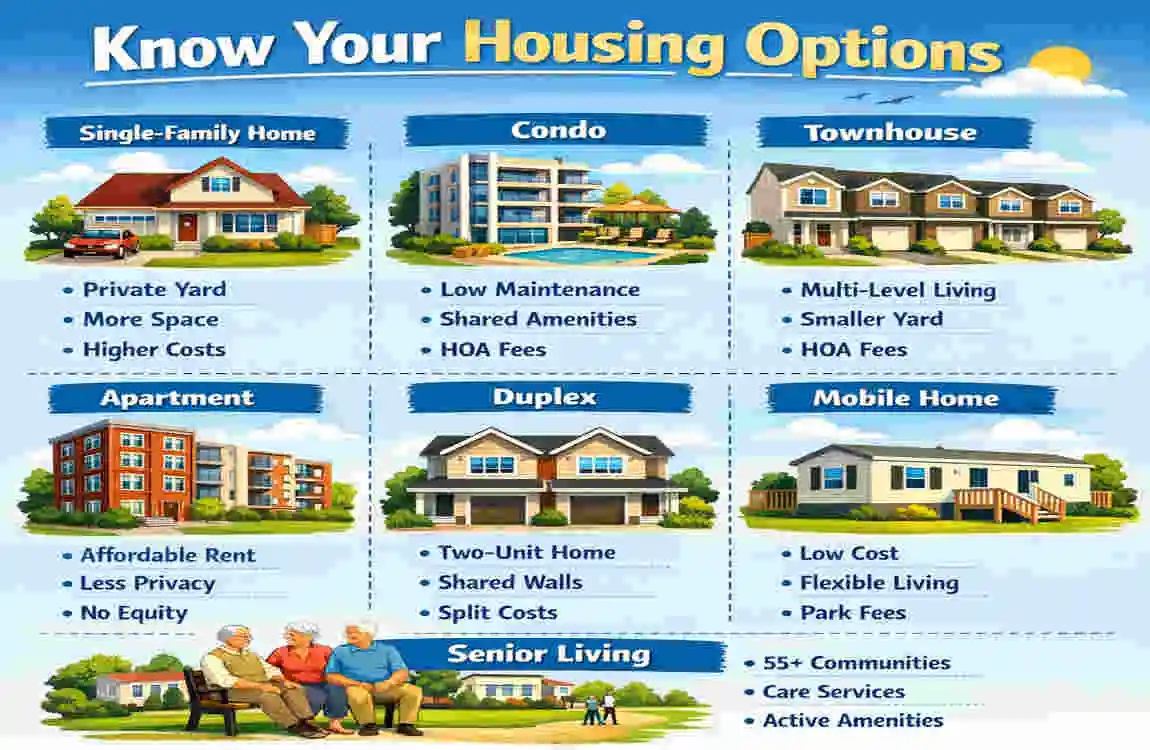
Generally, housing is divided into two major categories.
- HDB Flats (Public Housing) – In Singapore, apartments are more affordable and government-built. Being a foreigner, you can only rent from individual owners (not directly from the HDB), and strict quotas apply for non-Malaysian non-citizens.
- Private Properties (Condos & Landed) – In Singapore, condos and landed properties are known for their amenities, such as pools, gyms, and security. They have fewer rental restrictions than HBDs.
2. Minimum Lease Durations
For residential real estate, short-term rentals such as Airbnb are strictly illegal.
- Private Properties – You’re allowed to stay there for a minimum of 3 consecutive months.
- HDB Flats – You can stay in these flats for at least 6 consecutive months.
3. Upfront Costs and Deposits
It’s important to note that total upfront costs can equal 4 to 6 months of rent.
-
- Security Deposit – Conventionally, one month’s rent for every year of lease (e.g., 2 months for a 2-year lease).
- Good Faith Deposit – Often, one month’s rent is paid with a Letter of Intent (LOI) to reserve the unit. It typically converts into the first month’s rent or security deposit.
- Stamp Duty – Tenants must pay a tax of 0.4% of the total rent for the lease period to the Inland Revenue Authority of Singapore (IRAS) within 14 days of signing.
4. Essential Lease Clauses
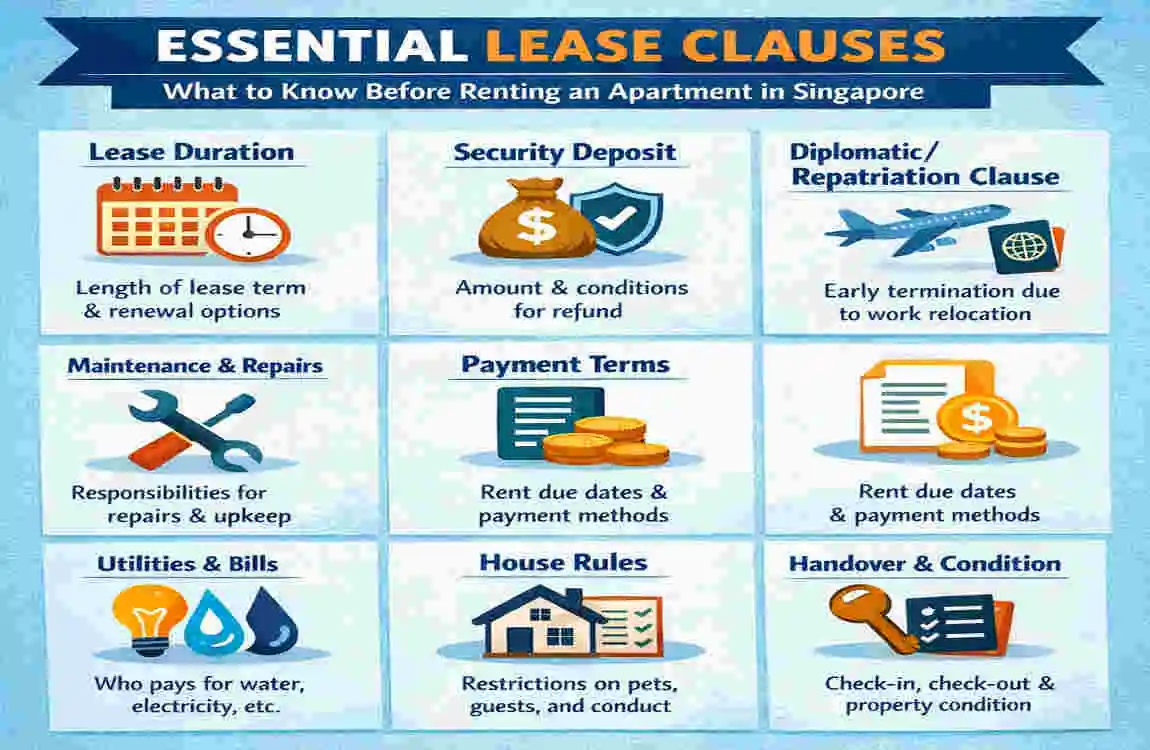
The Tenancy Agreement (TA) is the primary legal protection for both parties. Some of the key clauses include:
- Diplomatic Clause – Perfect for expats, as it allows you to break the lease early (typically after 12 months) in case you’re transferred out of Singapore.
- Minor Repairs Clause – The tenant’s liability for repairs is capped at S$150–S$200 per item. Therefore, the landlord covers anything above this.
- Air-Con Maintenance – Standard TAs generally require tenants to service air-conditioning (AC) units quarterly and provide landlord receipts.
5. Verify Agents and Owners
If you want to avoid scams, the best approach is to perform these checks consistently.
- Agent Verification – Be certain that real estate agents are registered with the Council for Estate Agencies (CEA).
- Ownership Check – It’s essential to verify that the lordland actually owns the property through the Singapore Land Authority (SLA) and also ask HDB owners to log in to their HDB portal.
6. Thorough Property Inspection
Document the unit’s condition meticulously before moving in. In this way, you will protect your security deposit. Take the time to check for signs of mold, water leakage, and the functionality of all appliances.
Capture photos and videos of all existing defects and attach them to the inventory List in the TA. The more proactive you are during the inspection, the more satisfying your living experience will be.
Wrapping It Up
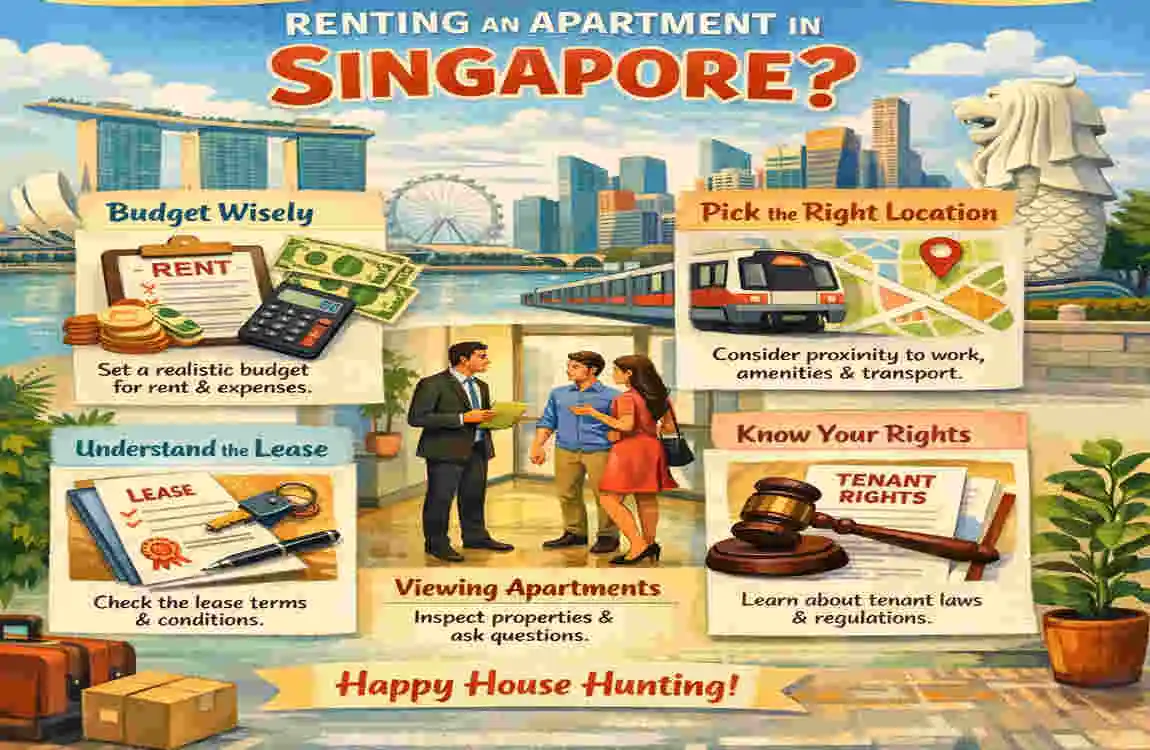
Is it your first time renting an apartment in Singapore? If so, knowing the above factors will help you make an informed decision that won’t regret you.
Don’t hesitate to seek word-of-mouth referrals from people within your social circle who have rented residential spaces there.
Beyond that, consult with real estate agents for your guidance and support. Remember, it’s always better to act proactively rather than bear the consequences of wrong real estate investment.
What to Know Before Renting an Apartment in Singapore – FAQ
Q: What types of apartments can you rent in Singapore?
In Singapore, you can rent HDB flats (public housing), private condominiums, and landed property units. Most expats and professionals typically choose condominiums due to facilities and convenience.
Q: How much does renting cost in Singapore?
Rental prices vary widely depending on location and property type. Central areas like Marina Bay or Orchard are more expensive, while suburban districts are more affordable. Condos generally cost more due to amenities like pools and gyms.
Q: What should I check before signing a tenancy agreement?
Always review the lease duration, deposit amount, maintenance responsibilities, break clauses, and renewal terms. Most rental contracts in Singapore are for 1–2 years.
Q: Are utilities included in rent?
Usually, utilities such as electricity, water, and internet are not included in the rent unless specifically stated in the agreement. Tenants typically pay these separately.
Q: Do foreigners face restrictions when renting?
No, foreigners can rent most private properties without major restrictions. However, HDB rentals have stricter rules and eligibility requirements.
Q: What hidden costs should renters be aware of?
Additional costs may include agent fees, stamp duty, maintenance charges, utility deposits, and sometimes furnishing costs if the unit is not fully furnished.