Buying or selling a home is rarely a simple straight line. There are offers, counteroffers, inspections, appraisals, lender checks, and closing steps. Because of all these moving parts, a home can be under contract for a while before the deal is final.
| Step | Stage | What Happens |
|---|---|---|
| 1 | Offer Acceptance | Buyer submits an offer; seller accepts, rejects, or counters |
| 2 | Earnest Money Deposit | Buyer pays a deposit (held in escrow) to show seriousness; credited toward purchase price at closing |
| 3 | Contract Execution | Both parties sign the contract, making it legally binding |
| 4 | Due Diligence / Option Period | Buyer conducts inspections, surveys, appraisals; can negotiate repairs or terminate if major issues found |
| 5 | Fulfilling Contingencies | Buyer secures financing, insurance, clears title issues, and meets other contract conditions |
| 6 | Closing Preparations | Finalize financing, obtain homeowner’s insurance, set closing date, complete legal paperwork |
| 7 | Closing & Recording | Parties sign final documents, ownership transfers, deed is recorded; buyer becomes homeowner |
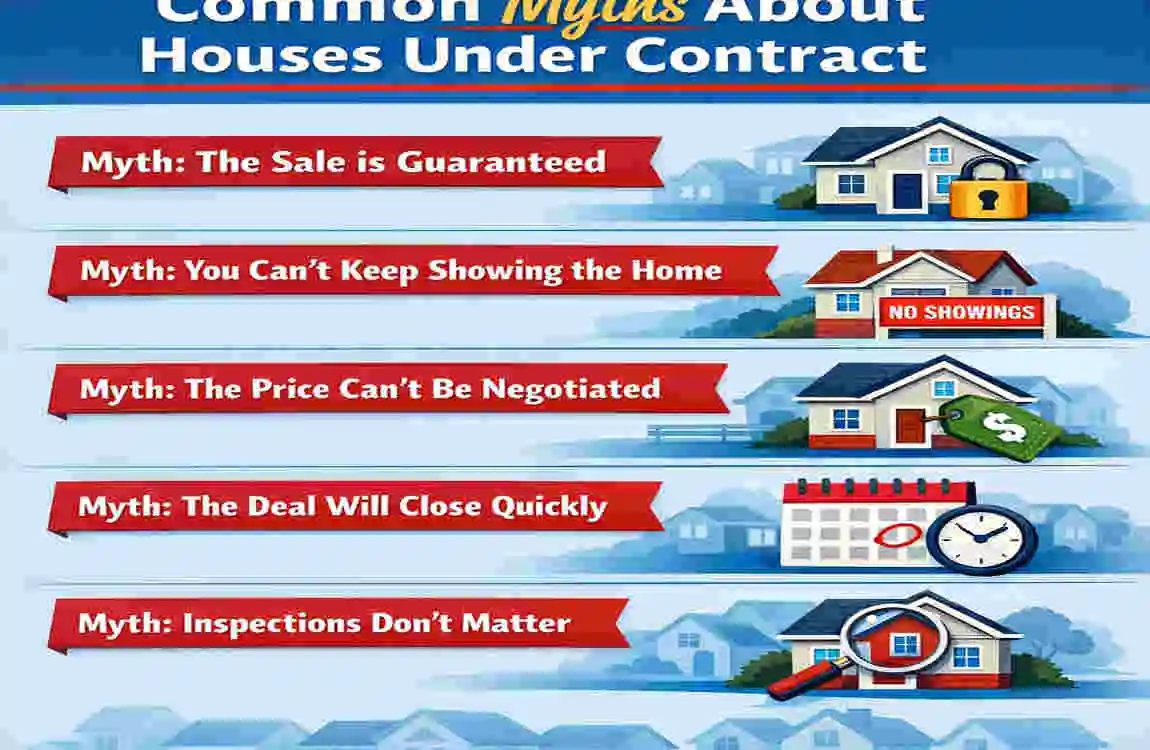
That is why many buyers ask the same important question: Can a house under contract still be bought? The short answer is yes, sometimes it can. A house under contract is not always fully off the market to other buyers. In many cases, there is still a small chance for another offer to move forward, especially if the first deal runs into trouble.
What Does “House Under Contract” Mean?

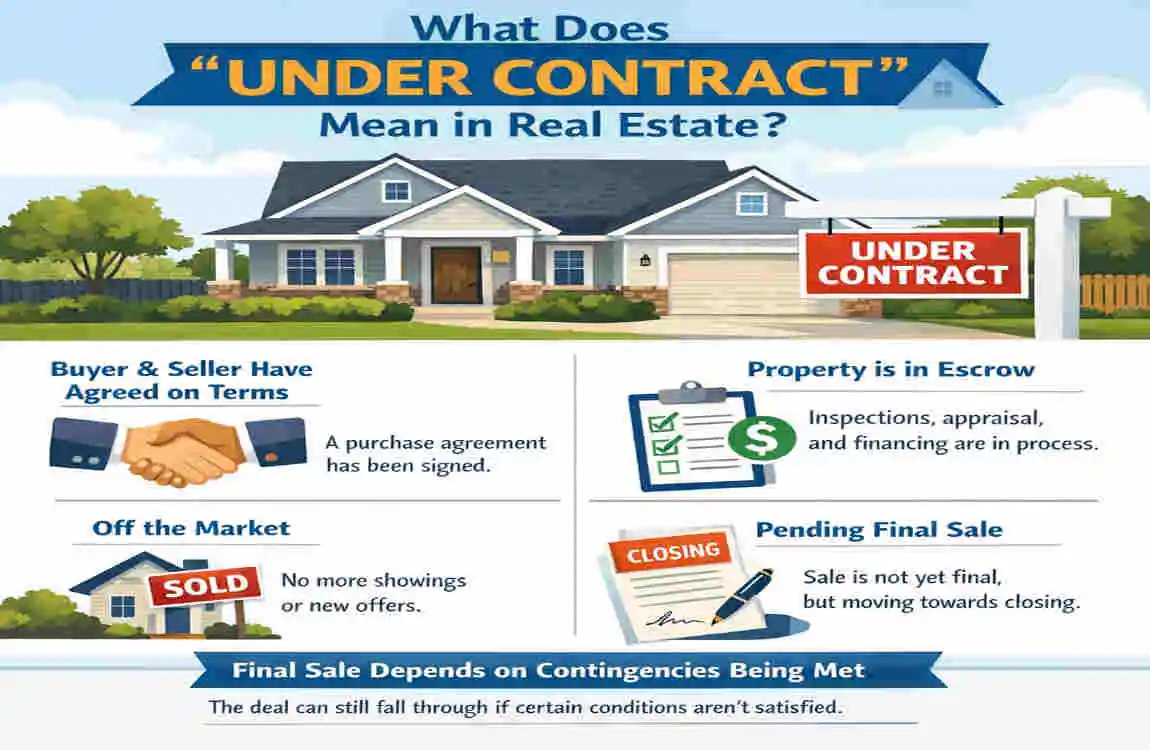
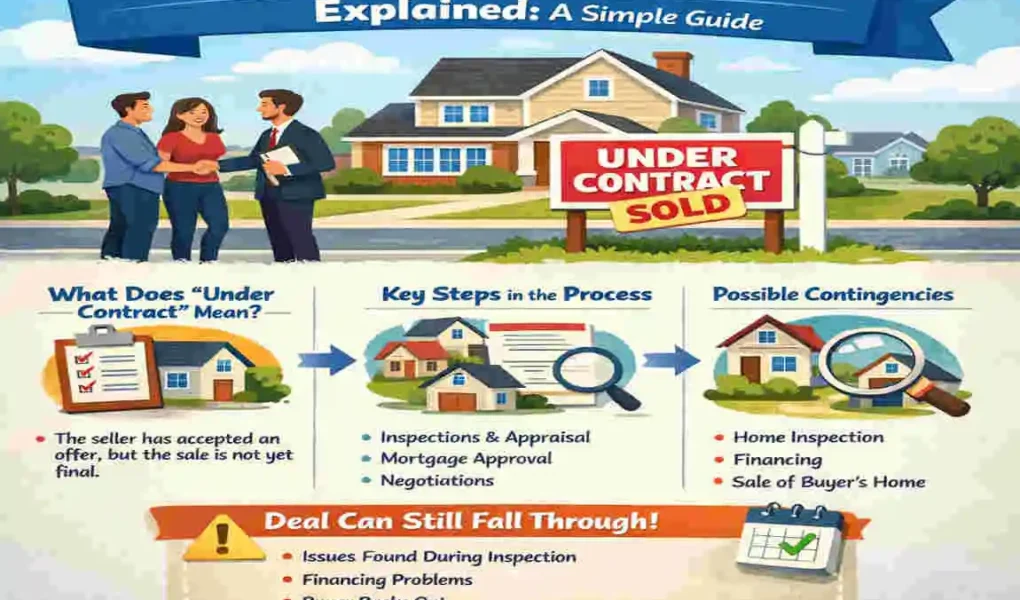
A house under contract means the seller has accepted a buyer’s offer, and both parties have signed a legal agreement. At this point, the real estate home is no longer just “for sale” in the usual sense. It is tied to a deal that is being worked through step by step.
Definition of an Under-Contract Property
A property becomes under contract when the buyer and seller agree on the price and terms, and that agreement is signed. This is more than a verbal promise. A verbal deal may feel serious, but it is not the same as a signed real estate contract.
Once the contract is signed, both parties have obligations. The buyer usually needs to complete financing, inspections, and other conditions. The seller must maintain the agreement and prepare for the closing process.
Key Parties Involved
Several people help move a home through the real estate contract process:
- Buyer – the person trying to purchase the home
- Seller – the current homeowner
- Real estate agents – help guide negotiations and paperwork
- Mortgage lenders – review the buyer’s loan request
- Title companies – check ownership records and help transfer the property
Each of these people plays a part in moving the home from accepted offer to final sale. If one part of the process slows down, the whole transaction can be delayed.
Why Homes Are Marked Under Contract
Homes are labelled under contract because the property is reserved for a buyer while the deal is being finalised. This protects the buyer from being pushed out by a sudden new offer and also gives the seller a path to closing.
The contract also creates legal responsibility. Neither side can walk away without possible consequences, unless the contract allows it or a contingency is triggered. That is one reason this stage matters so much.
Typical Timeline
A typical transaction moves through a few main steps:
- Offer acceptance
- Inspections
- Financing approval
- Appraisal review
- Title checks
- Closing
This timeline can move quickly in a strong market or more slowly if issues arise. Some real estate home stay under contract only a short time, while others remain in this stage for weeks.
Can a House Under Contract Still Be Bought?
This is the big question many buyers want answered. The short answer is yes, a house under contract can sometimes still be bought. It depends on the terms of the deal and how far along the transaction has moved.
The Short Answer
If a home is under contract, another buyer usually cannot simply step in and take it unless the first deal falls through, the seller accepts a backup offer, or the contract allows additional activity. So while the home is not fully open in the same way it was before, it may still be possible to buy it.
When Buyers Can Still Make Offers
You can often make a backup offer on a house even if it is under contract. This means your offer would only become active if the first deal falls through. In other cases, a seller may still be willing to hear new offers if the contract includes certain escape options.
There are also situations in which the first buyer cannot secure financing, fails the inspection, or cannot resolve another contingency. If that happens, the seller may return to backup offers or relist the home.
Why Sellers May Accept Backup Offers
Sellers like backup offers because they create a safety net. If the current buyer drops out, the seller does not have to start from zero. They already have another buyer waiting.
A backup offer can also speed up the transition. Instead of relisting the home, scheduling new showings, and restarting negotiations, the seller can move directly to the next offer if needed.
How Competitive Markets Affect Contracted Homes
In hot markets, homes often receive multiple offers within a short time. Even after a home goes under contract, buyers may still try to get in line with a backup offer. This happens often in places where inventory is low and demand is high.
If you are thinking about buying a house under contract in a competitive market, you should be realistic. Your chances may be limited, but they are not always zero. The stronger your offer, the better your position if the first contract breaks.
Benefits and Risks of Pursuing a Contracted Home
There are clear upsides to trying for a home that is already under contract. You may end up with the property you really want, especially if the first deal falls through. You also show the seller that you are serious and prepared.
But there are risks too. You could spend time on a property that never becomes available. You may also miss other real estate home while waiting. That is why it helps to stay balanced and keep looking elsewhere at the same time.
Common Contingencies That Can Affect a House Under Contract
One of the biggest reasons a deal changes is the house sale contingency or other contract conditions. Contingencies are rules in the contract that must be satisfied before the sale can close. If they are not met, the buyer may cancel or renegotiate.
Home Inspection Contingency
A home inspection contingency gives the buyer time to inspect the property. If the inspection uncovers major issues, the buyer may ask for repairs, request a credit, or walk away.
This is one of the most common reasons a deal gets adjusted. A roof problem, plumbing issue, mould concern, or structural repair can change the entire deal. Sometimes the parties agree on a fix. Other times, they cannot reach a solution.
Financing Contingency
A financing contingency protects the buyer if the mortgage is not approved. Even if a buyer is pre-approved, the lender still has to fully review income, debt, credit, and the home itself.
If the lender denies the loan or the buyer’s financial situation changes, the contract may fall apart. This is why sellers pay close attention to how strong the financing looks.
Appraisal Contingency
An appraisal checks whether the home is worth the agreed price. If the home appraises lower than expected, the lender may not want to lend the full amount.
That creates an appraisal gap. The buyer may need to bring extra cash, the seller may lower the price, or the deal may end. In a rising market, appraisal issues are common and can become a major hurdle.
Home Sale Contingency
Sometimes a buyer must sell their current home before buying the new one. That is called a home sale contingency. It can be helpful for the buyer, but it also adds risk for the seller.
If the first home does not sell in time, the buyer may have to back out. This contingency often makes a home seem less certain to the seller.
Title Contingency
A title contingency helps confirm that the seller actually has the right to sell the home. It also checks for liens, ownership disputes, or other legal problems.
If the title is unclear, the transfer cannot proceed smoothly. This is another reason some homes stay under contract longer than expected.
How Contingencies Create Opportunities
Contingencies are the main reason a deal can change. They protect the people in the contract, but they also create openings for new buyers.
If the inspection reveals a serious issue, the appraisal comes in low, or the loan does not close, the first contract may fail. That is when backup buyers get a chance.
Under Contract vs. Pending: Understanding the Difference

Many buyers see both terms and think they mean the same thing. They are close, but there is a difference.
What Under Contract Means
When a real estate home is under contract, the seller has accepted an offer, but some conditions may still be active. The deal is moving forward, but it is not fully finished.
This stage often means there is still room for problems or changes. As a result, the home may still attract backup interest.
What Pending Means
When a home is pending, the deal is usually much closer to closing. Most major contingencies have been completed or removed. At this stage, the sale is more settled and less likely to change.
That said, ‘pending’ does not always mean ‘guaranteed’. Rare issues can still appear, but the risk is generally lower than in the earlier contract stage.
Key Differences Between the Two Statuses
Feature Under Contract Pending
Offer Accepted Yes Yes
Contingencies Active Usually Mostly Removed
Buyer Can Submit Backup Offer Often Sometimes
Closing Stage Earlier Nearer to Closing
Risk of Falling Through Higher Lower
Why the Difference Matters to Buyers
If you are house hunting, the difference helps you decide how much energy to put into a property. A house under contract may still be worth watching. A pending home is less likely to return to the market.
So, if you are asking, “Can you make an offer on a house under contract?” the answer is often yes as a backup. But if the home is pending, your chances are usually lower.
Why Do House Contracts Fall Through?
People often assume that once a contract is signed, the sale is safe. In reality, that is not always true. Many contracts collapse before closing.
Financing Problems
Loan problems are one of the biggest reasons a deal fails. A buyer may lose income, take on new debt, or fail the lender’s final review. Sometimes a credit issue appears late in the process.
Even a strong buyer can run into trouble if the bank changes its decision. That is why financing is such a major part of the real estate contract process.
Inspection Issues
A real estate home inspection can reveal expensive problems that were not obvious at first. These may include a damaged foundation, old electrical systems, roof leaks, or HVAC trouble.
When the repairs are too large or the seller will not negotiate, the buyer may step away. This is a very common reason a house under contract can fall through.
Appraisal Gaps
If the appraised value is lower than the sale price, the lender may limit the loan amount. This often forces the buyer and seller to renegotiate.
Sometimes the buyer covers the difference. Sometimes the seller lowers the price. But if neither side agrees, the contract can collapse.
Buyer or Seller Circumstances Change
Life changes fast. A buyer might lose a job, face a family emergency, or decide to move in another direction. A seller might also have a personal issue that affects the sale.
These changes can be frustrating, but they are a normal part of real estate. Not every failure is about the house itself.
Title Problems
Title problems can delay or stop a deal if ownership is unclear or if there are unpaid liens on the property. These issues can take time to solve.
Because title review happens later in the process, some problems are only discovered after the house is already under contract.
Statistics on Failed Real Estate Transactions
There is no single number that applies to every market, but it is fair to say that some contracts do fail before closing. The rate changes based on local demand, buyer financing, home condition, and market conditions.
That is why smart buyers and sellers always leave room for backup plans. In real estate, certainty is helpful, but flexibility is even better.
How to Submit a Backup Offer on a House Under Contract
If you still want the home, a backup offer may be your best move. It keeps you in the game without forcing the seller to restart from scratch.
Discuss Strategy With Your Agent
Your agent can help you decide whether the property is still worth pursuing. They can also explain the likelihood of the contract failing and whether the seller is open to backup offers.
This step matters because every market is different. What works in one area may not work in another.
Prepare Strong Financing Documentation
If the seller sees that you are fully prepared, your backup offer becomes more attractive. A pre-approval letter, proof of funds, and clean financial records can help.
The more ready you are, the more confidence the seller has in you.
Make Your Offer Competitive
A backup offer should still be serious. If you want the seller to consider it, your price and terms should make sense.
You may not need to overpay, but your offer should be clean and realistic. A weak offer is easy to ignore.
Understand Backup Offer Agreements
A backup offer is usually a formal contract that becomes active only if the first deal ends. This means you should understand what happens if the first buyer closes successfully and your offer never becomes active.
It is important to be clear before signing. You do not want confusion later.
Stay Ready for Quick Action
If the first contract fails, things can move quickly. The seller may want to move straight to the backup buyer without delay.
That means you should stay alert, keep your financing ready, and be prepared to move fast if needed.
What Happens If the First Contract Fails?
If the first buyer walks away or is unable to close, the seller may activate the backup offer. From there, the sale continues with the backup buyer under the agreed terms, unless new negotiations are needed.
This is why backup offers are useful. They give buyers another path into a home that seemed out of reach.
What Sellers Should Know About Houses Under Contract
Sellers have important responsibilities once a home is under contract. This stage is not just about waiting. It requires attention and communication.
Responsibilities After Accepting an Offer
Once a seller accepts an offer, they need to follow the contract terms carefully. That often means allowing inspections, providing disclosures, and responding to requests in a timely manner.
Delays or missed deadlines can create problems. Staying organised helps keep the process moving.
Managing Contingencies
Contingencies need to be tracked closely. Sellers should know which conditions still apply, which deadlines real estate home approaching, and what happens if the buyer requests changes.
Good communication can prevent confusion and keep the deal alive.
Benefits of Accepting Backup Offers
Backup offers give sellers peace of mind. If the first buyer fails to close, the seller already has another interested party.
This can save time, reduce stress, and help the seller avoid putting the home back on the market.
Avoiding Delays During Escrow
During escrow, simple delays can slow everything down. Missing documents, slow lender responses, or unclear repair negotiations can all hold up the sale.
Sellers who stay responsive usually have smoother closings.
Keeping Communication Open
Clear communication between the seller, agent, lender, and title company makes the process easier. When everyone knows what is happening, fewer surprises appear.
That matters because the contract stage is often where small issues become big ones.
What Buyers Should Know Before Pursuing a House Under Contract

If you are a buyer, you need to balance hope with realism. A house under contract may still be worth pursuing, but you should not put your entire search on hold.
Be Patient
Patience is important here. A home under contract is usually not an open invitation for immediate purchase. You may have to wait to see whether the first deal closes.
That does not mean your time is wasted. It just means the process may take a while.
Understand the Odds
The chances of buying the home depend on the contract stage, the contingencies, and the strength of the first buyer. Some deals are shaky. Others are strong and likely to close.
Knowing the odds helps you make smart decisions instead of emotional ones.
Continue Looking at Other Properties
Do not stop your search while waiting for one home. Even if you love the property, keep exploring other options.
This protects you from disappointment and helps you stay in control.
Get Pre-Approved
A strong pre-approval can help you move quickly if the home becomes available. It also makes your backup offer more attractive to the seller.
Being ready matters, especially in a competitive market.
Evaluate Opportunity Costs
Ask yourself whether waiting for one real estate home is worth giving up other chances. Sometimes the answer is yes. Other times, it is better to move on.
This honest review can save you time and stress.
Frequently Asked Questions About Houses Under Contract
Can a House Under Contract Accept Other Offers?
Yes, in some cases it can. A seller may accept backup offers or may continue to receive interest depending on local rules and the contract terms. However, the first contract usually has priority.
Can a Seller Back Out of a Contract?
A seller cannot usually walk away freely once the contract is signed. They may only cancel if the contract allows it or if the buyer fails to meet the terms.
Can a Buyer Cancel a Contract?
Yes, a buyer can sometimes cancel if a contingency gives them that right. Common reasons include inspection issues, financing failure, or appraisal problems.
How Long Does a House Stay Under Contract?
It depends on the market and the deal itself. Some homes stay under contract for a few days, while others take several weeks or longer.
Is It Worth Making a Backup Offer?
It can be worth it if you really like the home and your agent believes the first deal is unstable. A backup offer costs little compared to missing out completely.
What Happens After a House Goes Pending?
Once a house goes pending, the deal is closer to closing. Most major issues have been handled, and the risk of the sale falling apart is lower.