If you own or plan to buy land with A-1 zoning, you may be asking one very common question: can you build a house on a-1 zoning? The short answer is sometimes yes. In many places, A-1 land is meant for agricultural use, but a home may still be allowed under certain rules.
That is why this type of zoning confuses so many buyers. One county may allow a farmhouse or primary home, while another may limit residential use more tightly. So before you buy land or start planning a build, you need to check the local rules carefully.
What Is A-1 Zoning?
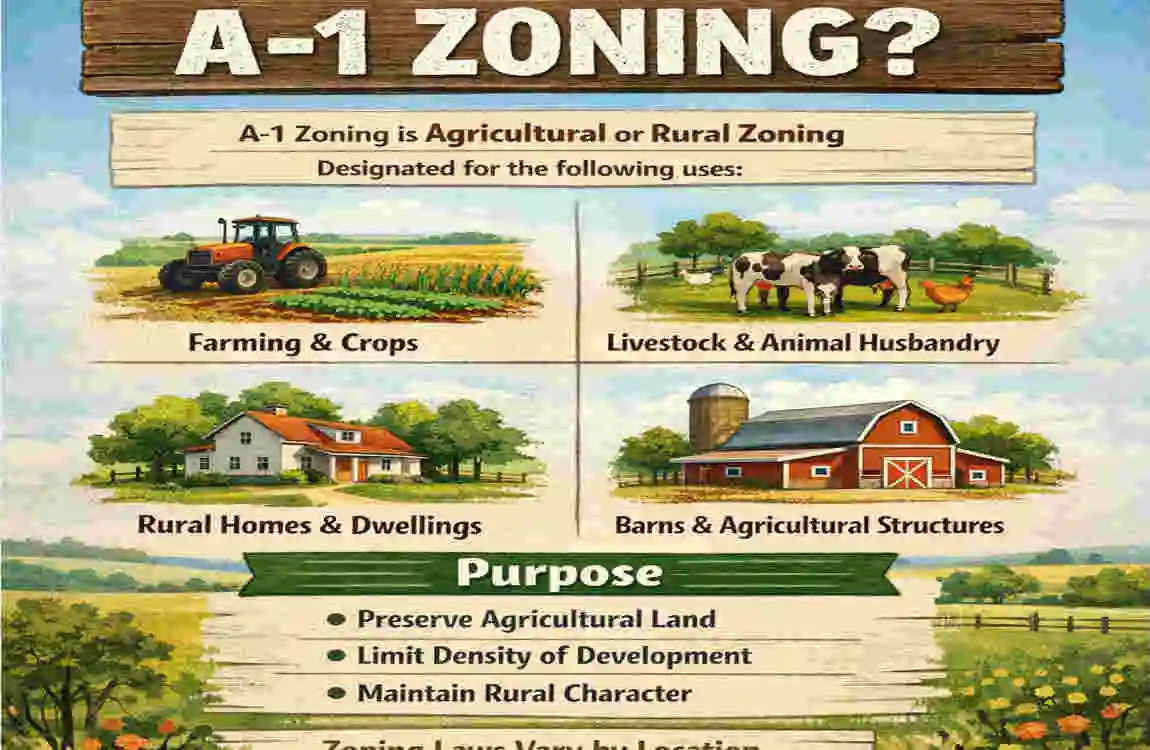
Definition of A-1 Zoning
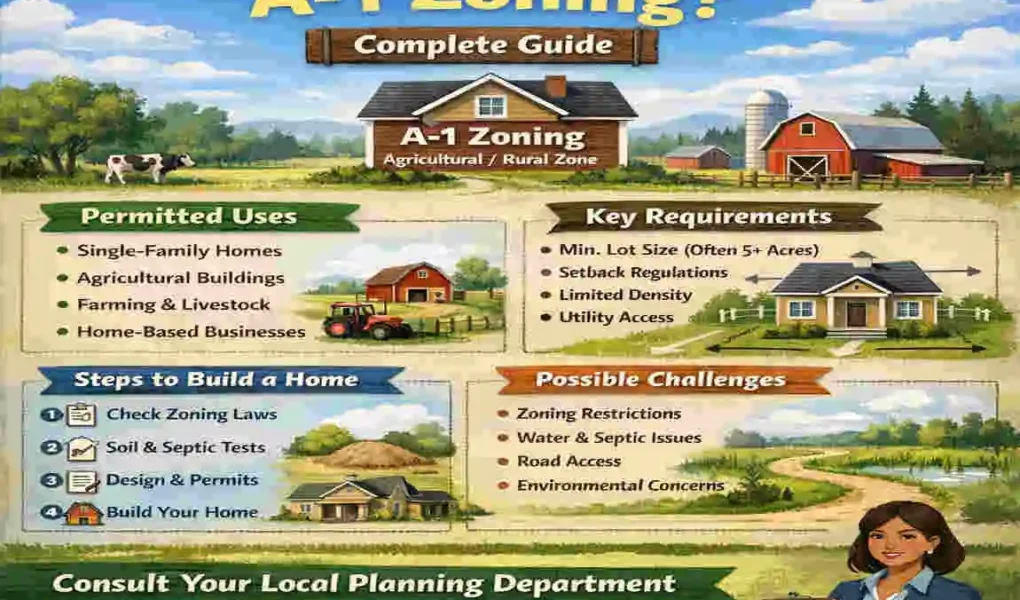
A-1 zoning usually means agricultural zoning. Local governments use it to protect land for farming, livestock, ranching, and similar uses. The main goal is to keep these areas open and useful for agriculture.
This zoning category does not always ban homes. Instead, it often limits what kind of homes you can build and where you can build them.
Common Uses of A-1 Zoned Land
A-1 land is often used for:
- Farming
- Livestock
- Ranches
- Agricultural businesses
- Residential use in some areas
So, while the land is mainly for agriculture, some residential construction may still be possible depending on the county rules.
Can You Build a House on A-1 Zoning?
The Short Answer
Yes, in many locations you can, but the rules vary widely. Some areas allow one home on agricultural land, especially if it supports farming. Others require a larger parcel or special approval.
When Residential Construction Is Allowed
A home may be allowed if it is used as:
- A primary residence
- A farmhouse
- A caretaker home
In these cases, the house is often tied to the land’s use. For example, a farmer may be allowed to live on the property to manage crops or animals.
Situations Where It May Not Be Allowed
A house may not be allowed if:
- Local zoning rules are strict
- The lot is too small
- The land does not meet environmental rules
- The county requires special approval
This is why checking with the planning office is so important before you buy or build.
Requirements Before Building a House on A-1 Zoned Land
Minimum Lot Size
Many counties require a certain number of acres before they allow a home on A-1 land. If the parcel is too small, you may not be able to build for residential use.
Building Permits
Even if the zoning allows a home, you usually still need a building permit. This permit confirms that the home meets local codes and safety rules.
Septic System Approval
If the land is not connected to a city sewer, you may need a septic system. That usually requires a soil test to ensure the ground can support it.
Water Supply Requirements
You also need a reliable water source. That may mean a well, a rural water line, or another approved system.
Road Access
The property must usually have legal road access. If the land is landlocked or hard to reach, getting permission to build may be more difficult.
Utility Availability
Before building, you should check for:
- Electricity
- Water
- Sewer or septic
- Internet or phone access
If these are not already available, you may need to pay extra to bring them in.
Benefits of Building a House on A-1 Zoned Property
Larger Lots
A-1 land often comes with more space than standard residential lots. That gives you room to build, farm, or enjoy a wider property.
Greater Privacy
Because these areas usually have fewer nearby homes, you may enjoy more peace and privacy.
Agricultural Opportunities
If you want to grow crops, keep animals, or start a small farm, A-1 land can be a strong fit.
Lower Population Density
You will often deal with less traffic, less noise, and fewer neighboring houses.
Potential Tax Benefits
In some places, agricultural land may qualify for special tax treatment. That can lower property taxes, though the rules vary by location.
Challenges of Building on A-1 Zoned Land
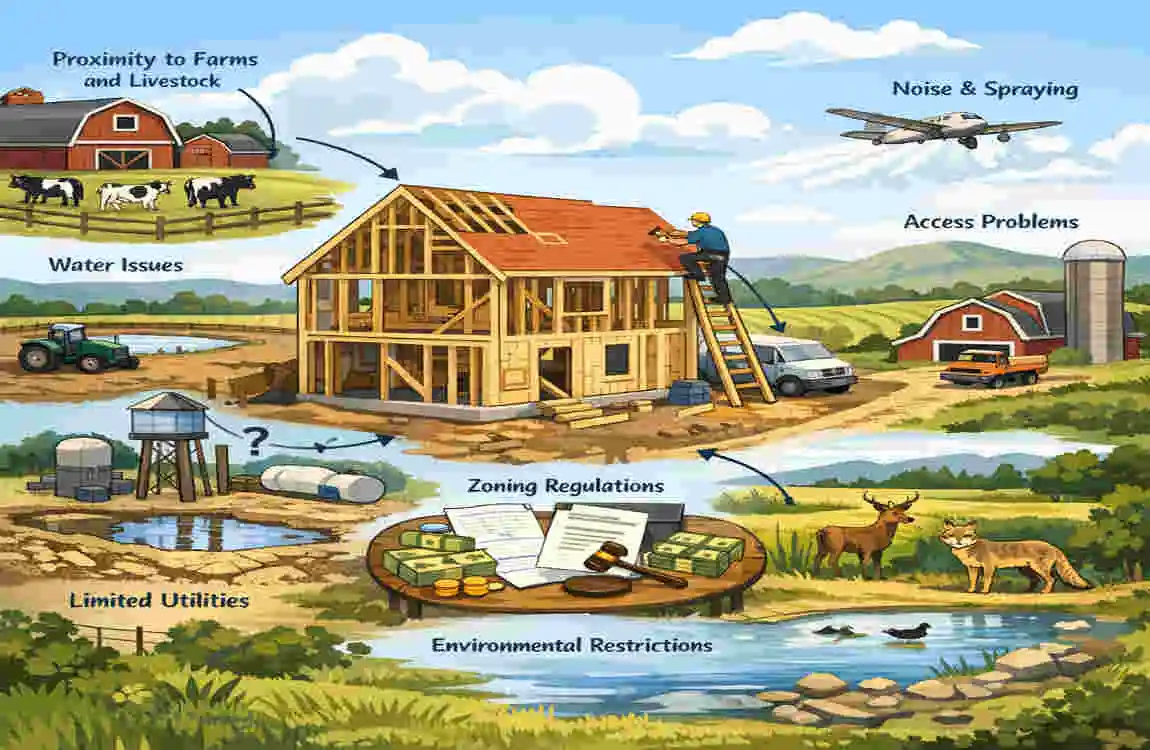
Limited Utilities
Many A-1 properties lack full utility access. Bringing in services can be expensive and time-consuming.
Additional Development Costs
You may need to pay for land clearing, grading, well drilling, septic installation, and utility hookups.
Permit Delays
Permits can take time, especially if the land has zoning questions or environmental concerns.
Financing Challenges
Some lenders are cautious about agricultural land. That means getting a loan may be harder than buying a standard residential lot.
Future Land Restrictions
Even if you build now, future zoning changes or county rules may affect how the land can be used later.
Steps to Build a House on A-1 Zoned Land
Verify Local Zoning Rules
Start by checking the exact zoning rules with the local planning or zoning office. Do not rely on guesswork.
Check Building Eligibility
Ask whether a home is allowed on that specific parcel. Some lots qualify, while others do not.
Obtain Necessary Permits
You will likely need permits for the home, septic system, driveway, and possibly more.
Prepare the Land
The land may need clearing, leveling, drainage work, or access improvements before building can begin.
Install Utilities
If utilities are not already present, arrange for water, power, and waste systems early in the process.
Begin Construction
Once approvals are in place, you can move into the actual building stage.
Cost Considerations
Land Preparation
Clearing trees, grading soil, and improving access can add real cost before construction even starts.
Utility Installation
Running utility lines to rural land is often more expensive than building in town.
Septic and Well Costs
A well and septic system can become a major part of your budget, especially on undeveloped land.
Permit Fees
Permits are another cost to include. These fees may seem small at first, but they add up.
Construction Costs
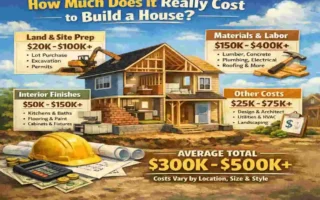
The house itself will cost about the same as other builds of similar size, but rural site work can raise the total budget.
Can You Rezone A-1 Property for Residential Use?
Reasons for Rezoning
People often request rezoning to build a home, divide the land, or use the property in a new way.
Rezoning Process
Rezoning usually involves an application, public review, hearings, and approval from local officials.
Factors That Affect Approval
Approval may depend on:
- Local planning goals
- Nearby land use
- Environmental impact
- Road access
- Community concerns
Rezoning is not always easy, so it helps to know the odds before you begin.
Tips Before Buying A-1 Zoned Land
Before you buy, make sure you:
- Review county zoning ordinances
- Visit the property
- Check flood zones
- Confirm utility access
- Understand future land-use plans
These steps can save you from expensive surprises later.
Common Mistakes to Avoid
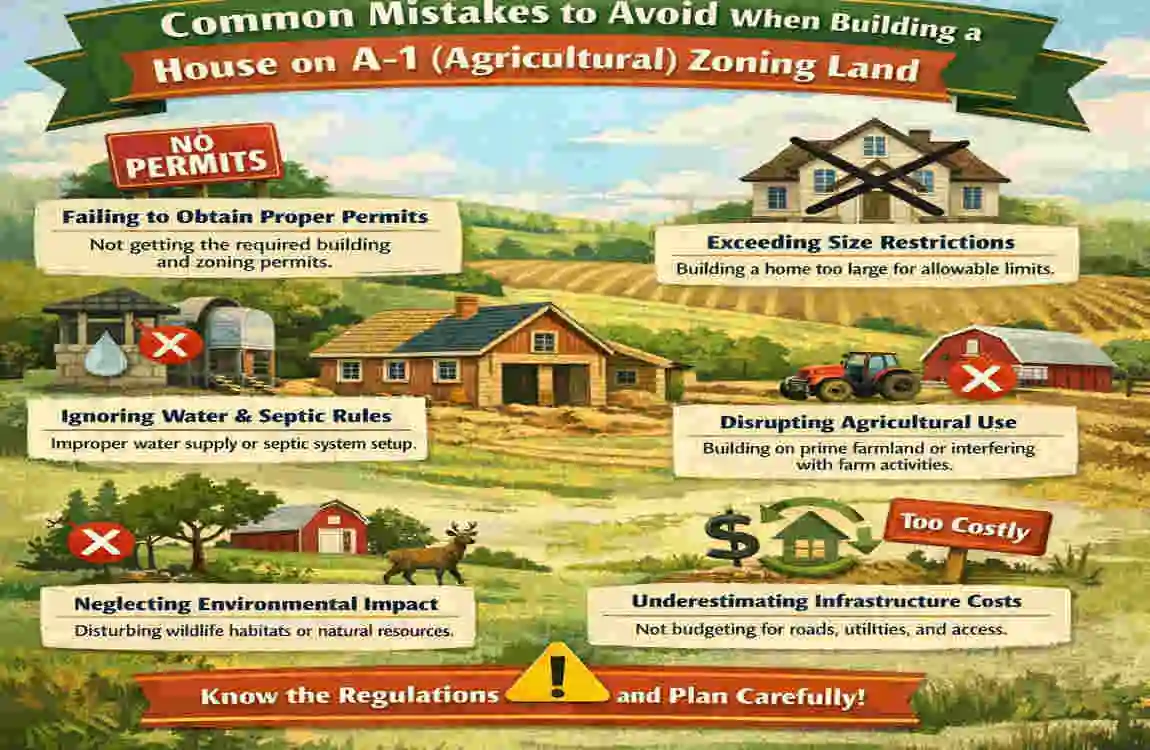
Many buyers make the same mistakes with A-1 land. Try not to:
- Assume all A-1 properties allow homes
- Ignore local zoning rules
- Skip soil tests
- Overlook utility costs
- Buy without permit research
A little research now can prevent a big problem later.
A-1 Zoning at a Glance
FeatureDetails
Primary Purpose Agricultural use
Residential Homes Often allowed with conditions
Minimum Lot Size Varies by county
Farming Allowed Yes
Livestock Allowed Usually yes
Building Permit Required Yes
Septic/Well Needed Often required
Rezoning Possible In some cases
Frequently Asked Questions
Can you build a house on A-1 zoning without farming?
In some places, yes. In others, the home must support agricultural use or meet special conditions.
Does A-1 zoning require a minimum number of acres?
Often yes, but the exact acreage depends on the county.
Can I place a manufactured home on A-1 land?
Sometimes, but only if local rules allow it and the home meets code requirements.
Is A-1 zoning the same in every state?
No. A-1 zoning rules can vary widely from one state or county to another.
Can I run a business on A-1 zoned property?
Some agricultural businesses are allowed, but general commercial use may be restricted.
Can I subdivide A-1 zoned land?
Maybe, but subdivision rules are often strict and depend on local approval.
| Topic | Information |
|---|---|
| What Is A-1 Zoning? | A-1 zoning is typically an agricultural land designation intended for farming, ranching, and other rural uses. |
| Can You Build a House? | Yes, in many areas, but local zoning ordinances usually determine whether residential construction is allowed. |
| Primary Purpose | Supports agriculture, livestock, crop production, and low-density rural development. |
| Residential Use | Single-family homes are often permitted, subject to local zoning regulations and permit requirements. |
| Building Permit Required | Yes. A building permit and other approvals are generally required before construction begins. |
| Minimum Lot Size | Varies by county or municipality, often ranging from 1 to 20+ acres depending on local rules. |