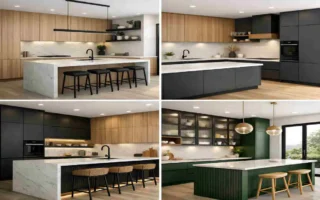
If you are asking, “Can I have 2 kitchens in one house?”, the short answer is yes, sometimes. In many places, a home can have two kitchens. But the real question is not just whether it is possible. The bigger issue is how your local rules classify the home.
A second kitchen can be fine in one city and a problem in another. Zoning laws, building permits, and occupancy rules all matter. In some areas, a second kitchen may make the property look like a multi-unit home rather than a single-family home. That is why it is important to check before you build.
What Counts as a Second Kitchen?
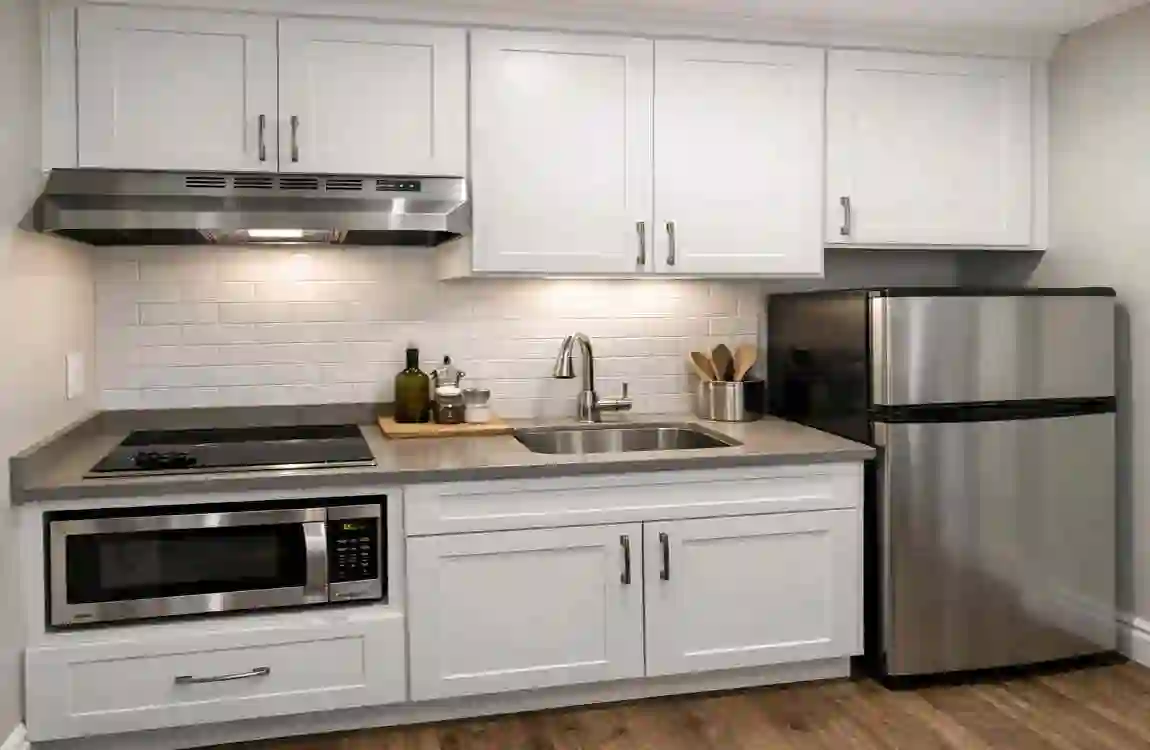
A second kitchen is usually more than just a sink and a microwave. It is a space that can support full cooking, food storage, and meal prep.
Full Kitchen vs. Kitchenette
A full kitchen usually includes:
- A stove or cooktop
- A sink
- A refrigerator
- Counter space
- Cabinets
- Cooking ventilation
A kitchenette is smaller and may not have all of those items. It might include a sink, mini fridge, and prep space, but not a full cooking setup.
This difference matters because a kitchenette is often easier to approve. A full second kitchen may raise more questions from your local building or zoning office.
Is It Legal to Have Two Kitchens?
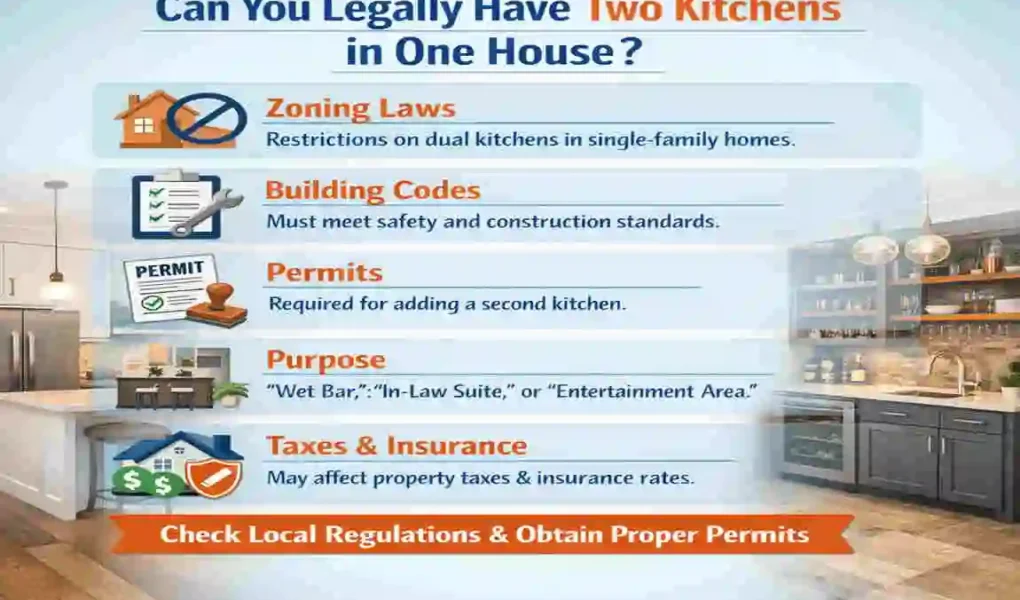
In many cases, yes, it is legal to have two kitchens in one house. But legality depends on local law.
If your home is still used as a single household and the second kitchen is approved properly, it may be allowed. But if the second kitchen suggests a separate living unit, the city may treat it differently.
That is where problems can start. Some local governments see two kitchens as a sign that the home is being used as:
- A duplex
- A rental unit
- An in-law suite with independent living features
- A separate dwelling unit
So while having two kitchens is not automatically illegal, it can change how the property is viewed.
Zoning Laws Matter Most
Zoning laws usually matter more than anything else. They decide what uses are allowed on the property.
Why Zoning Rules Are So Important
If your home is in a single-family zone, the city may only allow one household to live there. That does not always mean a single kitchen, but it can become an issue if the second kitchen looks like a separate unit.
Some areas allow exceptions for:
- Large homes
- Attached in-law suites
- Accessory dwelling units
- Special permits
Other areas are stricter. They may allow the second kitchen only if the house stays legally classified as a single-family home.
What Zoning Officials Look For
Local officials may check whether the second kitchen has signs of a separate unit, such as:
- A separate entrance
- Extra plumbing
- Independent cooking space
- A separate electrical setup
- Lockable separation from the rest of the house
The more the space looks like its own home, the more likely it is to trigger zoning concerns.
Building Codes vs. Zoning Rules
Many homeowners confuse building codes with zoning rules, but they are not the same thing.
Topic: What It Covers. Why It Matters
Building Codes, Safety, wiring, plumbing, ventilation, and fire rules. Make sure the kitchen is built safely.
Zoning Rules: How the property can be used determines whether the second kitchen is allowed at all.
Building Codes Focus on Safety
Building codes care about things like:
- Proper electrical work
- Safe gas connections
- Ventilation
- Plumbing
- Fire safety
- Clear exits
If you install a second kitchen, it must meet these safety standards.
Zoning Rules Focus on Use
Zoning rules ask a different question: Is this still a single-family home, or is it becoming a multi-unit property?
That is why a project can pass inspection from a safety perspective but still fail zoning approval.
When a Second Kitchen Becomes a Problem
A second kitchen becomes risky when it starts to look like a second home inside the same house.
Common Issues That Can Come Up
- Permit problems if the work was done without approval
- Inspection issues if the kitchen does not meet code
- Tax concerns if the property is reclassified
- Resale problems if buyers or lenders see it as non-compliant
- Occupancy issues if the home no longer matches its approved use
If your property does not have the right certificate of occupancy, that can create even more trouble. In some places, the home must be approved for the exact way it is being used.
Why This Matters for You
If you build a second kitchen without checking the rules first, you may end up paying to remove it later. That is why it is always better to ask first and build second.
Common Legal Exceptions
There are some situations where a second kitchen is more likely to be allowed.
Common Examples
- In-law suites
- Accessory dwelling units
- Basement apartments with approval
- Attached guest spaces
- Multi-generational homes approved by the city
In these cases, the second kitchen may be legal because the extra living space has been officially approved.
Why Exceptions Matter
Not every second kitchen is treated the same. A small prep kitchen for family use may be easier to approve than a fully separate cooking space with its own entrance. Local rules make a big difference here.
How to Stay Compliant
If you are thinking, “Can I have 2 kitchens in one house?” the safest move is to check your local rules before starting.
Smart Steps to Take
- Call the city or county building department
- Ask about zoning for your property
- Check whether a permit is required
- Find out if the home can remain single-family
- Get written approval before construction starts
A quick conversation with the right office can save you a lot of stress later.
Why Written Approval Helps
Verbal advice is not enough. If someone tells you it is okay, ask for it in writing. That way, you have proof if questions come up later.
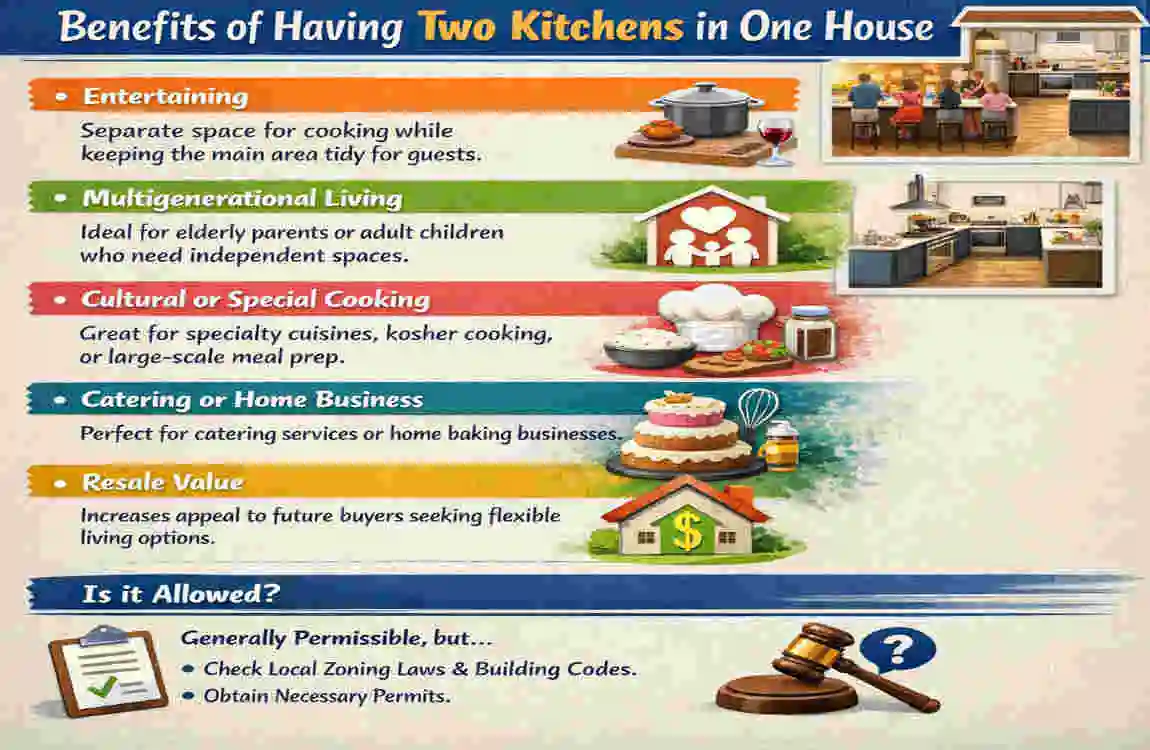
Benefits of Two Kitchens
Even with the legal questions, there are good reasons people want two kitchens.
Practical Reasons Homeowners Add a Second Kitchen
- Easier cooking during big gatherings
- Better prep space
- Clean the main kitchen for guests
- More support for multigenerational living
- Separate space for heavy cooking or food prep
Some homeowners like having one show kitchen and one prep kitchen. That setup can be very practical, especially in larger homes.
FAQ
Can I have 2 kitchens in one house?
Yes, in many places you can. But local zoning and permit rules decide whether it is allowed in your area.
Does a second kitchen make my house a multi-family home?
Not always. But if the home starts to function like two separate living units, the city may classify it as two separate units.
Is a kitchenette easier to approve than a full kitchen?
Usually, yes. A smaller kitchenette often raises fewer zoning concerns than a full second kitchen.
Do I need a permit for a second kitchen?
Very often, yes. Plumbing, electrical, and layout changes usually need approval.
Can a second kitchen affect resale value?
Yes, it can. A legal, well-approved second kitchen can add value, but an unapproved one can cause problems for buyers.
| Aspect | Allowed? | Key Considerations |
|---|---|---|
| Building Codes | Usually Yes | No universal ban on multiple kitchens; focus on safety (plumbing, electrical, ventilation). |
| Zoning Laws | Often No | Single-family zones typically limit to one full kitchen to prevent multi-unit dwellings. |
| Kitchenette/Wet Bar | Usually Yes | Sink + fridge ok; avoid stove/range to stay compliant. |
| Permits Needed | Always | Check local dept; unpermitted work risks fines or removal on resale. |
| Exceptions | Sometimes | ADUs/in-law suites allowed in some areas with approval. |