what does propane smell like in a house
Home Improvement

What Does Propane Smell Like in a House? Detect Leaks Fast
Your first thought might be, what does propane smell like in a house, and should I be worried? That is a smart question to ask, because propane leaks can turn serious fast if you ignore them.

Propane itself is naturally odorless and colorless, but gas suppliers add a chemical called ethyl mercaptan so people can smell it easily. That added odor is what gives propane its familiar sulfur, rotten egg, or even skunky smell. It is there for one main reason: safety.

If you use propane for your stove, water heater, furnace, fireplace, generator, or outdoor tank, knowing the smell can help you react before a small problem turns into a big one. A leak may lead to fire, explosion, or health problems if the gas builds up indoors. That is why learning the signs matters.

Item Detail
Plain propane Naturally colorless and odorless; you would not smell it without an additive.
Added odorant A chemical called mercaptan (often ethyl mercaptan) is added to give it a strong warning smell.
Typical smell Most people describe it as similar to rotten eggssulfur, or skunk spray.
How strong it is The smell is strong and unpleasant on purpose, so even a small leak is usually noticeable.
Why it smells this way The odorant is added so you can quickly detect a leak and avoid fire or explosion risk.

What Does Propane Smell Like in a House?

what does propane smell like in a house

When people ask what does propane smell like in a house, the short answer is this: it usually smells like rotten eggs, sulfur, skunk spray, garlic, or a strong chemical odor. The exact smell can vary from person to person, but it is almost always unpleasant and hard to ignore once it becomes noticeable.

The smell is added on purpose

Pure propane has no smell. That would be dangerous, because leaks could go unnoticed. To solve that problem, propane suppliers add ethyl mercaptan, a sulfur-based odorant that gives propane its signature warning smell.

This is a good thing. It means the smell is not random. It is a built-in safety feature that helps alert you to a possible leak before the gas reaches dangerous levels.

The smell can be sharp or faint

Sometimes the smell is so strong you notice it right away. Other times it may be faint, almost like a light whiff of rotten eggs or a weird musty odor. A weak smell does not mean the leak is small or harmless. Even a light odor indoors can be a warning sign.

The smell may also come and go. You might notice it near the stove, in the laundry room, around a furnace, or close to the propane tank outside. Because propane is heavier than air, it can settle in low places, so the smell may seem stronger near the floor, basement, or crawl space.

People describe it in different ways

Not everyone uses the same words to describe propane odor. Some say it smells like:

  • Rotten eggs
  • Sulfur
  • Skunk
  • Garlic
  • Cabbage
  • Sewage
  • Burnt plastic
  • A strong chemical smell

That variation can make things confusing. Still, the important point is not the exact description. The important point is this: if something smells wrong and the scent is unusual for your home, treat it seriously.

Why the smell stands out so much

Your nose is very good at picking up sulfur-like odors. Even small amounts of mercaptan can be noticeable. That is useful, because it gives you a chance to act quickly.

At the same time, the human nose is not perfect. Sometimes it gets used to a smell over time, especially if you stay in the same space. That means you should never assume a smell is gone just because you stop noticing it.

If you ever find yourself wondering what does propane smell like in a house, remember this simple rule: a rotten egg smell indoors should never be ignored.

Why Propane Has a Smell in the First Place

Many people are surprised when they learn that propane does not naturally smell like anything. That is exactly why the odor is added. It is a protection measure, not a normal gas feature.

The role of ethyl mercaptan

Ethyl mercaptan is the common odorant added to propane to detect leaks by smell. This chemical has a strong sulfur-like scent, which is why propane often reminds people of rotten eggs.

Without this added smell, a leak could continue quietly until enough gas gathered in one place. At that point, just a small spark from a switch, appliance, or flame could create a dangerous situation.

A safety feature for everyday homes

Propane is used in many homes because it is efficient and dependable. People rely on it for cooking, heating, hot water, clothes drying, outdoor grills, and backup power. That convenience is a major reason propane is popular.

But convenience only works when safety stays in place. The odorant helps bridge the gap between a hidden gas leak and a homeowner’s ability to notice it. In simple terms, the smell is your warning system.

Why the smell may change over time

The odor can seem different depending on the amount of gas in the air, ventilation, temperature, and where the leak is happening. In a large open area, the smell may seem light. In a small enclosed room, it may become more intense very quickly.

Also, some people notice the smell better than others. A cold, allergies, smoking, or general nose fatigue can make it harder to detect. That is one reason you should never rely on smell alone.

Why you should still take it seriously

A common mistake is thinking, “It smells a little funny, but it’s probably nothing.” That is not a good habit with propane. If the smell is truly there, even faintly, you should check it right away.

Learning what does propane smell like in a house is helpful, but acting on it is even more important. The smell is a signal, not something to wait on.

How the Propane Smell Can Vary from One Home to Another

The smell does not always present itself the same way. That is one reason people sometimes miss it or mistake it for something else.

In a kitchen

If the leak is near a stove, cooktop, or oven, the smell may seem strongest in the kitchen. It might appear after someone turns on the appliance or when a burner fails to light properly.

In basements or utility rooms

Because propane is heavier than air, it can collect low to the ground. This makes basements, crawl spaces, and utility rooms important places to watch. The smell may seem trapped there, especially if ventilation is poor.

Near an outdoor tank

Sometimes the odor is strongest outside near the tank, regulator, or connection point. Wind can spread the smell around, so even if the source is outside, you may still notice it inside the house.

In colder weather

Cold temperatures can make propane systems contract and shift slightly. That does not mean every cold day causes a problem, but it can make weak connections more likely to show issues in some cases.

When the smell seems “off”

Sometimes the odor doesn’t seem like a classic rotten-egg smell. It may seem metallic, sour, or sharp. That can still be propane-related. The key is to trust the change in smell, not just the exact label you put on it.

If you are still asking what does propane smell like in a house, remember that the answer can vary, but the warning sign is the same: something unusual, strong, and unpleasant that should not be in the air.

What Propane Leak Signs Look Like Beyond the Smell

Smell is important, but it is not the only clue. In fact, some leaks are easier to spot through other signs than by odor alone.

Hissing or whistling sounds

A leak can sometimes make a hissing or whistling sound near a tank, line, valve, or appliance. That sound happens when gas escapes under pressure. Even if the sound is faint, it should get your attention.

Frost or ice on gas lines

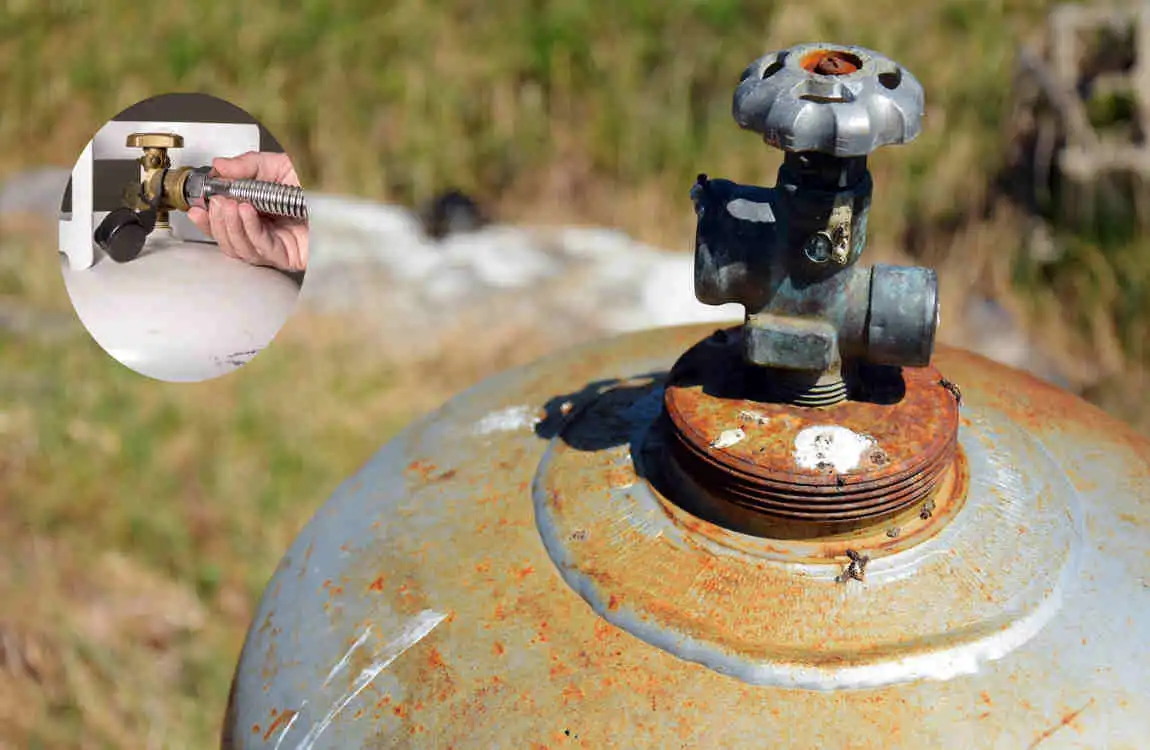
If you notice frost, ice, or a white dusty buildup around a line or connection, that may be a clue that gas is escaping. The escaping gas can cool the area around the leak, creating that frosty look.

Dead or damaged plants

If a propane leak happens outside near a tank or buried line, nearby grass or plants may die or turn brown. This happens because the leak can affect the surrounding area.

Trouble with pilot lights or appliances

A leaking or poorly working propane system may cause appliances to behave strangely. You may notice:

  • Pilot lights going out
  • Burners that will not light
  • Weak flames
  • Soot buildup
  • Poor heating performance
  • Higher than normal gas use

These may seem like small annoyances, but together they can point to a bigger issue.

Bubbles in water

If a leak is present near a soapy water test, bubbles may form around a joint or connection. This is one of the reasons professionals use soapy water to check suspected leak points.

Unusual air movement or dust

Some people notice a slight dust cloud or air disturbance when a gas leak is active. That is less common, but it can happen near a stronger leak.

A heavy smell near the floor

Because propane sinks, the smell may seem stronger at ground level. That is one of the most important details to remember when you are checking a room.

How to Detect Propane Leaks Fast

what does propane smell like in a house

If you are worried about what propane smells like in a house, the next step is to learn how to check for a leak safely. You do not need fancy training to spot some warning signs, but you do need to be careful.

Start with your nose

Your nose is often the first tool. But use it wisely.

Check the common areas

Look, listen, and smell near:

  • Stoves and ovens
  • Furnaces
  • Water heaters
  • Fireplaces
  • Dryers
  • Outdoor tanks
  • Regulators and valves
  • Flexible gas lines

Notice where the smell is strongest

Try to figure out whether the smell is stronger in one room, near a floor vent, around a basement, or outside by the tank. That can help you narrow down the source.

Do not keep testing if the smell is strong

If the odor is obvious, stop investigating and move to safety steps instead. A strong leak is not something to “test” with more time indoors.

Use your senses carefully

You can also listen for hissing and look for other visible signs, but do not put yourself at risk by getting too close to a suspected leak point.

Ventilation matters

If you suspect a leak and the smell is faint, opening doors and windows may help dilute the gas in the air. But ventilation alone does not fix the problem. It only helps lower the risk while you leave the area and get help.

Install the right detector

A propane detector is one of the best tools for home propane safety. It is not the same as a carbon monoxide alarm. CO alarms detect carbon monoxide, not propane.

Best placement for detectors

Propane is heavier than air, so detectors should usually be installed low to the floor, near appliances or in areas where gas may collect.

Fixed vs. portable detectors

A fixed detector continuously monitors the space. A portable detector is useful for manual checks. Some smart models can send alerts to your phone.

Here is a simple comparison:

Detector Type Placement Price Range Pros

Fixed Low, near appliances $50–$150 Continuous monitoring

Portable Manual checks $20–$100 Useful for spot testing

Smart Connected to an app $100+ Remote alerts and easier tracking

Know when a professional is needed

If you smell propane and the odor does not go away, or if you notice more than one sign at once, call a professional. If the smell is strong, get everyone out first and call from outside.

Practical Sniff-Test Steps for Homeowners

If you want a simple routine, here is a safe way to stay alert without overcomplicating things.

Walk through your home regularly

Once in a while, take a slow walk through the kitchen, basement, laundry room, and any area with propane appliances. Pay attention to odd smells and unusual sounds.

Check around appliances

Stand near your stove, furnace, water heater, or other propane-powered equipment and notice whether the odor seems normal or strange.

Smell near low areas too

Because propane settles low, do not forget to check lower areas, such as floor-level vents, basements, crawl spaces, and utility closets.

Compare what you smell with normal household odors

Sometimes people confuse propane odor with:

  • Rotten food
  • Sewer smell
  • Cleaning chemicals
  • Musty basement smells
  • Garbage odors

The difference is that propane smells sharper, more sudden, and more chemical-like.

Never use a flame to check a leak

This is extremely important. Do not use a match, lighter, candle, or stove flame to “see” if gas is present. That is dangerous and can ignite the gas.

What to Do If You Smell Propane in the House

This is the part you need to remember most clearly. If you truly think you are smelling propane, act fast and stay calm.

Avoid anything that could make a spark

Do not:

  • Turn lights on or off
  • Use switches or outlets
  • Start a car in an attached garage
  • Use phones inside the suspected area
  • Light candles or matches
  • Turn on fans or appliances if you can avoid it

A tiny spark can be enough to create danger.

Leave the area right away

Get everyone out of the home. Make sure children and pets go too. If the smell is strong, do not waste time trying to find the exact source.

Shut off propane only if it is safe and accessible

If you know how to turn off the tank outside and you can do it safely without going back through a risky area, you may shut it off. If not, leave that to the professionals.

Warn others nearby

If it is safe to do so, let neighbors know there may be a gas issue. If the leak is significant, gas can spread or create danger beyond one home.

Call emergency services or your propane supplier from outside

Make the call after you are out of the building and away from danger. Use a safe location outdoors.

Do not go back inside

Wait until trained professionals say it is safe. Even if the smell fades, the problem may persist.

What to expect afterward

Once the area is safe, the system may need:

  • A full inspection
  • Leak testing
  • Repair or replacement of damaged parts
  • Ventilation
  • A safety check before use resumes

Possible health effects

If someone was exposed to a strong leak, they might feel:

  • Headache
  • Dizziness
  • Nausea
  • Weakness
  • Confusion

If symptoms are severe, get medical help right away.

Why Propane Sinks and Why That Matters

One of the most important facts in home propane safety is that propane is heavier than air. That means it does not rise and disappear as quickly as some people expect.

It collects in low places

If a leak happens indoors, propane can gather near:

  • Floors
  • Basements
  • Crawl spaces
  • Low cabinets
  • Floor vents
  • Depressed areas in the home

This is why the smell may seem strongest closer to the ground.

It can spread quietly

Because propane can settle in hidden low spaces, you may not notice the danger right away. That is why even a faint odor should be taken seriously.

It affects detector placement

Since propane settles to the bottom, detectors need to be placed where the gas is likely to collect. A detector placed too high may miss the warning.

It changes how you respond

When you know propane sinks, you understand why a leak can be more dangerous than it first appears. The gas may not just disappear into the air. It may pool where people do not expect it.

How to Tell Propane Apart from Other Common Home Smells

Sometimes what seems like a propane issue may actually be something else. But because safety is the priority, you should always act cautiously when you are unsure.

Propane smell vs. rotten food

Spoiled food can smell bad, but the smell usually stays localized to the kitchen or trash area. Propane often has a sharper chemical edge.

Propane smell vs. sewer gas

Sewer odors can also smell sulfur-like, which is confusing. The difference is that propane may be more sudden and may come from appliance areas or low spaces.

Propane smell vs. natural gas

Natural gas is also odorized and can smell like rotten eggs. The safety response is similar: treat it seriously and leave the area.

Propane smell vs. cleaning chemicals

Some cleaning products have harsh odors that may seem chemical. But if the smell is present near gas appliances or outside tanks, do not assume it is only a cleaner.

Prevention and Maintenance Tips That Make a Big Difference

what does propane smell like in a house

A lot of propane safety comes down to simple habits. You do not need to be an expert to reduce risk. You just need to stay consistent.

Have your system checked regularly

Schedule annual inspections for tanks, regulators, appliances, and lines. A trained technician can catch issues that most homeowners would miss.

Keep vents and appliance areas clear

Do not block vents, and keep the area around propane equipment clean and open. Good airflow helps reduce problems and makes leaks easier to notice.

Inspect hoses and connections

Look for wear, cracking, rust, loose fittings, or damage. Small issues can grow into bigger ones if ignored.

Teach everyone in the home

Make sure family members know:

  • What propane smells like
  • What to do if they notice it
  • Where the shutoff is, if applicable
  • Why they should never use switches or flames during a suspected leak

Use detectors correctly

Install the appropriate detectors and test them regularly. Replace batteries if needed and replace old units according to the manufacturer’s instructions.

Stay alert after appliance work

If a new appliance is installed or an old one is repaired, pay close attention afterward. It is smart to notice any new odor right away.

A Simple Home Propane Safety Checklist

Use this quick list to stay prepared:

  • Know the smell: rotten eggs, sulfur, skunk, or garlic-like odor
  • Know the signs: hissing, frost, poor appliance performance, dead plants
  • Know where to check: kitchen, basement, utility room, tank area
  • Know what to do: leave, avoid sparks, call for help
  • Know how to prevent problems: inspections, detectors, maintenance, family awareness

This checklist is not complicated, but it can make a real difference when time matters.

FAQs

What does propane smell like in a house?

It usually smells like rotten eggs, sulfur, skunk, or garlic because an odorant is added for safety.

Can a faint propane smell still be dangerous?

Yes. Any unusual propane smell indoors should be taken seriously, even if it seems light.

Can a carbon monoxide detector detect propane?

No. A CO detector does not detect propane. You need a propane detector for that job.

Should I use a lighter to check for a leak?

Absolutely not. Never use a flame to test for gas.

What should I do first if I smell propane?

Leave the area immediately, avoid switches or sparks, and call for help from outside.

You may also like...

Leave a Reply

Your email address will not be published. Required fields are marked *