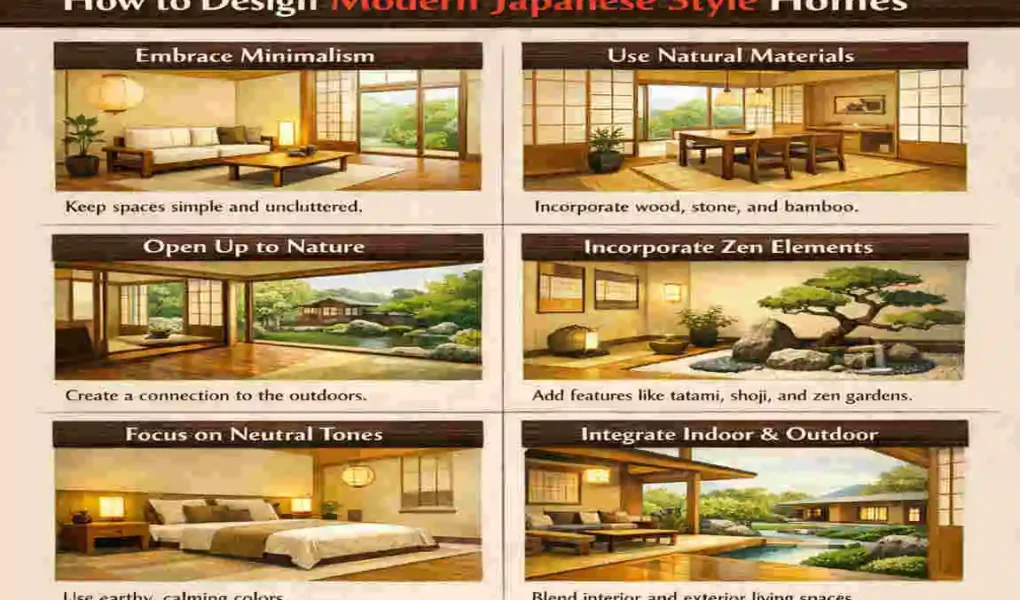
Modern Japanese-style homes have become a favourite around the world because they feel calm, clean, and deeply connected to nature. In a time when many people want less noise, less clutter, and more balance, this style offers exactly that. It blends simple beauty, smart function, and natural warmth in a way that feels both peaceful and practical.
What makes modern Japanese-style homes so appealing is that they do not try too hard. They focus on the essentials. They use light, open space, natural textures, and thoughtful design choices to create homes that feel quiet but never empty. Every part of the home has a purpose, and that is one reason people find this style so timeless.
What Are Modern Japanese Style Homes?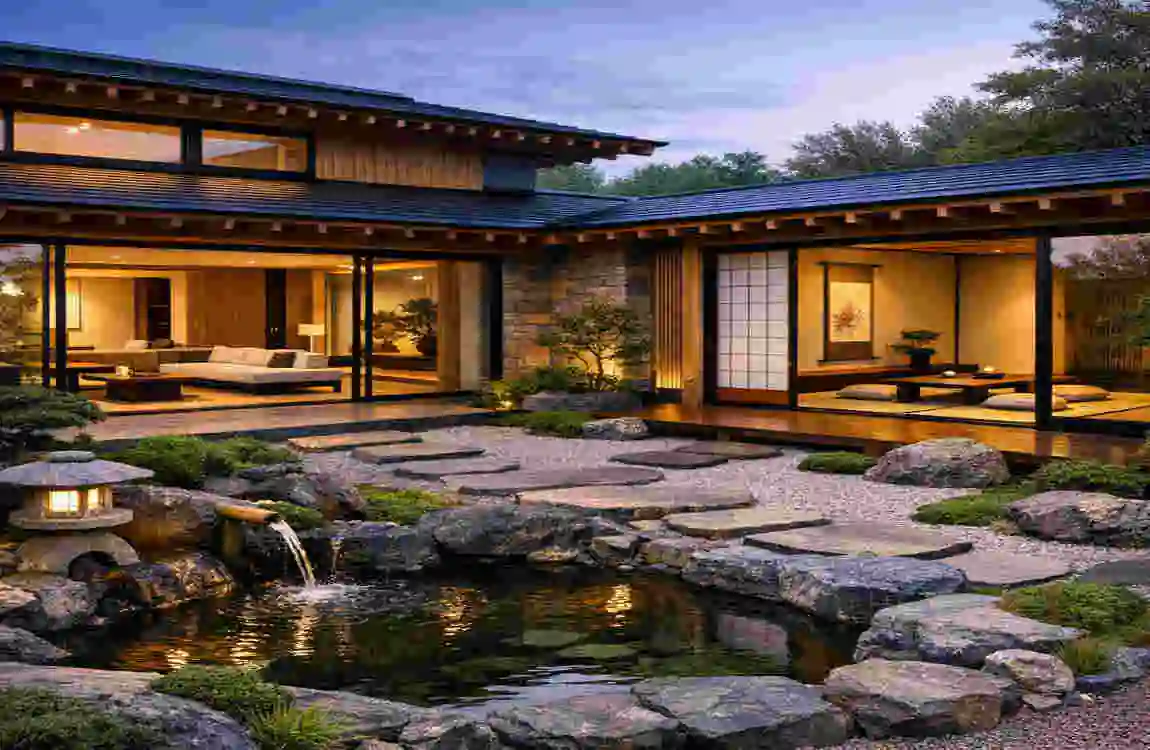
Modern Japanese-style homes combine traditional Japanese design principles with today’s building needs. They preserve the spirit of old Japanese architecture while adapting it for modern living. That means you get the calm, natural feeling of a Japanese minimalist home while still enjoying comfort, technology, and efficient use of space.
The Origins of Japanese Architecture
Japanese architecture has always been shaped by nature, climate, and simplicity. Traditional homes were often designed with wood, paper-like screens, sliding doors, and open spaces that could change as needed. This made sense in a culture that values seasonal living, balance, and harmony.
The design also reflects deep respect for nature. Instead of fighting against the environment, traditional Japanese architecture often works with it. Homes are built to let in fresh air, natural light, and views of gardens or courtyards. Even the smallest details, such as the placement of a door or the choice of material, are made with care.
Modern homes keep many of these ideas alive. They may use stronger building materials or more advanced technology, but the heart of the design remains the same. The goal is still to create a home that feels peaceful, useful, and connected to its surroundings.
Defining Characteristics of Modern Japanese Homes
A modern Japanese architectural approach usually includes clean lines, open layouts, natural materials, and a strong focus on function. These homes avoid heavy decoration and instead rely on shape, light, texture, and balance.
You will often see large windows, sliding panels, wood finishes, and neutral colours. Rooms are planned carefully so they feel open yet comfortable. Many homes also use built-in storage to reduce clutter and keep the space visually calm.
Another important feature is flexibility. A room may serve as a living area during the day and a quiet resting space at night. This kind of smart layout is one reason people love Japanese-style house plans. They make the most of every square foot without making the home feel crowded.
Core Design Principles of Modern Japanese Style Homes
The strength of modern Japanese-style homes lies in their simple yet powerful design principles. These ideas shape everything from the layout of the rooms to the materials on the walls.
Minimalism Over Excess
Minimalism is one of the most recognisable parts of this style. But minimalism does not mean cold or empty. It means choosing only what is useful, beautiful, or meaningful.
In a Japanese minimalist home, every object should have a reason for being there. This helps the home feel peaceful and organised. Instead of filling shelves and walls with too many items, the design gives the room itself space.
To keep this approach working well, focus on these ideas:
- Keep surfaces clear and open
- Choose furniture with simple shapes
- Use storage to hide everyday clutter
- Add only a few decorative pieces that truly matter
- Let light, texture, and natural materials do the visual work
This kind of design can make even a small room feel larger and calmer.
Harmony With Nature
Nature is at the heart of Japanese design. A home should feel like part of its environment, not separate from it. This is why so many homes feature wood, stone, plants, and outdoor views.
Large windows, garden views, and indoor-outdoor transitions help create this connection. Even when the weather changes, the home still feels linked to the seasons. A warm wood floor in winter or soft daylight in spring can change the way a room feels without any major redesign.
This relationship with nature also supports well-being. When a home feels open to daylight and fresh air, people often feel more relaxed. That is one reason Zen home design continues to inspire modern homeowners.
Functionality and Flexibility
A beautiful home should also be useful. In Japanese design, function is never forgotten. Rooms are planned to serve more than one purpose.
This is especially helpful in smaller homes, where space matters. A dining area may also work as a study. A tatami room can be converted into a guest room. A hallway may include hidden storage.
Flexible design is one reason modern Japanese living rooms feel so practical. The room can stay open and simple during the day, then become warm and restful in the evening. This makes the home easier to live in and easier to maintain.
Balance and Symmetry
Japanese design often seeks visual balance. That does not always mean perfect symmetry. It means creating a sense of calm in which no single area feels too crowded, too heavy, or too busy.
Balance can come from the placement of furniture, the use of matching materials, or the way natural light enters a room. A soft textile can balance a wooden beam. A low, grounded piece of furniture can balance a large wall opening.
This quiet sense of order is one of the reasons the style feels soothing. It gives the eye a place to rest.
Architectural Features of Modern Japanese Style Homes
The architecture of a modern Japanese home plays a huge role in its overall feel. The structure itself often carries the design, not just the décor.
Open Floor Plans
Open floor plans are common because they make homes feel larger and more connected. They also allow natural light to move easily through the space.
When walls are reduced, the home feels less boxed in. Living, dining, and kitchen spaces can flow together, which supports a more social and flexible lifestyle. This is especially useful in smaller homes where every square meter matters.
An open layout also makes it easier to keep the design simple. With fewer barriers, the home can feel like one calm, continuous space instead of several disconnected rooms.
Large Windows and Glass Walls
Large windows are among the most beautiful features of this style. They bring the outdoors into the home and help connect the living space to gardens, trees, or courtyards.
Glass walls can make a room feel brighter and more open. They also reduce the need for artificial lighting during the day, which can help with energy use. When placed well, windows can frame the landscape almost like artwork.
In a contemporary Japanese house, windows are not only practical. They are part of the design story. They allow light, scenery, and seasonal changes to become part of everyday life.
Natural Wood Elements
Wood is one of the most important materials in Japanese-inspired homes. It adds warmth, softness, and a sense of authenticity. Cedar, oak, and bamboo are often used for floors, ceilings, trim, and furniture.
Exposed wooden beams can add character without making the space feel heavy. Light wood finishes can help a room feel airy, while darker tones can add depth and richness. The key is to keep the look clean and natural.
Wood also helps balance modern features like glass and concrete. Without it, a home can feel too cold. With it, the design feels human and inviting.
Low-Pitched Roofs and Simple Exteriors
The outside of the home is usually calm and simple. Rooflines are often low and clean, and the façade avoids excessive decoration. This gives the home a quiet, elegant look.
A simple exterior can make the whole house feel more grounded. It also helps the interior remain the focus. Rather than showing off from the outside, the home suggests its beauty through balance and restraint.
Modern roof styles may use flat lines or gentle slopes. Either way, the design tends to stay modest and uncluttered.
Sliding Doors and Room Dividers
Sliding doors are a classic feature in Japanese homes, and they remain useful today. They save space because they do not swing outward. They also allow rooms to open and close as needed.
Shoji-inspired panels are often used as room dividers. These can filter light softly and beautifully. They help separate spaces without completely blocking them.
This is one reason a Japanese minimalist home feels so smart. The rooms can adapt to the moment without losing the overall sense of flow.
Choosing the Right Materials
Materials shape the mood of the home. In Japanese-inspired design, the goal is to use materials that feel natural, long-lasting, and calm.
Wood as the Primary Material
Wood brings warmth and texture to the home. It is often the most important material in this design style because it creates a direct connection to nature.
It can be used for flooring, wall panels, cabinetry, ceilings, and furniture. A home with too much hard material can feel cold. Wood softens the look and adds life.
It also works beautifully with neutral colours, which is why it appears so often in Japanese-inspired interior design.
Stone and Concrete Accents
Stone and concrete can help create a modern look. They give the home strength and a sense of quiet luxury. When used carefully, they do not overpower the softer elements.
Concrete floors or stone accent walls can balance the warmth of wood. They are also durable, which makes them practical for busy households. The key is to use them with restraint so that the home still feels natural rather than industrial.
Natural Textiles
Textiles matter more than many people realise. Linen, cotton, and wool bring softness to a room and make it feel lived in.
These materials work well for curtains, cushions, bedding, and throws. They usually have a gentle texture that fits beautifully with the overall style. Keep patterns simple and colours soft so they do not distract from the room’s calm feeling.
Sustainable Material Choices
Sustainability is becoming more important in modern home design. Many homeowners now want materials that are responsibly sourced and long-lasting.
This fits well with Japanese design values. A home that is built carefully, with materials chosen for durability and efficiency, tends to age well. It also reduces waste over time.
Here is a simple comparison of common material choices:
MaterialMain BenefitBest Use
Wood Warmth and natural beauty Floors, ceilings, furniture
Stone Strength and a grounded feel Walls, bathrooms, outdoor spaces
Concrete Modern look and durability Floors, counters, structural accents
Linen Soft, relaxed texture Curtains, bedding, cushions
Bamboo Lightness and sustainability Flooring, screens, décor details
These materials work best when they support each other rather than compete for attention.
Interior Design Ideas for Modern Japanese Style Homes
The interior is where the style truly comes alive. A good layout, soft light, and simple furniture can make a home feel peaceful right away.
Neutral Colour Palettes
Colour plays a major role in the mood of the home. Japanese-inspired spaces usually rely on soft, natural tones such as beige, white, grey, and earth tones.
These shades help create a feeling of calm. They also make the room easier to decorate because they do not fight with the furniture or architecture. The space can breathe.
A neutral palette does not have to feel boring. You can use different textures and shades to make it richer. For example, warm white walls, pale wood floors, and grey fabric chairs can create a layered look that still feels simple.
Low-Profile Furniture
Low-profile furniture is a signature element of this style. Pieces often sit closer to the ground, which helps the room feel stable and open.
Floor seating, platform beds, and short tables all support this look. They can make a room feel more relaxed and less formal. They also help the ceiling feel higher because the eye has more open space above the furniture.
Choose furniture with clean shapes and minimal ornamentation. Avoid bulky pieces that dominate the room. Instead, select items that feel light, useful, and balanced.
Decluttered Living Spaces
A calm room is hard to achieve when it is crowded with objects. That is why decluttering is essential in Japanese-style interiors.
Everyday items should have a place. Closed storage, built-in cabinets, and simple shelving can help keep the room neat. Decorative items should be few but meaningful.
A decluttered space does not have to feel empty. It should feel intentional. The goal is to let the architecture, light, and materials speak clearly.
Japanese-Inspired Lighting
Lighting can completely change the atmosphere of a room. In this style, lighting is usually soft, warm, and layered.
Paper lanterns are a classic choice because they gently spread light. They avoid harsh shadows and create a calm mood. Soft ambient lighting also works well in living rooms and bedrooms.
Natural daylight should be used as much as possible. The more the home can rely on sunlight during the day, the more peaceful it will feel. Sheer curtains or sliding panels can help control the light without blocking it.
Incorporating Traditional Elements
You do not need to build a fully traditional home to enjoy Japanese design. Small details can make a big difference.
Tatami mats can be used in special rooms or meditation spaces. Shoji screens can add texture and soften light. A tokonoma display area can become a quiet place for a single vase, artwork, or meaningful object.
These touches connect the home to tradition without making it feel old-fashioned. They help create a Japanese home décor style that feels thoughtful and personal.
Creating a Strong Indoor-Outdoor Connection
One of the most beautiful parts of modern Japanese design is how it blurs the line between inside and outside. This connection makes the home feel bigger, fresher, and more alive.
Courtyard Concepts
Courtyards are a wonderful way to bring nature into the centre of the home. Even a small one can change the mood of the entire layout.
A courtyard gives you a private outdoor retreat that feels protected and peaceful. It can include a small tree, a seating area, gravel, or a few plants. Because the house surrounds it, it becomes a quiet place to pause.
Zen Gardens
Zen gardens are often simple, but that is what makes them powerful. They usually include gravel, stones, sand, and carefully placed plants.
The design should feel balanced and easy to maintain. You do not need many elements. In fact, fewer elements often create a stronger effect.
To keep a Zen garden looking good, regular raking, trimming, and cleaning help maintain the sense of order. The space should feel calm, not overgrown.
Wooden Decks and Verandas
A wooden deck or veranda can extend the living area into the outdoor space. This makes the home feel open and welcoming.
These spaces are perfect for morning tea, quiet reading, or a small gathering. They also create a smooth transition between the house and the garden. When the flooring or wood tone matches the interior, the entire property feels connected.
Natural Landscaping
Landscaping should support the same sense of calm as the house. Native plants, simple stone pathways, and small water features can all help.
The idea is not to create a busy garden. It is to create a balanced one. Every plant or stone should feel like it belongs.
This approach aligns with the broader spirit of Zen home design. It makes the outdoors feel like an extension of the interior, not a separate world.
Smart Technology in Modern Japanese Homes
A modern home should feel comfortable and efficient. Technology can help with that, as long as it does not disturb the calm design.
Energy-Efficient Systems
Energy efficiency is a natural fit for this style. Solar power, smart thermostats, and efficient insulation can reduce energy use while supporting a more sustainable home.
These features are often invisible, which is a good thing in this kind of design. The home stays beautiful and simple while still working hard behind the scenes.
Automated Home Features
Smart lighting, security systems, and temperature controls can make daily life easier. These features are especially useful in a contemporary Japanese house because they support comfort without adding visual clutter.
For example, lighting can be programmed to shift throughout the day. Security can be monitored from a phone. Heating and cooling can be adjusted based on use. All of this helps the home feel more responsive.
Sustainable Living Solutions
Water-saving fixtures, low-energy appliances, and green building practices all fit well with Japanese-inspired values.
These choices are practical and thoughtful. They reduce waste and support a healthier way of living. In a home where simplicity matters, sustainability feels like a natural extension of the design.
Common Mistakes to Avoid When Designing Modern Japanese Style Homes
Even a beautiful style can lose its effect if the details are handled poorly. The good news is that most mistakes are easy to avoid.
Overdecorating the Space
One of the most common mistakes is adding too many decorative items. This can quickly remove the peaceful feeling that makes the style work.
A room should not feel packed. Keep décor simple and meaningful. A few well-chosen objects will always work better than many random ones.
Ignoring Natural Light
Natural light is a major part of the design. If the home is too dark, it can lose its sense of calm and openness.
Plan windows carefully. Use light curtains and avoid blocking openings with heavy furniture. Let the sunlight become part of the interior design.
Choosing the Wrong Materials
Not every modern material fits this style. Very shiny, loud, or overly decorative finishes can clash with the calm atmosphere.
Choose materials that feel natural and balanced. Wood, stone, linen, and matte surfaces are usually safer choices than overly glossy or busy ones.
Mixing Too Many Design Styles
It can be tempting to combine Japanese design with every other trend you like. But too much mixing can weaken the overall result.
Stick to a clear direction. A few contemporary touches are fine, but the home should still feel unified. The best modern Japanese-style homes maintain a consistent visual language from room to room.
Neglecting Functionality
A space can look beautiful and still fail in daily life if it is not practical. Make sure the home supports how you actually live.
Think about storage, movement, and everyday routines. A peaceful home is easier to enjoy when it also works smoothly.
Budgeting for a Modern Japanese Style Home
Building or renovating in this style can be done at different budget levels. The key is to know where your money goes and where you can simplify.
Cost Factors to Consider
Several things affect the total cost, including construction materials, labour, and custom features. Large windows, built-in storage, and high-quality wood can increase the price.
If you are creating a Japanese-style house plan project from scratch, it is smart to plan early for these costs. Careful planning can prevent surprises later.
Affordable Design Alternatives
You do not need a huge budget to capture the style. Budget-friendly materials that resemble natural finishes can work well. Simple furniture, soft lighting, and uncluttered layouts are often more important than expensive features.
DIY décor can also help. A few handmade items, a simple wood shelf, or a carefully arranged corner can add character without much cost.
Long-Term Value and Benefits
Modern Japanese homes often save money over time because they are efficient, durable, and easy to maintain. Good insulation, smart lighting, and thoughtful layouts can reduce waste.
They also tend to have strong visual appeal, which can help with long-term property value. A home that feels calm and timeless usually stays attractive for many years.
Future Trends in Modern Japanese Style Homes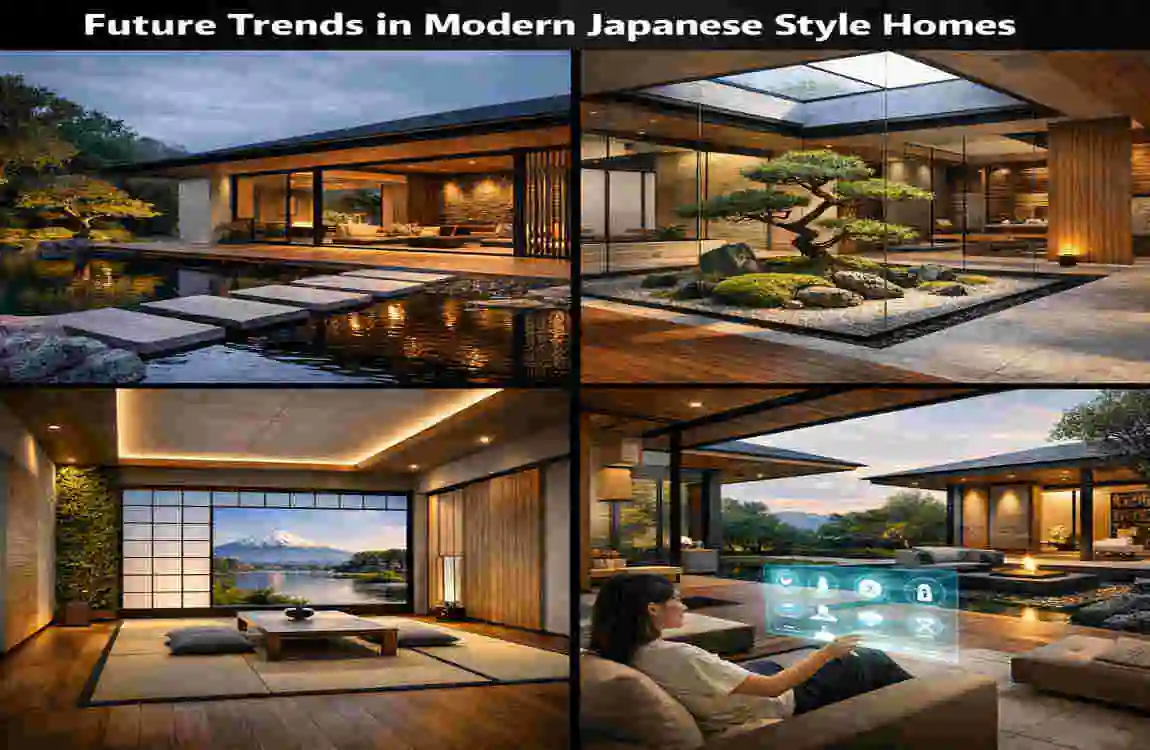
This design style continues to evolve, but its core values remain strong. The future looks especially promising because the style already matches many current needs.
Sustainable Architecture
More homeowners want homes that are efficient and environmentally thoughtful. That means better materials, better insulation, and smarter energy use.
Japanese design already supports these goals because it values simplicity, durability, and respect for resources.
Smart Home Integration
Technology will continue to become more seamless. The best smart features will be the ones you barely notice.
That fits perfectly with this style. If technology can make the home more comfortable without adding clutter, it will naturally belong here.
Biophilic Design Elements
Biophilic design focuses on the connection between people and nature. This includes natural light, plants, wood textures, and views outside.
Because Japanese-inspired design already values nature so highly, it is likely to stay influential in this area.
Compact Urban Living Solutions
As cities grow denser, many people need homes that make the most of limited space. Japanese design is especially good at this.
Flexible rooms, built-in storage, and efficient layouts are ideal for small homes and apartments. That is why the style remains useful in both large and small settings.
FAQ Section
What makes modern Japanese-style homes unique?
Modern Japanese-style homes are unique because they combine simplicity, natural materials, and practical layouts. They focus on calm living, clean lines, and a close connection to nature.
Are modern Japanese homes suitable for small spaces?
Yes, they are one of the best styles for small spaces. The use of open layouts, smart storage, and flexible rooms makes them highly efficient.
What colours are commonly used in Japanese interior design?
Common colours include white, beige, grey, soft brown, and earthy tones. These shades help create a calm and balanced mood.
How do I create a Japanese-inspired living room?
Start with a neutral colour palette, low-profile furniture, simple décor, and soft lighting. Add natural textures like wood and linen, and keep the room uncluttered.
Are Japanese-style homes energy efficient?
They can be very energy efficient, especially when designed with good insulation, natural light, smart systems, and sustainable materials.
What materials are most commonly used in modern Japanese homes?
Wood, stone, concrete, linen, cotton, and bamboo are among the most common materials. These help create warmth, durability, and a natural look.
Can modern Japanese design work with contemporary architecture?
Yes, it works very well. In fact, many contemporary Japanese house designs combine modern construction methods with Japanese-inspired simplicity and balance.
| Design Element | How to Apply in a Post Modern Home |
|---|---|
| Color Palette | Use bold primary colors (red, blue, yellow) plus retro shades like mustard, avocado, burnt orange, turquoise, and metallic tones |
| Walls & Background | Start with neutral walls, then add vibrant wallpaper or paint as accent; pop of color against minimal backdrop |
| Shapes & Lines | Embrace asymmetry, odd angles, ambiguous shapes; replace straight lines with curved, sculptural forms |
| Furniture Style | Choose pieces that prioritize form over function; look for playful, curved, geometric designs (e.g., curved yellow chair) |
| Materials & Textures | Layer lush materials: velvet, fur, brass, colored glass; use salvaged/distressed materials for urban feel |
| Patterns | Pair graphic patterns with vibrant colors; mix playful patterns with vintage/art |