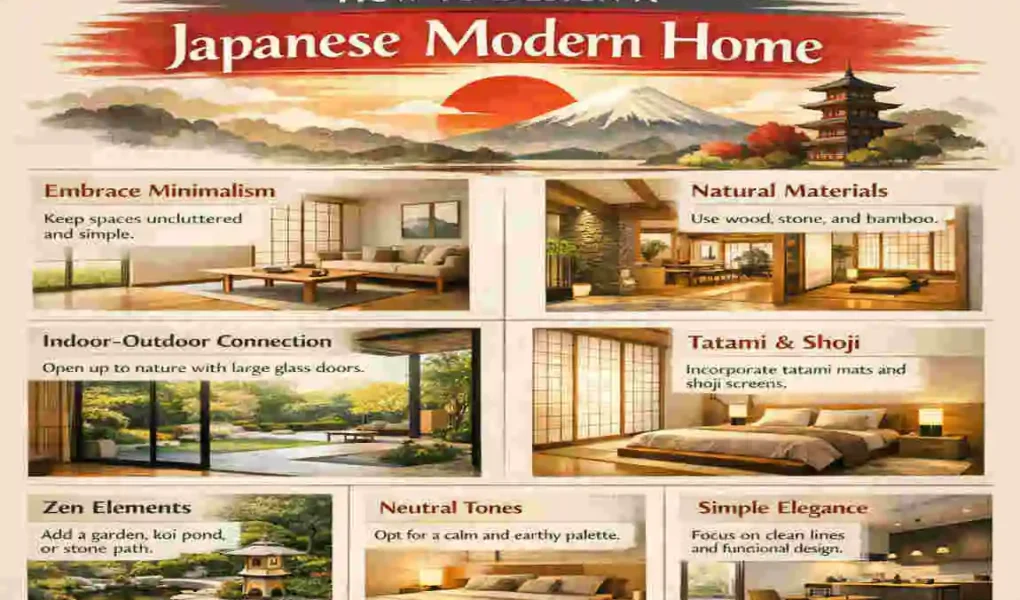
A Japanese modern home is loved for a simple reason: it feels calm, clean, and practical. It blends traditional Japanese style with modern comfort, giving you a home that looks beautiful without feeling crowded or complicated.
This design style emphasises simplicity, natural materials, open spaces, and a strong connection to nature. If you want a home that feels peaceful but still works for everyday life, this style is a great choice.
What Is a Japanese Modern Home?
Definition and Core Concept
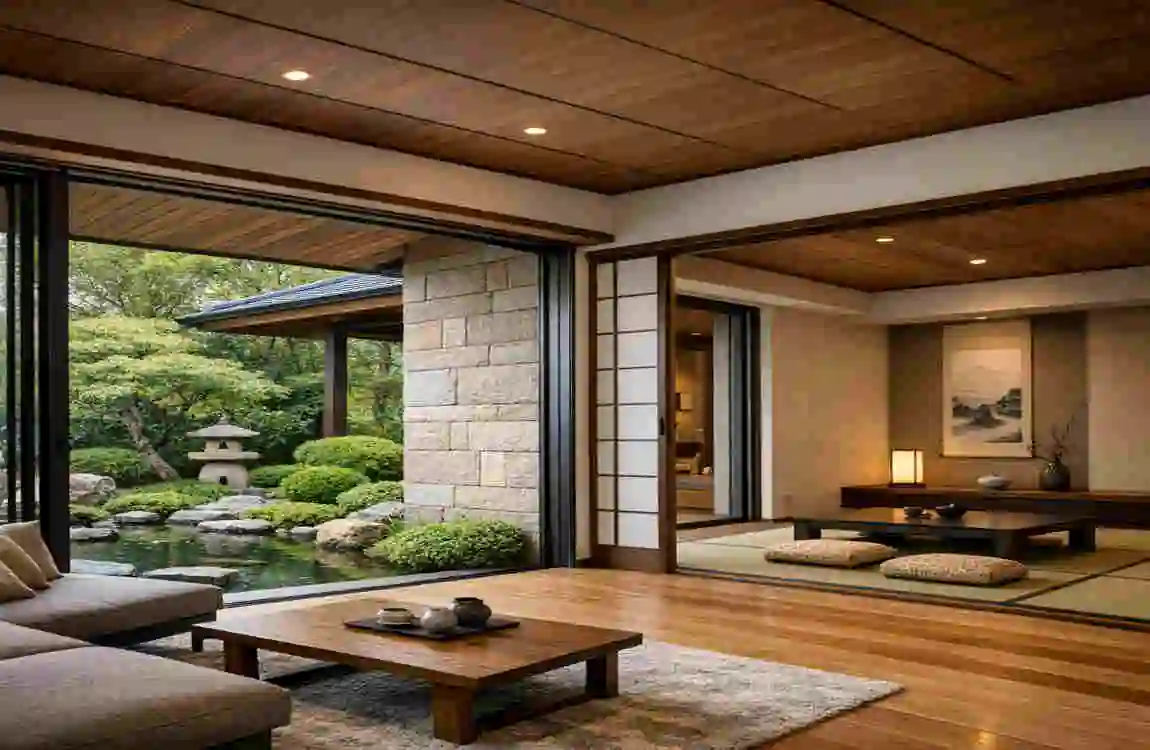
A Japanese modern home combines the clean beauty of traditional Japanese design with today’s modern living needs. The goal is to create a home that feels balanced, functional, and uncluttered.
Instead of filling every corner with furniture or décor, this style gives space to air, light, and movement. That is what makes it feel so peaceful.
Key Characteristics
Some of the most common features are:
- Clean lines
- Natural materials
- Open layouts
- Soft, neutral colors
- A strong connection to nature
These details work together to create a calm and timeless home.
Why Homeowners Love This Style
Many people love this style because it feels simple yet elegant. It also helps reduce visual stress. When a home is neat and well-planned, daily life feels easier.
It is also a smart choice for smaller homes because it makes spaces look larger and more open.
The History Behind Japanese Modern Home Design
Traditional Japanese Architecture
Japanese design has deep roots in ancient homes, tea houses, and wooden structures. These spaces were built with care, craftsmanship, and respect for nature.
The traditional style valued simplicity, natural light, and open flow, which still influence modern homes today.
Modern Architectural Influences
As Japan embraced modern architecture, designers began combining Western ideas with traditional Japanese principles. This created homes that were more flexible, more efficient, and better suited to modern lifestyles.
The result is the Japanese modern home we know today.
Global Popularity Today
Today, this style is popular worldwide because many people want homes that feel calm, practical, and clutter-free. It has also influenced modern architecture in many countries.
Essential Design Principles of a Japanese Modern Home
Simplicity and Minimalism
The heart of this style is less is more. Every object should have a purpose. Avoid unnecessary décor and bulky furniture.
A simple space feels more open and more peaceful.
Balance and Harmony
A Japanese modern home should feel visually balanced. That means the room should not feel too heavy on one side or too crowded in one area.
Think about proportion, spacing, and flow. These small details make a big difference.
Natural Light
Natural light is very important. Large windows, glass doors, and open layouts help sunlight move through the home.
Light makes the space feel warmer, brighter, and more alive.
Connection to Nature
This design style often brings the outdoors in. You may see indoor plants, garden views, wooden finishes, and outdoor sitting areas.
Nature is not just decoration here — it is part of the home experience.
Functional Living Spaces
Rooms should be useful and flexible. A living area may also work as a reading corner or a quiet space for tea.
This is one reason the style works so well in both large and small homes.
Choosing the Right Layout for a Japanese Modern Home
Open Floor Plans
Open layouts help the home feel spacious and easy to move through. The kitchen, dining area, and living room often connect smoothly.
This creates better flow and a more relaxed feel.
Flexible Room Design
Japanese modern homes often use sliding doors or movable partitions. These let you change the room based on your needs.
You can open a space for family time or close it off for privacy.
Indoor-Outdoor Integration
A courtyard, small garden, or patio can make the home feel more connected to nature. This is one of the most beautiful parts of the style.
Even a small outdoor area can make a big difference.
Privacy Considerations
Even with open layouts, privacy still matters. Use smart zoning so quiet areas like bedrooms feel separate from busy spaces.
A balanced layout gives you both openness and comfort.
Materials Commonly Used in Japanese Modern Homes
Natural Wood
Wood is one of the most important materials in this style. It adds warmth, texture, and a natural feel.
Popular choices often include light-toned woods that keep the home looking bright and calm.
Stone Elements
Stone can be used in flooring, walls, or accent areas. It adds strength and a grounded, elegant look.
Glass and Modern Finishes
Glass helps bring in light and makes the home feel open. Modern finishes can also be used, but they should stay simple and clean.
Sustainable Materials
Eco-friendly materials are a smart choice for this design style. They support a healthier home and often last longer.
MaterialBest UseMain Benefit
Wood Floors, walls, furniture Warmth and natural beauty
Stone Accents, floors, garden areas Durability and elegance
Glass Windows, doors, partitions Light and openness
Bamboo Décor, screens, furniture Eco-friendly and lightweight
Interior Design Ideas for a Japanese Modern Home
Neutral Colour Palettes
Use soft colours such as white, beige, grey, and brown, as well as muted earth tones. These shades create a peaceful background and keep the room from feeling busy.
Minimalist Furniture
Choose furniture that is low, simple, and useful. Avoid oversized pieces that take up too much space.
A few well-chosen items often look better than many unnecessary ones.
Decluttered Spaces
Storage is very important in this style. Hidden cabinets, built-in shelves, and simple organisers help keep the home neat.
A clear room feels calm and easy to enjoy.
Natural Textures
Mix textures like wood, linen, bamboo, and stone. This keeps the space interesting without making it feel crowded.
Statement Design Elements
You do not need many bold features, but one or two special touches can make the space memorable. A handmade vase, a textured wall, or a beautiful light fixture can work well.
Creating a Japanese-Inspired Outdoor Space
Zen Gardens
A Zen garden uses simple shapes, stones, and clean lines. It creates a quiet place for rest and reflection.
Water Features
A small fountain or pond can add softness and movement to the garden. The sound of water also helps create a peaceful mood.
Native Plants and Landscaping
Choose plants that are easy to maintain and fit the local climate. This keeps the garden beautiful without too much work.
Outdoor Seating Areas
A small bench, wooden chair, or low outdoor table can turn the garden into a relaxing part of daily life.
Smart Technology in a Japanese Modern Home
Energy-Efficient Systems
Smart lighting and climate control can make the home more comfortable and more efficient.
Automated Home Features
Technology should feel useful, not distracting. Keep devices hidden or simple to keep the space visually clean.
Sustainable Living Solutions
Solar energy and water-saving systems fit well with this design because they support a thoughtful, efficient lifestyle.
Common Mistakes to Avoid
Overdecorating Spaces
One of the biggest mistakes is adding too many objects. The style works best when the space stays simple.
Ignoring Natural Light
If you block light, the home can lose its open and peaceful feeling.
Mixing Too Many Styles
Try to keep the design consistent. Too many different styles can make the home feel confused.
Choosing Too Many Synthetic Materials
Natural materials are a key part of the look and feel. Using too many artificial surfaces can weaken the design.
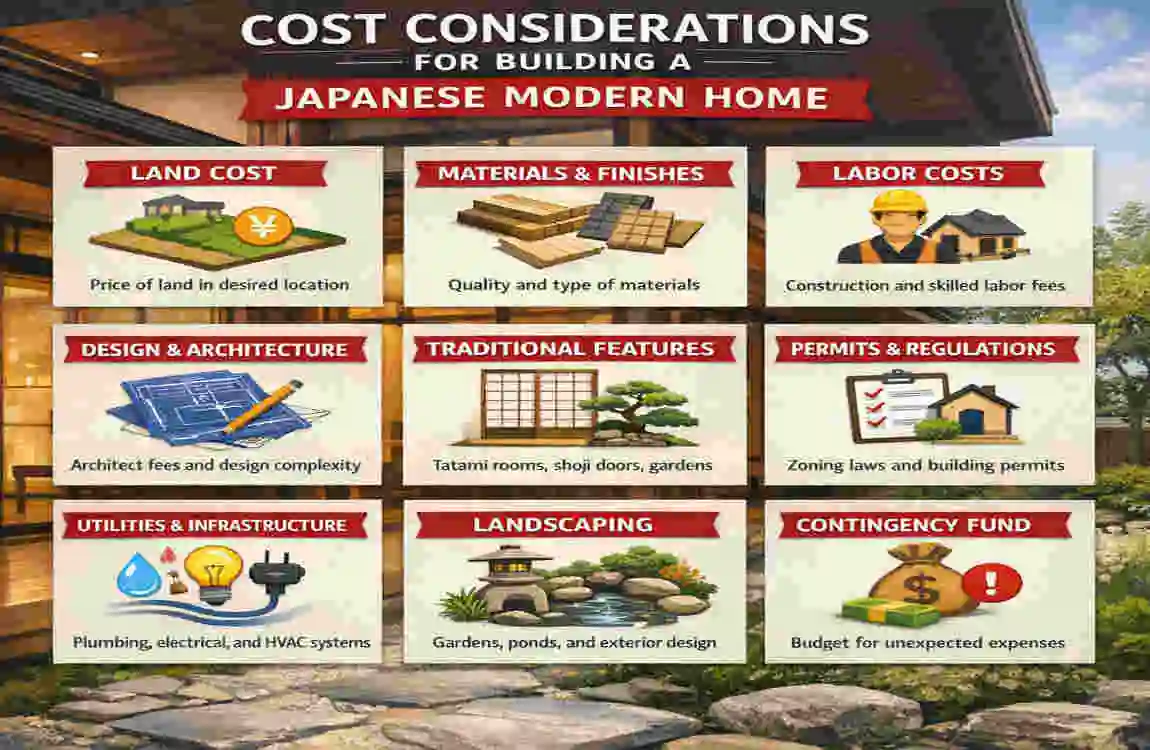
Cost Considerations for Building a Japanese Modern Home
Factors Affecting Budget
Your budget depends on home size, location, and material choices. Custom features and Premium finishes will increase the cost.
Premium vs. Budget-Friendly Options
You do not need to spend on everything. Invest in quality wood, good windows, and smart layout planning. Save on simple décor and basic furnishings.
Long-Term Value
This style has strong long-term value because it is timeless, efficient, and often energy-conscious.
Future Trends in Japanese Modern Home Design
Sustainable Architecture
More homes will use eco-friendly materials and energy-saving systems.
Biophilic Design
Designers will continue to bring nature into the home through plants, light, and garden views.
Compact and Efficient Living
Smart space use will stay important, especially in smaller homes.
Technology-Driven Comfort
Future homes will likely blend quiet technology with simple design even more smoothly.
FAQ
What defines a Japanese modern home?
It combines traditional Japanese design with modern architecture, focusing on simplicity, natural materials, and functionality.
What colours work best in a Japanese modern home?
Neutral shades like white, beige, grey, and brown, as well as soft earth tones, work best.
Are Japanese modern homes expensive to build?
Costs vary, but the minimalist style can help reduce unnecessary spending.
How can I make my home look more Japanese and modern?
Use natural materials, declutter the space, maximise light, and choose simple furniture.
Is a Japanese modern home environmentally friendly?
Yes, many designs support sustainability through energy-efficient systems and eco-friendly materials.
| Design Element | How to Apply It |
|---|---|
| Minimalism | Keep only what you need; use clean lines and uncluttered spaces with focus on functionality |
| Natural Materials | Use wood (oak, maple, walnut), bamboo, stone, and paper; add tatami mats in specific zones |
| Color Palette | Base: beige, cream, soft white, light grey; add black/deep brown/charcoal for contrast |
| Natural Light | Large windows, light curtains, open layouts; avoid heavy blinds to let daylight move through |
| Low-Profile Furniture | Choose low sofas, benches, tables, and platform beds to make ceilings feel higher |
| Lighting | Subtle ambient lighting with paper lampshades, geometric shapes, modern minimalist fixtures |