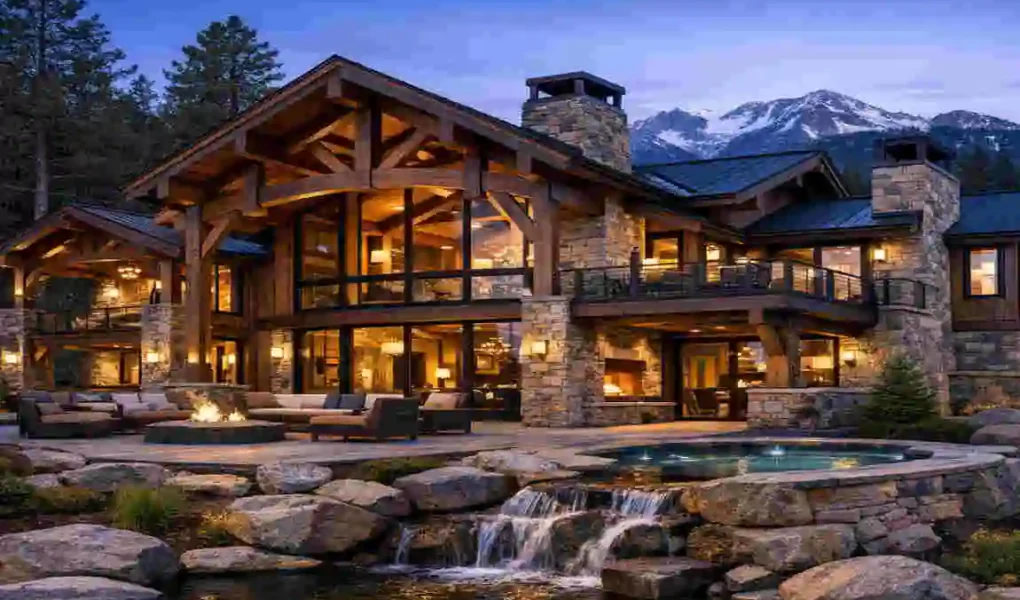
Mountain modern timber frame homes bring together two ideas that work side by side beautifully: the warmth of natural timber and the clean look of modern design. This style has become very popular because it feels both cosy and fresh.
If you love open spaces, big windows, and a home that feels connected to the outdoors, this design may be exactly what you want. It works especially well in mountain areas, where the surrounding views become part of the home’s personality.
What makes this style stand out is its balance. You get the strength of timber-frame construction plus the simplicity of modern interiors. You also get a home that can handle mountain weather when it is planned right.
What Are Mountain Modern Timber Frame Homes?
Definition of Timber Frame Construction
Timber frame construction uses large wooden beams as the home’s main structural framework. These beams carry the load, allowing the house to be built with open spaces and fewer interior walls.
This method has been used for centuries, but it still feels current because it is strong, flexible, and visually appealing. The exposed beams often become a major design feature inside the home.
What Makes It “Mountain Modern”
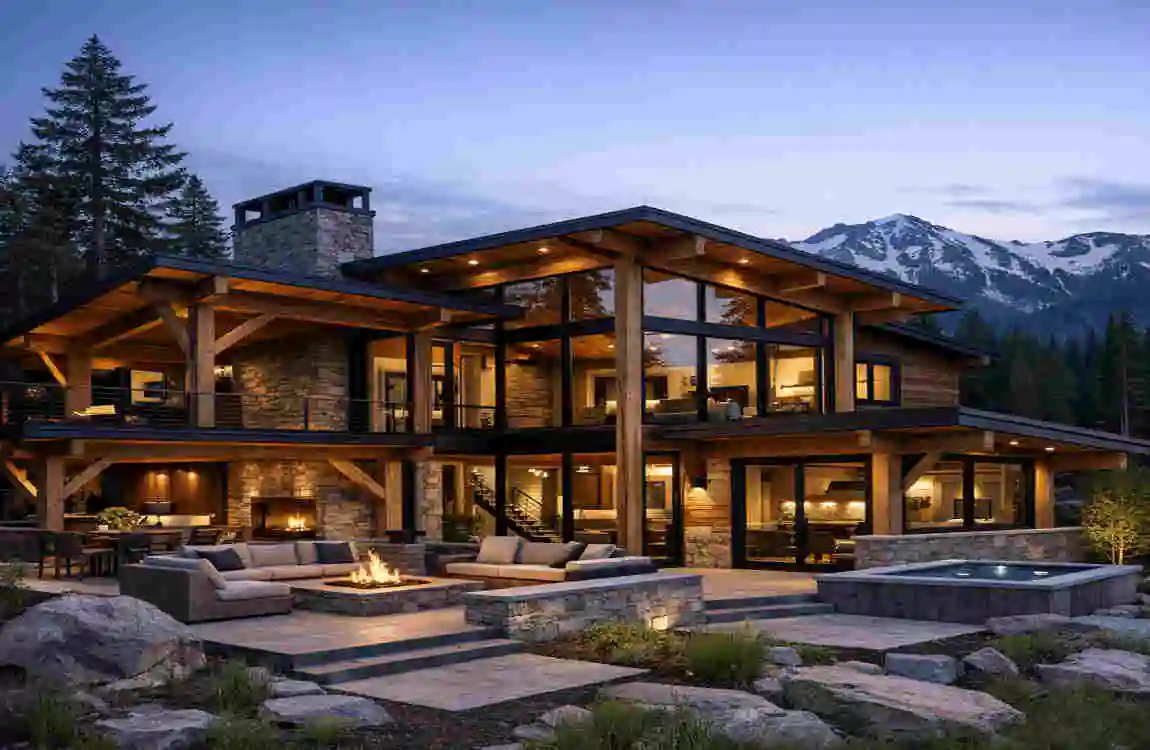
The “mountain modern” style mixes rustic and modern elements. You may see natural wood beams, stone walls, and warm textures, but they are paired with simple shapes, large windows, and clean lines.
This style avoids feeling heavy or old-fashioned. Instead, it feels open, bright, and calm. It fits mountain settings because it respects nature while still looking polished and modern.
Key Design Philosophy
The main idea behind this style is connection. These homes are designed to connect the indoor space with the outdoors. Large windows, open layouts, and natural materials help make that happen.
Another important idea is durability. Mountain homes must deal with snow, wind, cold weather, and changing temperatures. Timber frame homes can handle these conditions well when designed properly.
Core Design Elements of Mountain Modern Timber Frame Homes
Exposed Timber Beams
Exposed beams are among the most recognisable features of this style. They add strength, character, and warmth to the home. They also remind you that the structure itself is part of the design.
Common wood choices include Douglas fir, cedar, and oak. Each one has its own look and feel. Douglas fir is strong and popular, cedar has a softer, more natural appearance, and oak offers a classic, rich texture.
Large Glass Windows & Views
Big windows are a key part of mountain modern design. They help bring in natural light and frame the views outside. In a mountain setting, this can make the home feel much larger and more peaceful.
Energy-efficient glass is very important here. Good glazing helps keep heat inside during cold weather and reduces unwanted heat in warmer months. This balance matters a lot in mountain climates.
Open Floor Plans
Open floor plans help the home feel spacious and welcoming. Instead of many small rooms, you get large shared spaces that flow into one another. This works well for family life and entertaining guests.
It also allows the timber structure to shine. When fewer walls are used, the beams and ceiling height become stronger visual features.
Natural Material Palette
Mountain modern homes often use a mix of wood, stone, steel, and concrete. These materials work well together because they feel natural but still clean and modern.
The goal is not to make the home look too rustic or too industrial. It is about finding a balanced look that feels warm, simple, and timeless.
Planning Your Mountain Modern Timber Frame Home
Choosing the Right Location
Location matters more than most people realise. A mountain home has to deal with elevation, weather, sunlight, and slope. The land itself will shape the final design.
You should think about snow load, wind exposure, drainage, and access. A beautiful site is important, but it also needs to be practical and safe.
Working with Architects & Designers
It is smart to work with professionals who understand timber frame construction. These homes need careful planning because structure and style are closely connected.
You can choose between custom designs and prefab options. Custom homes give you more freedom, while prefab designs can save time and sometimes reduce cost. The best choice depends on your budget, land, and goals.
Budget Planning
Budgeting early helps you avoid stress later. Timber frame homes can cost more than standard builds because of the materials and craftsmanship involved.
Here is a simple cost guide:
Budget FactorWhat It IncludesImpact on Cost
Timber frame structure Heavy beams, joinery, framing High
Glass and windows Large energy-efficient windows High
Interior finishes Flooring, cabinetry, lighting Medium to High
Site work Foundation, grading, access roads Medium to High
Design services Architect and engineering fees Medium
Your final cost depends on size, location, material choices, and the level of customisation.
Structural Engineering & Timber Selection
Types of Timber Used
Timber frame homes can use solid timber or engineered wood. Solid timber gives a more traditional feel, while engineered wood can improve stability and reduce waste.
The right choice depends on the design, budget, and climate. A structural expert can help you decide what works best for your project.
Load-Bearing Design
One major advantage of timber frame construction is its ability to handle heavy loads. This is especially useful in snowy mountain regions, where roofs must support heavy loads.
Proper engineering is essential. The frame must be designed to manage snow, wind, and settling over time. When done well, the home can stay strong for many decades.
Sustainability in Timber Sourcing
If you care about the environment, look for FSC-certified wood or other responsibly sourced materials. This helps reduce environmental impact and supports better forest management.
Timber is also a renewable building material when sourced properly. That makes it a smart choice for homeowners who want a more eco-friendly home.
Interior Design Ideas for Mountain Modern Homes
Minimalist Warm Interiors
Mountain modern interiors usually feel calm and simple. The colours are often neutral, such as white, beige, grey, soft brown, and black. These tones let the wood and views stand out.
Natural textures also matter. Think wool, linen, leather, stone, and raw wood. These details make the space feel warm without making it look crowded.
Fireplaces as Focal Points
A fireplace can become the heart of the home. In many modern mountain homes, a stone fireplace anchors the great room and creates a strong visual centre.
It adds comfort, too. On cold mountain nights, a fireplace makes the space feel even more inviting and grounded.
Kitchen & Living Integration
Open kitchens and living spaces are very common in this style. This layout helps the home feel social and easy to use. It is also great for family gatherings and entertaining.
Cabinetry often blends rustic and modern details. You might see wood-grain finishes, matte-black hardware, and simple, clean lines.
Lighting Design
Lighting should feel soft and balanced. You want enough light for daily life, but you also want the home to feel relaxed.
Use a mix of natural light, overhead lighting, and task lighting. Large windows help during the day, while layered indoor lighting keeps the space comfortable at night.
Exterior Design & Landscaping
Roof Design for Mountain Weather
Roof shape matters in mountain regions. A steep roof pitch helps snow slide off more easily, which protects the structure.
The roof should also match the overall style of the house. Modern mountain homes often use simple rooflines that look clean but still perform well.
Outdoor Living Spaces
Outdoor living is a big part of this style. Decks, patios, covered porches, and fire pits help extend the home into nature.
These areas make the most of mountain views and fresh air. They also give you more space to relax and entertain.
Landscaping with Native Plants
Landscape design should be simple and low-maintenance. Native plants are a smart choice because they usually need less water and care.
This approach helps the home blend into its environment. It also keeps the property looking natural instead of overdesigned.
Cost Breakdown of Mountain Modern Timber Frame Homes
Mountain modern timber frame homes usually cost more upfront than standard homes, but the long-term value can be strong.
Main cost drivers include:
- Custom timber structure
- Large glass installations
- Professional design and engineering
- Site preparation in mountain terrain
The material and labour split can vary, but both are important. Skilled labour is often a major part of the budget because timber-frame construction requires precision.
Even though the upfront cost can be high, these homes often save money over time through durability, energy efficiency, and lower long-term maintenance costs.
Common Mistakes to Avoid
Many people make avoidable mistakes when planning a mountain home.
Watch out for these issues:
- Ignoring local climate conditions
- Skipping proper insulation planning
- Overcomplicating the design
- Underestimating engineering needs
A beautiful home is not enough. It also needs to work well under the site’s real conditions.
Benefits of Mountain Modern Timber Frame Homes
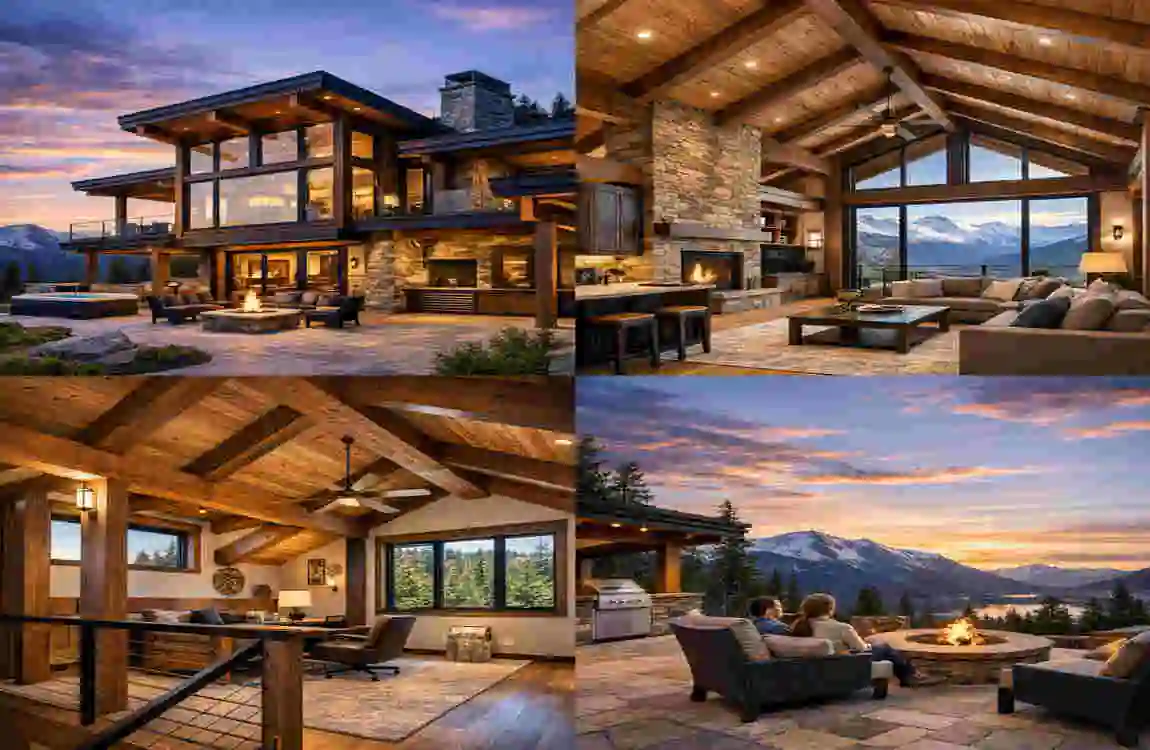
These luxury homes offer a strong mix of beauty and performance. They are visually striking and practical for mountain living.
Main benefits include:
- Strong durability
- Timeless design
- Energy efficiency
- High resale value
They also feel personal. The mix of natural materials and modern comfort creates a home that feels special without being flashy.
FAQ
What is a mountain modern timber frame home?
It is a home that combines traditional timber framing with modern design, using open layouts, large windows, and natural materials.
Are timber frame homes expensive to build?
Yes, they can cost more at the start because of custom work and materials. Still, they often offer long-term value through durability and efficiency.
How long do timber frame homes last?
With proper care, they can last 100 years or more.
Are they suitable for snowy mountain regions?
Yes. When properly engineered, timber frame homes handle heavy snow loads very well.
What makes them different from log cabins?
Timber frame homes feature exposed structural beams and modern design elements. At the same time, log cabins rely on stacked logs for their structure.
| Design Element | How to Apply It in Mountain Modern Timber Frame Homes |
|---|---|
| Roof Style | Use flat or shed roofs with minimalistic detailing; include large overhangs and deep eaves to protect from sun/snow |
| Windows | Install floor-to-ceiling windows for abundant natural light and to showcase mountain views |
| Timber Finish | Plane timbers smooth, then apply clear coat to emphasize organic wood tones and grain |
| Materials | Blend natural wood (pine, oak, cedar), stone, and steel components (plates, brackets, tie rods) |
| Interior Layout | Create open floor plans with cathedral/tall soaring ceilings for dramatic, spacious feel |
| Color Palette | Use neutral/earthy tones with natural, earthy materials to bring outdoors inside |
| Outdoor Spaces | Add multi-level decks, patios, or porches that seamlessly connect indoor/outdoor living |
| Site Orientation | Orient home to maximize natural light and capture spectacular views; blend with terrain |
| Joinery | Use straightforward cuts and simple visual joinery for modern minimalistic aesthetic |
| Energy Efficiency | Incorporate structural insulated panels (SIPs) and shading from overhangs for efficiency |