When your home feels chilly, turning up the thermostat can seem like the quickest fix. But a higher setting isn’t always the answer. Heat may be escaping through gaps, warm air could be getting trapped in the wrong places, or your heating system may simply struggle to warm the room effectively.
Before reaching for the thermostat, try making a few practical changes. From stopping draughts to getting more from your radiators, small adjustments can make rooms feel noticeably cosier without asking your heating to work harder.
Check Whether Your Radiators Are Doing Their Job
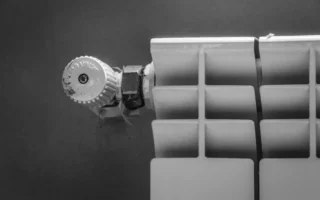
Start with the heat source itself. When the heating comes on, check how each radiator feels. A radiator that stays cold at the top may have trapped air inside and need bleeding. If it feels warm at the top but cold towards the bottom, sludge or another circulation problem could be affecting it. Persistent problems may need a heating professional’s attention.
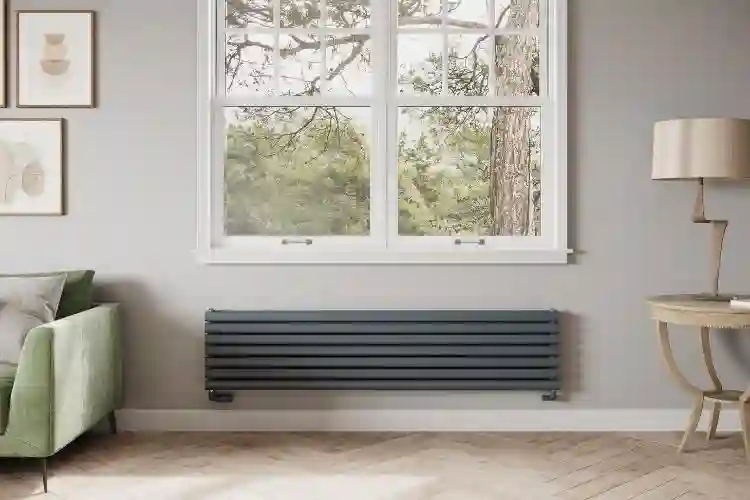
The radiator also needs a clear path to the room. A sofa pushed tightly against it can absorb and block warmth, while long curtains may trap heated air around the window instead of allowing it to circulate.
It’s also worth considering whether older heating equipment still suits the room. Changes such as an extension, a new layout, or a different use of the space can alter its heating requirements. When replacement becomes necessary, consider Radiators UK for appropriately sized options suited to different rooms, rather than simply replacing an old radiator.
Stop Cold Air Sneaking Into the Room
Draught-proofing tackles one of the most noticeable causes of discomfort: unwanted cold air. Even when the room temperature looks reasonable, a steady draught around your feet or shoulders can make the space feel much colder.
Check around windows and external doors first. Worn seals, gaps around frames and spaces beneath doors can all let cold air enter. Suitable draught-proofing strips can close many small gaps, while a door brush or draught excluder can help at floor level.
Do not forget less obvious places. Letterboxes, keyholes, loft hatches and gaps around pipework can also create draughts. On a cold or windy day, slowly move your hand around suspected areas to find noticeable air movement.
However, there is an important distinction between unwanted draughts and intentional ventilation. Avoid blocking air bricks, trickle vents or other ventilation designed to help manage moisture and indoor air quality.
Make Better Use of Curtains and Blinds
Windows can make the area around them feel colder, particularly after sunset. Curtains and blinds provide a useful extra barrier between the room and the cold glass.
Close them once daylight fades, but make sure they do not cover radiators. Floor-length curtains draped over a radiator can send warmth behind the fabric and towards the window instead of into the living space. Shorter curtains, blinds, or simply tucking curtains safely behind nearby furniture can keep the heat path clearer.
During sunny winter days, do the opposite. Open curtains and blinds where sunlight reaches the windows and let that free warmth into the room. Close them again as the temperature drops later in the day.
The condition of the windows matters too. Draught-proofing can address small air leaks, but damaged frames, failed seals or poorly fitted windows may require repair rather than another layer of fabric.
Rethink Furniture Placement
Where you put your furniture can change how warm a room feels. A favourite armchair beside a draughty window or external door may leave you feeling cold even when the rest of the space is comfortable.
Move seating away from obvious draughts where possible. At the same time, leave enough room around radiators for warm air to circulate. Large sofas, cabinets and beds placed directly in front of heat sources can interfere with the way warmth spreads.
Think about how you actually use each room. You do not need every corner to feel equally warm if you spend most of the evening in one seating area. Moving a chair away from a cold external wall or rearranging a living room around its warmest zone can improve comfort without changing the thermostat at all.
Pay Attention to Floors and Unused Spaces
Cold surfaces can affect how comfortable a room feels. Hard flooring may feel particularly chilly underfoot during winter, especially in older homes.
A rug can make frequently used areas more comfortable without changing the heating system. It is a particularly simple option for living rooms, bedrooms and home offices where you may stay in one position for long periods.
Keep internal doors in mind, too. If you are heating a living room while an adjoining space remains unused, leaving the connecting door wide open lets warm air move away from where you want it. Closing doors can help keep warmth within occupied areas.
However, do not obstruct ventilation or make changes that encourage persistent condensation. A warmer-feeling home still needs sensible airflow, particularly in kitchens, bathrooms and other moisture-prone spaces.
Look Beyond Quick Fixes
If you have tackled draughts, moved furniture and checked your radiators but the house still struggles to stay comfortable, the problem may lie with the building itself.
Insulation, window condition and the performance of the heating system all affect how easily a property holds warmth. Some issues need more than a weekend DIY job. A consistently cold room, for example, could point to inadequate insulation, an incorrectly sized heat source or a heating fault.
Rather than continually increasing the thermostat, work out where the discomfort comes from. Solving the underlying problem can make the home more pleasant while helping your heating operate as intended.
Final Thoughts
A warmer home does not always require a higher thermostat setting. Start by checking whether your radiators can release heat freely, then look for draughts around doors and windows. Use curtains thoughtfully, rearrange furniture where necessary and make cold floors or seating areas more comfortable.
If one room remains stubbornly chilly after those changes, investigate the cause rather than simply adding more heat. A few targeted improvements can help you create a cosier home and make better use of the warmth you already produce.