Staying in the home you love often feels like the best option. You know the area, you’re settled, and everything is where you want it. The tricky part is that homes don’t automatically keep up with us. A place that felt easy to live in at 40 can start to feel less forgiving at 70, especially if your mobility changes, your energy dips, or your budget gets tighter.
Future-proofing your home isn’t about turning it into a hospital or doing a huge renovation in one go. It’s about making sensible improvements that keep the house comfortable, safe, and affordable to run for years to come. That might mean sorting out cold rooms and draughts, making the bathroom safer, improving lighting, or upgrading heating controls so the temperature is steady without driving your bills up.
Here are some of the most worthwhile changes to consider, along with a practical way to think about paying for them.
1- What future-proofing actually means (and why it’s worth doing)

When people hear “future-proofing,” they often imagine major building work. In reality, it’s usually a series of smaller decisions that make day-to-day life easier, now and later.
A future-proofed home is one that’s:
- Comfortable: warm in winter, cooler in summer, and not plagued by damp air
- Safe: fewer trip hazards, better lighting, easier movement through the house
- Efficient: less wasted heat and better control of your heating
- Adaptable: ready for changes without needing panic renovations
- Affordable to live in: energy bills and maintenance don’t spiral
If you’re choosing what to do first, focus on anything that improves comfort while also reducing risk. Those tend to give you the biggest payoff.
2- Seven home comfort upgrades that really help long-term
You don’t have to do everything at once. These are the changes that make the biggest difference for most homeowners, without making the house feel clinical.
1. Insulation and draught-proofing
If your home loses heat easily, you’ll feel it every day, especially in older properties. Loft insulation, cavity wall insulation (when appropriate), and sealing drafts around doors and windows can make a room feel completely different. It also helps your heating system work less, which usually shows up on your bills.
2. Better heating controls (often more important than a new boiler)
A new boiler can help, but many homes feel uncomfortable because the heating is hard to manage. Smart thermostats, thermostatic radiator valves, and simple zoning can stop the “one room boiling, one room freezing” problem.
If you’re thinking ahead about how to pay for upgrades later in life, it’s worth knowing there are several routes people consider, including savings, doing projects in stages, refinancing, and, in some cases, equity-based options. Some homeowners look into a reverse mortgage as one way to access funds for improvements, alongside other choices. The important thing is to understand the costs and trade-offs and whether it fits your plans for the home and your family.
3. Warmer, safer flooring
Cold floors can make a house feel unwelcoming, and slippery surfaces can be a real risk. Better underlay, warmer finishes, and slip-resistant flooring in busy areas can help a lot. If you prefer hard flooring, rugs can still work, just make sure they’re properly secured so they don’t slide.
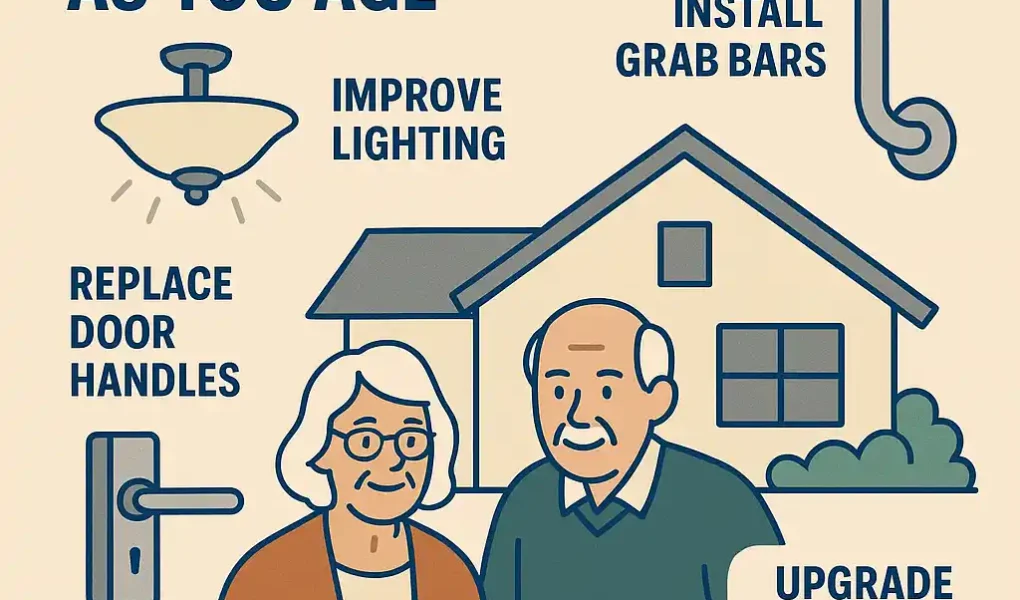
4. Lighting that works for real life
Lighting is one of those things people only notice when it’s bad. A few changes can make your home feel safer and more relaxed:
- brighter bulbs in key areas
- motion-sensor lights for hallways and stairs
- extra task lighting in kitchens and bathrooms
- softer lighting for evenings so the house doesn’t feel harsh
5. Bathroom improvements for comfort and safety
Bathrooms are where many people start to feel the strain first. You don’t have to remodel the whole room to make it easier to use. Simple upgrades like grab rails, non-slip flooring, a walk-in shower (if it makes sense for the space), and a comfort-height toilet can take away a lot of worry.
6. Making stairs less of a daily battle
If the stairs are starting to feel like hard work, it’s better to plan early rather than waiting until it becomes urgent. Improving stair lighting, adding handrails on both sides, and upgrading stair coverings can all help. Some people also like having a long-term plan for “main-floor living,” such as turning a dining room into a bedroom later on.
7. Ventilation and air quality
Comfort isn’t just temperature, it’s how the air feels. If you deal with condensation, damp, or musty smells, better ventilation can improve the whole house. That could mean stronger extractor fans, improved airflow, or identifying cold spots where condensation builds up.
3- Comfort upgrades can be expensive, so it helps to plan in stages

Even “small” home improvements can add up quickly. A good way to stay sane is to split projects into three buckets:
- Quick wins (low disruption): draught-proofing, lighting upgrades, heating controls, basic safety tweaks
- Mid-size projects: insulation improvements, flooring changes, bathroom safety updates
- Big projects: walk-in shower conversions, major heating changes, reworking rooms for downstairs living
Doing things in stages keeps disruption down and helps you spend money where it matters most.
4- Ways people usually pay for these improvements
There isn’t one right way to fund home upgrades. Most homeowners mix and match depending on their situation:
- Savings set aside for maintenance (best for quick wins)
- Phasing the work over time (often the easiest option)
- Remortgaging or refinancing (can work for some, depending on income and terms)
- Using home equity (sometimes used for larger projects, but needs careful thought)
If you’re weighing up what to do first, ask yourself: Will this make the house cheaper to run, or reduce the chances of a fall or emergency repair later? If the answer is yes, it’s usually a strong candidate.
5- A simple “what should I do first?” checklist
If you’re stuck, walk through your home and answer these:
- What’s uncomfortable every day? (cold rooms, drafts, damp, uneven heating)
- What feels risky? (bathroom, stairs, dark hallways, slippery floors)
- What will be harder and more expensive if I leave it? (bathroom conversions, major heating work)
- What could lower my running costs? (insulation, heating controls, system efficiency)
- What can I do with minimal disruption? (lighting, rails, draft sealing)
Choose one or two improvements and start there. Progress matters more than perfection.
6- The bigger picture: comfort now, peace of mind later

Future-proofing your home is really about making life easier, without waiting for a problem to force your hand. A few well-chosen upgrades can make your home warmer, safer, and more enjoyable day to day. Over time, they also help you stay independent and avoid rushed decisions.
If you’re not sure where to begin, start small: fix the drafts, improve the lighting, and get your heating controls working properly. Those changes alone can make your home feel more comfortable almost immediately, and they set you up well for anything bigger you decide to do later.
How to Future-Proof Your Home for Comfort and Financial Security as You Age – FAQ
What does future-proofing a home mean?
It means making your home safer, more comfortable, and easier to live in as you get older, while also protecting its long-term financial value.
Why is future-proofing important?
It helps reduce future repair costs, improves safety, and allows you to stay in your home independently for longer.
What home upgrades improve comfort as you age?
Simple upgrades include better lighting, non-slip flooring, wider doorways, and easier-to-use fixtures like lever-style handles.
How can I make my home safer?
Install grab bars in bathrooms, improve stair safety, add handrails, and remove trip hazards like loose rugs.
What smart home features are useful?
Voice-controlled lights, smart security systems, video doorbells, and automated temperature control can make daily living easier.
How does future-proofing help financially?
It can increase property value, reduce maintenance costs, and delay or avoid expensive assisted living expenses.
Should I modify my home early or later in life?
It’s usually better to make changes early so you can enjoy the benefits gradually and avoid urgent, costly renovations later.
Can future-proofing improve resale value?
Yes. Homes with accessibility features and modern safety upgrades often attract more buyers in the future.