Why Consider Raising the Roof on Your House?

What is Roof Raising?
Roof raising involves modifying your home’s existing roof structure to increase the ceiling height or add another story. This process can completely transform your home’s interior and exterior, creating opportunities for better design, improved functionality, and more usable space.
It’s not as simple as replacing shingles or repairing leaks. Raising a roof often requires significant structural changes, but the rewards are well worth the effort.
Benefits of Raising the Roof
If you’re on the fence about a roof-raising project, here are some compelling benefits to consider:
- Increased Living Space: Whether you’re adding an extra story or raising the roof to create higher ceilings, you’ll have more room for your family to grow and thrive.
- Boosted Property Value: Homes with modernised roofs and additional square footage often fetch higher prices.
- Creative Interior Design: A raised roof allows for interior upgrades like vaulted ceilings, skylights, or even attic conversions.
- Improved Natural Lighting: Higher ceilings and additional windows can flood your home with natural light, creating a more inviting atmosphere.
- Enhanced Ventilation: Roof modifications can improve airflow, making your home more energy-efficient.
When Should You Raise the Roof?
Not every home requires a raised roof, but here are some situations where it’s worth considering:
- Low Ceiling Heights: If your home feels cramped or outdated, raising the roof can modernise the interior and make it feel more open.
- Growing Family Needs: Need an extra bedroom, office, or playroom? Raising the roof may be the solution.
- Older Homes: Remodelling a property with structural limitations can involve raising the roof to meet modern building codes.
- Adding a Loft or Second Story: This is a common reason to raise the roof, especially if expanding outward isn’t an option.
Planning the Roof Raising Project
Proper planning is the foundation of any successful roof-raising project. Let’s break it down into manageable steps.
Assess Feasibility and Set Goals
Before diving in, you’ll need to evaluate your home’s current structure to determine whether it can support a roof-raising project.
- Structural Integrity: Have a professional inspect your home’s foundation and framing to ensure it can handle the changes.
- Purpose: Decide why you’re raising the roof—whether it’s for extra space, better aesthetics, or increased property value.
- Local Regulations: Research building codes, zoning laws, and neighbourhood guidelines to ensure compliance.
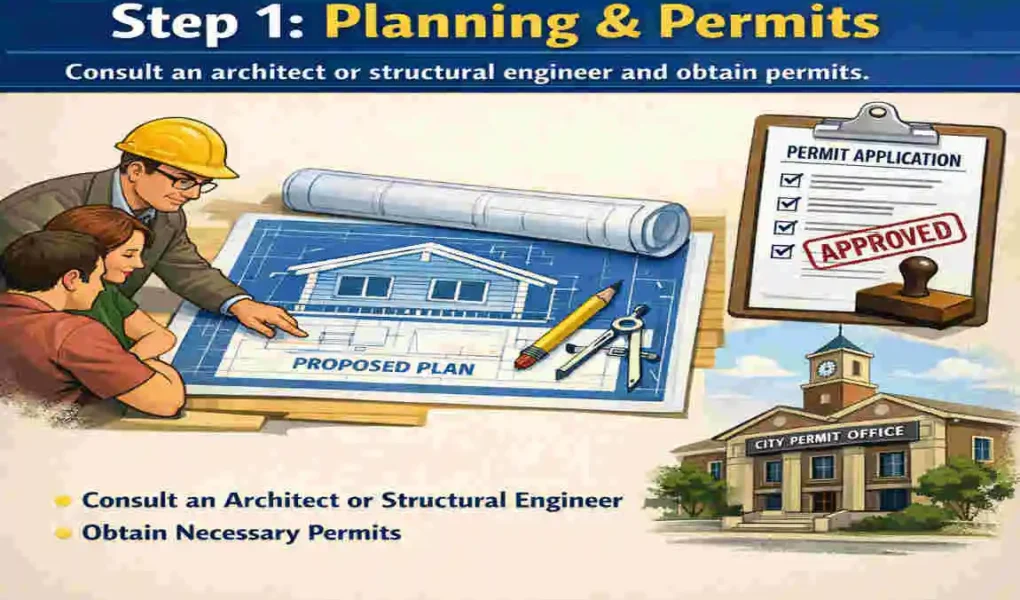
Consult Professionals
This isn’t a DIY project; you’ll need a team of skilled professionals:
- Architects and Engineers: They’ll design the new roof and ensure structural safety.
- Contractors: Experienced contractors will handle the construction process.
- Inspectors: They’ll ensure the project adheres to local building codes.
Pro Tip: Get multiple bids from contractors to find the best fit for your budget and needs.
Budget and Financing
Raising a roof is a significant investment. Here’s what you need to know about costs:
- Average Costs: Roof raising typically costs between $15,000 and $70,000, depending on the project’s complexity.
- Key Expenses: Materials, labour, permits, and interior finishing all contribute to the final price.
- Financing Options: Consider home improvement loans, refinancing, or using savings to fund the project.
Obtain Permits
Before construction begins, you’ll need the appropriate permits.
- Building Permits: These ensure your project complies with local codes.
- Zoning Approvals: Check whether your neighbourhood allows roof modifications.
- Tips: Start the permit process early to avoid delays.
Step-by-Step Process of Raising the Roof
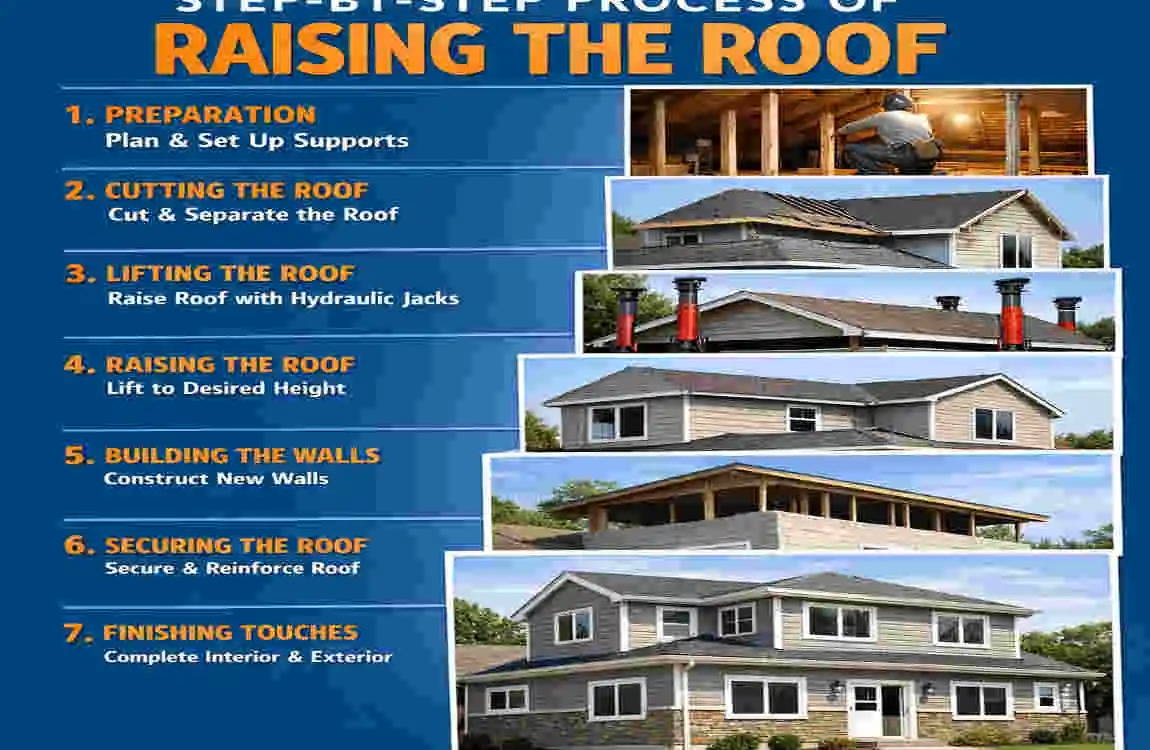
Prepare the Site
Preparation is key to a smooth construction process:
- Clear the Area: Remove furniture and valuables from spaces near the construction zone.
- Safety First: Ensure proper safety measures are in place to protect workers and your family.
Remove the Existing Roof
The old roof must be carefully dismantled:
- Safe Removal: Contractors will remove shingles, rafters, and other components.
- Waste Management: plan for responsible disposal of debris.
Modify the Existing Structure
Structural modifications are often necessary to support the new roof:
- Reinforce Walls and Foundation: Strengthen the home’s frame to handle additional weight.
- Systems Adjustments: Update plumbing, HVAC, and electrical systems as needed.
Build the New Roof Framework
This is where the new roof takes shape:
- New Trusses and Beams: These provide the structure for the raised roof.
- Customisation: Work with your architect to align the design with your vision.
install Roofing Materials
Choose materials that are durable and energy-efficient:
- Popular Choices: Asphalt shingles, metal roofing, and tile are common options.
- Energy Efficiency: Consider materials that help insulate your home.
Interior Work
Once the roof is complete, focus on the interior:
- Insulation and Drywall: Ensure proper insulation to maintain energy efficiency.
- Ceilings: install drywall and finish the ceiling to your liking.
Final Inspections
Before you can enjoy your new space, inspections are necessary:
- Building Code Compliance: Ensure everything meets local regulations.
- Final Adjustments: Address any remaining issues.
Challenges and Considerations in Raising the Roof
Structural Challenges
Altering your home’s structure can be risky. Common issues include:
- Weak Foundations: Older homes may require significant reinforcement.
- Ageing Materials: Existing materials may need to be replaced.
Cost Overruns
Unexpected expenses can arise. Here’s how to manage them:
- Plan for Contingencies: Set aside extra funds for surprises.
- Track Expenses: Regularly review your budget.
Timeline Delays
Delays are common in construction projects:
- Weather: Rain or snow can slow progress.
- Permits: Approval processes can take longer than expected.
Living Through Construction
Roof-raising projects can be disruptive:
- Noise and Dust: Be prepared for a temporary mess.
- Temporary Housing: Consider staying elsewhere if the home becomes uninhabitable.
Alternatives to Raising the Roof
If raising the roof isn’t feasible, consider these options:
AlternativeDescriptionProsCons
Dormer Additions: Add small roof extensions—cost-effective, limited space increase.
Roof Lifts: Lifts the roof without structural changes. Less invasive, but may not be suitable for all homes.
Expanding Outward adds square footage horizontally. Avoids roof work. Requires more land.
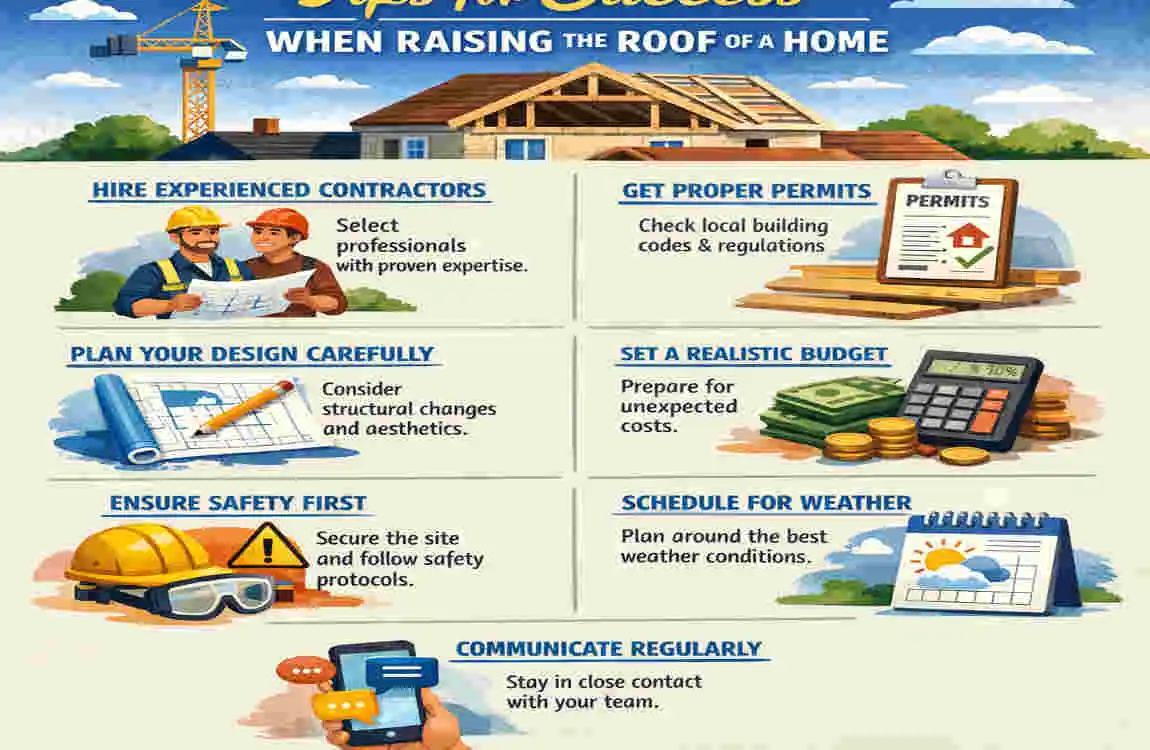
Tips for Success When Raising the Roof
- Plan Thoroughly: A clear vision ensures smoother execution.
- Hire Experienced Contractors: Work with reliable professionals.
- Stay Flexible: Be prepared for unexpected challenges.
- Communicate: Regularly check in with your project team.
- Focus on Sustainability: Choose energy-efficient materials and designs.
Frequently Asked Questions
How much does it cost to raise the roof on a house?
The cost typically ranges between $15,000 and $70,000, depending on project complexity.
How long does it take to raise the roof?
Most projects take 4-8 weeks, but timelines can vary based on scope and weather conditions.
Can you live in your house during the construction?
It depends on the project. For extensive renovations, temporary housing might be necessary.
Are there any restrictions on raising a roof?
Yes, zoning laws, HOA rules, and neighbourhood guidelines may apply.
| Key Points | ||
|---|---|---|
| Assess Feasibility and Plan | Evaluate structure, set goals, check codes | |
| Consult Professionals | Hire architect, engineer, contractor | |
| Obtain Permits and Budget | Secure permits, finalize budget and financing | |
| Prepare the Site | Clear area, protect interiors, ensure safety | |
| Remove Existing Roof | Safely dismantle old roof, manage debris | |
| Modify Structure | Reinforce walls/foundation, adjust systems | |
| Build New Roof Framework | Construct new trusses and beams | |
| Install Roofing Materials | Use durable, energy-efficient materials | |
| Interior Work | Update insulation, drywall, ceilings | |
| Final Inspections | Ensure compliance with building codes |