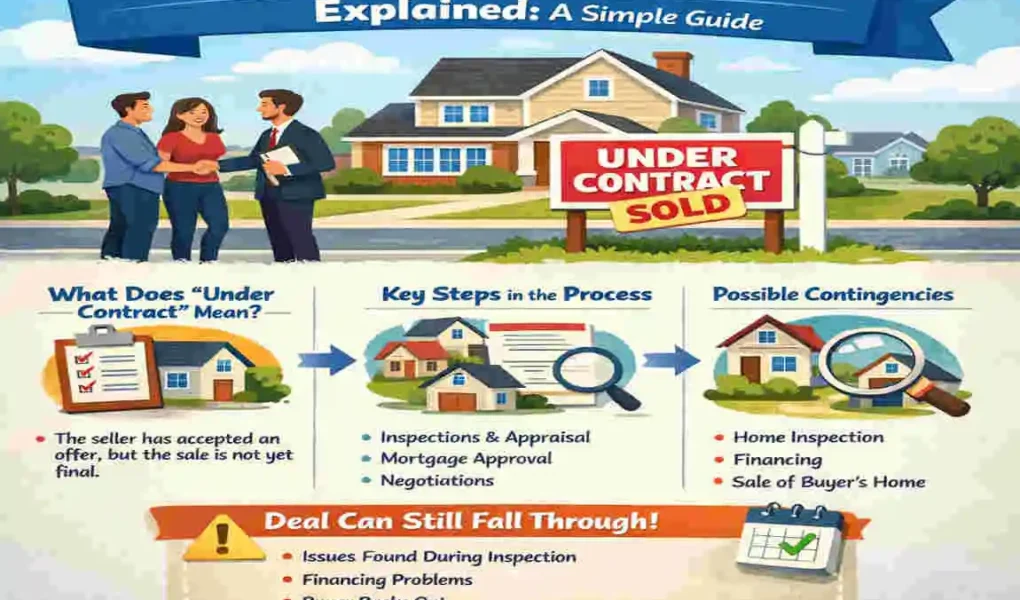
These are common questions, and they matter because the language of real estate can sound simple. At the same time, the legal meaning behind them can be very serious. In most cases, when a house is under contract, the seller and buyer have already signed a purchase agreement. That usually means the seller cannot freely sell the home to another person without creating legal problems.
What “Under Contract” Means in Real Estate

A lot of confusion starts with the label itself.
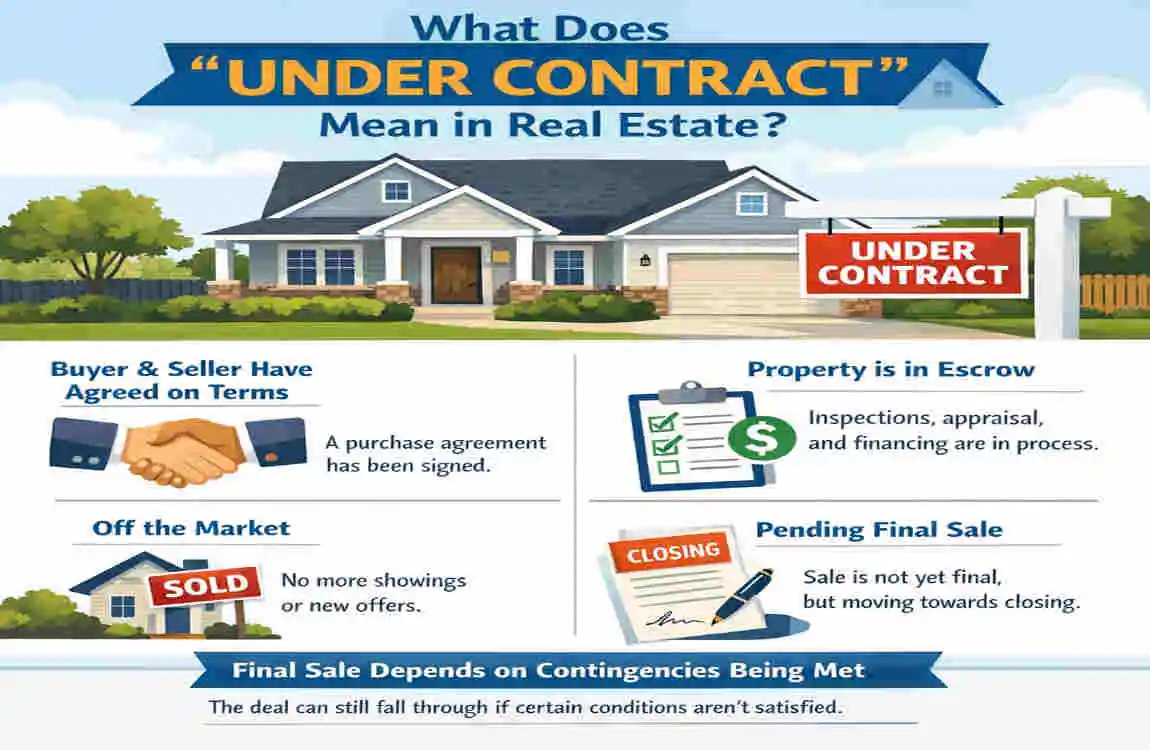
When a property is marked under contract, it usually means the seller accepted an offer and both sides signed a written agreement. At that point, the house is no longer simply “for sale” in the normal sense. It has moved into the contract phase of the transaction.
That does not always mean the sale is finished.
There is often still work to do before closing. The buyer may need to complete a home inspection, secure final mortgage approval, review title records, or sell their current home. The seller may also need to complete required disclosures, make repairs, or meet other terms in the agreement.
So, while the home is spoken for, the process is still moving toward the finish line.
The Basic Idea Behind an Accepted Offer
Think of it this way: a seller can market a home freely until they sign an agreement with a buyer.
Once that happens, the seller is generally expected to honor that agreement. In plain language, they cannot simply wake up the next morning, see a better offer, and switch buyers without consequences.
This is why the phrase can a house under contract is so important. People assume “under contract” means “basically sold,” and that is often close to the truth. But legally and practically, there is still a gap between signed contract and closed deal.
That gap is where many questions come from.
Active Under Contract, Contingent, and Pending
You will often see different listing statuses depending on the market and the local MLS system. The most common are:
- Active Under Contract
- Contingent
- Pending
These do not always mean the same thing in every area, but the general idea is fairly consistent.
Contingent Means Conditions Still Need to Be Met
A contingent home is under contract, but certain conditions must still be met before the deal can proceed.
These conditions might include:
- The home passing inspection
- The buyer getting financing
- The property appraising at the required value
- The buyer selling their current home first
This is why the distinction between contingent and pending matters so much.
With a contingent listing, the deal is real, but it still has open conditions. That means there is a higher chance the contract could fall through compared with a later-stage deal.
Pending Means the Deal Is Closer to Closing
A pending home is usually further along.
Most major contingencies have been removed or satisfied, and the transaction is heading toward closing. That does not guarantee success, but it generally means fewer obstacles remain.
If you are wondering can a house under contract be sold while pending, the answer is still usually no. At that stage, sellers typically remain committed to the signed buyer unless the deal is terminated or one party defaults.
Can a House Under Contract Be Shown or Sold?
This is one of the most common buyer questions.
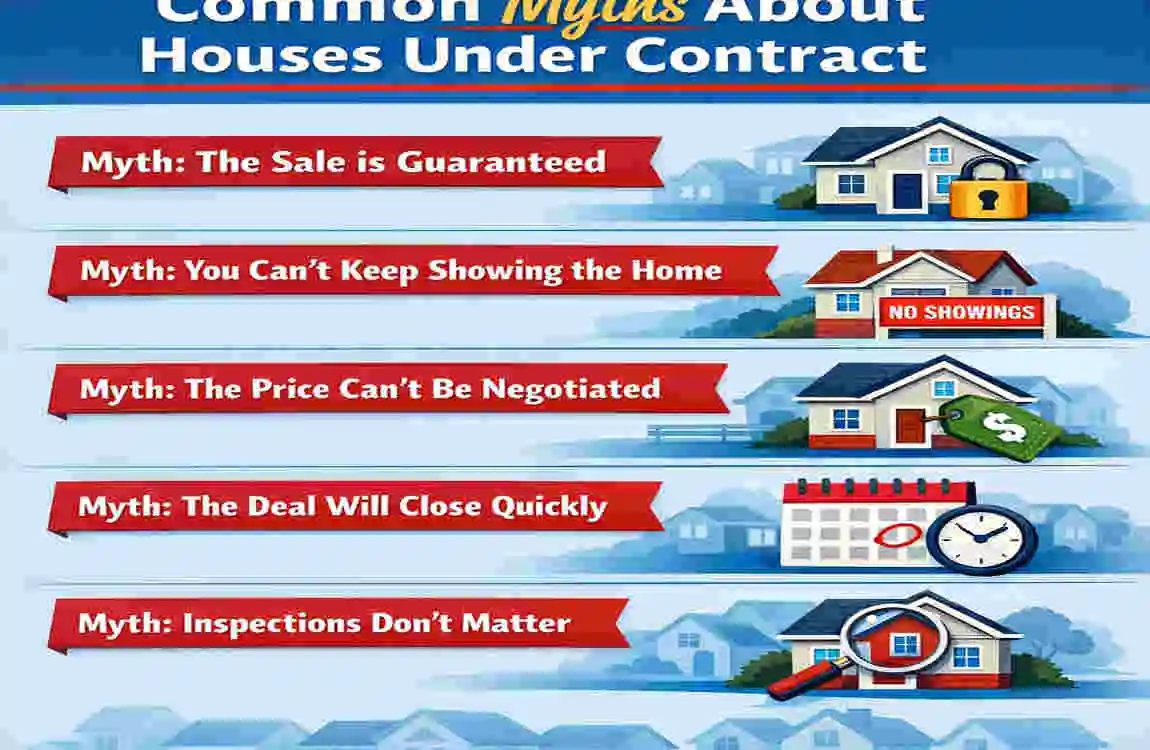
Can a house under contract be shown? Sometimes yes.
Can a house under contract be sold to a new buyer right away? Usually no.
Some sellers continue to allow showings, especially when the deal is contingent. They do this in case the first buyer backs out. But showing the property is very different from being free to sell it to someone else.
In most cases, the seller cannot relist and accept a new offer as the primary deal unless the original contract ends or the first buyer breaches the agreement.
Here is a simple way to understand the common statuses:
StatusMeaningCan Seller Sell to Someone Else?Best Buyer Action
Active Under Contract Offer accepted, but listing may still show as active in some systems Usually no, but backup offers may be allowed Ask if backup offers are being accepted
Contingent Contract exists, but conditions still need to be met Usually no, unless contract ends or is terminated Monitor closely and consider a backup offer
Pending Most contingencies are cleared and closing is near No, unless the deal collapses or is canceled Wait, move on, or stay informed through your agent
So when you ask, “Can a house under contract still be available?” the better answer is this: it may not be available now, but it may become available again if the deal fails.
Legal Rules: Can It Still Sell?
The legal side is where things become more serious.
In general, once a buyer and seller sign a real estate purchase agreement, that contract becomes legally binding. Exact rules vary by state, province, and country, but the core principle is similar in many places. Each side is expected to fulfill their promise.
That means a seller usually cannot accept a new offer and sell the property to another buyer just because a better deal appears.
Why the Contract Matters So Much
A real estate contract is not just a casual promise.
It usually includes the purchase price, closing date, earnest money terms, contingencies, repair obligations, default rules, and what happens if either side fails to perform. Because of that, courts often treat it as a serious and enforceable agreement.
So, if you are asking whether a house under contract can still be sold to someone else, the usual legal answer is no, unless the original contract is ended first.
That is why buyers should never assume an accepted offer is meaningless. And sellers should never assume they can walk away without cost.
What Happens If a Seller Accepts Another Offer Anyway?
If a seller tries to sell the same house to a different buyer while the first contract is still valid, they may be in breach of contract.
That can lead to major problems, including:
- A lawsuit for damages
- A court order for specific performance
- Loss of time and money
- Brokerage disputes
- Reputation damage in the market
Specific performance is especially important. In simple terms, it means a buyer may ask the court to compel the seller to complete the sale under the original contract, if the law allows it.
Not every case ends that way, but the risk is real enough that most sellers and agents will not take it lightly.
When Can the House Be Sold to Someone Else?
There are exceptions.
A house under contract can sometimes be sold to someone else if the first contract becomes void, is terminated properly, or never reaches closing because one side failed to perform.
Here are common situations where that can happen:
Mutual Termination
Sometimes both parties agree to walk away.
Maybe inspection issues are too large. Maybe financing no longer works. Maybe both sides cannot agree on repairs. If the contract is formally canceled by mutual consent, the seller is free to relist or move to another buyer.
Buyer Default
If the buyer misses deadlines, fails to deposit the earnest money, cannot secure financing on the required terms, or otherwise breaches the contract, the seller may have the right to terminate the deal.
At that point, yes, the property can usually go back on the market.
This is why the question, “Can a house under contract be sold if the buyer backs out?” often has a different answer: yes, once the original agreement is properly ended, the seller can sell again.
Contingencies That Let the Buyer Exit
Many contracts include contingencies that protect the buyer.
If the home fails inspection, the appraisal comes in low, or financing is denied under the contract terms, the buyer may have a legal path to cancel. Once the cancellation is complete, the seller may accept a new buyer.
Seller Breach or Inability to Perform
Sometimes the seller is the problem.
Maybe there is a title defect. Maybe the seller cannot deliver clear ownership. Maybe they refuse to complete promised obligations. In these cases, the deal may collapse, and new negotiations may begin only after the legal issue is resolved.
Real Estate Contract Rules Vary by Location
This part matters more than most people realize.
The broad answer to the question of whether a house under contract can still be sold is fairly similar across many markets, but real estate contract rules are local. In many U.S. states, a signed residential contract creates strong obligations. In markets such as Texas, agents and brokers also follow strict listing and disclosure practices during the contract period. In Pakistan, including Lahore, enforceability can depend on the written agreement, the stage of documentation, and how the parties handle dispute resolution.
That means you should always get local advice before acting.
A seller in one city may have different rights and risks than a seller in another. A buyer in Lahore may need guidance that differs from that of a buyer in Houston or Karachi. The principles are related, but the procedures are not identical.
The Real Risk: Assuming the Deal Is Dead When It Is Not
One of the biggest mistakes people make is acting too early.
A second buyer hears a home is under contract and assumes it is gone forever. Or a seller receives a stronger offer and assumes they can switch without issue. Both assumptions can cause trouble.
The safer view is simple: if a contract exists, treat it as binding unless a qualified professional confirms otherwise.
That one habit can save you from expensive errors.
Common Reasons Real Estate Deals Fall Through
Even though a signed contract is serious, not every deal makes it to closing.
This is why buyers still watch homes that are already under contract. A minority of transactions do collapse before the finish line, and when that happens, a new opportunity opens.
So if you keep asking, “Can a house under contract become available again?” the answer is yes—sometimes it does.
Financing Problems
Financing is one of the biggest reasons deals fail.
A buyer may get pre-approved early, but final approval is more detailed. Lenders review income, debts, employment, credit changes, bank statements, and the property itself. If something changes, the loan may not go through.
Sometimes the buyer changes jobs.
Sometimes their debt rises.
Sometimes the lender rejects the property.
Sometimes interest rate pressure makes the monthly payment unworkable.
When financing falls apart, the whole transaction may collapse.
Inspection Issues
Inspections can turn a smooth deal into a tense negotiation.
Maybe the buyer discovers roof damage, plumbing leaks, foundation cracks, mold, electrical hazards, or termite problems. Some buyers still move forward after requesting repairs or a credit. Others decide the home carries too much risk.
Inspection trouble is especially common with older homes.
From the seller’s side, this stage can feel frustrating. From the buyer’s side, it is a key protection. No one wants to buy a home and then face large repair bills right away.
Appraisal Gaps
If the buyer is using a mortgage, the lender usually wants an appraisal.
The appraiser estimates the home’s market value. If that number comes in lower than the agreed purchase price, the buyer may need to bring extra cash or renegotiate.
That creates stress fast.
The seller may feel the home is worth more. The buyer may not have more money to cover the difference. If neither side bends, the deal can fail.
Title Problems
A title issue can stop a transaction even when both parties want to close.
Examples include:
- Ownership disputes
- Old liens
- Unpaid taxes
- Boundary disagreements
- Missing inheritance documents
- Errors in public records
Buyers want clear title so they do not inherit legal trouble after purchase. Until the issue is fixed, closing may be delayed or canceled.
Seller Regret or Life Changes
Sometimes the seller becomes the reason the deal falls apart.
They may regret the price they accepted. They may receive family pressure. They may struggle to find their next home. They may realize late in the process that moving is not practical.
That does not always give them the legal right to cancel, but it does happen.
The Most Common Deal Breakers at a Glance
Here is a simple list of the most common reasons a signed deal may fail:
- Mortgage approval problems
- Major inspection concerns
- Low appraisal
- Title defects
- Missed deadlines
- Buyer or seller breach
- Cold feet combined with weak contract management
If any of these issues arises, the answer to “can a house under contract change from’ no ‘to ‘possibly, very soon ‘?” can change from “no” to “possibly, very soon.”
Backup Offers Explained

A backup offer is one of the smartest tools in this situation.
If you love a home that is already under contract, you do not always need to walk away. In some cases, you can submit a backup offer under contract status and wait in line behind the first buyer.
This does not guarantee success. But it gives you a real position if the original deal fails.
What Is a Backup Offer?
A backup offer is a signed offer that becomes active only if the first contract is terminated.
The seller does not cancel the first buyer just because a backup exists. Instead, the backup buyer is next in line.
This can be useful in competitive markets where homes move quickly and good inventory is limited.
Why Buyers Use Backup Offers
For buyers, a backup offer can be a practical middle ground.
You are not forcing the seller to breach the first contract. You are not ignoring other homes completely. But you are also not giving up on a property you truly want.
A backup offer can help you:
- Secure second position
- Avoid starting from zero if the first deal fails
- Show the seller you are serious
- Reduce delay if the home comes back to market
That is often better than waiting silently in the hope that the listing agent will call you later.
Why Sellers Like Backup Offers
Backup offers also help sellers.
A seller with a backup in place knows that if the first buyer walks away, another buyer may already be ready. That can reduce stress, shorten relisting time, and strengthen the seller’s bargaining position during negotiations in uncertain markets.
The Risks of a Backup Offer
Of course, a backup offer is not perfect.
For buyers, the main risk is emotional and strategic. You may spend time on a house that never becomes available. In some cases, you may pause your search and miss better opportunities elsewhere.
For sellers, a backup offer must be handled carefully. It should not be used to pressure the first buyer unfairly or create confusion about the contract order.
How Backup Offers Usually Work
The process is normally simple:
- You submit your offer through your agent.
- The seller reviews it while keeping the primary contract in place.
- If accepted as a backup, your offer sits in second position.
- If the first contract is canceled properly, your offer moves to the top, usually subject to its own terms and deadlines.
In some markets, certain clauses may give the seller more flexibility if another buyer appears, especially when the first deal depends on the buyer selling their own home. These are often called kick-out clauses or similar terms.
Primary vs Backup Offer
Here is a simple comparison:
Offer Type Priority When It Becomes Active
Primary Offer First Immediately after acceptance
Backup Offer Second If the primary contract becomes void or is terminated
Should You Always Submit One?
Not always, but often it is worth asking.
If the home is early in the contingency period, a backup offer may make sense. If the property is already pending and close to closing, your odds may be lower. Still, if the house is exactly what you want, there is little harm in asking whether backup offers are welcome.
So, if you are stuck on the question of whether a house under contract can still be yours, a backup offer is often the most realistic path.
Seller’s Options While the House Is Under Contract
Sellers also need clarity during this stage.
Once a contract is signed, the seller usually has fewer options than before. That can feel limiting, especially if a better offer arrives or the seller starts to regret the deal.
But the contract phase is not a free-for-all.
What a Seller Usually Can Do
A seller generally cannot sell the property to another buyer while the current contract is still valid. However, the seller may still be able to:
Renegotiate Certain Terms
If the buyer asks for repairs, a credit, or a price reduction, the seller can negotiate. The seller does not have to say yes to everything. They can counter, refuse, or propose another solution.
Accept a Backup Offer
A seller can often accept a backup offer while staying bound to the first buyer. This does not replace the original contract. It just gives the seller a second option if the first one fails.
Terminate by Mutual Agreement
If both buyer and seller decide the deal no longer makes sense, they can often sign a mutual release and end the contract properly.
Wait for the Buyer to Perform
Sometimes the best move is patience. The buyer may still be inside legal deadlines for financing, inspection, or document review. Acting too early can create problems.
What a Seller Should Not Do
A seller should not assume they can simply disappear, refuse to close, or transfer the property to someone else because a better deal has come along. That is where the phrase seller back out under contract becomes risky.
Yes, a seller can try to back out.
No, that does not mean they can do it safely.
The result may be the loss of earnest money, disputes over legal claims, commission disputes, or court action.
Handling Disputes the Right Way
In some places, disputes are handled through lawyers and the courts. In others, mediation or local community processes may also play a role. In Pakistan, parties sometimes prefer negotiated settlement, family elders, or local mediation alongside formal legal channels, depending on the situation. In practice, the smart move is always the same: get advice early, document everything, and do not rely on verbal promises.
If you are a seller, calm decisions matter more than fast decisions.
Buyer’s Strategies When a Home Is Under Contract
If you are the buyer in this situation, you still have options.
You do not need to assume the door is completely closed. At the same time, you should not stop your search and build your entire plan around one uncertain property.
The key is balance.
Ask About Status, Not Just the Label
Do not rely only on the public listing description.
Ask your agent to find out:
- Is the home contingent or pending?
- Are inspections done?
- Is financing approved?
- Are backup offers being accepted?
- How far is the deal from closing?
Those answers tell you much more than the simple phrase “under contract.”
Stay Ready to Move Fast
If a deal falls through, timing matters.
Have your mortgage pre-approval updated. Keep your proof of funds ready. Know your price range. Decide in advance what terms you can offer. When a home returns to market, serious buyers act quickly.
This is especially important in fast-moving areas like Lahore, where attractive homes can regain attention almost immediately.
Make Your Offer Strong
If you submit a backup offer, do not make it weak.
A solid offer should be clean, realistic, and easy to understand. Strong terms may include a serious earnest money deposit, flexible closing timing, and fewer unnecessary complications. Of course, do not remove important protections just to look aggressive. You still need sensible safeguards.
Keep Looking at Other Homes
This is one of the best tips.
A backup offer is useful, but it should not freeze your whole search. Continue viewing other properties. Continue comparing options. Continue talking with your agent.
That way, you stay in control instead of emotionally waiting on one uncertain result.
Use Local Guidance
Local experience matters more than many buyers realize. If you are shopping in Lahore or nearby, work with a team that understands how deals move, how documentation is handled, and where delays usually happen. A good local advisor can help you decide whether to wait, submit a backup offer, or move on.
So yes, can a house under contract still be an opportunity for you? Sometimes absolutely—but only if you stay prepared.
Real Estate FAQs
Can a house under contract be sold to someone else?
Usually no. Once the contract is valid, the seller is generally expected to honor it. A new sale is possible only if the original contract is terminated, properly canceled, or breached in a way that allows release.
Can a house under contract be shown to other buyers?
Yes, sometimes. Showing a house is not the same as selling it to someone else. Sellers may continue showings to collect interest or accept a backup offer.
What is the difference between contingent and under contract?
A contingent property is already under contract, but conditions still need to be met. “Under contract” is the broader idea. In many markets, contingent is an earlier, more uncertain stage within that process.
Contingent vs pending: what is the real difference?
Contingent usually means the deal still depends on one or more conditions.
Pending usually means those major conditions are mostly cleared and closing is closer.
How long does under contract status last?
A typical contract period is 30 to 60 days. Still, it can be shorter or longer depending on the market, financing, property type, and contract terms.
Can sellers accept backup offers while under contract?
Yes, in many cases they can. A backup offer does not replace the first buyer unless the original deal ends.
Can a house under contract be sold if the buyer backs out?
Yes. Once the contract is terminated in accordance with its terms, the seller can usually relist the home or move to a backup buyer.
Can a seller back out under contract?
A seller can try, but doing so may expose the seller to legal risk. Whether they can exit safely depends on the contract terms, the reason for cancellation, and local law.
What should I do if I want a house under contract?
Ask whether the seller will accept a backup offer while the contract is in status. At the same time, keep searching for other homes so you do not lose momentum.