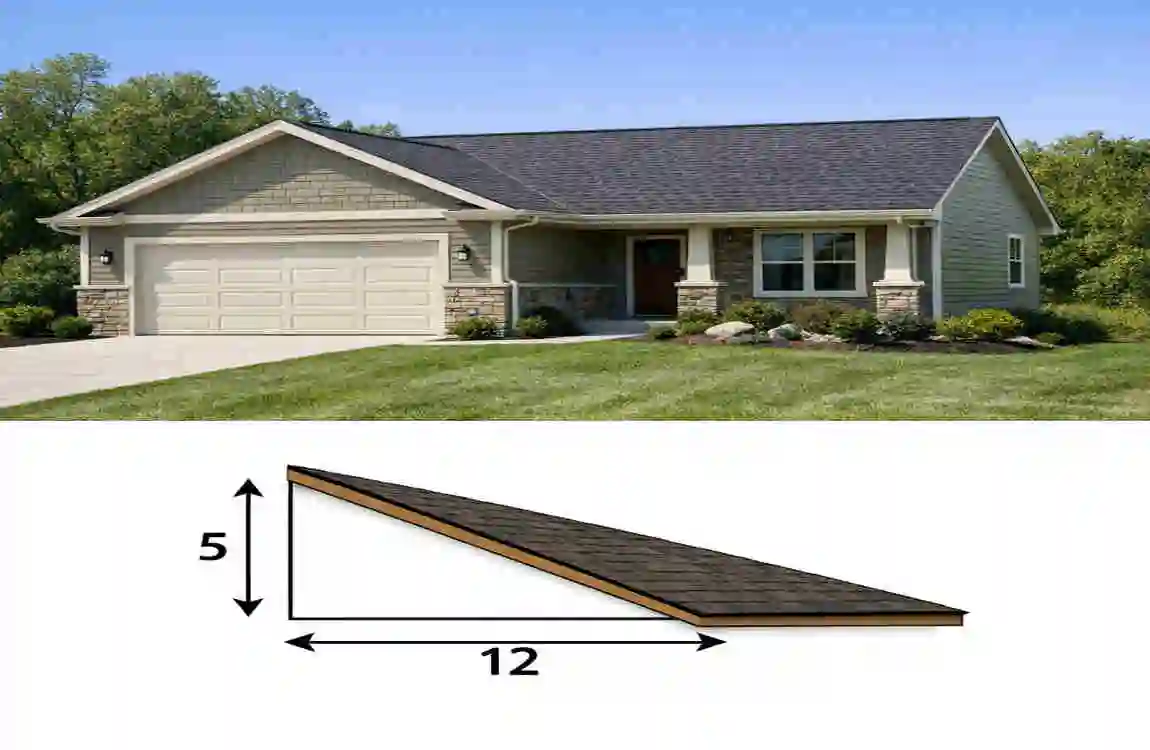
When it comes to roofing, one question many homeowners and builders ask is: Is a 5/12 roof pitch common in modern homes? You might have heard this term tossed around, but wondered what it really means and why it matters for your home. Simply put, a 5/12 roof pitch means the roof rises 5 inches vertically for every 12 inches it extends horizontally. This creates an angle of about 22.6 degrees, striking a balance between flat and steep roofs.
What Is a 5/12 Roof Pitch?
Basic Definition and Calculation
Understanding roof pitch starts with the simple ratio of rise over run. For a 5/12 roof pitch, the roof climbs 5 inches vertically for every 12 inches it stretches horizontally. This ratio translates mathematically to an angle using basic trigonometry:
Angle = arctan(rise/run) ≈ arctan(5/12) ≈ 22.6°
This means the roof forms about a 23-degree slope, which sits comfortably between very flat roofs (like 2/12, roughly 9.5°) and steep roofs (like 12/12, which is 45°).
Why does this matter? The pitch affects everything from the roof’s look to how well it handles rain and snow. A slope that’s too flat might trap water, while one that’s too steep could be costly and more complex to walk on.
Visual Representation
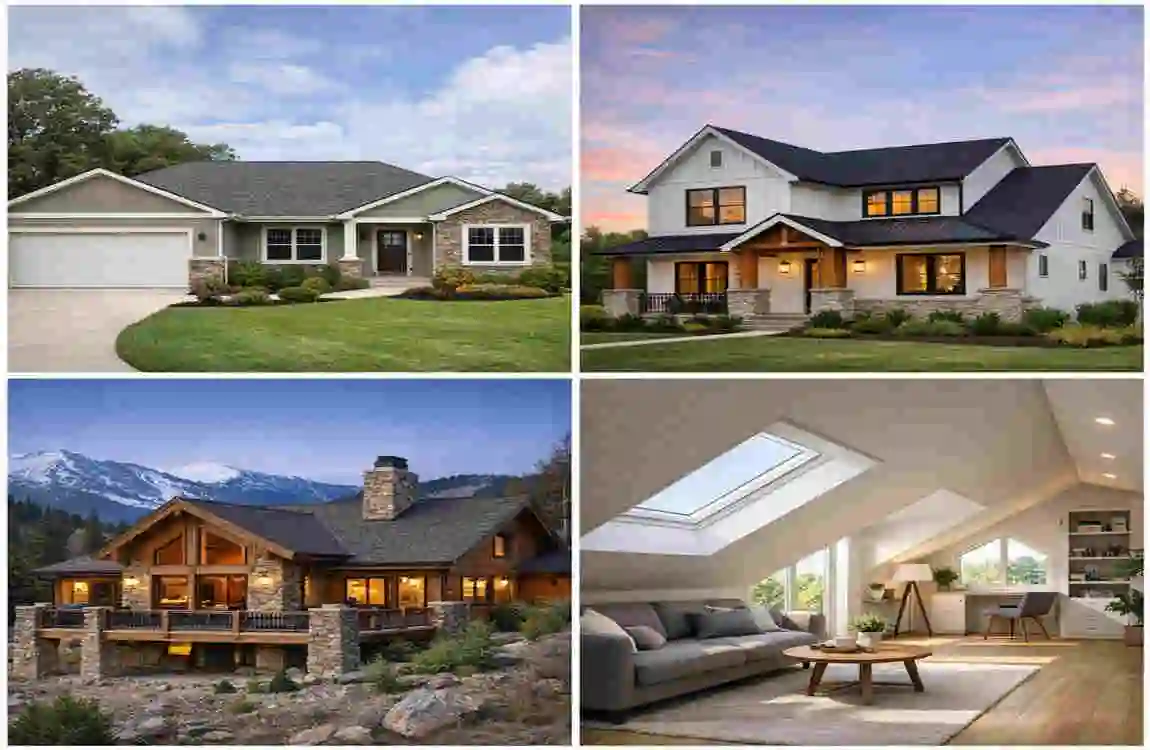
Visually, a 5/12 roof pitch is moderate—not too steep or too flat. It’s often seen on ranch-style homes, colonials, and many suburban houses. The roofline creates a pleasant, balanced silhouette that doesn’t appear too boxy or overly sharp.
Here’s a quick comparison of standard roof pitches for perspective:
PitchAngleCommon UseVisual Style
3/12 14° Sheds, modern Flat and sleek
5/12 23° Residential homes Balanced, classic
7/12 30° Traditional homes Steep and bold
Is a 5/12 Roof Pitch Common?
The short answer: Yes, a 5/12 roof pitch is quite common, especially in residential construction in the United States. It has been a favored choice for over 50 years, especially in suburban neighborhoods where moderate climates prevail.
Popularity in Residential Builds
Estimates suggest that about 20-30% of new homes built today feature a 5/12 roof pitch or one very close to it. This makes it one of the most widespread roof slopes you’ll encounter. Builders like this pitch because it meets building codes easily, works well with popular roofing materials like asphalt shingles, and balances cost with durability.
Where Is It Most Common?
- Ranch-style and split-level homes frequently use 5/12 pitches.
- Popular in the suburbs developed from the 1960s through the 2000s.
- Less common in snowy northern regions, where steeper pitches (6/12 or higher) help shed heavy snow better.
Popularity by Region
RegionPopularity LevelReason
U.S. Midwest High Moderate climate, suburban homes
Southern U.S. High Cost-efficiency, low snow risk
Urban neighborhoods , Low Preference for flat or low-slope roofs
Urban condos and modern city homes often lean toward flatter roofs, but the 5/12 pitch reigns in many single-family neighborhoods for its tried-and-true benefits.
Popularity Factors
Historical Use
The popularity of a 5/12 roof pitch surged post-World War II. The boom in affordable tract housing needed roofs that were:
- Affordable to build
- Efficient in materials
- Visually appealing without being flashy
Because this pitch hits a “sweet spot” between cost and function, it became the default for many builders creating suburban neighborhoods across America.
Current Stats and Surveys
Recent surveys of home builders show that the 5/12 pitch remains the top choice for moderate roof slopes. Builders often prefer it because it speeds up construction without sacrificing style or durability.
Some reasons cited for this preference include:
- Balanced aesthetics that suit many architectural styles.
- Good build speed compared to steeper pitches.
- Compatibility with a variety of roofing materials.
Pros of a 5/12 Roof Pitch
Why do so many homeowners and builders like this pitch? Let’s break down its advantages.
Affordable Construction
A 5/12 roof requires less roofing material and labor than steeper roofs, such as 7/12 or steeper. This translates into real cost savings, often 10-20% less expensive than steeper pitches. For budget-conscious projects, this is a big deal.
Excellent Drainage
The angle lets rainwater and melting snow run off efficiently, reducing the risk of leaks and water damage. Unlike flatter roofs, it avoids pooling water, which can cause serious problems over time.
Easier Maintenance and Safety
Because it’s not too steep, roofers can safely walk on a 5/12 roof, making inspections and repairs easier and less risky. This is a big plus for ongoing home maintenance.
Energy Efficiency
The moderate slope fits well with typical insulation methods, helping maintain steady indoor temperatures. This can improve your home’s energy efficiency and reduce heating or cooling bills.
Versatility with Materials
This pitch works well with common roofing materials, such as asphalt shingles and metal roofing. Its flexibility means you’re not limited in your design or budget choices.
Quick Summary List of Benefits:
- Cost savings: 10-20% cheaper than steeper roofs.
- Good water drainage: Reduces leak risks.
- Safe for roofers: Easier maintenance.
- Energy friendly: Better insulation fit.
- Material versatility: Compatible with shingles, metal, etc.
- Timeless look: Works for modern and traditional homes.
Cons and Challenges
No roof pitch is perfect. The 5/12 slope comes with some trade-offs to consider.
Limited Attic Space
Compared to steeper roofs, the attic space under a 5/12 roof is smaller. If you’re looking to maximize attic storage or install large mechanical systems, this might be a downside.
Snow Accumulation Risk
In areas with heavy snowfall, this pitch can lead to some snow buildup, increasing weight and the potential for ice dams. Steeper roofs shed snow more effectively.
Less Dramatic Curb Appeal
If you want a bold, steep roofline for dramatic effect, a 5/12 pitch can look understated or plain compared to higher slopes.
Pros vs. Cons Table
ProsCons
Low cost , smaller attic space
Easy access for maintenance , Moderate snow shedding
Good drainage , less striking curb appeal
5/12 Roof Pitch Examples
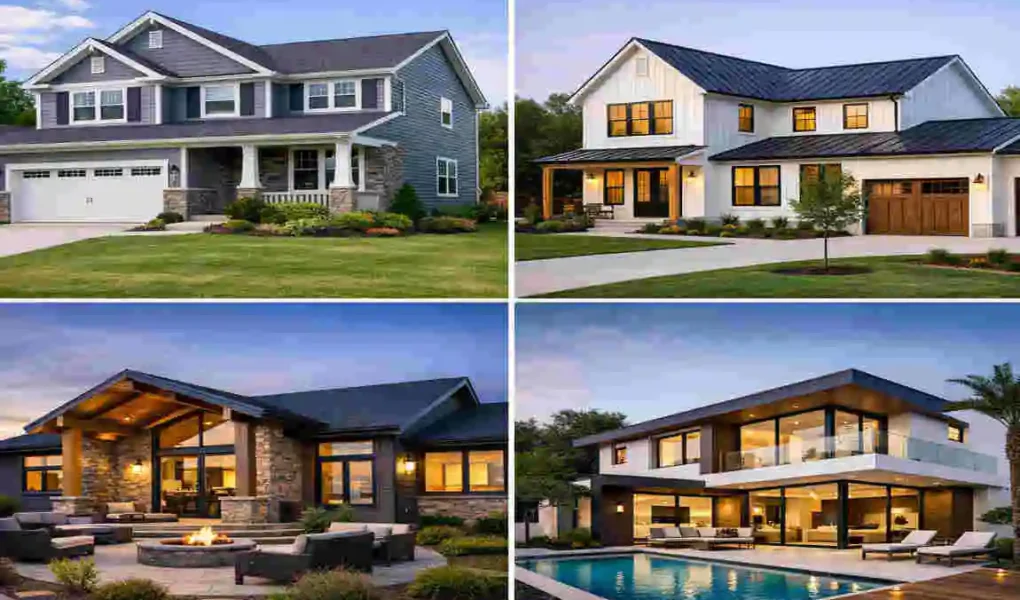
To help you visualize, here are some typical homes with a 5/12 pitch roof:
- Suburban Ranch Homes: These often feature the classic moderate slope, wide eaves, and simple lines.
- Split-level Houses: The 5/12 pitch balances multiple roof sections elegantly.
- Modern Builds: Some contemporary homes use this pitch for clean lines paired with sustainable materials.
Modern Home Trends
Shift to Steeper or Flatter Roofs?
While the 5/12 pitch remains dominant, trends are evolving. Some modern designs lean toward:
- Flatter roofs (4/12 or below): Popular in urban settings for solar panel installation and minimalistic aesthetics.
- Steeper roofs (6/12 and above): Favored in luxury homes for dramatic effects and better snow shedding.
Interestingly, the 5/12 pitch is still a top pick because it pairs well with green roofs and sustainable materials, which are becoming more common in 2026.
Eco-Friendly Angle
With rising interest in solar panels and green roofing, the moderate slope is ideal. It allows panels to be angled for sunlight without excessive roof complexity.
Competitor Pitches Compared
PitchTrend UseKey Reason
4/12 Urban, solar-friendly Flat look, easy solar setup
5/12 Suburban, versatile , balanced aesthetics and function
6/12+ Luxury, snow-prone areas Dramatic lines, snow shedding
When to Choose 5/12 for Your Home
Choosing the right roof pitch depends on your local climate, budget, and aesthetic preferences.
- If you live in a moderate climate with occasional rain and mild winters, a 5/12 pitch offers an outstanding balance.
- Budget-conscious homeowners will appreciate the cost savings versus steeper roofs.
- The style fits many traditional and modern designs without looking outdated.
Does 5/12 fit your home? Contact us for a personalized assessment to find the perfect pitch that matches your home and lifestyle.
FAQ
Is a 5/12 roof pitch steep?
No, it’s considered a moderate slope—not too flat or too steep.
Why is the 5/12 pitch popular?
Because it balances cost, durability, and aesthetics well.
Can a 5/12 pitch handle snow?
It works in moderate climates but may require extra care in heavy-snow areas.
This detailed guide explains why a 5/12 roof pitch is such a common and sensible choice. If you have any questions or want to discuss your roofing project, I’m here to help!