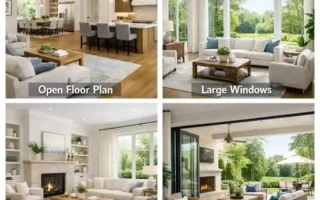
That’s the beauty of a mud house! These eco-friendly structures are making a comeback, not just as a sustainable choice but also as a reflection of traditional and modern aesthetics.
Interior design plays a pivotal role in transforming a mud house into a cozy, functional home. With the increasing popularity of sustainable living, designing the interior of a mud house has become a fascinating endeavor for homeowners and designers alike.
Why Choose a Mud House?
Eco-Friendly and Sustainable Living
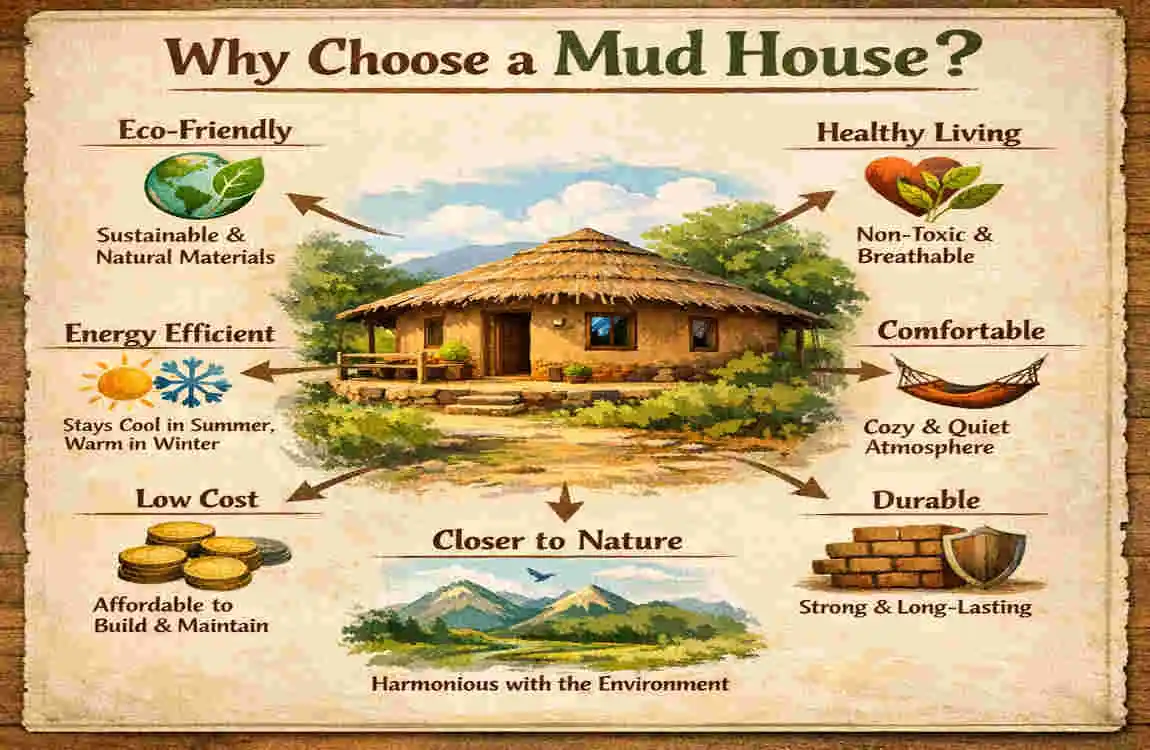
Mud houses are a dream come true for anyone passionate about living room in harmony with the environment. Mud, being a natural material, is 100% biodegradable and leaves a minimal carbon footprint during construction. Moreover, mud acts as a natural insulator, keeping the house cool in summer and warm in winter. This reduces the dependency on artificial heating and cooling systems, making it an energy-efficient choice.
Aesthetic Appeal
There’s no denying the earthy, rustic charm of a mud house. The soft tones of mud walls blend seamlessly with the surrounding environment, creating a home that feels connected to nature. The texture of mud walls and the organic shapes they form add a unique touch to the interiors, unlike the sterile uniformity of modern concrete homes.
Cost-Effectiveness of Mud Houses
Mud houses are not just eco-friendly; they’re also cost-effective. With locally sourced materials and minimal reliance on heavy machinery, construction costs are significantly lower than those of conventional homes. Additionally, their natural insulating properties help in saving energy costs in the long run.
Key Considerations Before Designing a Mud House Interior
Understand the Structure of Mud Houses
Mud houses are unique in their construction, which affects how their interiors are designed. Most mud houses rely on load-bearing walls, which means the walls are integral to the structure’s stability. This makes it essential to plan the interior layout around these structural elements. The design should also incorporate natural ventilation to enhance airflow and maintain a comfortable indoor environment.
Durability and Maintenance
While mud is durable, it does require some care to ensure longevity. Choosing protective finishes, such as limewash or natural plasters, can help prevent wear and tear. Additionally, regular maintenance, such as repairing small cracks, can go a long way in preserving the structure.
Climate Considerations
The local climate plays a significant role in the design of mud house interiors. In arid regions, thicker walls can help keep the interiors cool, while in wetter climates, waterproofing techniques are essential to prevent moisture damage.
Step-by-Step Guide: How to Mud House Interior Design
plan the Layout
Start by designing an open and spacious layout that promotes better airflow and natural light. Mud houses often have irregular contours, so use them to define cozy corners or naturally separate spaces. Be strategic with the placement of windows and doors to maximize cross-ventilation and natural lighting.
Choose Earthy and Sustainable Materials
The materials you use will define the look and feel of your mud house interior. Consider these options:
- Natural Materials: Opt for clay, bamboo, stone, and reclaimed wood to stay true to the house’s eco-friendly ethos.
- Flooring Options: Polished mud floors, terracotta tiles, or wooden planks create a warm and inviting atmosphere.
- Wall Treatments: Use lime-based paint or natural clay plaster. Add texture to the walls with hand-pressed patterns or embed stones for a unique design.
Incorporate Functional Furniture
When choosing furniture, prioritize handmade or recycled pieces that align with the rustic theme. Multipurpose furniture, like foldable tables or beds with storage, can help save space. Low-height seating and tables add to the cozy, grounded vibe of a mud house.
Lighting Design
Maximize natural lighting during the day by carefully positioning windows. In the evenings, use warm-toned LED or pendant lights to create a soft, intimate ambiance. Lantern-style fixtures can add a traditional touch.
Add Decorative Elements
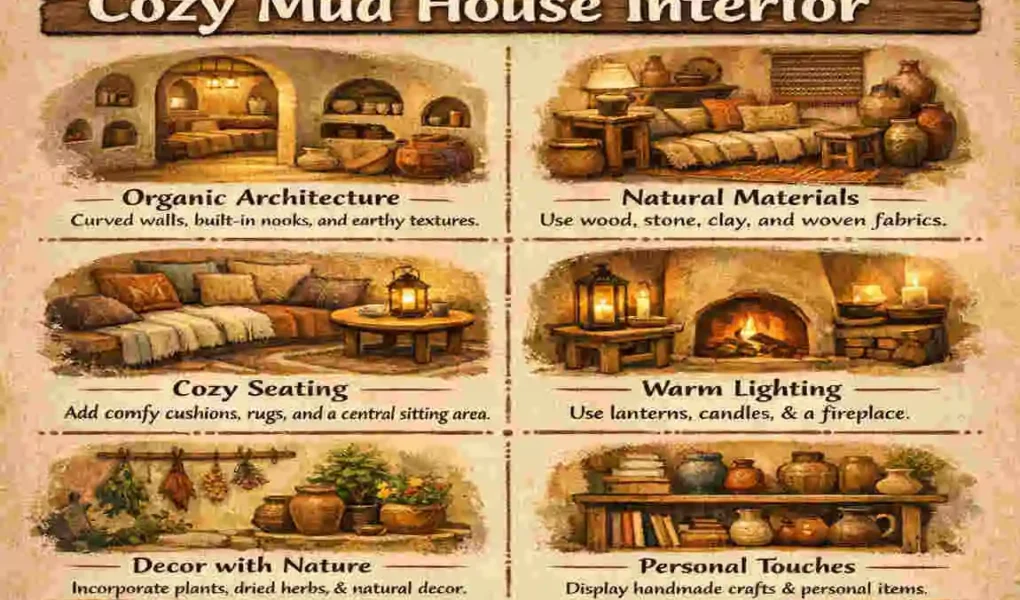
Infuse your space with personality through thoughtful decor. Add indoor plants to bring freshness and vibrancy. Use handmade textiles like rugs, cushions, and curtains in earthy tones to complement the natural setting. Wall art or murals inspired by nature or local culture can also make a striking statement.
Maximizing Comfort in a Mud House
Temperature Control Tips
Mud walls naturally regulate indoor temperatures, but you can enhance this with additional techniques:
- Ensure walls are thick enough for insulation.
- Incorporate cross-ventilation to maintain airflow and prevent overheating.
Acoustic Comfort
One of the underrated benefits of mud houses is their sound-absorbing properties. Thick mud walls dampen noise, creating a peaceful and serene indoor environment.
Cozy Nooks and Personal Spaces
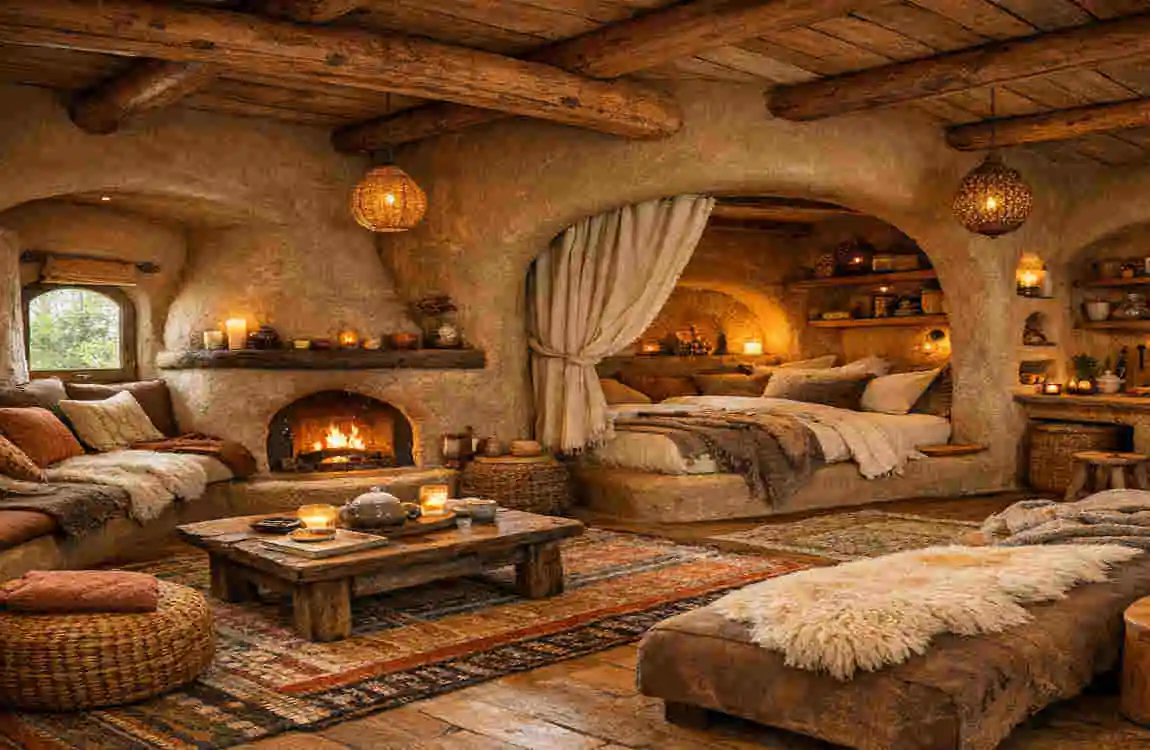
Create small retreats within your home, such as a reading corner by the window or a meditation area. Use cushions, rugs, and low furniture to make these spaces inviting and relaxing.
Challenges and Solutions in Mud House Interior Design
Challenge Solution
Moisture and Humidity Use waterproof coatings and proper drainage systems to prevent damp walls.
Pests opt for natural pest-repellent solutions like neem or citronella.
Structural Adjustments: plan for modern amenities such as wiring and plumbing during construction.
Inspiring Mud House Interior Ideas
Rustic Minimalism
Embrace the less-is-more philosophy by using earthy tones, simple furniture, and functional decor. Let the natural beauty of mud walls shine as the focal point.
Traditional Meets Modern
Combine traditional mud house elements, such as clay walls and bamboo ceilings, with modern furniture and appliances for a balanced look that’s both elegant and practical.
Global Inspirations
Take cues from mud houses around the world. For example:
- African huts often incorporate vibrant textiles and bold patterns.
- Indian mud houses feature intricate wall art and colorful accents.
Eco-Friendly Practices for Mud House Interiors
Recycling and Repurposing
Upcycling materials can add character to your interiors. For instance, old wooden doors can be turned into tables, or glass bottles can serve as decorative lighting fixtures.
Energy Efficiency
Consider installing solar panels for electricity and using energy-saving appliances. Natural cooling techniques, like strategically placed windows, can further enhance energy efficiency.
Benefits of Hiring a Professional Designer for Mud House Interiors

Expertise in Sustainable Practices
Professional designers are well-versed in eco-friendly techniques that ensure your home is both beautiful and functional.
Custom Solutions
They can tailor the interior design to match your specific needs, ensuring that every corner of your home is optimized for comfort and usability.
Saving Time and Resources
By avoiding common home design pitfalls, a professional can save you time, effort, and money in the long run.
FAQ: How to Design a Cozy Mud House Interior
Q What materials are best for mud house interiors?
A: Natural materials like clay, bamboo, stone, reclaimed wood, and natural plasters work best for durability and eco-friendliness.
Q How can I keep my mud house interior comfortable year-round?
A: Use thick mud walls for insulation, design good cross-ventilation, and add warm textiles and lighting for coziness.
Q Is mud house interior design expensive?
A: Generally, it is cost-effective because it uses locally available natural materials and sustainable practices.
Q How do I protect my mud house interior from moisture?
A: Apply waterproof coatings, ensure proper drainage, and use natural water-resistant finishes on walls and floors.
Q Can modern furniture be used in mud house interiors?
A: Yes! Mixing traditional mud house elements with modern, functional furniture creates a unique and comfortable space.
| Step | Key Actions | Benefits |
|---|---|---|
| Plan the Layout | Optimize natural light and airflow | Creates spacious, airy, and bright rooms |
| Use Natural Materials | Choose clay, bamboo, stone, and reclaimed wood | Enhances sustainability and aesthetics |
| Select Functional Furniture | Opt for handmade, multipurpose, low-height pieces | Maximizes comfort and space efficiency |
| Design Lighting | Combine natural light with warm-toned fixtures | Creates a warm and inviting atmosphere |
| Add Decor & Plants | Use earthy textiles, wall art, and indoor greenery | Adds coziness and a connection to nature |
| Address Comfort | Ensure insulation, ventilation, and quiet spaces | Maintains temperature and tranquility |
| Solve Challenges | Prevent moisture, pests, and adapt to modern needs | Increases durability and usability |