Building a new house is exciting, but it can also get expensive very quickly. One of the costs that often catches people off guard is the cost of electrical wiring for new house projects. Many homeowners focus on flooring, kitchens, or paint colors first, but the wiring behind the walls is just as important. In fact, it is one of the systems that most affect your home’s safety, comfort, and long-term value.
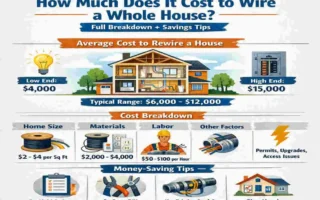
In 2026, the average electrical wiring cost for new house builds often falls between $8 and $15 per square foot. For a standard 2,000-square-foot home, that usually means a total cost of around $16,000 to $30,000. If you add smart home systems, EV charging, a larger service panel, Premium fixtures, or solar readiness, the number can go even higher.
Why does this matter so much? Because electrical work is not just another line item in your budget. It affects how many outlets you have, how well your appliances run, whether your future electric vehicle charger can be installed easily, and whether your home can safely handle modern power demands. It also has to meet local building codes and pass inspections. Cutting corners here can create problems that are expensive to fix later.
What Influences the Cost of Electrical Wiring in a New House?
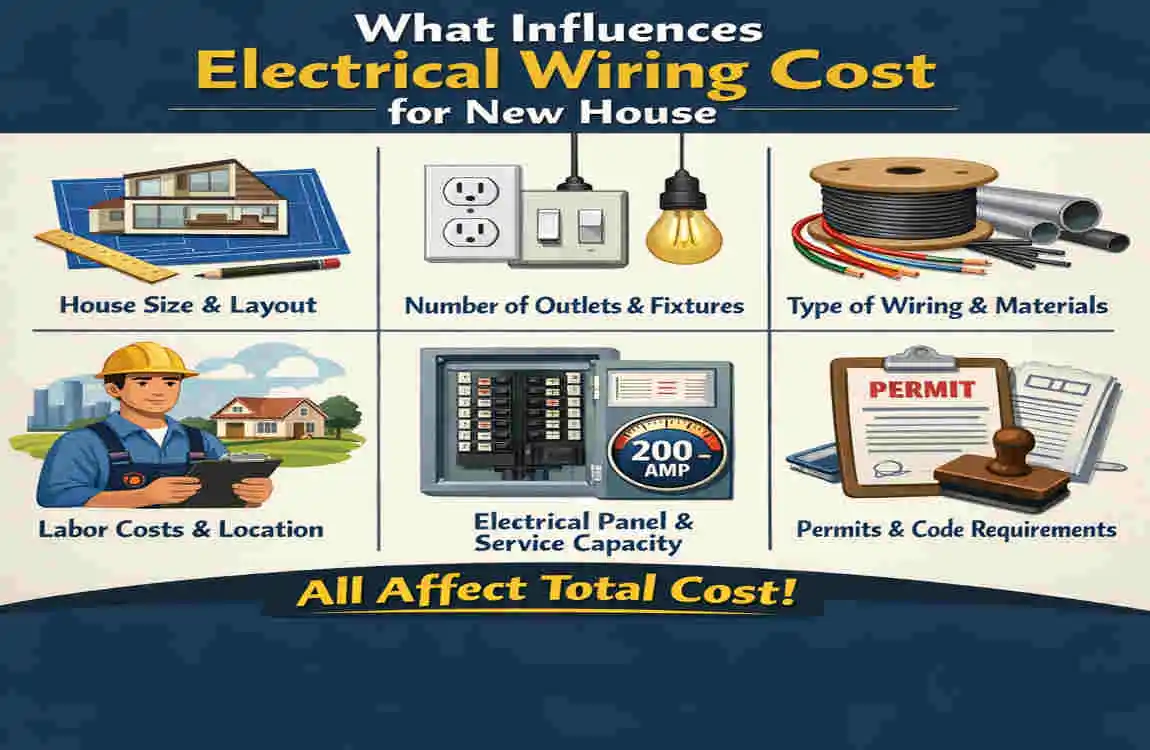
The electrical wiring cost for new house construction is never based on a single factor. A combination of size, layout, material choice, labor rates, and special features shapes it. Two homes with the same square footage can still have very different electrical budgets.
To help you see the big picture, here is a simple table showing the main cost drivers.
Factor Impact on Cost Example
House Size (sq ft) +$5 to $15 per sq ft 1,500 sq ft home: $12,000 to $22,500
Wiring Type (copper vs. aluminum) Copper can cost 20% to 50% more Copper: $1.50/ft vs aluminum: $0.80/ft
Outlets, Switches, and Circuits +$100 to $300 per extra point/circuit Smart home setup can add 15% to 25%
Service Panel Size Larger amperage means higher equipment and labor cost 100A panel is cheaper than 200A or 400A
Home Layout Complexity More walls, stories, and specialty rooms raise labor hours Open layouts are usually easier to wire
Location Costs can vary 20% to 40% by region California may average $12/sq ft, Texas around $8/sq ft
House Size and Layout
The bigger the house, the more wire, boxes, outlets, circuits, and labor it needs. That part is easy to understand. But size is not the only issue. Layout matters too.
A simple one-story rectangular home is usually easier and cheaper to wire than a multi-story home with vaulted ceilings, a home office, a home theater, and a detached garage. More corners, more rooms, and more custom features usually mean more labor hours.
If your new build has:
- a large kitchen with many appliances,
- several bathrooms,
- a workshop,
- outdoor lighting,
- or a finished basement,
your electrical plan will likely cost more than a house of the same size with a simpler layout.
Panel Size and Power Capacity
Your service panel is the heart of your home’s electrical system. It controls how much electricity your home can safely handle. Most standard homes use a 200-amp panel, but smaller homes may use 100 amps, while larger homes or all-electric homes may need 300 or 400 amps.
If your home will include high-demand systems like:
- central HVAC,
- electric water heaters,
- induction cooking,
- EV chargers,
- hot tubs,
- or solar battery storage,
you may need a larger panel from the start.
A larger panel increases electrical wiring costs for new house builds by raising both equipment costs and the labor required for installation. It can also affect utility connection fees in some areas.
Copper vs. Aluminum Wiring
Material selection directly affects the final budget. In most cases, copper wiring is the preferred option because it is durable, reliable, and widely accepted. It handles electrical flow well and is often seen as the safer long-term choice.
Aluminum wiring costs less, so it can reduce upfront expenses. However, local code rules vary, and electricians may use it only in certain situations, such as service entrance cables or large feeder lines.
If you choose copper throughout the home, expect to pay more. If aluminum is allowed for parts of the system, you may lower your material bill.
Number of Outlets, Circuits, and Fixtures
This is one area where costs can quietly climb. Every extra outlet, recessed light, ceiling fan box, dedicated circuit, and switch adds to the cost of parts and labor.
A modern home often needs more electrical points than older homes because daily power use is higher. Think about how many devices the average family uses now:
- phones,
- tablets,
- TVs,
- gaming systems,
- computers,
- kitchen appliances,
- and charging stations.
If you also want under-cabinet lighting, USB outlets, motion sensors, or dimmers, your total will rise further.
Smart Home and Specialty Features
Smart homes are becoming the norm, not the luxury. If you want smart thermostats, video doorbells, security systems, automated lighting, built-in speakers, or app-controlled switches, your electrician may need to run extra low-voltage lines, install special boxes, or coordinate with other trades.
These upgrades can increase new home electrical wiring costs by 15% to 25% depending on the level of automation.
Local Labor Rates and Permit Rules
Labor is often the largest part of your budget. In high-cost regions, licensed electricians charge more per hour, and permit fees can be higher as well. Local building rules may require more protective devices, more inspections, or stricter panel and grounding standards.
That is why the electrical installation cost per square foot can look very different in New York, Texas, London, or Lahore.
Average Electrical Wiring Cost for New House Breakdown
Now let’s get into the numbers most homeowners really want to know. This section provides a practical breakdown of house wiring costs to help you build a more accurate budget.
Per Square Foot Costs
A common way to estimate electrical wiring costs for new house projects is by the square foot. While exact pricing depends on the home and location, these 2026 averages are useful starting points.
- Basic electrical setup: $8 to $12 per square foot
- Modern or upgraded setup: $12 to $20 per square foot
A basic setup usually covers standard lighting, a regular service panel, basic outlet placement, and code-required circuits.
A modern setup usually includes more recessed lights, dedicated appliance circuits, smart features, higher-end panels, structured cabling, and future-ready additions like EV charging or solar prep.
Here is a size-based estimate table:
Home Size Basic Wiring Cost Modern/Upgraded Wiring Cost
1,000 sq ft $8,000 – $12,000 $12,000 – $20,000
1,500 sq ft $12,000 – $18,000 $18,000 – $30,000
2,000 sq ft $16,000 – $24,000 $24,000 – $40,000
2,500 sq ft $20,000 – $30,000 $30,000 – $50,000
3,000 sq ft $24,000 – $36,000 $36,000 – $60,000
4,000 sq ft $32,000 – $48,000 $48,000 – $80,000
These numbers are broad averages, but they help you see how quickly total cost grows with size and features.
Materials: Usually 30% to 40% of the Total
Materials make up a major part of the electrical wiring cost for new house work, though usually not as much as labor. The actual material bill depends on the quality level, the number of electrical points, and the wiring method.
Common material costs in 2026 include:
- Electrical wire: $0.50 to $2.00 per foot
- Service panel: $800 to $3,000
- Circuit breakers: $20 to $100 each
- Conduits: $1 to $3 per foot
- Electrical boxes: $2 to $15 each
- Outlets and switches: $3 to $50+ each depending on type
- GFCI/AFCI devices: higher than standard outlets and breakers
- Light fixture rough-in parts: varies based on fixture type
For many homes, total material costs range from $4,000 to $12,000. In larger or more advanced homes, they can go well beyond that.
Labor: Usually 50% to 60% of the Total
Labor is often the biggest piece of the budget. Electricians do much more than pull wire. They read plans, place boxes, install conduits, set the panel, connect circuits, test the system, label everything, and coordinate with inspectors.
Typical labor rates in 2026:
- $50 to $150 per hour depending on region and project complexity
Average labor time for a standard home:
- 40 to 80 hours for smaller or simpler builds
- 80 to 150+ hours for larger or more customized homes
That means labor costs often land around $8,000 to $20,000, and sometimes more for Premium builds in expensive areas.
Permits and Inspections
Permits are not optional. Proper permits and inspections protect you, your builder, and future buyers. They ensure the work complies with local code and safety standards.
Typical permit and inspection costs:
- $500 to $2,000
Some local areas charge more if the house is large, the service size is higher, or the inspection process requires multiple stages.
Extras and Upgrades
This is the category that often changes a “normal” wiring budget into a much larger one.
Popular extras include:
- EV charger wiring: $500 to $2,000
- Solar-ready wiring: adds 10% to 20%
- Generator hookup: varies widely
- Whole-home surge protection
- Smart lighting systems
- Home office dedicated circuits
- Security and camera rough-in
- Landscape lighting
These upgrades can be worth it, especially if you know you will want them later. Doing them during construction is usually much cheaper than retrofitting them after the house is finished.
Full Component Price Table
Here is a clearer look at the typical house wiring price breakdown for a 2,000-square-foot new home.
Component Low-End Cost High-End Cost% of Total Budget
Service Panel $800 $3,000 10% – 15%
Wiring, Outlets, and Switches $4,000 $10,000 40% – 50%
Labor $6,000 $15,000 50% – 60%
Permits and Fees $300 $1,500 5% – 10%
Optional Upgrades $1,000 $5,000+ Varies
Total (2,000 sq ft) $16,000 $30,000+ 100%
Regional Cost Differences in the US
Not all states cost the same. Labor, permit fees, and material pricing can significantly shift your budget.
Region Average Cost Per Sq Ft Notes
Northeast $10 – $15 Higher labor and permit costs
Midwest $8 – $12 Moderate pricing
South $7 – $10 Often lower labor rates
West Coast $11 – $16 High labor costs and stricter standards
If you are in a major metro area, expect to pay closer to the higher end.
International Comparison
If you are budgeting outside the US, the pricing structure changes. However, the same logic still applies: size, labor, materials, and features drive the total.
Market Typical Cost Range Notes
US $8 – $15 per sq ft Standard planning method
UK £100 – £150 per sq m Can rise in London and custom builds
Pakistan Rs 50 – Rs 100+ per sq ft Varies by city, finish level, and load demand
For readers in Lahore or other Pakistani cities, labor may be less expensive than in the US or UK. However, imported materials, copper prices, Premium fittings, and backup power systems can still push costs up. Homes that need inverter integration, generator support, or split AC-heavy loads often require a more careful electrical design.
A Simple Cost Formula You Can Use
If you want a quick estimate, try this:
Estimated cost = Total square footage × expected cost per square foot
So for a 2,500-square-foot home at $10 per square foot:
2,500 × $10 = $25,000
Then add:
- 10% to 15% for hidden costs
- More for smart systems, EV charging, or solar prep
This simple method will not replace a contractor quote, but it gives you a strong planning number.
Hidden Costs in New House Electrical Wiring
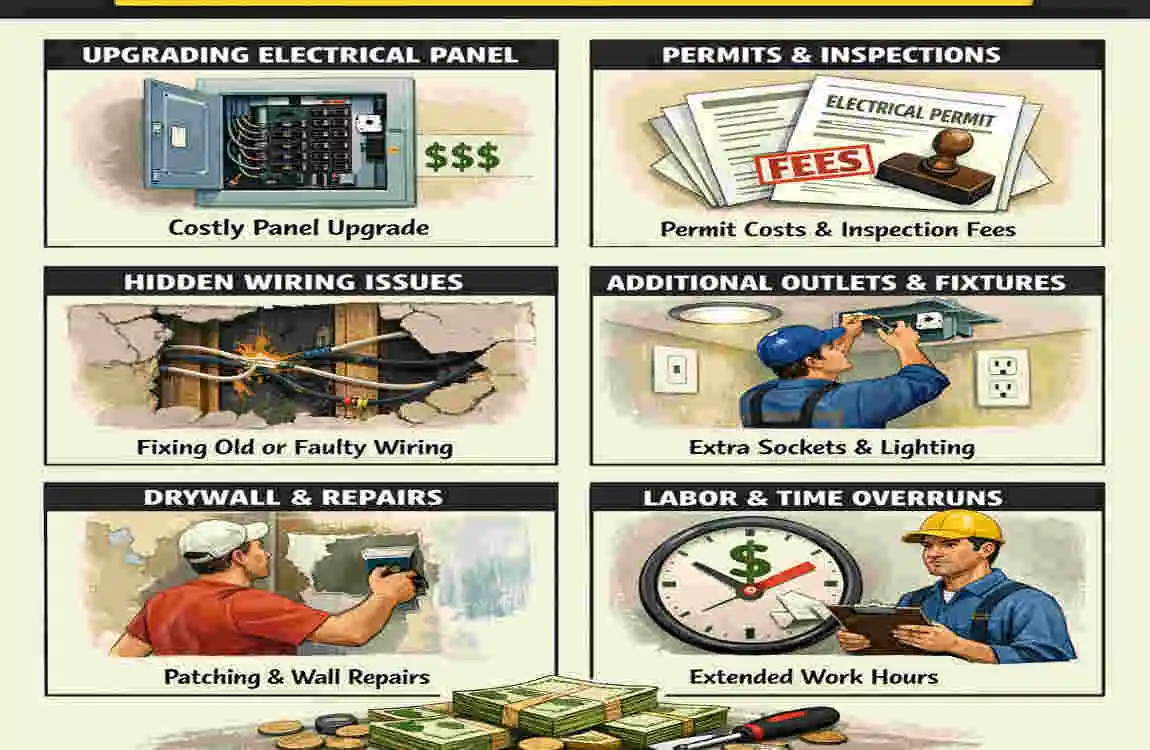
The published estimate is not always the final bill. Many homeowners budget for the main wiring work but forget about the smaller charges that show up during construction. These hidden items can add thousands to the total electrical wiring cost for new house projects.
Trenching and Utility Connection Work
If your home needs underground service from the road or a connection to a detached building, trenching can become a significant cost factor.
Typical trenching cost:
- $5 to $12 per foot
The final number depends on soil type, distance, depth, and whether the trench path is easy to access. Rocky ground, long runs, or extra conduit protection can increase the bill.
Drywall Repairs and Finish Work
In a brand-new house, this is usually less of an issue than in a remodel. But if plans change after rough-in, or if other trades damage electrical work, you may pay for repairs and rework.
Possible finishing costs:
- Drywall patching: $200 to $500 per room
- Repainting or touch-up costs may come after that
This usually happens when homeowners make changes late in the project, such as requesting extra lights or moving switch locations.
Code Upgrades and Safety Devices
Modern code rules require more protection than older homes needed. Depending on your local code, you may need:
- GFCI protection in wet areas
- AFCI protection in living spaces
- Tamper-resistant outlets
- Whole-home surge protection
- Dedicated appliance circuits
- Smoke and carbon monoxide detector interconnection
These are important safety features, but they can add $1,000 to $3,000 or more to the project.
Temporary Power and Site Conditions
Some new builds require temporary power setups during construction. If the site is remote or difficult to access, labor time can increase. Bad weather delays can also affect scheduling and labor efficiency.
These are not always obvious when you first ask for an estimate, but they still affect the final number.
Material Price Swings
Copper and electrical components do not stay at the same price all year. In 2026, many markets saw costs rise due to increased material demand, energy transition projects, and supply fluctuations.
A realistic note for 2026:
- Electrical costs are often 5% to 10% higher than 2025 in many areas
This matters if you get a quote early and do not lock pricing in quickly.
Budget Buffer: A Smart Move
One of the best ways to avoid stress is simple:
Set aside a 10% to 15% buffer for surprises.
Even if your electrician gives you a solid quote, unexpected site conditions, minor plan changes, or upgraded code requirements may still arise. A backup allowance gives you breathing room and helps you avoid rushed decisions later.
Cost-Saving Tips for Electrical Wiring in New Builds
Saving money on electrical work does not mean choosing the cheapest bid or cutting safety corners. The best savings come from smart planning, good timing, and making choices that fit your real needs.
Here are some practical ways to lower the electrical wiring cost for new house construction while still getting a solid, future-ready system.
plan Your Circuits Early
Late changes are expensive. If you decide after rough-in that you want more outlets, more recessed lights, or a dedicated office circuit, your electrician may need to redo work.
Spend time early in the planning stage and think through:
- where furniture will go,
- where TVs and desks will sit,
- where kitchen appliances will be placed,
- and where you will charge phones, laptops, and tools.
A good electrical plan reduces change orders and wasted labor.
Use Aluminum Strategically Where Code Allows
Copper is the Premium option, but it is not always necessary for every part of the system. In some cases, aluminum may be allowed for certain feeder applications or service conductors.
When approved and installed correctly, this can significantly reduce costs.
Possible savings:
- Up to 30% less in some material categories
Always ask your electrician what is allowed in your area and where aluminum makes sense without creating long-term drawbacks.
Choose a Panel That Fits Today and Tomorrow
A panel upgrade after the home is finished can be costly. It is often smarter to install a slightly better panel from the start, especially if you think you may later add:
- an EV charger,
- solar panels,
- a workshop,
- a hot tub,
- or all-electric appliances.
A modular or expansion-friendly panel can save money later by making upgrades easier.
Keep the Layout Efficient
A complicated electrical design means more labor. Grouping bathrooms, kitchens, and utility spaces efficiently can reduce long wire runs and simplify circuits.
This does not mean you need to change your whole floor plan to save on wiring. But if you are still in the design stage, even small layout improvements can help.
Buy Materials in Bulk if Possible
If your builder or electrician allows owner-supplied materials, buying in bulk may lower costs on:
- conduits,
- boxes,
- standard switches,
- basic outlets,
- and common breakers.
That said, be careful. Some electricians prefer to supply their own materials because they know the quality and compatibility. Always check with them before buying anything yourself.
Schedule Work in the Right Season
In some markets, contractor demand changes through the year. If you can schedule during a slower season, you may get better labor pricing or faster service.
This will not always be possible in a large build schedule, but it is still worth asking.
Do Only Safe DIY Prep Work
Licensed professionals should handle electrical wiring itself. But there may be limited prep work you can do legally and safely, depending on local rules and your builder’s approval.
Examples might include:
- clearing work areas,
- marking outlet locations,
- or helping organize low-risk material staging.
In some markets, homeowners may also run conduit under guidance, but this must be approved first. Never assume DIY electrical prep is allowed without checking code and contractor expectations.
Focus on Value, Not Just Price
The cheapest quote is not always the best deal. If a low bid omits surge protection, sufficient circuits, future-ready conduit, or proper labeling, you may pay much more later.
A better question to ask is:
“What do I get for this price?”
Look for a quote that balances:
- safety,
- code compliance,
- quality materials,
- clear panel capacity,
- and room for future upgrades.
install Energy-Efficient Lighting from the Start
LED-compatible lighting and smart controls may cost more upfront, but they lower your long-term power bills.
For many households, efficient lighting design can save hundreds of dollars per year, especially in larger homes with many fixtures.
Add Conduit for Future Upgrades
Even if you are not ready for solar, extra data lines, or a charger today, installing conduit paths during construction is much cheaper than opening walls later.
This is one of the smartest “save now, save later” decisions you can make.
Electrical Wiring Cost for New House: 2026 Trends
The way homes are wired is changing. In 2026, electrical planning is no longer just about getting lights and outlets working. It is about building a home that can handle modern living, energy efficiency, and future technology.
Smart Homes Are Becoming Standard
More homeowners now want built-in smart features from day one. This can include:
- app-controlled lighting,
- smart thermostats,
- doorbell cameras,
- occupancy sensors,
- smart switches,
- and structured wiring for networking.
These additions often increase the electrical wiring cost for new house builds by $2,000 to $5,000, depending on the level of integration.
EV-Ready Homes Are Rising Fast
Electric vehicles are driving major changes in residential wiring. Many new homes are now being planned with EV charging in mind even if the buyer does not yet own an electric car.
That usually means:
- dedicated garage circuits,
- larger panel capacity,
- and future-ready conduit routing.
In some areas, EV-ready rough-ins are becoming common expectations. They may become even more standard in upcoming code cycles.
Solar and Battery Compatibility Matter More
Energy costs and backup power concerns are pushing more homeowners toward solar-ready systems. Even if you are not installing solar right away, preparing the home for future battery storage or rooftop panels can be a wise move.
This may increase the initial cost, but it often reduces retrofit costs later.
Better Safety Expectations
Newer codes continue to push for stronger safety standards. More protective devices, better grounding, and smarter load planning all improve safety, but they also raise the average cost of new home electrical wiring compared with older years.
Material Costs Still Matter
Copper prices remain one of the biggest moving pieces in electrical budgeting. When copper rises, overall costs rise with it. That is one reason 2026 estimates in many places are running higher than 2025.
The bigger message is simple: homes are using more power than ever, and wiring plans now need to support that reality.
FAQs: Electrical Wiring Cost for New House
What is the average electrical wiring cost for new house per square foot?
In 2026, the average electrical wiring cost for new house projects is usually around $8 to $15 per square foot. A basic home may stay near the lower end. In contrast, a modern home with smart features, EV charging, and Premium electrical design can move closer to the higher end.
How much does it cost to wire a 2,500-square-foot new home?
A 2,500-square-foot home often costs around $20,000 to $37,500 for standard to upgraded electrical work. If the design is highly customized or includes advanced systems, the price may go beyond that.
Is copper wiring better than aluminum?
In many cases, yes. Copper wiring is generally more durable and widely preferred for residential use. It performs well and is often seen as the safer long-term choice. However, it is also usually 30% to 40% more expensive than aluminum in many applications.
Why is labor such a large part of the total cost?
Because wiring a home takes planning, installation skill, code knowledge, testing, and inspection coordination. Electricians do much more than connect wires. Labor often makes up 50% to 60% of the final budget because the work is specialized and must be done safely.
Do permits and inspections really add that much?
They can. Permit and inspection fees often range from $500 to $2,000, depending on location and project size. In some areas, they cost more if the home has a larger electrical service or more complex systems.
Can I save money by doing some of the electrical work myself?
In most cases, the actual wiring should be left to licensed professionals. Some homeowners may be able to help with minor prep tasks, but code rules vary. The safest and smartest choice is to let qualified electricians handle the installation and testing.
How much extra should I budget for hidden costs?
A good rule is to set aside 10% to 15% of your electrical budget as a buffer. This helps cover trenching, code upgrades, late changes, or material price increases.
Is smart home wiring worth the extra cost?
For many people, yes. If you plan to stay in the home for years, smart wiring can improve convenience, security, and future resale value. It is almost always cheaper to install the rough-in during construction than to add it later.