California attracts people for all kinds of reasons. Some come for the weather, some for the jobs, and some want to live closer to beaches, mountains, entertainment, or major tech hubs. From Los Angeles and San Diego to San Francisco and Sacramento, the state offers a lifestyle that feels exciting and full of options.
But once the dream starts to feel real, one question usually comes up fast: how much does it cost to rent a house in California?
The short answer is this: it depends heavily on the city, neighbourhood, and size of the home. Still, as a broad statewide estimate for 2026, a 3-bedroom house in California averages around $3,900 per month. In some cities, you may find homes priced between $2,200 and $2,800. In the most expensive markets, the monthly cost can easily rise above $4,000 to $4,500.
That wide range can make planning difficult. If you are moving for work, upgrading from an apartment, or trying to fit a family into a realistic budget, you need more than a rough guess. You need a clear breakdown.
Statewide House Rental Overview
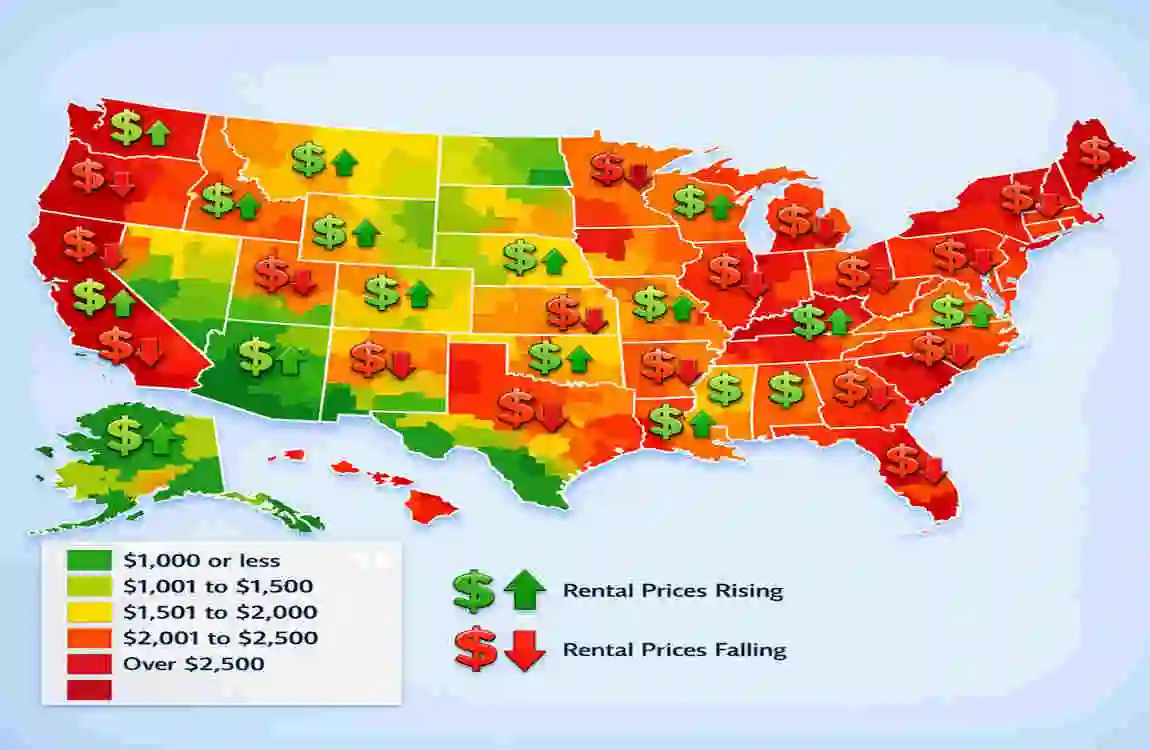
When people ask how much it costs to rent a house in California, they are often surprised by how different the answer can be from one market to another. California is not one rental market. It is really a collection of many local markets, each with its own pricing pressure.
A house in San Francisco, for example, works in a completely different price range than a similar stunning house in Bakersfield. Even within the same metro area, the rent can change sharply based on commute time, school district, parking, lot size, and whether the home has been updated.
Average House Rent by Bedroom Count
At the statewide level, smaller homes and larger family houses follow a clear pricing pattern. In general, the more bedrooms you need, the steeper the rent climbs. In California, the jump from a 2-bedroom to a 3-bedroom house can be significant.
Here is a simple statewide snapshot of estimated 2026 house rental costs:
Bedroom Count Average Rent Median Rent Typical Range
Studio $2,000 $1,875 $1,400–$2,850
1-Bed $1,920 $1,922 $875–$3,400
2-Bed $3,082 $2,945 $1,000–$6,500
3-Bed $3,929 $3,600 $1,555–$18,500
The big number many renters focus on is the 3-bedroom average of about $3,929 per month. That figure gives a strong answer to the question of how much it costs to rent a house in California if you need a family-sized home.
Still, averages only tell part of the story. Median rent often gives a more grounded view because ultra-luxury homes can pull the average upward. That is one reason some renters feel confused when they hear one statewide number but see very different listings in real life.
Houses vs Apartments in California
You should also keep in mind that houses usually cost more than apartments. A house gives you more space, more privacy, and often a yard, garage, or driveway. Those benefits come at a Premium.
If you are comparing options, a house may be the better lifestyle fit, especially for families, pet owners, or remote workers who need extra rooms. But the monthly payment will often be much higher than that of a similar apartment in the same city.
This matters because many people searching for how much it costs to rent a house in California are really trying to decide whether they can stretch from apartment living into a detached home. In many cases, the jump is possible, but it requires careful planning.
California Compared With the National Average
California sits well above the national average for house rents. A rough national rent for a house is often around $2,000 per month. In contrast, California’s statewide numbers for 2-bedroom and 3-bedroom houses are much higher.
That gap reflects several long-standing realities:
- Strong housing demand
- Limited housing supply in top job markets
- Higher land and construction costs
- Premium pricing in coastal cities
- Longer-term market pressure from population and jobs
Even so, not every California city is equally expensive. In 2026, some major metro rents have softened a bit, while many inland and suburban areas continue to grow.
Statewide Rental Direction
California’s 2026 rental market shows a mixed picture. Some high-cost urban centres have seen small year-over-year declines, especially where remote work has reduced pressure on central neighbourhoods. At the same time, more affordable suburban and inland cities have continued to attract renters looking for space and better value.
That means if you are wondering how much it is to rent a house in California, the answer is no longer just “very expensive.” A better answer is: expensive overall, but with more variation and more opportunities than before.
Major Cities: Northern California Breakdown
Northern California includes some of the most expensive rental markets in the country. It also shows some of the biggest shifts in renter behaviour. Tech job concentration, return-to-office policies, transit access, and changing neighbourhood preferences all affect prices here.
If you want to understand average house rent by city in California, Northern California deserves close attention.
CityAvg 3-Bed House Rent YoY Change
San Francisco $4,200+ -0.5%
San Jose $3,500 -1.8%
Oakland $3,200 +2.0%
San Francisco: Still Premium, Still Competitive
If you are asking how much to rent a house in San Francisco, California, prepare for one of the highest price tags in the state.
A typical 3-bedroom house in San Francisco costs $4,200 or more per month, and many homes in sought-after areas go well beyond that. Neighbourhoods with strong transit access, views, parking, or renovated interiors often command even higher rent.
The good news for renters is that the market has cooled slightly since its peak. A small year-over-year dip suggests that renters have gained a little breathing room. But “slightly lower” in San Francisco still means very expensive.
You are often paying for more than square footage here. You are paying for access to jobs, walkable neighbourhoods, culture, public transit, and a globally recognised city lifestyle.
San Jose: Tech Market Influence Remains Strong
San Jose sits at the heart of Silicon Valley, so house rents stay elevated even when the market softens. A 3-bedroom house averages around $3,500 per month, which keeps the city well above many other parts of the state.
Compared with San Francisco, San Jose may look slightly less painful on paper. But for many renters, it still feels expensive because commute patterns, school zones, and family-oriented neighbourhoods push prices up fast.
A modest yearly decline suggests the market is not racing upward the way it did in past years. That gives renters more room to negotiate, especially for listings that have been on the market longer than expected.
If you need a yard, garage, or a quieter suburban setting while staying close to major tech employers, San Jose may still make sense. Just expect to pay a Premium for that balance.
Oakland: Relative Value in the Bay Area
Oakland remains one of the more interesting markets in Northern California. It is not cheap, but it often looks more manageable than San Francisco. A 3-bedroom house averages around $3,200 per month, which can create meaningful savings for renters who want Bay Area access without the top-tier price.
For that reason, Oakland has attracted renters who want more space while staying connected to the larger regional economy. Parts of the East Bay have also gained attention as renters search for better value.
The result is a market that has seen some growth, even while nearby cities cooled. That tells you something important about 2026 rental behaviour: many renters are no longer focused only on the most famous zip codes. They are looking for space, flexibility, and monthly savings.
What Northern California Renters Should Expect
Northern California still carries strong price pressure, but the trend is more balanced than before. You may find:
- Slightly softer pricing in top-tier urban cores
- Better value in the East Bay and outer neighbourhoods
- Continued demand for family-sized homes
- Strong pricing for move-in-ready houses with parking or outdoor space
So, if your question is, “How much does it cost to rent a house in California?” You plan to live in the north, the realistic answer is usually $3,200 to $4,500+ in major markets, depending on the city and house quality.
Major Cities: Southern California Breakdown
Southern California has its own rental personality. The region blends entertainment, tourism, job centres, beach communities, and sprawling inland suburbs. That mix creates a wide spread of house rents.
Some areas remain extremely competitive, while others offer more space for the money. If you are comparing rent-a-house costs in Los Angeles, California, with nearby alternatives, this section will help.
CityAvg 3-Bed House Rent YoY Change
Los Angeles $4,000 -2.5%
San Diego $3,800 +3.0%
Riverside $3,000 Stable
Los Angeles: High Costs With a Softer Edge
Los Angeles remains one of the biggest rental markets in the country, and detached houses continue to command high prices. A 3-bedroom house in Los Angeles averages around $4,000 per month.
That said, the market has shown some softening. A year-over-year drop of around 2.5% suggests renters may have more options than they did recently. In practical terms, this means some landlords are adjusting expectations, especially in areas where demand is not as intense as before.
Still, LA is a city of many submarkets. A house in a central, trendy, or school-focused neighbourhood can cost far more than the metro average. Commute routes also matter a lot. Two homes with similar square footage can have very different rents depending on traffic patterns, neighbourhood reputation, and proximity to job centres.
For renters, the main lesson is simple: Los Angeles is still expensive, but it may be slightly more negotiable than before.
San Diego: Coastal Appeal Keeps Prices Strong
San Diego offers a different kind of Southern California appeal. It combines beaches, military presence, biotech jobs, universities, and a generally relaxed lifestyle. Those strengths continue to support strong rental pricing.
A 3-bedroom house averages around $3,800 per month. Unlike LA, this market has shown upward movement, with rent rising by about 3% year over year.
That increase reflects steady demand. Families, professionals, and remote workers all value San Diego’s quality of life. In many neighbourhoods, single-family homes are especially popular because they offer more privacy and livability than apartments.
So if you are asking how much it costs to rent a house in California, and San Diego is on your list, expect a Premium market that still has momentum.
Riverside: A More Affordable Inland Option
Riverside has become a key alternative for renters priced out of Los Angeles and Orange County. A 3-bedroom house averages around $3,000 per month, making it one of the more budget-friendly larger-city options in Southern California.
That does not mean cheap. It means cheaper relative to coastal markets.
Many renters choose Riverside because it offers more square footage, newer suburban developments, and more family-oriented neighbourhoods. The tradeoff is usually longer travel times and hotter inland weather.
The market has remained fairly stable, which can be good news for renters. Stable rent means fewer surprises, more consistent planning, and a better chance to compare listings without worrying about prices jumping each month.
Southern California in Real-World Terms
For many renters, Southern California feels like a tradeoff between lifestyle and cost. Coastal access, culture, and major job hubs draw people in, but that demand keeps rents under pressure.
If you want a quick planning range:
- Los Angeles: around $4,000
- San Diego: around $3,800
- Riverside: around $3,000
That spread shows why location matters so much. The answer to how much it costs to rent a house in California changes dramatically even within the same region.
Affordable Cities and Hidden Gems
Not every California renter needs to pay Bay Area or coastal Southern California prices. If you are willing to look inland or explore less-hyped cities, you may find significantly better value.
This is where the conversation gets more encouraging. For budget-conscious renters, the state still has places where luxury house rents feel more manageable.
CityAvg 3-Bed Rent Savings vs San Francisco
Bakersfield $2,200 $2,000+
Fresno $2,500 $1,700
Sacramento $2,800 $1,400
Bakersfield: One of the Lowest-Cost Options
Bakersfield stands out as one of the most affordable larger California markets for house renters. A 3-bedroom house averages around $2,200 per month, which can save you more than $2,000 compared with San Francisco.
That is a huge difference.
Bakersfield appeals to renters who prioritise space and affordability over coastal living. You may get a bigger yard, more bedrooms, and a lower monthly payment. For families or remote workers, that tradeoff can make perfect sense.
The city does not carry the same prestige or lifestyle branding as San Diego or San Francisco. Still, for many households, lower housing stress matters more than image.
Fresno: Budget Relief With Good Size Options
Fresno usually lands above Bakersfield but remains far below California’s most expensive metros. A 3-bedroom house averages around $2,500 per month.
That pricing can open doors for renters who have been squeezed out elsewhere. Fresno often attracts people looking for a more practical housing market, especially those who want a detached home without stretching their income too far.
You may not get the same job concentration or entertainment options as larger coastal cities. Still, the lower rent can free up money for savings, transportation, childcare, or debt payoff.
Sacramento: A Balanced Middle Ground
Sacramento has become an attractive middle ground. It is not as cheap as some inland cities, but it still offers better value than many coastal markets. A 3-bedroom house averages around $2,800 per month.
For renters who want a major city feel without the top-level Bay Area pricing, Sacramento can look appealing. It offers government jobs, expanding neighbourhoods, and a more moderate rent level than in San Francisco or San Jose.
Many renters see Sacramento as a compromise that works. You are not paying Premium coastal prices, but you still get urban amenities, employment access, and a broader housing stock.
Why These Cities Cost Less
The lower prices in these markets often come down to a few simple reasons:
- They are inland, not coastal
- They face less intense housing demand
- They attract fewer Premium lifestyle renters
- They often offer more land and lower development costs
That does not make them “lesser” options. It just means they serve a different renter profile.
If you are searching for how much it costs to rent a house in California on a budget, this is where your best opportunities often are.
Rental Market Trends and Predictions
To understand where rents may go next, you need to look at the broader California housing market trends shaping 2026.
The biggest headline is not runaway growth. It is rebalancing.
Why Some Metro Rents Are Cooling
Several major California metros have seen small rent declines, especially in the most expensive urban centres. One reason is the long tail of remote and hybrid work. When fewer people need to live right next to downtown offices, some demand shifts outward.
That does not mean cities are empty. It means renters have become more selective. Many now ask:
Do I really need to pay top-tier rent if I only commute a few days a week?
That question has pushed demand toward suburbs, secondary cities, and inland areas.
Why Some Suburban and Inland Markets Are Rising
While core metros have softened in places, inland and value-oriented markets have held steady or grown. That shift reflects simple math. Renters leaving expensive markets still need homes, and they often bring stronger budgets than local renters in lower-cost areas.
That creates upward pressure in cities that once felt comfortably affordable.
Estimated Rent Direction, 2024 to 2026
Here is a simple view of the recent pattern:
YearStatewide 3-Bed House TrendMarket Direction
2024 High and still climbing in many cities. Strong demand
2025 Growth slows Mixed market
2026 Around $3,900 average statewide, Modest growth, about 1%–2%
This pattern suggests that California is not in a rental free fall. Still, it is also not behaving like an overheated market everywhere. Instead, it looks more selective and more local.
Is Now a Good Time to Rent a House in California?
In many cases, yes. If you have been waiting for a calmer market, 2026 may be more renter-friendly than the last few years in certain cities.
That is especially true if you are looking in markets where rent has flattened or dipped slightly. You may have more time to compare homes, negotiate lease terms, or find incentives such as included parking or reduced move-in costs.
Still, “good time” depends on your target area. If you are shopping in San Diego or fast-growing inland pockets, you may still face strong competition.
Prediction: Modest Growth, More Negotiation
The most realistic statewide outlook is modest rent growth of about 1% to 2%, with clear local differences. Premium coastal markets may stay soft or stable. Affordable inland cities may continue to rise as demand spreads outward.
So if you are trying to answer how much it is to rent a house in California, not just today but later this year, the best expectation is this:
Prices will likely remain high overall, but the sharp jumps of earlier years may continue to cool in many major metros.
Factors Affecting House Rental Costs
Even within the same city, two modern houses can have very different rents. That is why broad averages help, but they never replace local comparison.
Location Premiums Matter Most
The biggest price factor is still location. Homes close to job centres, top schools, beaches, downtown districts, or public transit usually cost more. Even a short distance can change rent by hundreds of dollars per month.
Size, Layout, and Features Raise the Price
More bedrooms usually mean more rent, but layout matters too. A house with a home office, an updated kitchen, a fenced yard, a garage, or in-unit laundry often rents faster and for more money.
Newer homes or recently renovated properties also command a Premium because renters value convenience and lower maintenance.
Utilities and Everyday Living Costs Add Up
Rent is only part of the monthly picture. Utility costs have also become more important. In many areas, renters are paying more for electricity, water, trash, and internet than they expected. If utility costs rise by around 10%, your true monthly housing expense can feel much heavier.
Seasonality Can Change Your Deal
Rental prices often shift with the season. Spring and summer usually see higher demand because families prefer to move between school years, and the weather makes moving easier. During slower periods, some landlords may be more open to negotiation.
Pets, Parking, and Extra Needs
If you have pets, need extra parking, or want a fully fenced yard, you may pay more. These add-ons can push costs up by 5% to 10% in some markets.
This is why the answer to how much it costs to rent a house in California is not just a single number. Your real cost depends on the details that fit your life.
Budgeting and Cost-Saving Tips
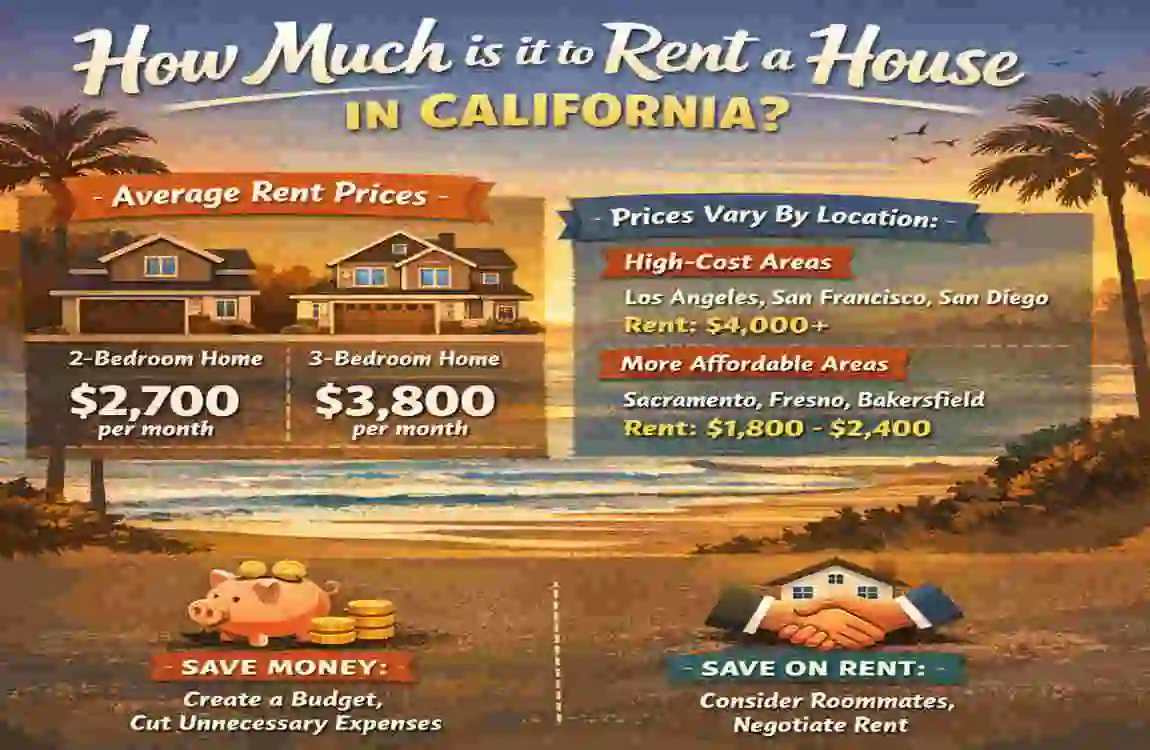
If you want to rent smart, focus on the total housing cost, not just the monthly listing price.
A house listed at $3,200 may end up costing much more once you include the security deposit, pet deposit, moving truck, utility setup, renters’ insurance, and any application fees. In many cases, you need to pay one to two months’ rent upfront when you move in.
Build a Real Monthly Budget
Start with rent, then add:
- Utilities
- Internet
- Parking or garage fees
- Pet costs
- Renter’s insurance
- Moving expenses
- Basic maintenance items or lawn care, if required
That full number matters much more than the advertised rent.
Practical Ways to Lower Your Costs
If you are serious about saving money, these strategies can help:
- Look just outside the hottest neighbourhoods. Even a slight move outward can sharply cut rent.
- Consider inland or suburban cities. The value difference can be dramatic.
- Shop during slower rental seasons. Landlords may be more flexible.
- Ask about lease incentives. Some owners may reduce the rent or include extras.
- Share a larger house with roommates. This can significantly lower your individual cost.
- Compare the total commute cost to the rent savings. A cheaper house is not always cheaper if transport costs jump.
- Negotiate in softer markets. If a home has been listed for a while, ask respectfully.
A Smart Renter’s Mindset
The best approach is simple: stay realistic, compare widely, and move only when the numbers truly fit your budget.
If you are asking how much it costs to rent a house in California, do not stop at the headline rent. Look at the full monthly burden, because that is what determines whether the luxury home is actually affordable.
Quick FAQ Version
How much is it to rent a house in California?
A good statewide benchmark is $2,825 per month, which is Zillow’s median rent for all bedrooms and all property types in California .
Is that the price for a house specifically?
Not exactly. That number includes all property types, so it should be used as a general guide, not a house-only average .
Why does the price vary so much?
California rents change sharply by location. In San Francisco, for example, the average rent is about $3,587 for a one-bedroom and $4,916 for a two-bedroom .
Is California still expensive for renters?
Yes. A housing affordability study found that a full-time minimum-wage worker in California can comfortably afford only about $832 per month in rent, which shows how stretched the market is for many renters .