Buying furniture is an investment in your lifestyle, but even the most luxurious velvet sofa or custom oak dining table can cause frustration if it doesn’t fit. Measuring a room might seem simple, but professional interior designers treat it like a detailed technical check. To be truly accurate, you need to think beyond just the length of a wall and consider the full three-dimensional space of your home. Here’s a professional guide to making sure every piece fits perfectly.
The Professional Toolkit
Before you start measuring, make sure you have the right tools. Accuracy depends on good equipment. A 25-foot locking steel tape is the standard choice. Avoid fabric tapes because they stretch and lose accuracy. A laser distance meter is handy for measuring high ceilings and long distances where a tape might droop. Keep painter’s tape nearby to mark the furniture’s footprint on the floor after measuring. To check if your walls are square, mark two points on adjacent walls and measure the diagonal between them. If the corners aren’t perfectly square, plan to leave a little extra space for your furniture.
Mapping the True Floor Space
A common mistake is measuring from wall to wall, but furniture rarely sits right against a bare wall. Always measure from the front edge of baseboards or chair rails since these details take up important space. If you have floor heaters or radiators, measure from the outer edge of those units, not the wall behind them. Putting furniture too close can block heat flow and create safety issues. Also, remember to leave enough room for doors to swing open fully without hitting your new sideboard or armchair.
Mastering the Vertical Dimension
A room is a cube, not a square, and achieving total accuracy requires measuring the vertical constraints that are frequently overlooked. A room is three-dimensional, not just flat, so you need to measure vertical spaces that often get overlooked until delivery day. Begin by checking the height of the window sills to ensure desks or consoles will fit underneath. It’s also important to note the height and position of every electrical outlet and light switch so you don’t accidentally block your only power source with a new headboard. Don’t forget to look for crown molding, sloped ceilings, or wall lamps that could get in the way of tall wardrobes or bookshelves with specific dimensions, without giving up style. If you’re dealing with a bigger space or just can’t find furniture that fits quite right, it’s worth looking into places like Globus. They offer furniture to your exact measurements, which helps a lot when the usual store options don’t really work. It just makes everything come together the way you pictured it, instead of trying to make standard pieces fit.
The Logistics Audit: Will It Get Inside?
Even the most accurate room measurements won’t help if the furniture can’t fit through your front door. This is where many projects run into trouble.
- The Narrowest Point. Measure the width and height of every doorway, hallway, and stairwell the piece must travel through.
- The Pivot Point. If your hallway has a sharp turn, the length of the furniture becomes the bottleneck. Ensure the ceiling height in the hallway is high enough to allow for tilting the piece during the turn.
- Elevator Dimensions. If you live in an apartment, don’t forget to measure the elevator door and the depth of the internal cabin.
The Safety Buffer Rule
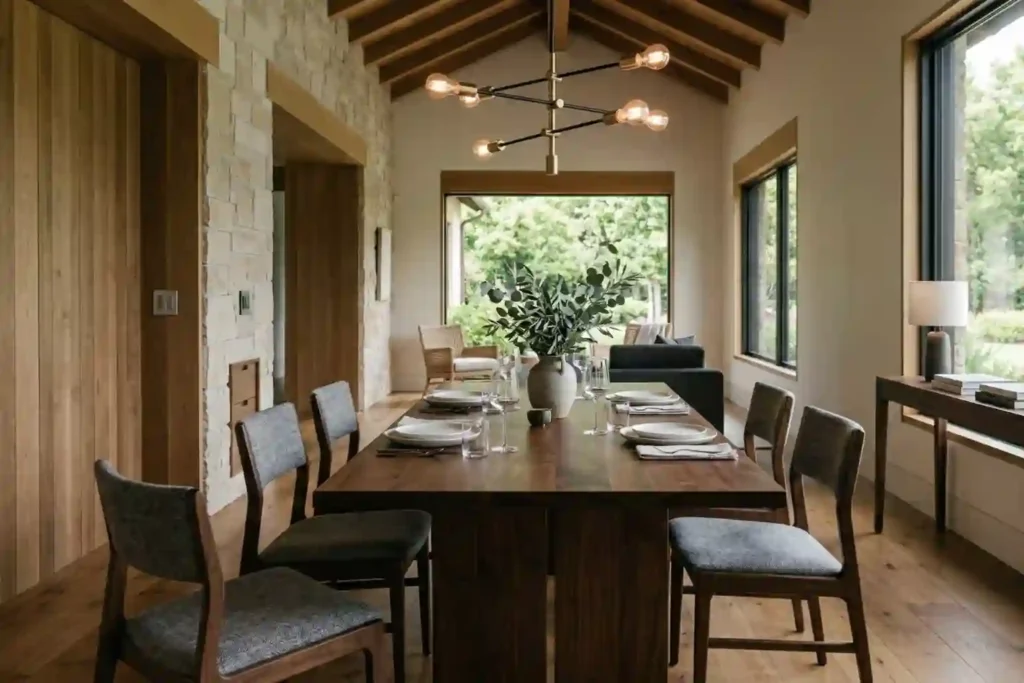
Professional designers always leave a safety buffer. Never buy furniture that fills the entire space exactly. Floors aren’t usually level, and walls aren’t perfectly straight. Leaving a 2-inch margin gives your furniture room to breathe and makes assembly easier, while accounting for any hidden quirks in your space. This extra clearance also prevents the furniture from looking forced into a corner, which can make a room feel smaller and more cramped than it actually is. Furthermore, it allows for natural air circulation behind larger pieces, protecting both your walls and your investment from potential moisture buildup or scuffing.
Creating the Tape Layout
Before you buy or sign anything, use painter’s tape to mark the exact size of the furniture on your floor. This turns abstract measurements into something you can see and feel. Walk across the room as usual—carry a laundry basket, open cabinets, or pull a chair to check if anything bumps into walls.
This hands-on check shows flow problems that a paper sketch can’t catch. If the path to the window feels cramped or the room suddenly seems tight, you can rethink your choice before an expensive mistake arrives. Living with these tape outlines for a day gives you a real feel for how your space will work and flow.
Final Thoughts
Measuring properly isn’t just about writing down numbers. You also have to think about things that are easy to miss — like how deep the baseboards are, where the light switches sit, or whether a hallway is tighter than it looks. When you start seeing the room as a real, three-dimensional space instead of just a sketch, it helps you avoid a lot of frustration later (especially on delivery day).
Taking this kind of approach makes it much easier to choose furniture that actually works, not just visually, but in everyday use too. Whether you’re setting up a small, cozy corner or a larger space, paying attention to the details really makes a difference.
In the end, a well-measured room just feels right. Everything fits, nothing looks out of place, and you don’t have to second-guess your choices because you’ve thought it all through from the start.