Imagine you are standing in an architect’s office, staring down at the blueprints for your brand-new dream home. You love the layout, the giant windows, and the spacious kitchen. But then, your builder turns to you and asks a highly technical question about the roof.
They want to know if you prefer a 10/12 or a 12/12 roof pitch. If you are like most homeowners, you might blink in confusion. What do those numbers even mean? Which one looks better? Which one will protect your home from harsh weather? And most importantly, how do you decide?
Choosing the right roof slope is a major dilemma for anyone building a new house or planning a massive renovation. It is not just a structural detail that builders care about; it drastically changes how your home looks from the street.
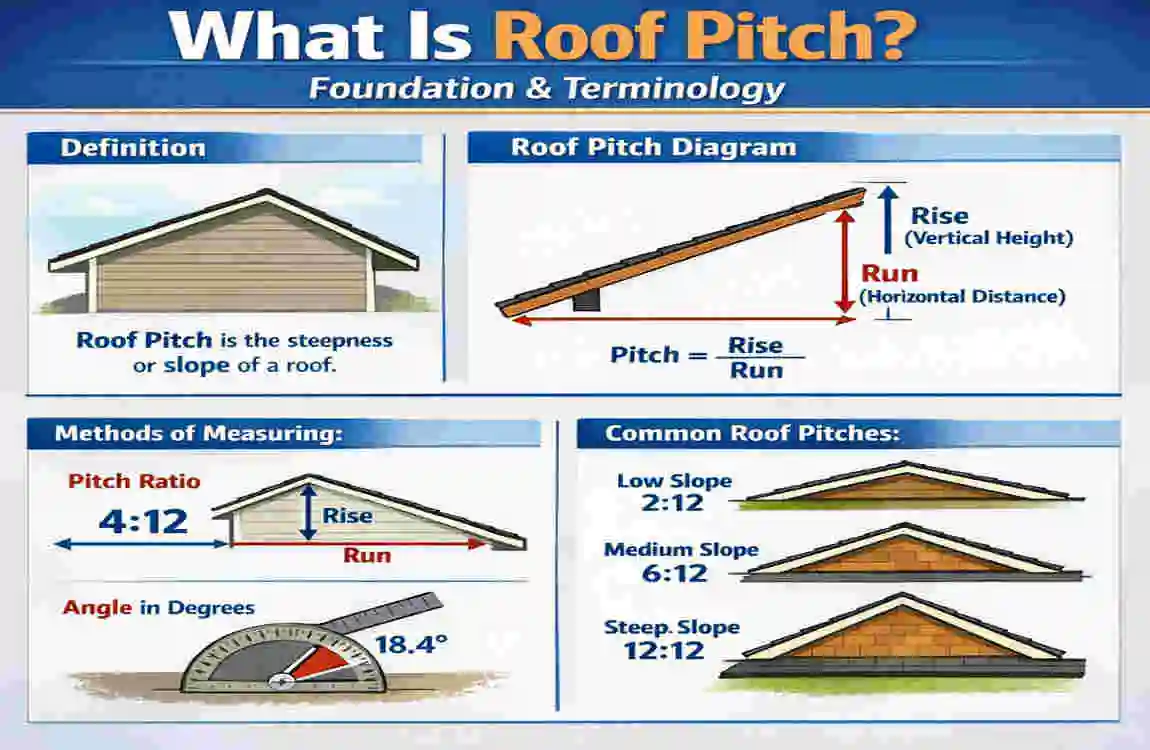
In simple terms, roof pitch refers to how steep a roof is. Builders express this steepness as a ratio, typically called “X in 12.” This means for every 12 inches your roof travels horizontally (the run), it rises a certain number of inches vertically (the rise).
If you are aiming for a striking, modern look, you are likely deciding between two very popular, steep options. But what is the difference between 12 12 and 10 12 house pitch roofing?
What Is Roof Pitch and Why Does It Matter for Houses?
Before we can compare these two specific styles, we need to understand the basic foundation. When you ask, ” What is the difference between 12 12 and 10 12 house pitch roofing?, the answer starts with understanding roof pitch itself.
As we mentioned, roof pitch is simply the measurement of vertical rise per 12 inches of horizontal run. Picture a carpenter holding an L-shaped ruler, known as a framing square. The horizontal part of the ruler represents the “run” (always 12 inches). The vertical part represents the “rise.”
To give you some context, let’s look at a few common pitch ranges:
- Low-pitch roofs: These range from 2/12 to 4/12. You often see these on mid-century modern homes or ranch-style houses. They are relatively flat and easy to walk on.
- Medium-pitch roofs: These range from roughly 6/12 to 8/12. This is the standard, everyday roof you see on most suburban homes. It sheds water well and is safe for roofers to navigate.
- High-pitch roofs: These range from 10/12 to 12/12 and beyond. These are steep, dramatic, and instantly catch the eye.
Both 10/12 and 12/12 fall firmly into the steep-pitch category. They are widely used in luxury homes, traditional historical builds, and cutting-edge modern designs.
But why does this angle matter so much? Because your roof pitch dictates almost everything about the top half of your house. It affects the total square footage of your roof, which directly influences how much material you have to buy. It changes the overall silhouette and curb appeal of your property. It even dictates whether you get a cramped, useless attic or a beautiful, spacious bonus room upstairs!
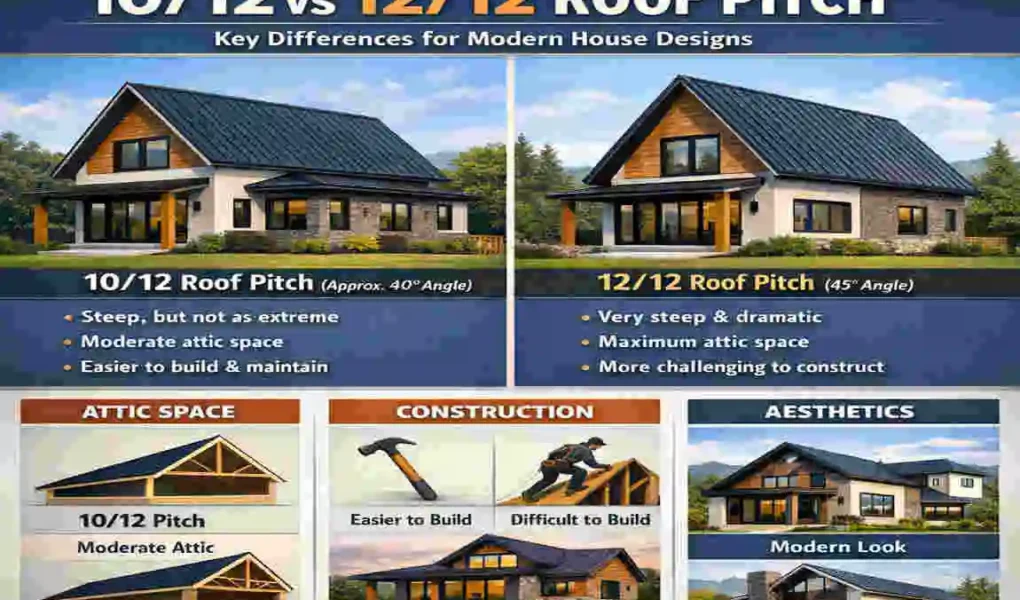
To give you a quick visual, using a simple formula: a 12/12 roof pitch creates a perfect 45-degree angle. Meanwhile, a 10/12 roof pitch creates an angle of roughly 39.8 degrees. While that five-degree difference might sound tiny on paper, it makes a massive difference when you scale it up to the size of an entire house.
What Is a 10/12 Roof Pitch and Where Does It Work Best?
Let’s look at the first option on your blueprint. A 10/12 roof pitch means that for every 12 inches the roof goes across your attic floor, it goes up 10 inches toward the sky. As we established, this creates a slope of nearly 40 degrees.
This is a distinctly steep roof. It is not something you will see on a basic, budget-friendly starter home. Instead, this pitch is highly popular in modern, design-focused architecture.
When you drive through a high-end neighborhood, you will see the 10/12 pitch used extensively. It is the signature look for modern farmhouse designs, which rely on sharp, clean lines. It is also perfect for Craftsman-style homes, offering a bold but welcoming facade. Furthermore, it is incredibly common in regions that experience heavy rain or moderate snow, as the steep angle forces water right off the edge.
The Design Benefits of a 10/12 Pitch
Why do architects love this slope? For starters, it adds incredible vertical height and visual drama to your roofline. It makes a single-story house look much grander and more imposing from the curb.
Additionally, it is a fantastic trick for creating extra interior space. Modern home designs often feature open-plan layouts with soaring vaulted ceilings. A 10/12 pitch allows you to expose those beautiful wooden trusses inside the house. Alternatively, it gives you enough headroom to build a cozy loft, an extra bedroom, or a functional home office in the attic.
Structural and Practical Advantages
From a structural standpoint, a 10/12 pitch is a massive winner. It provides excellent water- and snow-shedding capabilities. Rainwater cannot pool on a surface this steep, thereby drastically reducing the risk of roof leaks.
But here is a crucial detail that builders love: a 10/12 pitch is significantly easier to walk on than a 12/12 pitch. While it is still steep and requires safety gear, a skilled roofer can generally navigate a 10/12 roof for maintenance, inspections, and shingle repairs without extreme difficulty.
It is also generally more cost-effective than going fully vertical. Because it uses slightly less lumber and fewer roofing materials than a 12/12 pitch, it keeps your framing budget in check. You can easily pair a 10/12 pitch with common materials like standard asphalt shingles, sleek standing-seam metal panels, or high-end composite slats.
What Is a 12/12 Roof Pitch and When to Choose It?
Now, let’s turn our attention to the steeper contender. A 12/12 roof pitch means that the roof rises 12 inches for every 12 inches it runs horizontally.
Because the rise and run are identical, this creates a perfect, symmetrical 45-degree slope.
This is an incredibly sharp, dramatic angle. It is not for the faint of heart, and it is certainly not for every neighborhood. A 12/12 pitch makes a massive architectural statement. It dominates the house’s visual presence.
You will typically see this extreme pitch in specific architectural styles. Think of mountain-style lodges, chalet-inspired cabins, Victorian replicas, and very high-style contemporary homes. In these designs, the roof isn’t just a lid to keep the rain out; the roof is the main feature of the house.
Structural Implications to Consider
While it looks spectacular, a 12/12 pitch comes with significant structural realities you must prepare for. First and foremost, a steeper pitch means a much larger roof surface area. If you take a standard house footprint and change the roof from flat to 12/12, the roof’s square footage practically doubles.
More roof area naturally leads to higher material costs. You will need more wood for the trusses, more plywood for the decking, more waterproof underlayment, and way more shingles.
You also have to account for a heavier “dead load.” This means the roof itself is much heavier, requiring a more complex and robust framing system to support it.
Interestingly, while a 12/12 pitch gives you a very tall peak in the attic, it doesn’t always translate to great usable floor space. Because the walls slant inward at such a sharp 45-degree angle, you lose a lot of functional floor area around the edges of the room.
The Practical Pros and Severe Limitations
So why do people choose it? For one, it offers unparalleled, superior drainage. Whether you are dealing with monsoon-like rain or ten feet of heavy winter snow, gravity works incredibly fast on a 45-degree angle. Snow slides off, preventing roof collapses.
Furthermore, the sheer height of a 12/12 roof makes it very easy to hide unsightly mechanical elements. You can easily tuck large HVAC vents, plumbing stacks, and chimney flues behind the massive roof slopes, keeping the front of your house looking pristine.
However, we must mention the limitations. A 12/12 roof is incredibly hard to walk on. In fact, it is considered dangerous. Roofers cannot stand flat-footed on a 45-degree slope. They must use specialized roof jacks, scaffolding, and safety harnesses. This extreme fall risk means you absolutely need experienced roofers, and their labor costs will reflect the job’s danger.
10/12 vs 12/12 Roof Pitch: Side-by-Side Differences
Now that we understand each pitch individually, it is time to put them head-to-head. If you are sitting with your contractor, trying to make a final decision, you need to know exactly how these two options compare.
Let’s break down the core comparison. So, what is the difference between 12 12 and 10 12 house pitch roofing? It comes down to angle, cost, weather behavior, and how you want your modern house to look.
Angle and Visual Impact
The most immediate difference is how the house looks to a person standing on the sidewalk. As we noted, a 10/12 pitch sits at roughly 39.8 degrees, while a 12/12 pitch is a sharp 45 degrees.
A 12/12 roof looks significantly steeper. It is incredibly “bold.” It catches the eye instantly because the roof accounts for a large share of the home’s overall visual profile. If you want a fairy-tale cottage or a dramatic mountain retreat, 12/12 delivers that aesthetic.
A 10/12 roof, on the other hand, balances modern flair with everyday neighborhood scale. It looks tall and impressive, but it doesn’t overwhelm the rest of the house. It allows your windows, front door, and siding to share the spotlight with the roofline.
Roof Area and Cost
When it comes to building a house, geometry equals money. A 12/12 pitch creates a substantially larger roof surface than a 10/12 pitch over the same house footprint.
Because of this increased surface area, a 12/12 roof demands more raw materials. You will pay for more timber, extra nails, rolls of underlayment, and bundles of shingles. Add in the danger pay for the roofers working on a 45-degree angle, and you are looking at a significantly higher total cost.
A 10/12 pitch often reduces material use by 10% to 15% compared to a 12/12 pitch. For budget-conscious modern home builders, a 10/12 pitch is often seen as the sweet spot. It provides a “luxury look that feels expensive” without the shocking 12/12 price tag.
Weather Performance (Rain, Snow, Wind)
Both of these steep pitches shed water brilliantly. You will rarely have to worry about water pooling or leaking through the shingles on either option.
However, in heavy snow conditions, they behave slightly differently. A 12/12 roof sheds snow incredibly fast. The snow rarely has time to accumulate into heavy, dangerous blocks. Gravity pulls it down.
A 10/12 roof will shed snow very well, but because the angle is a bit shallower, it may hold a layer of snow temporarily. This isn’t usually a problem, but it is a slight difference.
Wind is another factor. Steeper roofs act like a sail on a boat. A 12/12 pitch presents a massive, flat surface to high winds, which can lead to intense “wind uplift” forces. Depending on where you live, local building codes might require extra-strong hurricane brackets to keep a 12/12 roof attached to the house during severe storms.
Attic Space and Usability
Are you hoping to turn your attic into a usable living space, like a media room or an extra bedroom?
A 12/12 pitch gives you a very tall ridge straight down the center of the attic. However, because the sides slant inward so sharply, you end up with very little usable floor space where you can actually stand up straight.
A 10/12 pitch often provides a more functional layout for living spaces. The angle is slightly softer, which allows for better “knee-wall” space. A knee wall is the short vertical wall that connects the floor to the sloped ceiling. With a 10/12 pitch, you can often fit a bed, a desk, or storage shelves right up against those outer walls, making loft conversions much easier in modern designs.
Safety and Maintenance
Eventually, someone will have to get up on your roof. Clean the gutters, inspect a damaged shingle after a hail storm, or install a satellite dish.
A 12/12 roof is inherently more dangerous to access. It is incredibly hazardous to walk on without professional scaffolding. Even a simple gutter cleaning might require hiring a professional crew with safety ropes. Furthermore, because snow slides off it so violently, you will likely need to install heavy-duty “snow guards” to stop avalanches from crushing your landscaping or hurting someone below.
A 10/12 roof, while still requiring extreme caution, is far easier for DIY checks or standard roofing crew access. The slope is manageable enough that a confident homeowner with good balance and the right footwear could potentially inspect the gutters without fearing for their life.
10/12 vs 12/12 Roof Pitch: Quick Comparison Table
To help you visualize the core differences quickly, we have put together this handy comparison table. When comparing blueprints, keep these features in mind.
Feature10/12 Roof Pitch12/12 Roof Pitch
Slope Angle (approx.) ~39.8° 45°
Visual Impact: Dramatic but balanced; fits well in standard neighborhoods. Very steep, bold, and highly dominant.
Roof Area (same footprint): Requires less material and is more cost-effective. More material needed; significantly more expensive.
Snow Shedding Very good; temporarily holds minor amounts. Excellent; snow slides off almost instantly.
Attic Usable Space: More practical knee-wall and loft floor space: extreme center height, but much less usable floor area.
Safety & Access Easier to walk, inspect, and maintain. Harder, it requires specialized gear and is more hazardous.
Best Architectural Style: Modern farmhouse, Craftsman, mixed contemporary styles. Alpine, chalet-style, Victorian, high-end contemporary.
Climate-Based Roof Pitch: Should You Choose 10/12 or 12/12?
Architecture doesn’t exist in a vacuum. The design of your modern house must respond directly to the environment in which it sits. When deciding between a 10/12 and 12/12 pitch, your local climate should be one of the loudest voices in the conversation.
Let’s talk about heavy-snow regions first. If you live in an area that gets blanketed in feet of snow every winter, such as alpine mountain ranges or northern climates, managing that snow weight is crucial. Snow is incredibly heavy, and if it piles up on a roof, it can cause severe structural damage. In these areas, a 12/12 pitch is often highly preferred. The steep 45-degree angle ensures fast and complete snow shedding. It acts as an automatic, gravity-powered snow shovel, especially on unheated roofs over garages or porches.
But what if you live in a windy or coastal area? If your home is subjected to hurricane-force winds or harsh coastal gales, a massive, towering roof can become a liability. Very steep pitches, like the 12/12, catch a tremendous amount of wind. This increases what engineers call “wind uplift,” the force that tries to rip the roof off your house. In these regions, a slightly lower profile, like a 10/12, might be safer, and even then, it will require specialized hurricane ties and fastening systems to meet local building codes.
If you live in moderate climates—for example, areas with a mix of heavy summer rains and mild winters, like many parts or the central United States—the 10/12 pitch truly shines. It often strikes the perfect balance. It sheds heavy monsoon-style rains instantly, handles occasional snow with ease, and doesn’t present a massive target for windstorms.
Always remember to check your local building codes. Some regions have strict zoning guidelines that dictate the maximum roof height allowed in a neighborhood, which might automatically rule out a towering 12/12 pitch and make your decision much easier!
Modern House Designs and the Best Roof Pitch Choice
When we think of “modern” houses, we often picture completely flat roofs on square, boxy buildings. However, modern residential architecture has evolved. Today’s modern home trends feature mixed slopes, flat sections combined with steep gables, incredibly clean exterior lines, and striking material contrasts.
Both 10/12 and 12/12 pitches have a unique place in contemporary design.
How 10/12 Works in Modern Design
The 10/12 pitch is arguably the darling of current residential architecture. It is the defining feature of the massively popular Modern Farmhouse style. Picture a crisp white house, large black-framed windows, and a steep, dark 10/12 roof. It looks incredibly sharp and tailored.
It also works brilliantly in transitional contemporary homes where architects mix materials. A 10/12 roof capped with sleek, standing-seam metal roofing provides a stunning industrial contrast to warm wooden siding. Furthermore, for modern home builders who prioritize budget efficiency, the 10/12 offers a highly desired “architectural” look without blowing the entire construction budget on lumber.
How 12/12 Fits in Modern Design
A 12/12 pitch is generally reserved for very specific, high-end modern designs. It is the go-to choice for mountain-luxury homes or modern chalet-inspired cabins. Imagine a massive, steep roof featuring expansive walls of glass that look out over a pine forest.
In these scenarios, the home is designed for the “wow” factor. The 12/12 pitch creates a strong, sculptural roofline that cuts sharply into the sky. It is for homeowners who want their house to be a work of modern art, where construction costs are secondary to visual impact.
A quick note on eaves and overhangs: No matter which pitch you choose, modern designs often feature tailored roof overhangs. With a steep 10/12 or 12/12 pitch, extending the eaves a little further out can provide beautiful shade for the exterior walls and protect your modern siding from driving rain. Ensure your designer carefully plans the gutter system, as water rushes down these steep angles at incredible speed!
Cost, Materials, and Maintenance: 10/12 vs 12/12 Roof Pitch
Let’s talk about the element that usually drives the final decision: the budget.
If you take a standard 2,500-square-foot house plan and quote it with both roof styles, the 12/12 pitch will always be noticeably more expensive.
Why? Because projecting costs for these steep roofs isn’t just about the extra shingles. It involves a compounding series of expenses. You need longer, thicker pieces of timber to build a 12/12 truss. You need more sheets of plywood to cover it. The roofing crew will take longer to install it because they have to set up roof jacks and work slowly in safety harnesses. Additionally, your architect might need to mandate structural upgrades to the load-bearing walls of your house to support the heavier roof weight.
A 10/12 pitch, while still a premium roof, avoids many of those extreme costs. The labor is slightly faster, the material volume is lower, and the engineering is less demanding.
Best Roofing Materials for Steep Pitches
The good news is that both pitches are highly versatile in material selection.
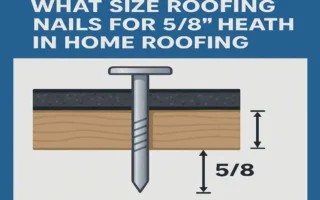
- Asphalt Shingles: You can use high-quality architectural asphalt shingles on both 10/12 and 12/12 roofs. They look great and provide excellent texture. Just be sure your roofer follows the manufacturer’s nailing requirements for steep slopes (often requiring six nails per shingle instead of four to prevent sliding).
- Metal Roofing: Standing-seam or corrugated metal roofing looks spectacular on steep modern homes. However, metal is extremely slippery. If you put a metal roof on a 12/12 pitch in a snowy climate, snow will slide off with dangerous force, making robust snow guards an absolute necessity.
Long-Term Maintenance Realities
You must also consider life after the builders leave. High-pitch roofs actually reduce certain long-term maintenance issues. Because water flies off them so fast, you will rarely deal with “ponding” water, leaks, or severe moss and algae growth, which plague lower-pitched roofs.
However, they introduce different maintenance challenges. Cleaning the gutters on a 12/12 roof is an intimidating chore. If tall pine trees surround your home, needles will inevitably gather in the valleys of the roof. Hiring professional maintenance crews with the proper safety gear will be an ongoing, annual expense you must budget for. A 10/12 pitch softens this blow slightly, making standard maintenance easier and cheaper.
Safety, Codes, and When to Hire a Professional
We have mentioned safety several times, but it bears repeating: roof pitch affects safety for both workers and homeowners more than any other structural feature.
Anything above a 6/12 pitch is generally considered “non-walkable” for a casual DIYer. A 10/12 pitch demands extreme respect, and a 12/12 pitch is essentially a wooden cliff. When contractors bid on 12/12 roofs, they have to factor in extra time to install fall-protection systems, safety nets, and anchor points. Do not try to cut corners by hiring an unlicensed handyperson to patch a steep roof; the fall risk is too severe.
Furthermore, you must navigate local building codes. Every municipality has rules about construction. Some neighborhood Homeowner Associations (HOAs) have strict aesthetic guidelines requiring a minimum pitch (like 8/12) to maintain a cohesive neighborhood look. Conversely, city zoning laws might impose maximum height restrictions. A 12/12 roof could easily push your home’s total height over the legal city limit, forcing you to stop construction.
This is exactly why it is crucial to consult a structural engineer or a licensed architect when choosing between 10/12 and 12/12. You should never arbitrarily choose a steep pitch just because you saw a cool picture on Pinterest. A professional will analyze your local wind loads, snow averages, soil stability, and neighborhood codes to tell you which pitch is structurally safe and legally allowed for your specific plot of land.
How to Choose Between 10/12 and 12/12 Roof Pitch for Your House
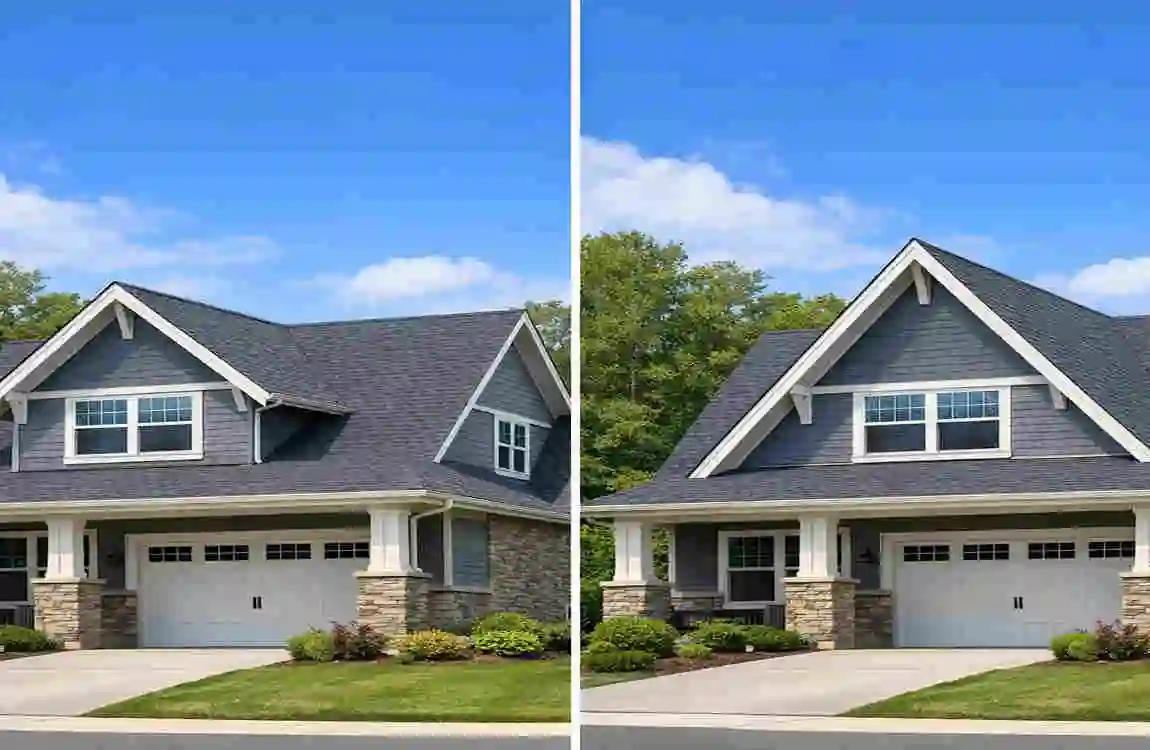
We have covered a massive amount of technical and design information. If you are still feeling stuck staring at those blueprints, let’s simplify things.
Here is a straightforward decision checklist to help you make your final choice:
- Evaluate Your Budget: Do you have extra money allocated for premium framing, extra roofing materials, and specialized labor? If yes, a 12/12 is possible. If your budget is tight, stick to the 10/12.
- Assess Your Local Climate: Do you live in an area with massive, heavy snowfall that needs to be cleared instantly? The 12/12 is your friend. Do you live in a hurricane zone or a moderate climate? The 10/12 is likely the safer, smarter choice.
- Determine Your Architectural Style: Are you building a cozy, sharp Modern Farmhouse or a Craftsman? Go with 10/12. Are you building a dramatic Alpine Chalet or a soaring Victorian? You need the 12/12.
- Consider Your Attic Needs: Do you want to easily build a usable loft space with furniture pushed to the edges? Choose the 10/12. Do you want a towering vaulted ceiling below, and don’t care about a cramped attic above? The 12/12 works fine.
- Think About Long-Term Maintenance: Are you comfortable paying professional crews a premium to clean your gutters and inspect your shingles safely?
Ultimately, for the vast majority of homeowners, the 10/12 pitch is the smarter, more balanced everyday choice for modern homes. It gives you all the height, beauty, and curb appeal of a steep roof without the extreme financial and safety drawbacks of a 45-degree angle.
The 12/12 pitch, on the other hand, should be reserved for specific, high-style architecture where dramatic visual impact is the project’s single most important goal.
Frequently Asked Questions About 10/12 vs 12/12 Roof Pitch
To wrap up all these technical details, let’s hit some rapid-fire questions that homeowners constantly ask architects and builders.
Is a 10/12 or 12/12 roof pitch better for heavy snow? While both are excellent at shedding snow, the 12/12 pitch is technically better suited for extreme, heavy-snow environments. Its 45-degree angle ensures that heavy snow cannot stick for long, preventing dangerous weight from accumulating on your home’s structure.
Which pitch is cheaper to install? The 10/12 pitch is significantly cheaper to install. It requires less wood for framing, fewer plywood sheets for decking, and fewer shingles to cover the surface. Labor is also cheaper because the slightly lower angle is easier and faster for roofers to work on.
Can I add solar panels to a 12/12 roof? Yes, you can add solar panels to a 12/12 roof, but it is challenging. The angle is so steep that panels will catch sunlight efficiently only if facing the perfect direction. However, installing them is very difficult and dangerous for the solar technicians, which will drastically increase your installation costs.
Is 12/12 too steep for a typical suburban house? In most cases, yes. A 12/12 roof is incredibly dominant and looks massive. Placed on a standard suburban home, it can look top-heavy and out of proportion compared to the neighboring houses. It is best suited for custom homes designed specifically around that bold angle.
Can I change an existing roof pitch from 10/12 to 12/12? Technically, yes, but it is an enormous undertaking. You cannot just “bend” the roof up. You would have to demolish the existing roof completely, remove all the trusses, re-engineer the load-bearing walls, and build a brand-new roof from scratch. It is usually prohibitively expensive.
What is the difference between 12 12 and 10 12 house pitch roofing in real-life terms? In real-life terms, the difference is mainly cost and visual drama. A 10/12 gives you a beautiful, steep, modern look while keeping costs reasonable and maintenance manageable. A 12/12 gives you an extreme, jaw-dropping architectural statement, but you will pay a massive premium in materials, labor, and maintenance difficulty to achieve it.