You walk into the bathroom late at night, switch on the light, and there it is. A large, shiny bug darts near the sink or disappears behind the toilet. It feels extra frustrating because your home is clean, your counters are wiped, and your floors are not covered in crumbs. So why are water bugs showing up anyway?
That is the irony many homeowners deal with. These pests are often drawn to moisture, not mess. In fact, what many people call “water bugs” are often American cockroaches or similar large roaches that love damp, hidden areas. They show up in places that seem clean to you, especially around sinks, drains, pipes, laundry areas, and bathrooms.
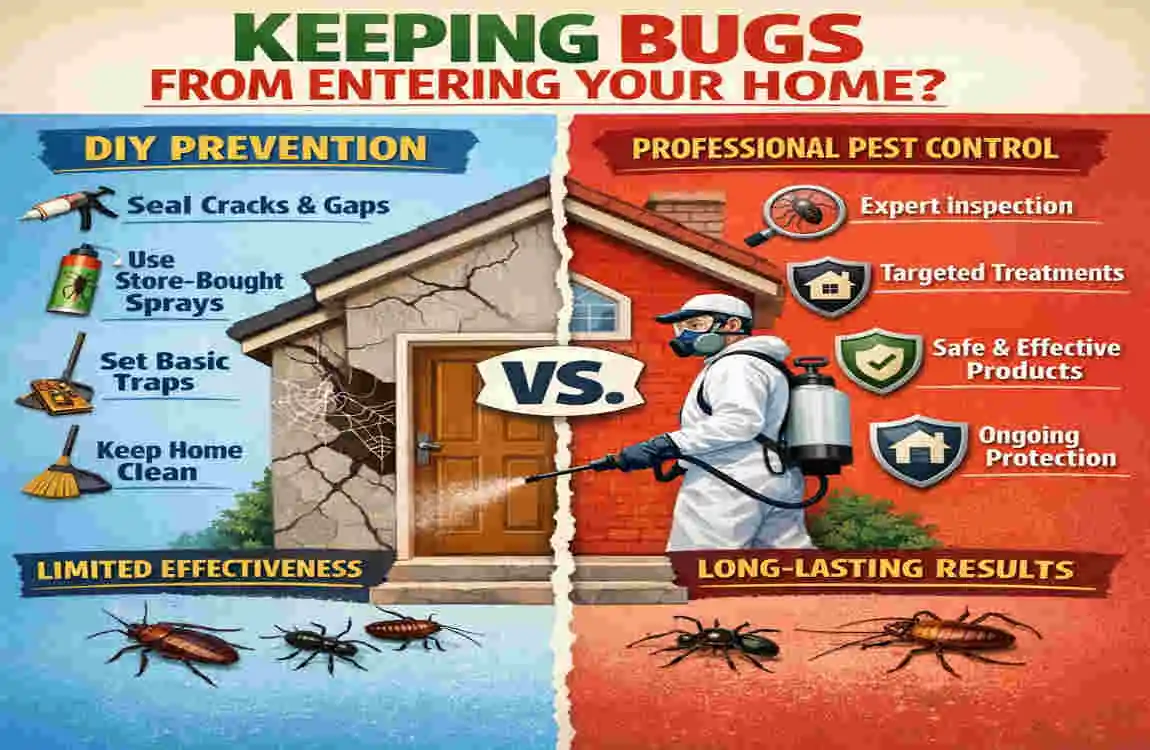
If you have been asking, “How do you keep clean water bugs out of your house?” the good news is that you do not need to turn your home upside down or rely solely on harsh chemicals. In many cases, smart prevention is more effective than constant spraying. A few home-friendly habits can make your house much less inviting to them.
This matters for more than comfort. Roaches can contaminate surfaces as they move through drains, wall voids, and damp spaces. Studies have shown that cockroaches can carry bacteria and other germs on their bodies and legs, which is one reason prevention matters in kitchens and bathrooms.
What Are Water Bugs?

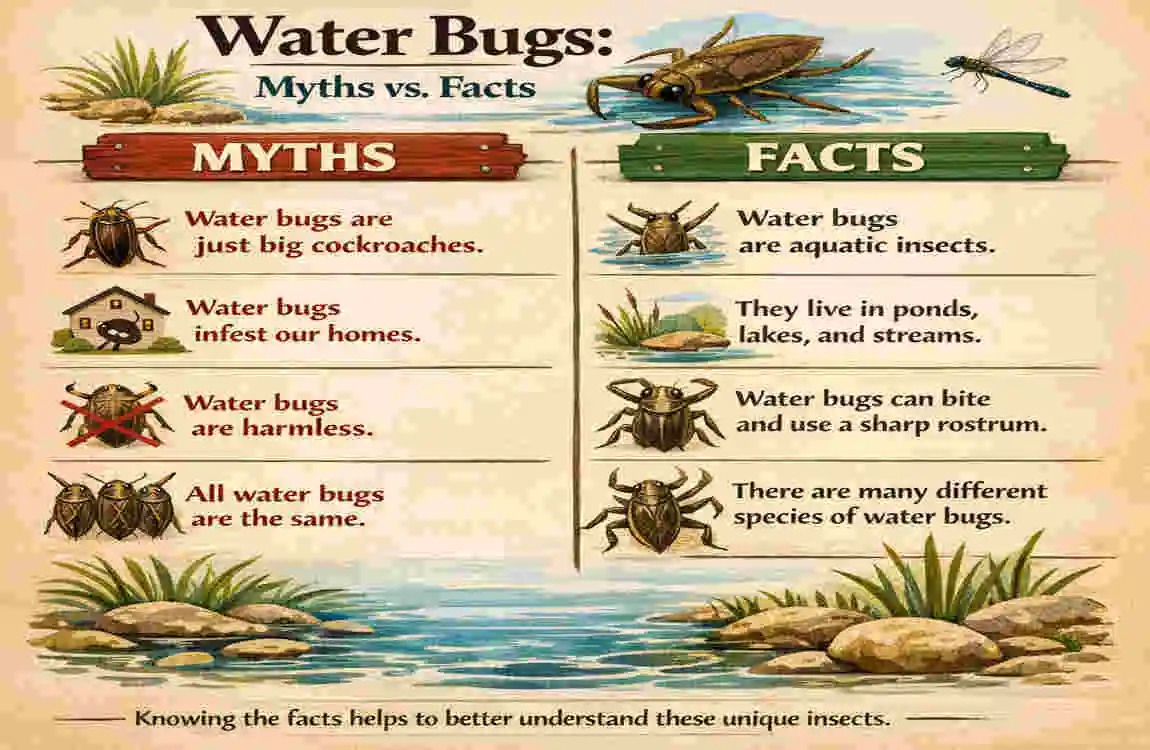
The term “water bug ” can be confusing. Technically, true water bugs are aquatic insects that live in ponds or streams. But inside homes, people usually use the term to describe large, shiny roaches, especially American cockroaches. These pests are reddish-brown, quick-moving, and often found near wet areas.
They are nocturnal, which means they prefer to come out at night. During the day, they hide in dark, damp places like wall gaps, cabinet corners, crawl spaces, floor drains, and under sinks. They also breed quickly when conditions are right, especially when they have regular access to moisture.
What makes them different from other household pests is their strong attraction to water sources. Unlike pantry pests that hunt for dry food, water bugs often enter a home because they find leaking pipes, humid bathrooms, or damp basements.
They also get mistaken for other bugs. Silverfish are much smaller and lighter, and they have a fish-like movement. Spiders have eight legs and do not have the same shiny roach body. Water bugs, as most homeowners describe them, are larger and harder to miss.
Even a spotless house can attract them if the environment is damp enough. That is why cleaning alone does not always solve the issue.
Signs You May Have Water Bugs
- Large reddish-brown bugs near sinks, tubs, toilets, or drains
- Sightings at night when you turn on the kitchen or bathroom light
- Musty odor in hidden damp areas
- Droppings that look like small dark specks
- Egg cases or shed skins behind appliances or under cabinets
- Increased activity after rain, plumbing leaks, or humid weather
Why Water Bugs Thrive in Clean Houses
A lot of people assume roaches only show up in dirty homes. That belief causes many homeowners to miss the real issue. Water bugs do not care as much about visible cleanliness as they do about access to moisture and shelter.
A clean bathroom can still be perfect for them if the room stays humid after every shower. A tidy kitchen can still attract them even with a slow leak under the sink. They only need small amounts of water and a dark place to hide.
They often enter through:
- Drain openings
- Gaps around pipes
- Cracks in walls or flooring
- Door gaps
- Sewer lines or utility openings
Daily habits can also raise the risk without you realizing it. Frequent dishwashing, long showers, wet bath mats, and poor ventilation all add moisture to the air. That moisture settles in cabinets, behind walls, and around plumbing.
So if you are wondering why they showed up in a clean home, the answer is simple: they came for water, not cluttered counters. Cleanliness still helps, but moisture control is the real game-changer.
Preparation Before Prevention
Before you start sealing, cleaning, and setting traps, take a little time to inspect your home. A quick home audit helps you spot the real problem areas. This step saves time because you are treating causes, not just symptoms.
Walk through your kitchen, bathrooms, laundry room, basement, and garage. Look slowly. Check under sinks, around toilets, behind washing machines, and near water heaters. Use a flashlight and pay attention to damp corners, dark gaps, and musty smells.
You should also reduce clutter before doing anything else. Stacks of paper, old boxes, and crowded cabinet spaces create hiding spots. When these areas sit near moisture, they become ideal shelter.
Humidity matters too. If your home feels damp, sticky, or slow to dry after showers, you may need better airflow or a moisture-absorbing solution.
Home Audit Checklist
- Inspect all sinks and pipes for drips, stains, or soft wood
- Check drains for odor, buildup, or frequent moisture
- Look for cracks and gaps around plumbing, windows, and doors
- Clear clutter under sinks and in utility areas
- Test bathroom ventilation after a shower
- Check door sweeps and window screens for damage
- Monitor damp areas for bug activity at night
Once you know where the moisture and hiding places are, prevention becomes much easier.
Home-Friendly Prevention Tips
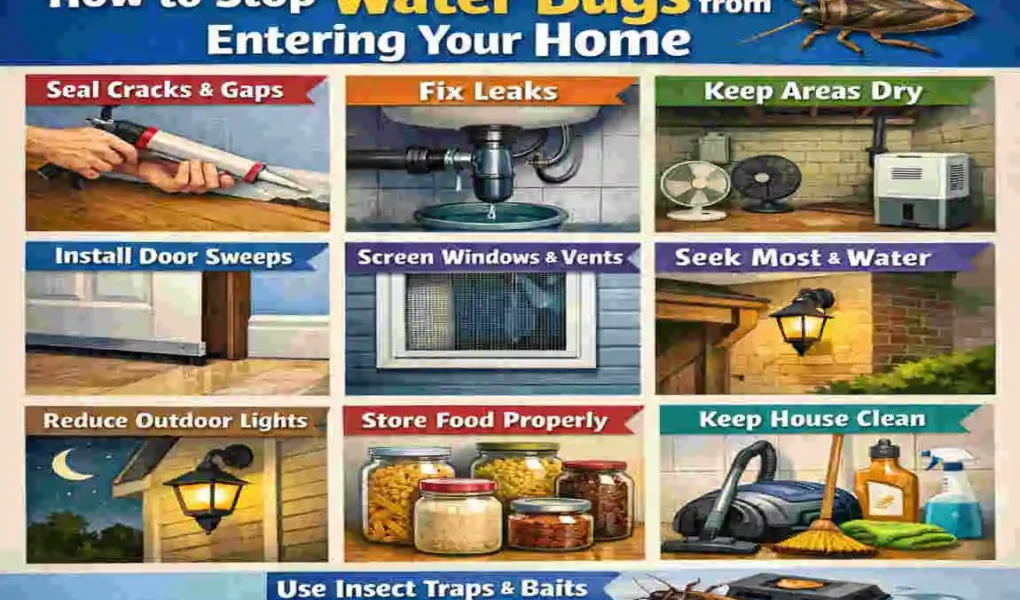
Seal Cracks and Gaps
Water bugs can squeeze through surprisingly small openings. If there is a gap around a pipe, a crack near a baseboard, or a space under a window frame, they may use it as an entry point. Sealing these gaps is one of the best ways to keep clean water bugs out of your house.
Start with areas where plumbing enters the wall. Kitchens, bathrooms, and laundry rooms are the top targets. Use caulk for narrow cracks and expanding foam for larger holes around pipes or utility lines. For gaps at door frames or trim, weatherproof sealant works well.
Materials You May Need
- Caulk or silicone sealant
- Caulk gun
- Expanding foam
- Putty knife
- Gloves
- Flashlight
Clean each area first so the sealant sticks well. Apply the product slowly and smoothly. Let it cure fully before exposing it to water or heavy use.
This step helps in two ways. First, it keeps bugs out. Second, it lowers airflow from damp wall spaces or drains, which can reduce the scent trails and moisture that attract pests.
Visual Suggestion
A before-and-after image of gaps around sink pipes sealed with caulk.
Do I need to seal every crack in the house?
No. Focus first on wet rooms, plumbing areas, and outside wall openings.
Fix Leaky Pipes Immediately
A small drip may not seem urgent, but to a water bug, it is a daily source of water. Leaky pipes under sinks, behind toilets, and near appliances create the exact environment these pests love.
Check for signs such as water stains, cabinet swelling, rust marks, or a damp smell. Even if you do not see water actively dripping, these clues often point to a slow leak. Feel around pipe joints with a dry paper towel to detect moisture.
For simple fixes, you may need a wrench, plumber’s tape, or a replacement washer. But if the leak is behind a wall, recurring, or tied to old plumbing, call a plumber sooner rather than later. Delaying repairs gives pests more time to settle in.
Humidity also plays a big role here. Moist cabinets and wall voids remain attractive long after the visible leak slows. Once you repair the source, dry the area completely. Wipe surfaces, remove soaked liners, and leave the cabinet open to air out.
Visual Suggestion
A labeled image showing common leak spots under a bathroom sink.
Can condensation attract water bugs, too?
Yes. Cold pipes can “sweat,” and that moisture can be enough to attract them if it happens often.
Maintain Dry Drains
Drains are one of the most common pathways for water bugs, especially in bathrooms, kitchens, basements, and laundry rooms. If a drain stays damp, dirty, or rarely used, it can become an easy route into your home.
A simple weekly routine helps a lot. Pour boiling water carefully down the drain, then follow with a mix of vinegar and warm water. This can help loosen light buildup and reduce odor. For regular maintenance, an enzyme-based drain cleaner is a better option than harsh chemicals because it breaks down organic material more gently.
Do not forget floor drains and guest bathroom sinks. These are often left unused, allowing traps to dry out. When the water in the drain trap evaporates, pests and sewer odors can move up more easily. Running water for a minute every week helps keep that barrier in place.
Try to keep the surrounding surfaces dry, too. Wipe the sink basin, dry the counter edge, and clear away standing water.
Visual Suggestion
A simple weekly drain care routine chart.
Will bleach solve the problem?
Not always. It may disinfect, but it does not address entry points or long-term moisture issues.
Use Natural Dehumidifiers
If your bathroom, basement, or laundry room feels damp, reducing humidity can make a big difference. Water bugs are drawn to moist air because it helps them survive and hide comfortably.
Natural dehumidifiers are a simple starting point. You can place silica gel packs, baking soda, or moisture-absorbing charcoal bags in small enclosed areas like under sinks, inside vanity cabinets, or near storage shelves. These options help pull extra moisture from the air in tight spaces.
You can also set up a low-cost system by placing an open container of baking soda in a cabinet and replacing it regularly. For bigger spaces, consider a compact electric dehumidifier or improve airflow with an exhaust fan.
Remember, natural dehumidifiers work best as support tools. They do not replace leak repair or ventilation. Think of them as part of your moisture-control system.
Best Places to Use Them
- Under bathroom sinks
- In linen closets near humid bathrooms
- In laundry rooms
- Near the basement storage
- In cabinets around plumbing
Visual Suggestion
A cabinet setup with labeled moisture absorbers and airflow space.
Do natural dehumidifiers work in large rooms?
Not very well. They help small spaces most. Large areas usually need better ventilation or a powered unit.
install Door Sweeps and Screens
Many water bugs enter from outside, especially during warm weather or after rain. If your door has a visible gap at the bottom or your screens are torn, you may be giving them an open invitation.
Install door sweeps on exterior doors, especially back doors, garage-entry doors, and basement access doors. Choose a sweep that sits firmly against the floor without making the door hard to close. For windows and vents, repair any damaged mesh screens so bugs cannot crawl in.
You should also check the attic and crawl space vents. Good ventilation helps keep these areas drier, which makes them less appealing to pests. If vents are blocked or screens are broken, moisture and insects can both become bigger problems.
This tip is especially useful if you notice water bugs after storms, during periods of heavy humidity, or when temperatures change. Many roaches move indoors when outdoor conditions become too wet or too dry.
Visual Suggestion
A close-up diagram of a properly fitted door sweep and screened vent.
Are door sweeps enough on their own?
No. They help block entry, but you still need moisture control inside the house.
Try Essential Oil Repellents
Some homeowners like using natural scent-based repellents as an extra step. Oils such as peppermint and tea tree are often used to make areas less inviting to bugs. While these do not replace sealing and moisture control, they can support your routine.
You can make a simple spray by mixing water with a few drops of essential oil in a spray bottle. Lightly spray around baseboards, near drains, behind toilets, and around windows. Test a small area first to avoid surface damage.
That said, use care. Some essential oils are not safe for pets, especially cats, and strong scents can irritate sensitive people. Do not spray directly on pet bedding, food areas, or surfaces your pet licks. If you have pets, choose pet-safe options or skip this method.
A better use for many households is applying diluted spray to areas hard for pets and children to reach, such as behind bathroom cabinets or around utility spaces.
Simple Spray Recipe
1 cup water + 10–15 drops peppermint oil + 1 teaspoon mild soap
Shake before each use and reapply every few days since the scent fades.
Visual Suggestion
A labeled spray bottle beside a sink cabinet with a “keep away from pets” note.
Do essential oils kill water bugs?
Usually no. They mainly work as light deterrents, not full control methods.
Declutter and Organize
Even if water bugs come in for moisture, they stay longer when they find good hiding spots. Clutter under sinks, behind toilets, and in storage areas provides them with darkness and protection.
Start by removing everything from under the bathroom and kitchen sinks. Toss old paper bags, damp cardboard, and items you no longer use. Paper and cardboard absorb moisture, which makes them even more attractive. Replace them with plastic bins that are easy to wipe clean.
Leave a little space around pipes so air can move more freely and leaks are easier to spot. If you pack a cabinet tightly, small damp areas can stay hidden for weeks.
The same rule applies to basements, laundry rooms, and garages. Store items off the floor when possible. Use sealed containers instead of open boxes. Keep the area around drains and water heaters neat.
Smart Storage Ideas
- Clear plastic bins with lids
- Raised shelves in utility spaces
- Small baskets for cleaning supplies
- Waterproof liners that can be wiped dry
Decluttering may not sound like pest control, but it improves inspection, airflow, and cleaning access. That makes every other prevention step more effective.
Visual Suggestion
A side-by-side image of a cluttered versus an organized under-sink cabinet.
Should I remove everything under the sink forever?
No. Just keep it organized, dry, and easy to inspect.
Build a Regular Cleaning Routine
Cleaning still matters, even though moisture is the main issue. A routine removes residue, standing water, and hidden buildup that, over time, can support roaches.
Focus on targeted cleaning, not just general tidying. Wipe around sink edges, faucet bases, drain covers, and the floor behind toilets. Dry the area after cleaning, rather than leaving it damp. In kitchens, clean under the dish rack, behind the trash can, and around the dishwasher.
Create simple no-food zones in bathrooms and bedrooms. Even though water bugs love moisture, they will still eat crumbs, pet food, and organic residue if they find it. Avoid leaving pet food out overnight near water bowls.
Choose family-friendly cleaning products when possible. Mild soap, vinegar-based cleaners, and gentle surface sprays work well for routine care. Just remember that “safe” does not mean sloppy use. Store all products properly and keep labels visible.
A basic weekly routine is enough for prevention if you stay consistent.
Small Cleaning Habits That Help
- Dry sinks before bed
- Empty trash regularly
- Wipe pet feeding areas
- Clean under appliances monthly
- Wash bath mats often
Visual Suggestion
A weekly bathroom and kitchen cleaning checklist.
Do I need to deep clean every day?
No. Short, regular cleaning sessions work better than occasional major cleanups.
Monitor With Traps
Prevention works best when you know where the activity is happening. That is why monitoring matters. Sticky traps are useful for checking whether water bugs are entering from a specific drain, cabinet, or door area.
Place traps under sinks, behind toilets, near floor drains, beside appliances, and along baseboards in low-traffic areas. Check them every few days at first, then weekly. The goal is not just to catch bugs. It is to learn their movement patterns so you can fix the right problem.
Some homeowners also use boric acid bait or bait stations. These can be effective, but you must use them carefully. Keep them in inaccessible places away from children and pets, and always follow product directions. If safety is a concern, tamper-resistant bait stations are a better option than loose powder.
Monitoring helps you answer important questions. Is the issue getting better? Is one bathroom worse than the others? Are bugs coming from a drain or an exterior wall? Without that information, prevention can turn into guesswork.
Visual Suggestion
A floor plan showing smart trap placement points in a bathroom and kitchen.
When should I worry?
If traps keep catching water bugs for several weeks after repairs and cleaning, it may be time for professional help.
Additional Home Defense Strategies

The best results come when you combine these tips rather than trying just one. For example, fixing a leak helps, but if you leave gaps around the pipe and clutter under the sink, water bugs may still return. Prevention is most effective when you address the problem from multiple angles at once.
Seasonal changes matter too. In warmer months, check door sweeps, vents, and screens more often. After heavy rain, inspect drains, basements, and bathrooms for signs of activity. During colder seasons, indoor humidity and hidden plumbing leaks may become more of an issue.
You should consider calling a professional if:
- You keep seeing large water bugs during the day
- Traps stay active after several weeks of prevention
- You notice egg cases or repeated sightings in multiple rooms
- You suspect a sewer, drain, or wall-void problem
- You want a treatment plan safe for children and pets
A professional can confirm whether you are dealing with American cockroaches, another roach species, or a different pest entirely. That matters because treatment methods vary.
DIY vs. Product-Based Options
StrategyProsConsCost
DIY Seals Cheap, quick Temporary Low
Oil’s natural scent fades. Low
Traps Effective monitor Ongoing buy Medium
How Do You Keep Clean Water Bugs Out of Your House? FAQ
What attracts water bugs to a clean house?
Moisture is the main reason. Even clean homes can attract water bugs if there are leaky pipes, damp drains, humid bathrooms, or standing water.
How do I keep water bugs out of my house naturally?
You can help prevent them by sealing cracks, fixing leaks, drying sinks and tubs, cleaning drains, and lowering humidity. Natural repellents like peppermint oil may also help.
Are water bugs a sign my house is dirty?
No. Water bugs often appear in clean homes because they are looking for water and shelter, not just food.
Where do water bugs usually come from?
They often enter through drains, sewer lines, gaps around pipes, door openings, and wall cracks.
What is the fastest way to stop water bugs?
Start with these steps:
- Fix leaks right away
- Keep drains clean and moist traps filled
- Seal entry points
- Use traps to monitor activity
Do water bugs live in bathroom drains?
Yes, sometimes. They are often found near bathroom sinks, tubs, and floor drains because these areas stay damp.
Will cleaning alone get rid of water bugs?
Not always. Cleaning helps, but you also need to remove moisture sources and block entry points.
Are water bugs harmful?
They can be. Like cockroaches, they may spread bacteria by crawling across sinks, counters, and bathroom surfaces.
What smells keep water bugs away?
Some people use peppermint oil, tea tree oil, or citrus scents as light repellents, but these work best along with proper prevention.
When should I call a pest control professional?
Call a professional if you keep seeing water bugs during the day, in multiple rooms, or for several weeks after trying prevention steps.