Clean water is one of the most important things in any home. You use it for drinking, cooking, washing, and keeping your family safe. But many homeowners do not think about what happens inside the pipes until something goes wrong.
| Topic | What UK Homeowners Need to Know |
|---|---|
| What is backflow? | Water flowing backward in pipes, potentially contaminating clean drinking water with pollutants |
| Why it matters | UK Water Regulations require every plumbing system to include backflow protection to safeguard potable water |
| Common locations | Near water meter box, underground irrigation systems, or above ground on garden tap connections |
| Main device types | Double check valve (main line/irrigation), Pressure vacuum breaker (above-ground irrigation), Air gap (highest protection) |
| When you need it | Garden irrigation, boiler systems, washing machines, dishwashers, bath taps, and any appliance with contamination risk |
| Testing requirement | Backflow assemblies on irrigation systems must be tested annually by a certified professional |
| Installation note | Pressure vacuum breakers must be installed above ground (not below ground); double check valves can be underground |
| Who to contact | Notify your water provider when installing irrigation; use certified installers for compliance with UK regulations |
If you have ever wondered what a backflow system in a UK home is, this guide will explain it in simple language. You will learn what backflow means, why it happens, how prevention systems work, and why they matter so much in UK homes.
Backflow may sound like a technical plumbing term, but the idea is simple. It is about stopping dirty water from moving in the wrong direction and getting into your clean water supply. That sounds serious because it is serious.
What is Backflow in Plumbing?
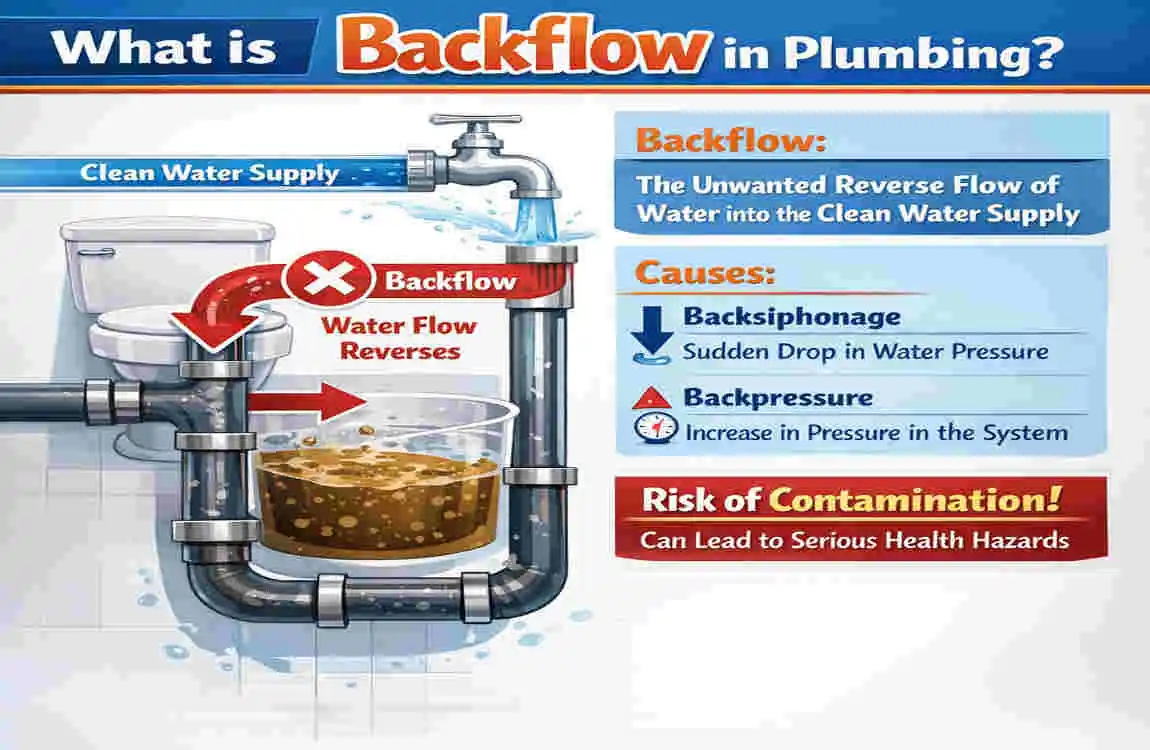
Backflow is when water flows in the wrong direction inside a plumbing system.
Normally, clean water moves from the mains supply into your home. It then flows to taps, showers, toilets, boilers, and appliances. This flow is meant to go in only one direction.
But sometimes pressure changes in the system can force water to move backward. When that happens, dirty water, used water, or even chemically treated water can be drawn or pushed into the clean supply.
How normal water flow works
In a healthy plumbing system, water pressure from the mains keeps everything moving forward. Your taps and appliances take water in, use it, and send wastewater out through drainage pipes.
This setup works well as long as pressure stays balanced and all fittings are installed correctly.
What happens when the flow reverses
When the flow reverses, the system can allow contaminated water to enter places it should never reach. This might include:
- Water from a washing machine
- Water from a heating system
- Water from a garden hose sitting in a bucket
- Water from a toilet fill line
- Chemicals or cleaners from connected appliances
Even a small amount of contamination can create a health risk.
The two main types of backflow
There are two common types of backflow:
Back pressure
Back pressure occurs when the pressure in a private system exceeds the mains pressure. This can push water backward into the supply.
This may occur in heating systems, pump systems, or systems with high-pressure equipment.
Back siphonage
Back siphonage occurs when there is a drop in mains pressure, creating suction. This suction can pull dirty water backward into clean pipes.
This can happen after a burst water main, heavy demand in the area, or maintenance work on the supply line.
Why backflow matters
Backflow is not just a plumbing issue. It is a water safety issue. If dirty water enters the drinking water supply, it can spread bacteria, chemicals, and other harmful substances.
That is why homes need proper backflow prevention.
What is a Backflow System in Plumbing in a UK Home?
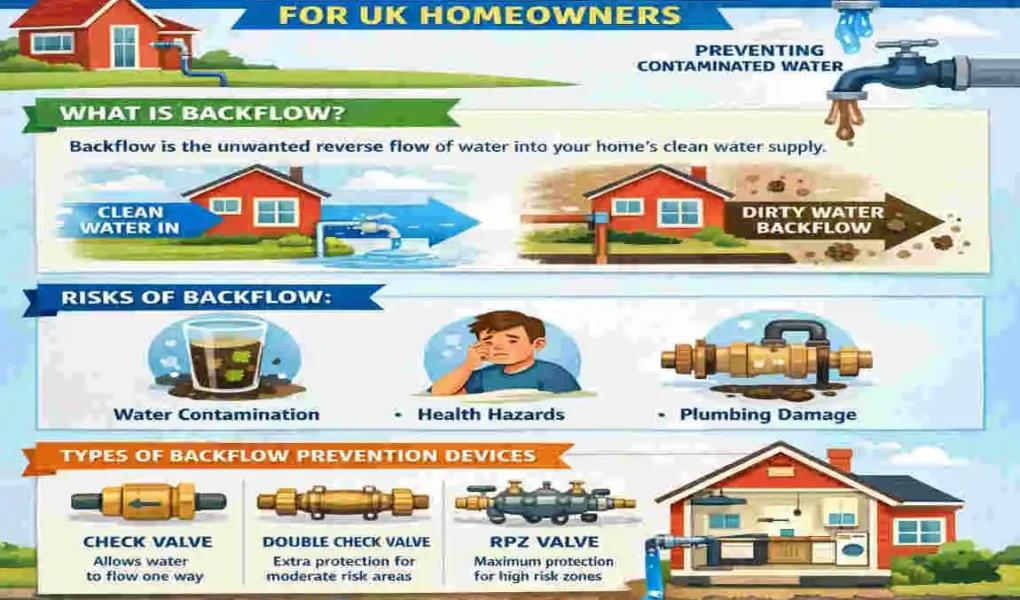
A backflow system in a UK home is a set of devices and plumbing designs that stop water from flowing backward into the clean water supply.
In simple terms, it acts like a safety barrier.
It protects your home and your local water network by ensuring water flows in the right direction. This is especially important in homes where water is used in different ways, such as for heating, outdoor taps, and appliance connections.
What a backflow system does
A backflow prevention system usually does one or more of these jobs:
- Stops reverse water flow
- Protects drinking water from contamination
- Keeps clean and dirty water separate
- Helps the home meet UK plumbing rules
- Reduces the risk of costly repairs and safety problems
How it works in a UK home
In a typical UK house, backflow protection may be built into certain fittings or added to specific points in the plumbing system. It is not always a single device. Sometimes it is a mix of parts designed to protect different areas.
For example:
- A check valve may stop water from moving the wrong way through a pipe
- An air gap may keep dirty water physically separate from clean water
- A double check valve may give extra protection in higher-risk systems
Common places where protection is needed
Backflow protection is often used in:
Bathrooms
Bathrooms have toilets, showers, basins, and bidets. These all involve water use that could create contamination risks if plumbing is connected incorrectly.
Boilers and heating systems
Heating systems often contain treated water and chemicals. If pressure changes, this water can flow in the wrong direction unless properly protected.
Outdoor taps and garden hoses
A garden hose left in a bucket, pond, or cleaning product container can create a serious backflow risk. This is one of the most common problems in homes.
Kitchens
Kitchen plumbing may involve dishwashers, washing machines, and sinks. These appliances can all create cross-connection risks if not installed safely.
Why UK homes need it
UK homes rely on a shared water network. That means one home’s plumbing issue can sometimes affect the wider system.
Because of this, backflow protection is not just a matter of personal choice. It is part of good plumbing safety and responsible home maintenance.
Causes of Backflow in UK Homes
Backflow usually occurs due to pressure issues or incorrect plumbing connections.
Sudden drops in water pressure
If the water pressure drops suddenly, water may be pulled backward. This can happen when:
- A water main bursts
- Firefighting uses a large amount of water nearby
- Maintenance work affects the supply
- Many homes in the area use water at the same time
Burst water mains
A burst main can create a major pressure change. When that happens, water in connected systems may reverse direction.
High demand in nearby properties
If too many properties use water at once, pressure may fall. This can create suction and cause back siphonage.
Faulty plumbing installation
Poor plumbing work is a major cause of backflow. If pipes, valves, or appliances are fitted incorrectly, clean water can come into contact with dirty water pathways.
Cross-connections
A cross-connection is any point where clean water and potentially contaminated water can come into contact. These are risky and should be avoided or protected.
Improper hose use
A hose left underwater in a bucket, tank, or garden container can pull dirty water back into the supply if pressure changes. This simple mistake can create a serious hazard.
Types of Backflow Prevention Systems
Different homes need different levels of protection. The right system depends on the risk and the plumbing setup.
Air gap systems
An air gap is one of the simplest and most effective forms of protection.
It creates a physical space between the end of a water outlet and the water level in a container or appliance. Since there is no direct contact, dirty water cannot flow backward.
Pros:
- Very reliable
- Simple design
- No moving parts
Cons:
- Needs proper installation
- Not always practical in every location
Check valves
A check valve allows water to flow in only one direction. If water tries to flow backward, the valve closes.
These are often used in residential plumbing because they are compact and practical.
Pros:
- Easy to fit
- Good for many home systems
- Affordable
Cons:
- Can fail if dirty or damaged
- May need regular checks
Double-check valve assemblies
This system uses two check valves for extra safety. If one fails, the other gives added protection.
These are common where the risk is higher but not extreme.
Pros:
- Better protection than a single valve
- Suitable for many homes and small systems
Cons:
- Needs maintenance
- More complex than a single valve
Reduced pressure zone (RPZ) valves
An RPZ valve is a more advanced device used where contamination risk is high. It is designed to protect the mains water supply even under difficult pressure conditions.
Pros:
- Strong protection
- Good for high-risk systems
Cons:
- More expensive
- Needs professional installation and testing
- Not needed in every home
Comparison table
System TypeHow It WorksBest ForMain BenefitMain Limitation
Air gap Physical separation between outlets and water Sinks, tanks, visible outlets Very reliable Not always practical
Check valve One-way flow device General home plumbing Simple and affordable Can fail if damaged
Double check valve Two valves for extra safety Moderate-risk systems Better protection Needs maintenance
RPZ valve Advanced pressure-based protection High-risk systems Strongest protection More costly and complex
Which systems are common in UK homes?
In many UK homes, check valves, air gaps, and simple protective fittings are the most common. RPZ valves are usually used in higher-risk settings or where regulations require stronger protection.
The important thing is not to use the most advanced device for no reason. It is to use the right device for the right plumbing risk.
UK Plumbing Regulations and Standards
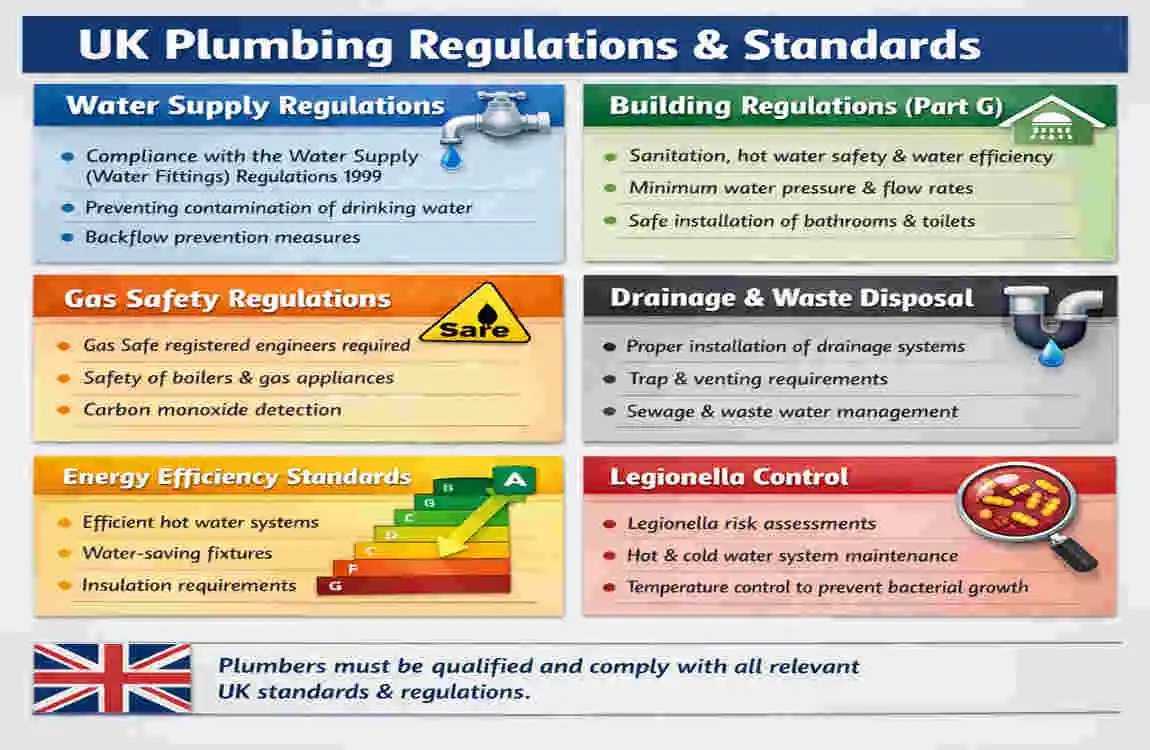
In the UK, backflow protection is not just a good idea. It is also part of plumbing safety rules.
Water Supply (Water Fittings) Regulations 1999
These regulations constitute the main legal framework governing the installation and use of water fittings. The goal is to protect public water supplies from contamination and waste.
In simple terms, they say plumbing must be installed so that dirty water cannot enter clean water systems.
Why compliance matters
If you own a home, compliance matters because it helps you:
- Protect your family’s health
- Avoid plumbing problems
- Reduce contamination risk
- Meet legal requirements
- Keep your water system safe and reliable
Role of water companies
Water companies can inspect systems and require changes if fittings are unsafe. They may also ask for approved devices or proper certification depending on the risk.
WRAS-approved fittings
Many homeowners and plumbers look for WRAS-approved products. This means the fitting is suitable for use with drinking water systems and meets accepted standards.
What can happen if you do not comply?
If backflow protection is missing or installed badly, you may face:
- Safety risks
- Repair costs
- Enforcement action
- Possible disconnection in serious cases
- Problems if contamination spreads
For most homeowners, the aim is simple: install proper protection and keep the system in good condition.
Signs You Might Have a Backflow Problem
Backflow is not always easy to see, but there are warning signs.
Common warning signs
- Discolored water from taps
- Bad smells coming from the water
- Strange taste in drinking water
- Low water pressure
- Gurgling sounds in pipes
- Water behaving unusually in fixtures or appliances
What these signs may mean
These signs do not always mean backflow, but they should never be ignored. They may point to pressure issues, contamination, or faulty valves.
If you notice any of these signs, it is wise to call a qualified plumber to have the system checked.
Risks of Not Having Backflow Protection
Failing to implement backflow protection can cause serious problems.
Health hazards
Contaminated water can carry bacteria, chemicals, and waste. If it reaches drinking water, it can make people unwell.
Plumbing damage
Dirty water can harm valves, appliances, and pipework. This can lead to expensive repairs later.
Higher repair costs
A small problem can become much larger if left alone. Prevention is usually cheaper than fixing contamination damage.
Legal and compliance issues
In the UK, unsafe plumbing can create compliance issues. If a property does not meet required standards, the homeowner may need to make changes quickly.
Risk to the wider water supply
In some cases, backflow can affect more than one home. That is why prevention is treated seriously.
How to Prevent Backflow in Your Home
The best way to deal with backflow is to stop it before it starts.
Install the right protection.
Use the correct device for the risk level in your home. A plumber can help choose between a check valve, an air gap, a double check valve, or an RPZ valve.
Avoid cross-connections
Keep clean water and dirty water systems separate. This is one of the most important parts of safe plumbing.
Use hose bib vacuum breakers.
Outdoor taps and hose connections are common problem areas. A vacuum breaker can help prevent water from being sucked back into the system.
Maintain boilers and heating systems.
Heating systems often need special attention because they can contain treated water. Regular servicing helps keep them safe.
Book regular plumbing inspections
A yearly check can catch problems early. This is a simple way to protect your home and avoid stress.
Hire certified UK plumbers.
Always use a qualified professional for installation or repairs. Good artistry matters when water safety is involved.
Simple maintenance checklist
- Check that outdoor hoses are not submerged in water
- Inspect valves for wear
- Watch for pressure changes
- Service boilers regularly
- Replace faulty fittings quickly
- Keep records of inspections and repairs
This small amount of care can make a big difference.
Backflow Testing and Maintenance
Testing is important because even a good system can wear out over time.
Why testing matters
A valve can stick, crack, or fail to seal properly. If no one checks it, you may not know there is a problem until contamination happens.
How often should testing be done?
The exact schedule can depend on the device and the risk level. In many cases, regular checks are conducted annually, but some systems may require more frequent testing.
Who can test it?
Backflow testing in the UK should be carried out by a trained and competent professional who understands water fittings and safety regulations.
What a typical inspection includes
A plumber may check:
- Valve operation
- Signs of wear or damage
- Water pressure
- Cross-connections
- Any risk points around appliances and outdoor taps
Keep records
It is smart to keep a record of inspections, repairs, and testing dates. This helps prove that your system has been maintained properly.
Cost of Installing Backflow Prevention Systems in the UK
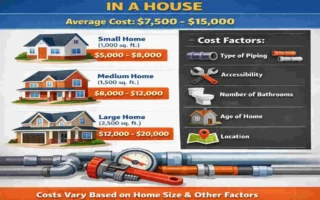
The cost can vary depending on the size of the home and the type of protection needed.
What affects the price?
- Property size
- Type of device
- Labour charges
- Number of plumbing points
- How easy is the system to access
General cost idea
A basic device may cost less, while more advanced systems such as RPZ valves cost more because they are more complex and require testing.
Why is it worth the cost
Compared with the cost of contamination, repairs, or damage, prevention is usually the better option. It can also help avoid bigger problems later.
Insurance considerations
In some cases, poor plumbing maintenance could affect an insurance claim if damage or contamination occurs. Proper installation and records can help reduce that risk.
DIY vs Professional Installation
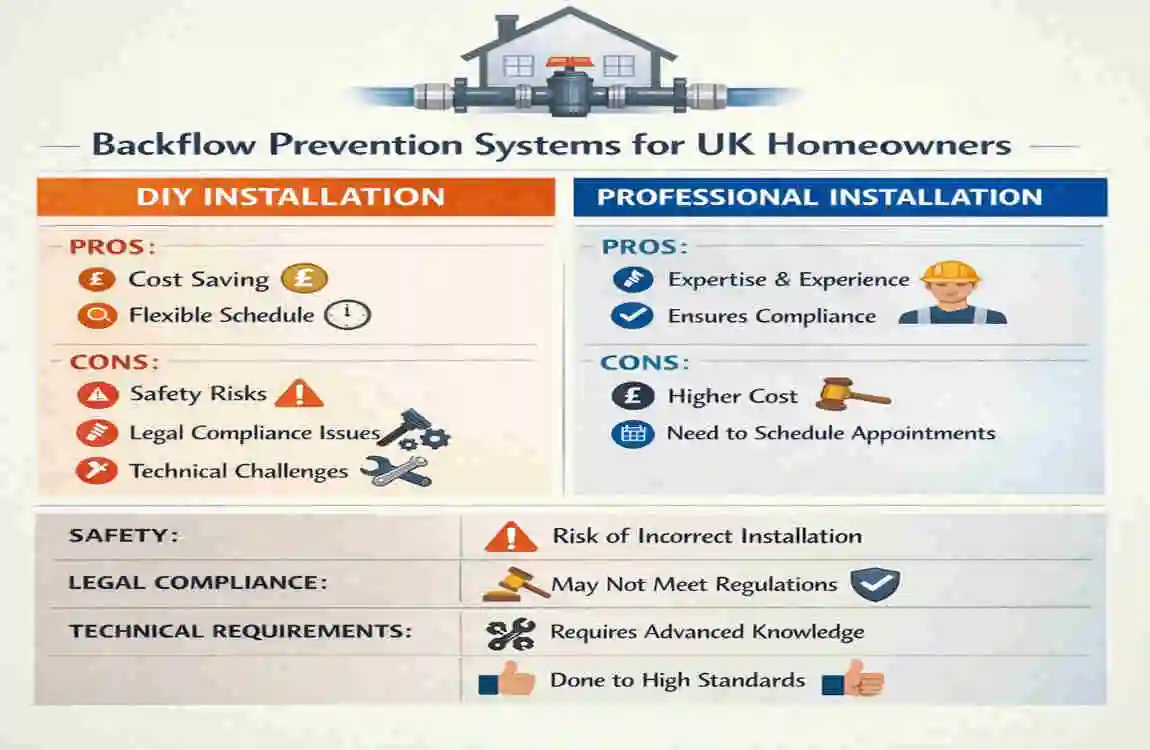
Some homeowners wonder if they can fit a backflow device themselves.
Can you do it yourself?
Small plumbing jobs may seem manageable, but backflow protection is a safety matter. If a device is fitted badly, it may not work when needed.
Why professional installation is better
A professional plumber can:
- Choose the correct device
- Install it properly
- Check compliance with UK rules
- Test the system after fitting
- Spot other hidden risks
The value of proper certification
A qualified installation gives you more confidence that the system is safe, legal, and effective. That matters when drinking water is involved.
FAQs About Backflow Systems
What is a backflow system in plumbing in a UK home?
It is a plumbing safety setup that stops water from flowing backward into the clean water supply.
Is backflow dangerous?
Yes. It can introduce dirt, bacteria, or chemicals into drinking water.
Do all UK homes need backflow preventers?
Not every fitting needs one, but many homes need protection in certain areas, such as outdoor taps, boilers, and appliance connections.
How often should systems be checked?
That depends on the device and risk level, but regular checks are important, typically on an annual basis.
Can backflow contaminate drinking water?
Yes. That is the main reason for backflow prevention.