Copper plumbing has been a trusted choice in many homes for decades. It is known for being strong, dependable, and well-suited to daily use. Still, if you own a home with copper pipes, you may wonder how much life they have left.
That is an important question because plumbing problems can become expensive fast. A small leak can turn into water damage, mould, or major repairs if you ignore it. Knowing how long copper plumbing lasts helps you plan, spot warning signs early, and protect your home.
What Is Copper Plumbing?
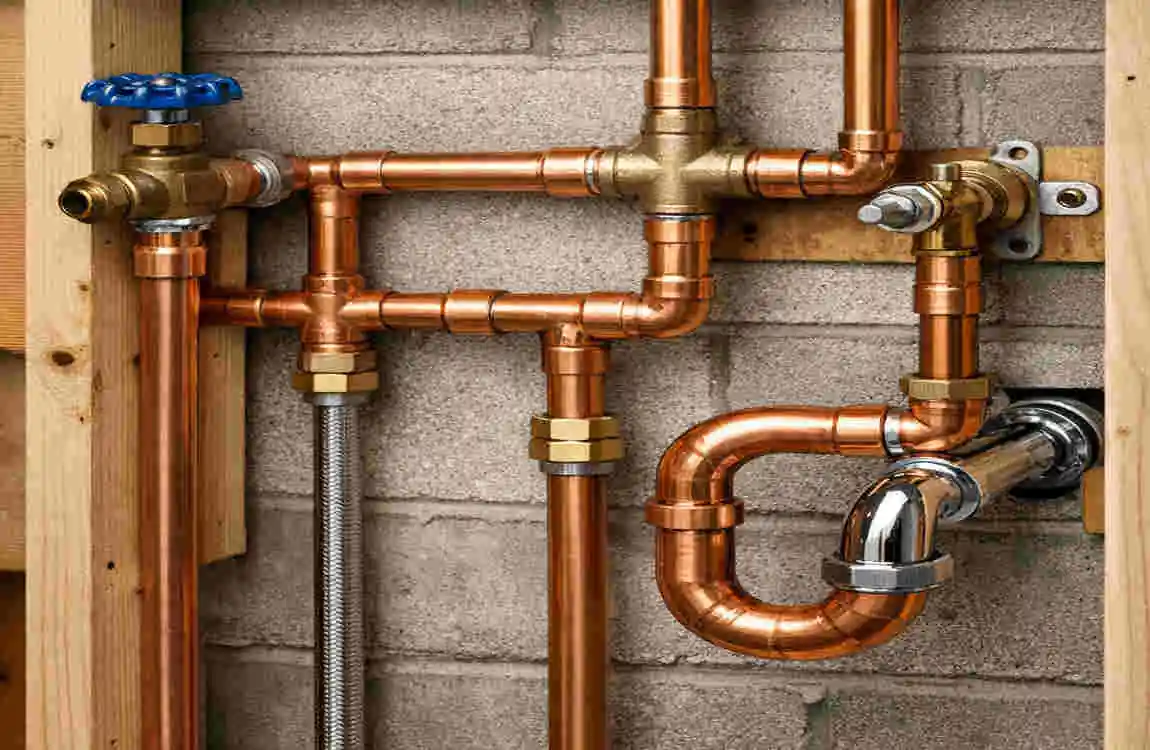
How Copper Pipes Are Made
Copper pipes are made from solid copper, which gives them strength and a long service life. Manufacturers shape copper into tubes that can safely carry water throughout a home.
Because copper is naturally durable, it has been used in plumbing for a very long time. Many older homes still rely on it today.
Common Uses in Residential Plumbing
Copper pipes are often used for:
- Water supply lines
- Hot water lines
- Some heating systems
- Refrigeration and cooling lines in some cases
In homes, copper is usually found in walls, basements, crawl spaces, and utility areas. It is popular because it performs well under heat and pressure.
Why Homeowners Choose Copper
Homeowners often like copper because it feels reliable. It has a long track record, and many plumbers trust it for important water lines.
Other reasons people choose copper include:
- Long lifespan
- Good heat resistance
- Strong performance
- Recyclable material
- Adds value to the home
It may cost more than some newer materials, but many people see it as a worthwhile investment.
How Long Does Copper Plumbing Last?
Average Lifespan of Copper Pipes
In most homes, copper plumbing lasts about 50 to 70 years. In some cases, it can last even longer if the water quality is good and the system is well maintained.
Not all copper pipes are the same, though. Their thickness matters.
The three common types are:
- Type K – thickest and most durable
- Type L – medium thickness, often used in homes
- Type M – thinner and usually less expensive
In general, thicker pipes tend to last longer because they withstand wear, pressure, and corrosion better.
Can Copper Plumbing Last Over 100 Years?
Yes, it can. Some copper plumbing systems have lasted more than 100 years, especially in homes with mild water conditions and regular upkeep.
But that does not mean every system will reach that age. If the water is acidic, the pressure is too high, or the pipes were installed poorly, the lifespan can be much shorter.
So while copper can last a very long time, it is not indestructible.
Expected Lifespan in Different Climates
Climate can also affect copper plumbing.
In colder areas, pipes may be at risk of freezing. Repeated freezing and thawing can stress the system and cause damage over time.
In warmer or humid climates, the biggest concern may be water quality and corrosion. Soil conditions can also affect underground copper lines.
That is why the answer to how long does copper plumbing last depends on more than just the pipe itself. The environment matters too.
Factors That Affect Copper Plumbing Lifespan
Water Quality
Water quality is one of the biggest factors in copper pipe life.
If water is too acidic or contains certain minerals, it can slowly wear down the inside of the pipe. Over time, this can lead to corrosion and pinhole leaks.
Hard water can also cause mineral buildup, which reduces water flow and adds stress to the system.
Water Pressure
High water pressure may feel nice in the shower, but it can be hard on your pipes.
Too much pressure puts extra strain on joints and pipe walls. Over time, this can lead to leaks or faster wear.
If your pressure is too high, a plumber may recommend a pressure-reducing valve.
Pipe Thickness
Thicker copper pipes usually last longer. That is why Type K tends to outlast Type M.
If your home has thinner copper pipes, they may wear out sooner, especially in areas with hard water or pressure issues.
Installation Quality
Even strong pipes can fail early if they were not installed correctly.
Bad soldering, poor support, or loose fittings can create weak points. Those weak points often become the first places where problems appear.
A proper installation helps copper plumbing last much longer.
Climate and Soil Conditions
If pipes run underground or through cold spaces, climate matters a lot.
Freezing temperatures can crack or stress pipes. Soil with high moisture or certain chemicals can also affect underground copper lines.
Routine Maintenance
Regular care makes a big difference. Pipes that are checked often and repaired quickly usually last longer than neglected ones.
Small problems are much easier to fix early than after a major leak starts.
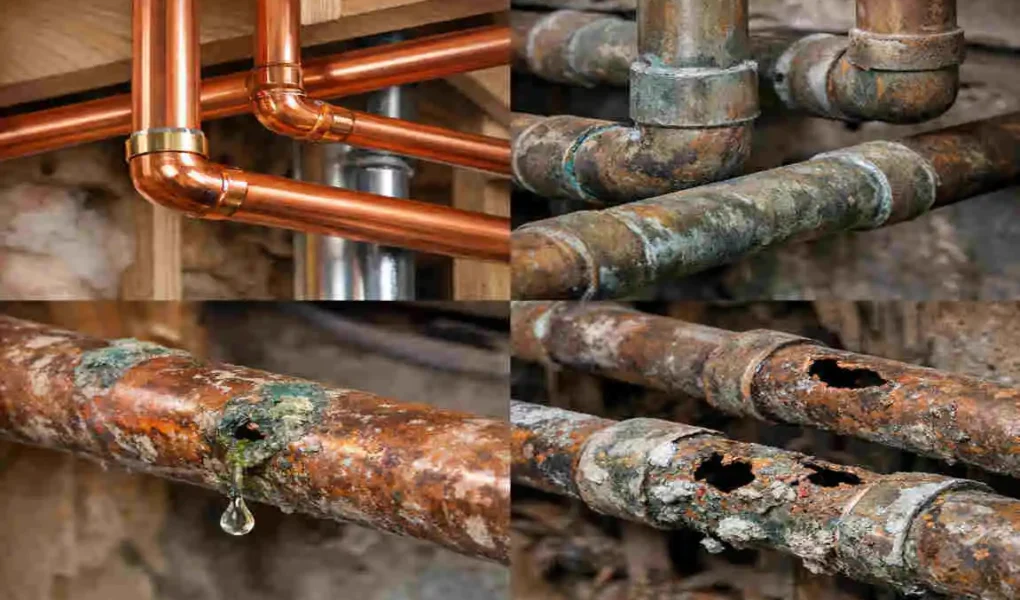
Signs Your Copper Plumbing Is Wearing Out
Pinhole Leaks
Tiny leaks are one of the most common signs of copper pipe trouble.
These leaks may start small, but they often point to corrosion inside the pipe. If one pinhole leak appears, others may follow.
Corrosion
Corrosion may show up as rough spots, small pits, or visible damage on the pipe surface.
If you see corrosion, it is a warning sign that the pipe is aging or reacting badly to water conditions.
Green or Blue Stains
Green or blue stains around pipe joints or walls may indicate moisture and corrosion.
These stains often appear where water has been leaking slowly over time.
Reduced Water Pressure
If your water pressure drops for no clear reason, buildup inside the pipes may be restricting flow.
This can happen when minerals or corrosion collect inside the plumbing.
Discolored Water
Rust-colored, greenish, or cloudy water can signal pipe problems.
You should not ignore changes in water colour, especially if they occur frequently.
Frequent Plumbing Repairs
If you keep fixing the same pipes again and again, replacement may be a better option.
Repeated repairs often mean the system is reaching the end of its useful life.
Advantages of Copper Plumbing
Copper still has many strengths, which is why so many homes use it.
Main benefits include:
- Long lifespan
- Good resistance to heat
- Strong performance under pressure
- Recyclable and environmentally friendly
- Reliable for water supply lines
- Can add value to a home
Many homeowners like copper because it feels solid and dependable. It is a material with a long history of good performance.
Common Problems With Aging Copper Pipes
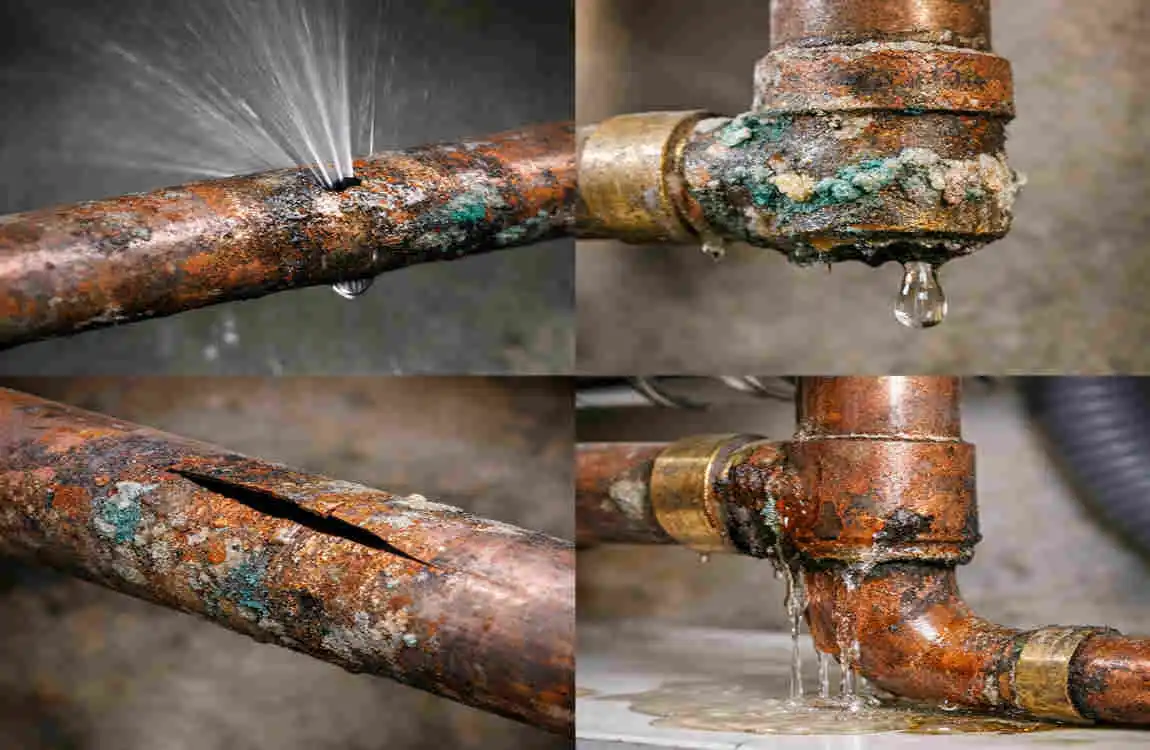
Corrosion
Corrosion slowly weakens copper from the inside or outside. It is one of the biggest reasons older copper plumbing starts to fail.
Pipe Erosion
If water moves too quickly or has the wrong chemical balance, it can slowly wear down pipe walls.
This damage can happen even if the outside of the pipe looks fine.
Mineral Build-Up
Over time, minerals from hard water may collect inside the pipe.
That buildup can narrow the pipe and reduce water flow.
Frozen Pipe Damage
In cold weather, water inside the pipe can freeze and expand. That puts pressure on the pipe and may cause cracks.
Water Leaks
Leaks are the most obvious sign of trouble, but they often result from long-term wear rather than a sudden failure.
How to Make Copper Plumbing Last Longer
Schedule Regular Inspections
Have your plumbing checked from time to time, especially if your home is older.
A plumber can spot small issues before they become major problems.
Monitor Water Pressure
Keep water pressure at a safe level. Too much pressure shortens pipe life and can cause leaks.
If you are not sure about your pressure, a plumber can test it for you.
Improve Water Quality
If your water is too acidic or hard, treatment may help protect your pipes.
Water testing can show whether the water is causing damage inside the plumbing.
Repair Small Leaks Quickly
Do not wait on a leak.
Even a tiny drip can cause corrosion, stains, and more damage over time.
Insulate Pipes in Cold Areas
Pipes in unheated spaces should be insulated to help prevent freezing damage.
This is especially important in basements, attics, garages, and exterior walls.
Copper vs Other Plumbing Materials
Plumbing MaterialAverage LifespanProsCons
Copper 50–70+ Years Durable, recyclable Higher cost
PEX 40–50 Years Flexible, affordable UV sensitive
CPVC 40–50 Years Corrosion resistant Can become brittle
PVC 25–40 Years Low cost Not suitable for hot water
Copper is often the longest-lasting choice on this list, but it is also usually more expensive. The best option depends on your budget, home type, and long-term goals.
Should You Replace Old Copper Plumbing?
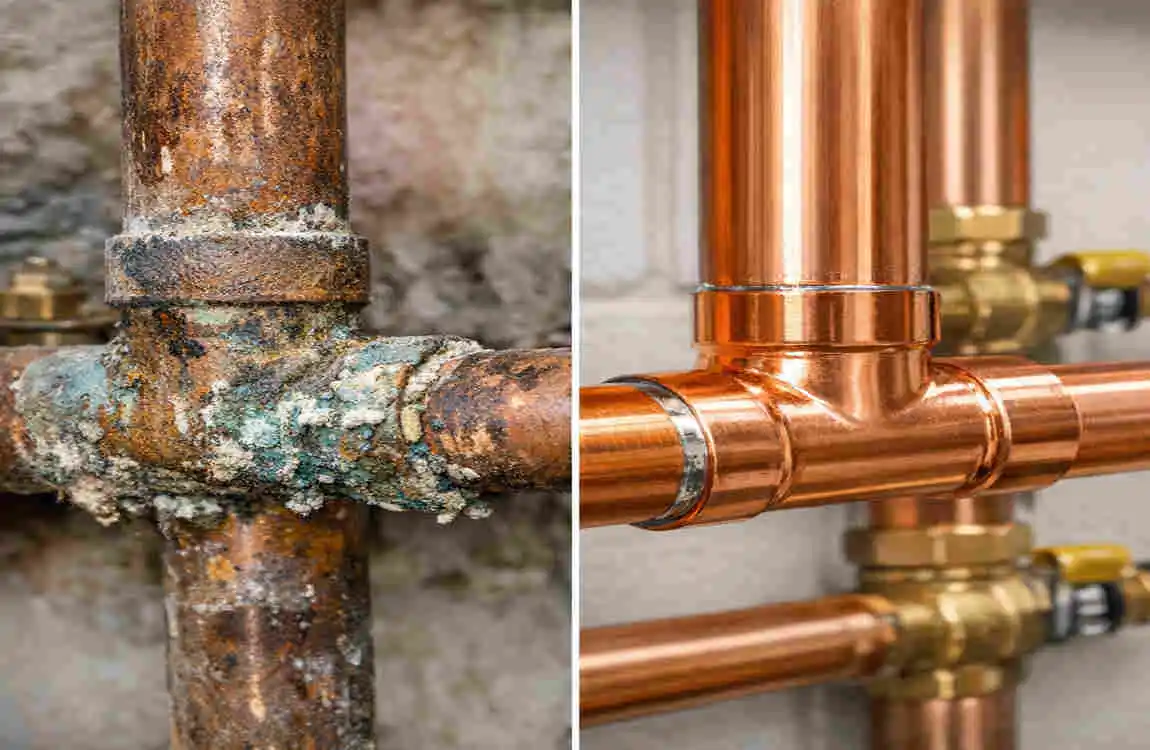
When Repairs Are Enough
Repairs may be enough if the damage is small, isolated, and infrequent.
For example, a minor leak in an otherwise healthy system may require only a simple fix.
When Full Replacement Makes Sense
Replacement may be the better choice if:
- Leaks keep coming back
- Corrosion is widespread
- Water pressure is poor
- Pipes are very old
- Repairs are becoming frequent and costly
If the plumbing is failing in several places, replacement may save money over time.
Cost Considerations
Replacing copper plumbing is a bigger project than making small repairs, but it may be worth it if the pipes are near the end of their lifespan.
A plumber can help you compare repair costs with replacement costs so you can make a smart decision.
Maintenance Checklist
Keep your copper plumbing in good condition by:
- Inspecting visible pipes annually
- Checking for leaks
- Monitoring water pressure
- Flushing sediment when needed
- Insulating exposed pipes
- Scheduling professional inspections
These simple steps can help copper pipes last longer and reduce the chance of surprise problems.
Frequently Asked Questions
How long does copper plumbing last in a house?
Most copper plumbing lasts between 50 and 70 years, though well-maintained systems can exceed 100 years.
What causes copper pipes to fail?
Corrosion, acidic water, high water pressure, poor installation, and age are the most common causes.
How can I tell if my copper pipes need replacing?
Look for leaks, corrosion, low water pressure, discoloured water, or repeated plumbing repairs.
Is copper plumbing better than PEX?
Copper is more durable and handles heat well, while PEX is usually cheaper and easier to install.
Can copper pipes rust?
Copper does not rust like steel, but it can still corrode under certain water conditions.
How can I extend the life of copper plumbing?
Keep water pressure under control, inspect pipes regularly, repair leaks quickly, and improve water quality when needed.
| Feature | Details |
|---|---|
| Average Lifespan | 50–70 years (can exceed 80 years with proper maintenance). |
| Material | Durable copper metal used for water supply lines. |
| Corrosion Resistance | Highly resistant, but acidic water can cause corrosion over time. |
| Common Issues | Pinhole leaks, corrosion, frozen pipe damage, and worn joints. |
| Factors Affecting Lifespan | Water quality, installation quality, water pressure, climate, and maintenance. |
| Signs of Aging | Discolored water, reduced water pressure, leaks, green or blue stains, and frequent repairs. |
| Maintenance Tips | Check for leaks regularly, maintain proper water pressure, and inspect pipes every few years. |
| Repair or Replace? | Minor leaks can often be repaired; widespread corrosion or repeated failures may require replacement. |
| Best For | Long-term residential and commercial plumbing systems. |
| Key Takeaway | Copper plumbing is one of the longest-lasting pipe materials, offering decades of reliable performance when properly installed and maintained. |