Buying a home is a big step, and it is normal to want as much information as possible before you commit. A home may look perfect on the outside, but hidden problems can turn into expensive surprises later.
That is why many buyers ask, “Can you do a home inspection before making an offer?”
The short answer is yes; in many cases, you can. This is called a pre-offer home inspection. It is not always available, and it depends on the seller’s comfort, local market rules, and how competitive the home is. Still, it can be a smart move if you want more peace of mind before you decide to buy.
Can You Do a Home Inspection Before Making an Offer?
Understanding a Pre-Offer Home Inspection
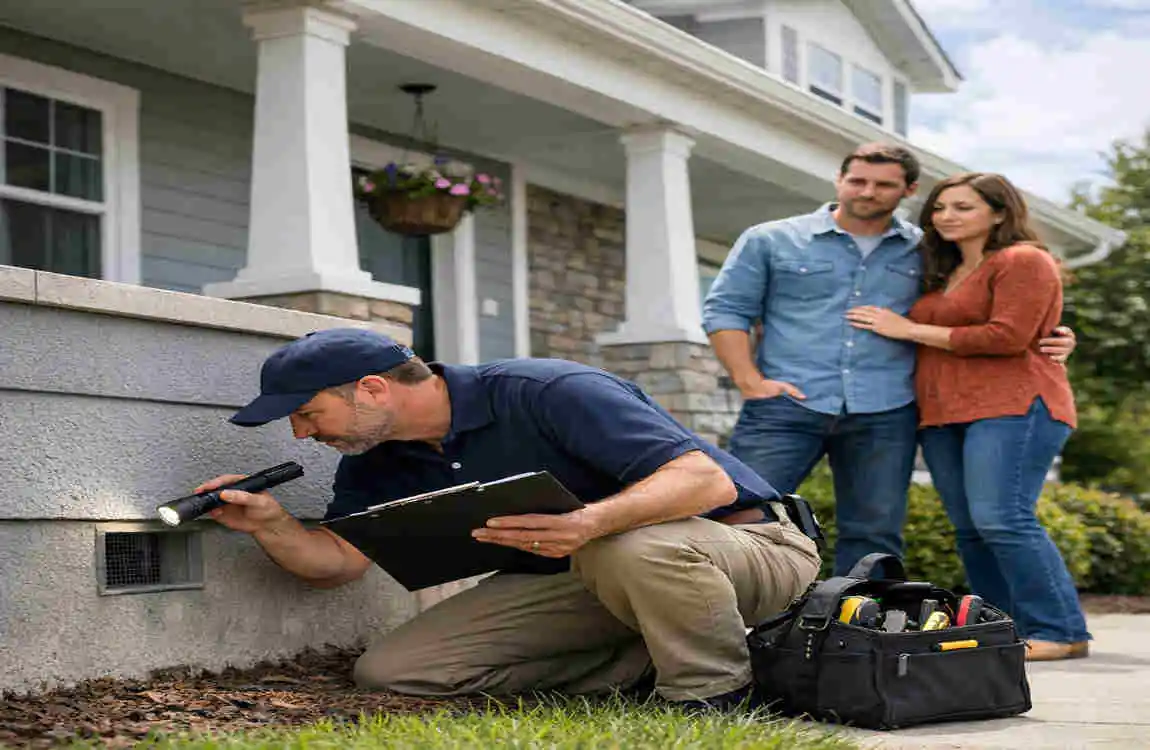
A pre-offer home inspection happens before you submit your offer to buy the house.
Instead of waiting until the seller accepts your bid, you hire a luxury home inspector first. The inspector checks the property and tells you what condition it is in. Then you decide whether to make an offer, change your offer, or walk away.
This can help you avoid rushing into a deal without enough facts.
How a Pre-Offer Inspection Differs From a Traditional Inspection
A pre-offer inspection is not the same as the more common inspection that happens after an offer is accepted.
Pre-Offer Inspection Traditional Home Inspection
Completed before submitting an offer Completed after offer acceptance
Helps buyers decide whether to bid Helps buyers negotiate repairs
Buyer pays upfront Often part of the purchase process
Faster decision-making More time for evaluation
Both types can be useful. The difference is mostly about timing and strategy.
Why Do Buyers Choose a Home Inspection Before Making an Offer?
To Avoid Buying a Problem Property
One of the biggest reasons buyers choose this option is to avoid hidden damage.
A luxury home may look fine during a quick showing, but an inspection can reveal issues like:
- Foundation cracks
- Roof damage
- Plumbing leaks
- Electrical problems
- HVAC issues
These repairs can be costly. A pre-offer inspection helps you spot problems early.
To Make a Stronger Offer in Competitive Markets
In a busy housing market, sellers often want fast, simple offers. Some buyers use a pre-inspection to feel more confident about waiving inspection-related delays later.
This can make the offer look stronger.
If you already know the home’s condition, you may be able to move faster and compete better.
To Understand Repair Costs Before Negotiating
A home inspection can give you a clearer picture of what you may need to fix after moving in.
That matters because repair costs can affect your budget. If the inspector finds issues, you can decide whether the asking price still makes sense.
This helps you avoid buying a house that seems affordable at first but becomes expensive later.
Benefits of Doing a Home Inspection Before Making an Offer
More Confidence in Your Purchase Decision
A pre-offer inspection gives you more facts before you commit.
That means fewer surprises and less stress after closing. You are not just guessing based on paint, staging, or curb appeal.
You are looking at the real condition of the luxury home.
Faster Decision-Making
If you are trying to move quickly, a pre-offer inspection can save time later.
Instead of waiting until after your offer is accepted, you already have useful information in hand. This can help you decide quickly whether to move forward.
Better Negotiation Strategy
The inspection report can help you understand whether the home is priced fairly.
If the inspection reveals problems, you may:
- Offer less
- Ask for repairs
- Request seller credits
- Walk away if the issues are too serious
This gives you more control.
Lower Risk of Expensive Repairs
The biggest benefit is simple: less risk.
You cannot catch every issue, but a pre-offer inspection can reveal major trouble before you make a mistake that costs you thousands later.
Disadvantages of a Pre-Offer Home Inspection
Additional Upfront Cost
The main downside is that you may pay for the inspection even if you do not buy the home.
That can feel frustrating if the deal falls through. Still, many buyers see it as a small price for peace of mind.
Limited Time for Inspection
Sometimes the seller will only allow a short window for access.
That means the inspector may have less time than usual, and you may need to act quickly after getting the results.
Sellers May Not Agree
Not every seller wants an inspection before they receive an offer.
Some may prefer to wait until they know a buyer is serious. Others may worry about scheduling or too many people entering the home.
Inspection Does Not Guarantee Everything Is Found
Even a skilled inspector cannot see through walls or predict future problems.
A home inspection is helpful, but it is not perfect. You still need to do your own homework and stay realistic.
How Much Does a Pre-Offer Home Inspection Cost?
Average Home Inspection Costs
The price depends on several things, including:
- Home size
- Location
- Age of the property
- Extra inspection services
A small home usually costs less to inspect than a large or older one. Older homes may need more time because they often have more wear and tear.
Additional Inspections Buyers May Need
Sometimes a general inspection is not enough. You may also want specialised checks such as:
- Roof inspection
- Termite inspection
- Sewer inspection
- Mold inspection
- Radon testing
These extra inspections cost more, but they can save you from bigger problems later.
How Does the Pre-Offer Home Inspection Process Work?
Get Seller Permission
You usually need the seller’s approval before entering the home for an inspection.
This is important because the property is still theirs until a deal is made.
Hire a Qualified Home Inspector
Choose someone with the right background.
Check for:
- License or certification
- Experience
- Local knowledge
- Good reviews
A skilled inspector can help you understand the property clearly and spot warning signs early.
Complete the Inspection
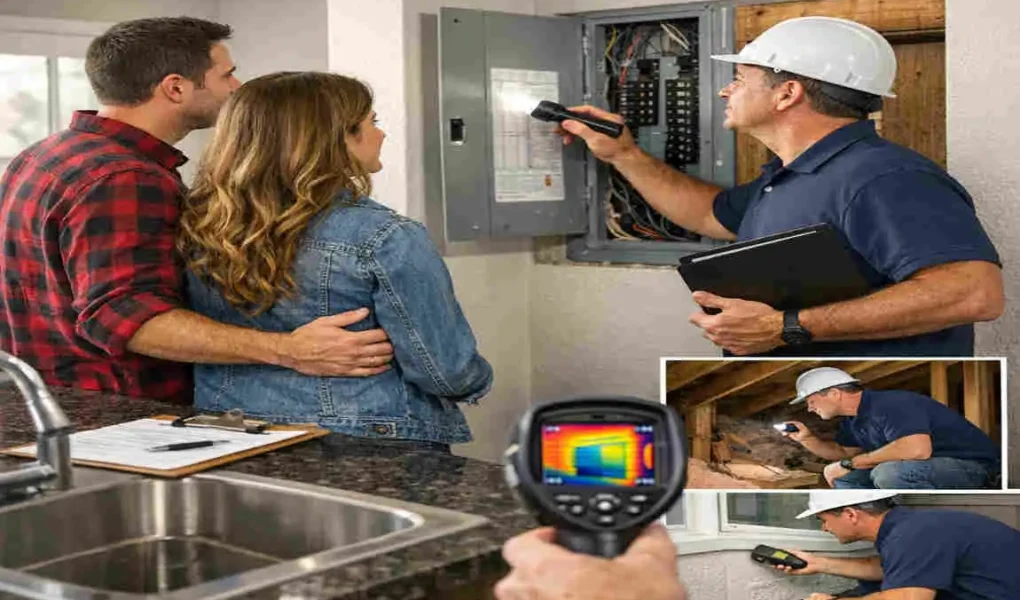
The inspector will usually check the luxury home’s major systems and visible areas.
That may include:
- Exterior
- Interior
- Roof
- Plumbing
- Electrical system
- HVAC
- Attic
- Foundation
They look for problems, safety concerns, and signs of wear.
Review the Inspection Report
After the inspection, you get a report.
This report helps you decide what to do next. It may show small issues, major repairs, or both.
Decide Whether to Submit an Offer
After reading the report, you can:
- Make an offer
- Lower your offer
- Ask for repairs
- Walk away
This is the part that gives you the most power as a buyer.
Benefits of Doing a Home Inspection Before Making an Offer

Area Inspected Common Issues Found
Foundation Cracks, moisture problems
Roof Leaks, damaged shingles
Plumbing Leaks, outdated pipes
Electrical Wiring issues
HVAC Heating and cooling problems
Attic Insulation and ventilation issues
Exterior Siding, drainage problems
These are the kinds of issues that can lead to expensive repairs if they are ignored.
Should You Skip the Inspection Contingency After a Pre-Inspection?
Understanding Inspection Contingencies
An inspection contingency is a clause in your offer that protects you if the inspection reveals serious issues.
It gives you a way out if the luxury home turns out to have major problems.
When Removing a Contingency May Make Sense
Some buyers remove the contingency in a hot market to make their offer stronger.
That may make sense if:
- The market is highly competitive
- You already had a detailed pre-inspection
- You are comfortable with the risk
Risks of Waiving Inspection Rights
If you skip the contingency, you may lose some protection.
That can lead to:
- Surprise repair bills
- Less room to negotiate
- Fewer legal options after closing
So if you decide to waive it, do so carefully.
Tips for Buyers Considering a Pre-Offer Inspection
Work With an Experienced Inspector
A good inspector matters.
Choose someone who understands the local housing market and knows what to look for in older or newer properties.
Attend the Inspection
If you can, go in person.
That gives you a chance to ask questions and see problems for yourself. It often makes the report easier to understand.
Focus on Major Issues
Not every small flaw is a deal-breaker. Focus on the big things first, such as:
- Structural problems
- Safety hazards
- Costly repairs
Do Not Let Competition Pressure You
A fast market can push buyers to move too quickly.
Still, you should never ignore major warning signs to win a bid.
When Is a Pre-Offer Home Inspection Most Useful?
In Hot Real Estate Markets
When homes sell quickly, a pre-inspection can help you make a quicker, more confident offer.
For Older Homes
Older homes often have more wear so that an early inspection can be very helpful.
For Expensive Properties
The more money you spend, the more important it becomes to understand the property’s condition.
For Fixer-Uppers
If the home needs work, an inspection can help you estimate renovation costs before you buy.
Can Sellers Refuse a Pre-Offer Home Inspection?
Yes, sellers can refuse.
They may do this to limit disruptions, protect privacy, or avoid extra scheduling. If they say no, you may still ask politely or request a short walkthrough instead.
If access is denied, you can still decide whether to submit an offer based on other information.
Traditional Home Inspection vs Pre-Offer Inspection: Which Is Better?

FactorPre-Offer InspectionPost-Offer Inspection
Timing Before offer After offer
Cost Paid upfront Part of buying process
Negotiation Limited More negotiation power
Competition Better advantage Standard process
Risk Buyer pays even if rejected Usually after serious interest
The better choice depends on your situation.
If you want more certainty before you bid, a pre-offer inspection may be better. If you want stronger negotiation rights, a traditional inspection after offer acceptance may be the smarter route.
Frequently Asked Questions
Can you do a home inspection before making an offer?
Yes, many buyers can arrange a pre-offer inspection if the seller allows it.
Who pays for a home inspection before making an offer?
The buyer usually pays, even if they do not end up buying the home.
Is a pre-offer home inspection worth it?
It can be worth it if you want more confidence, especially in a competitive market or when buying an older home.
Can a seller refuse a home inspection before an offer is made?
Yes, the seller can refuse access before accepting an offer.
Does a home inspection guarantee there are no problems?
No. It lowers risk, but it cannot catch every possible issue.
Should I still get an inspection after making an offer?
Yes, in many cases a traditional inspection still gives you extra protection and room to negotiate.
| Question | Explanation |
|---|---|
| Can buyers inspect before making an offer? | Yes, in many markets buyers can request a pre-offer home inspection before submitting an offer. |
| Why inspect before an offer? | It helps buyers understand the home’s condition, identify repairs, and decide a fair offer price. |
| Is a pre-offer inspection common? | It is more common in slower markets, while competitive markets often require offers first. |
| Who pays for the inspection? | Usually, the buyer pays the inspection fee. |
| Can sellers refuse an inspection? | Yes, sellers can choose not to allow a pre-offer inspection. |
| What does the inspection cover? | It typically checks the structure, roof, plumbing, electrical systems, HVAC, and major safety issues. |
| Benefits for buyers | Reduces surprises, improves negotiation power, and helps avoid costly mistakes. |