what is fip in plumbing
Plumbing

FIP in Plumbing Explained: Essential Guide for Homeowners

If you have ever tried to fix a leaky faucet, replace a shower part, or connect a water line and suddenly heard someone mention FIP, you may have stopped and asked, what is FIP in plumbing? You are not alone. Many homeowners see this term on fittings, supply lines, valves, and adapters, but they are not always sure what it means or why it matters.

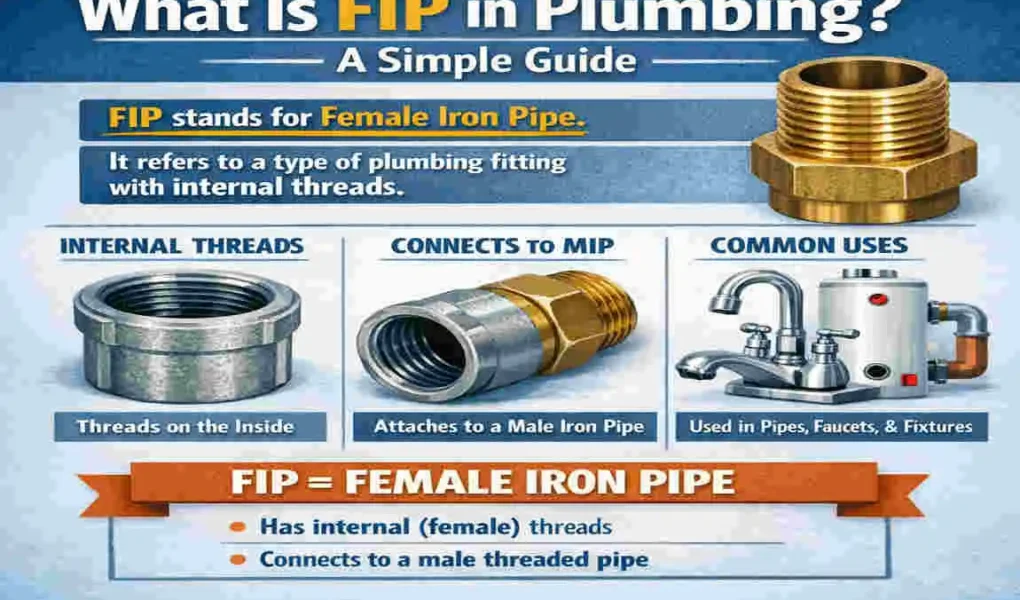
FIP in plumbing stands for Female Iron Pipe. In simple words, it refers to a fitting with internal threads that can connect to a matching male-threaded pipe or fitting. That small detail matters more than most people realize. If the wrong type of fitting is used, the connection may not seal properly, and leaks can happen fast.

Term Meaning What It’s Used For
FIP Female Iron Pipe or Female Iron Pipe Thread threaded female connection in plumbing
Connection Type Internal threads Screws onto a male threaded fitting
Common Materials Brass, PVC, stainless steel Used in water lines, valves, and fixtures
Typical Uses Faucets, shower heads, pipes, adapters Helps create secure, leak-resistant joints
Homeowner Tip Match size and thread type carefully Prevents cross-threading and leaks

This is why understanding what is FIP in plumbing can save you time, money, and a lot of frustration. It helps you choose the right part, avoid mismatched connections, and decide when a project is safe to handle on your own. It also helps you speak the same language as a plumber or a hardware store employee, making shopping much easier.

What Is FIP in Plumbing?

what is fip in plumbing

The Core Meaning of FIP

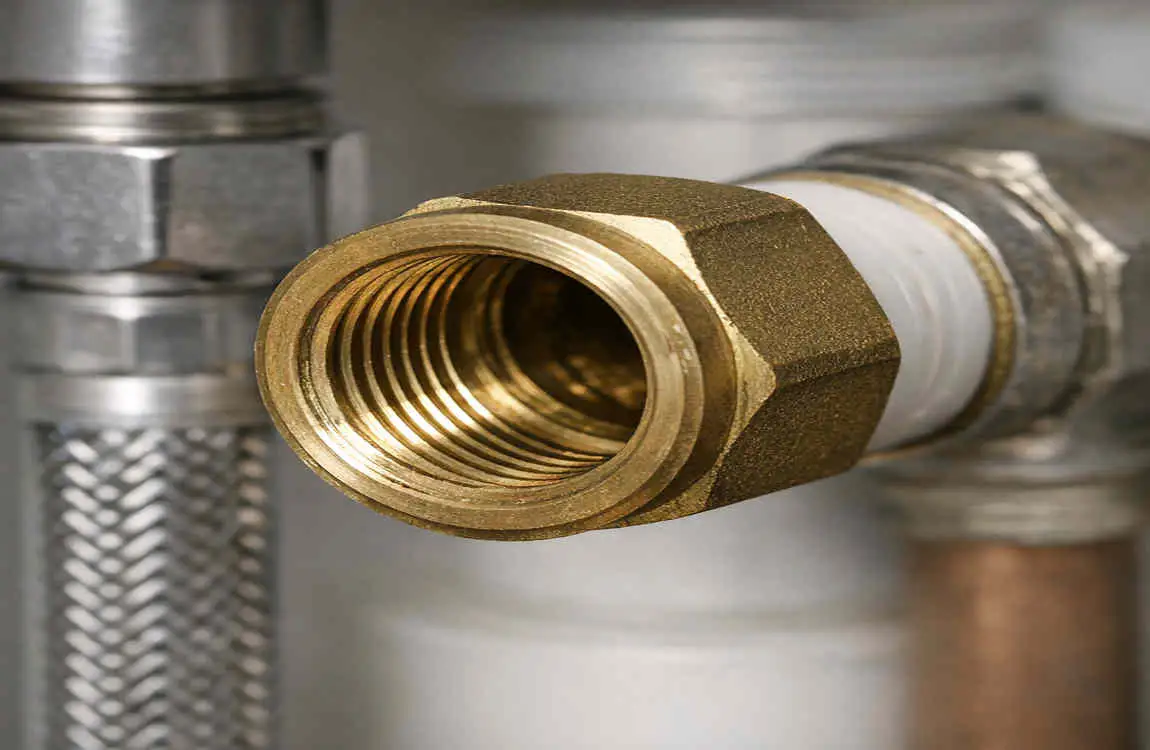
The term FIP means Female Iron Pipe. The “female” part refers to the internal threads inside the fitting. These threads are designed to receive a matching male-threaded pipe or connector.

That means an FIP fitting does not stick out with threads on the outside. Instead, the threads are inside the opening. When paired with the correct male fitting, the two pieces screw together and form a secure joint.

This simple design is one of the most common ways to connect plumbing parts. It is widely used because it is practical, dependable, and easy to work with when you know the right size and type.

Why the Name Can Be Confusing

At first glance, the phrase Female Iron Pipe can sound misleading. Many people assume it has to be made of iron. In reality, FIP is more about the thread style and connection type than the actual material.

That is why you may see FIP fittings made from:

So when you ask what is FIP in plumbing, the key idea is not the material itself. It is the threaded connection style.

How FIP Works in a Plumbing System

FIP fittings create a tight connection between two threaded parts. The male-threaded part goes into the female-threaded fitting, and the threads grip each other as they twist together.

This creates a solid connection for many plumbing tasks, especially when the fitting is properly sealed with thread tape or pipe sealant.

In simple terms, FIP is like a screw cap that fits over a matching bolt. The threads must match, or the connection will not work correctly.

A Quick Visual Idea

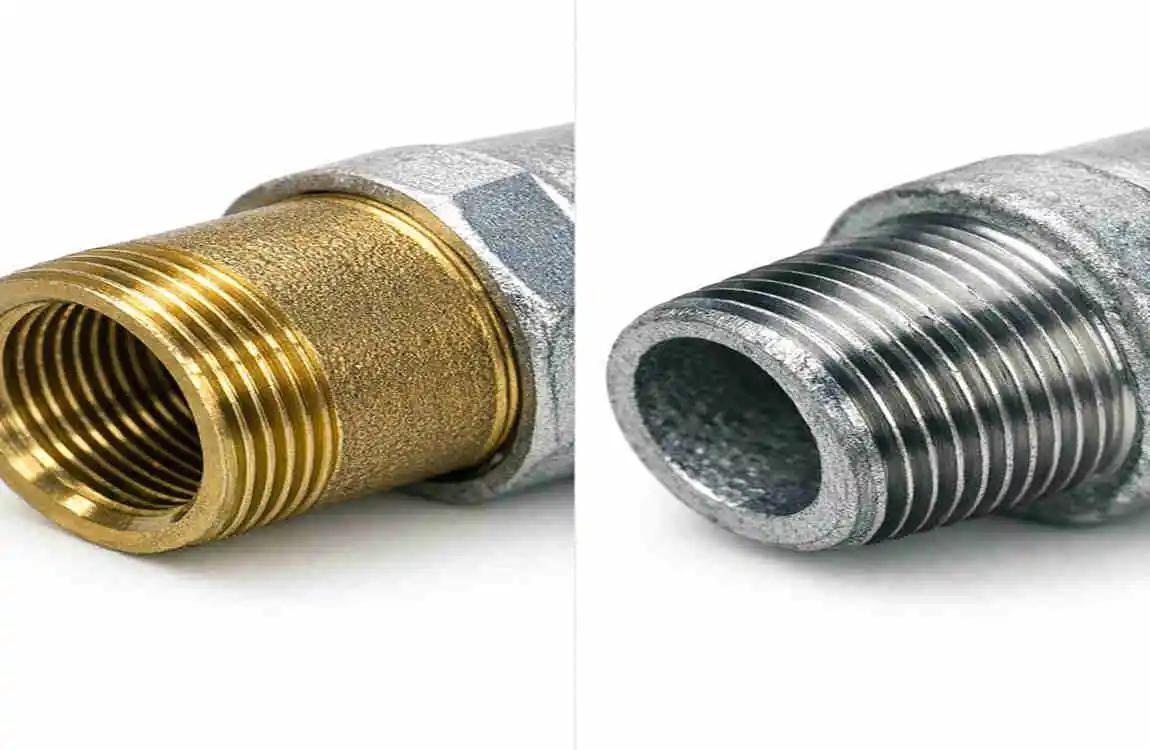
If you imagine a pipe end with threads on the outside, that is the male side. If you imagine a fitting with threads on the inside, that is the female side. That pairing is the heart of FIP plumbing meaning.

When people ask what is FIP in plumbing, this is the most important thing to remember:

FIP receives the male end. MIP inserts into the FIP end.

That relationship is what makes the connection possible.

FIP Plumbing Meaning and Why It Matters

what is fip in plumbing

Why Homeowners Should Care

Many plumbing problems start with small misunderstandings. Two fittings should fit together simply because they look close enough. But in plumbing, “close enough” often means leaks, poor seals, and wasted time.

Knowing FIP plumbing meaning helps you make better choices when you are replacing:

  • Faucet supply lines
  • Toilet connectors
  • Shower valve parts
  • Water heater fittings
  • Hose adapters
  • Pipe connectors

This knowledge matters because an incorrect fit may prevent proper sealing. Even a tiny leak can cause water damage over time. That is why understanding what FIP is in plumbing is useful, even if you only do occasional DIY repairs.

FIP in Everyday Home Repairs

You do not need to be a professional plumber to come across FIP fittings. They show up in common repair jobs all the time.

For example, you may see FIP on:

  • A bathroom faucet connection
  • A kitchen sink supply line
  • A toilet shutoff line
  • A shower valve connection
  • A water heater inlet or outlet

These fittings are everywhere because they offer a reliable way to join pipes and fixtures.

Why the Right Thread Match Prevents Leaks

A plumbing joint depends on a proper thread match. If the threads do not line up well, the connection may feel tight for a moment but still leak under pressure.

That is why it is important to know the difference between FIP vs MIP. If you match the wrong parts, the connection may cross-thread, strip, or fail to seal.

A good plumbing joint is not just about force. It is about matching the right threads, tightening carefully, and sealing properly.

FIP vs Other Common Plumbing Fittings

what is fip in plumbing

FIP vs MIP

One of the most important comparisons is FIP vs MIP.

FIP has internal threads.

MIP has external threads.

They work together like a pair. The male end goes into the female end. That is the basic rule.

Here is the easiest way to remember it:

  • FIP = receives the pipe
  • MIP = inserts into the fitting

If you mix these up, the parts will not connect properly.

FIP vs FPT

You may also see FPT, which means Female Pipe Thread. In many cases, FIP and FPT are used very similarly, and some people use the terms almost interchangeably.

Still, it helps to understand that naming can vary slightly by supplier or region. When shopping, always check the thread style and size rather than relying solely on the abbreviation.

FIP vs NPT

Another common term is NPT, which means National Pipe Thread.

NPT is a standard thread style used in many plumbing systems. It refers to the shape and taper of the threads. In many cases, FIP fittings are made with NPT-style threads so they can seal tightly when paired with compatible parts.

If you are comparing FIP vs NPT, here is the simple version:

  • FIP describes the female threaded fitting
  • NPT describes the thread standard

So a fitting can be both FIP and NPT-related, depending on how it is made and labeled.

Simple Comparison Table

Fitting Thread Type Pairs With Best For

FIP Internal threads MIP Fixtures, supply lines, connectors

MIP External threads FIP Pipe ends, adapters

FPT Internal pipe thread MPT General threaded plumbing

NPT Tapered pipe thread standard Compatible NPT fittings Pressure-tight connections

Why These Differences Matter

This is where many DIY mistakes happen. Two fittings may look close enough in the store, but they may not be the same thread style or thread size.

That is why knowing what is FIP in plumbing is more than just learning a definition. It is about avoiding leaks, reducing waste, and making safer repair choices.

Materials Used for FIP Fittings

what is fip in plumbing

Why Material Matters

FIP fittings can be made from different materials, and the best choice depends on where and how they will be used. The thread style may remain the same, but the body of the fitting can vary widely.

Here is a simple breakdown.

Material Common Use Pros Cons

Brass Water lines Corrosion-resistant, durable Higher cost

Steel/Iron Some gas or heavy-duty lines Strong and durable Can rust over time

PVC Drains and light-duty work Affordable, lightweight Not for high-pressure or hot applications

Stainless Steel Outdoor or high-moisture areas Long-lasting, rust-resistant More expensive

Brass FIP Fittings

Brass is one of the most popular choices because it resists corrosion well and lasts a long time. It is often used in water supply connections, especially where reliability matters.

If you want a strong, dependable option, brass is often a smart choice.

Steel or Iron FIP Fittings

These can be very durable, but they may rust if exposed to moisture for a long time. Because of that, they are often used in more specific applications where strength is important.

PVC FIP Fittings

PVC FIP fittings are lightweight and affordable. They are useful in some drain or low-pressure applications, but they are not the right choice for every plumbing job.

Stainless Steel FIP Fittings

Stainless steel is a premium option. It works well where moisture or outdoor exposure is a concern. It tends to cost more, but it can offer excellent long-term performance.

Common Uses of FIP Fittings in the Home

what is fip in plumbing

Water Supply Connections

One of the most common uses of FIP fittings is in water supply lines. They are often found under sinks, behind toilets, and near appliances.

These fittings securely and easily connect fixtures to the home’s water system.

Faucets and Sink Fixtures

If you are installing or replacing a faucet, you will likely deal with FIP fittings. The same goes for many sink-related connections.

When the threads match correctly, the connection is neat and dependable.

Toilets and Shutoff Valves

Toilets often use threaded connections in the supply line. FIP fittings are useful here because they provide a secure connection between the shutoff valve and the supply tube.

Water Heaters

Water heaters often involve threaded inlet and outlet connections. FIP fittings are commonly used in these setups because they provide a controlled, reliable joint.

Shower and Tub Valves

If you have ever worked on a shower valve, you may have seen FIP connections there as well. These fittings help connect the plumbing behind the wall to the visible fixture.

Gas and Propane Systems

In some systems, FIP-style threaded fittings may also be used in gas or propane applications. Still, these jobs must comply with strict code requirements. This is not the kind of work to guess on.

Other Common Uses

FIP fittings may also be used in:

  • HVAC systems
  • Irrigation systems
  • Utility connections
  • Branch pipe connections

The widespread use of these fittings is part of the reason people ask, “What is FIP in plumbing?” so often. They are everywhere.

How to Install FIP Fittings the Right Way

what is fip in plumbing

Shut Off the Water or Gas

Before doing any plumbing work, stop the flow of water. Turn off the water supply or gas supply as needed.

This is the first rule of safe installation. Never start threading parts together while the system is live.

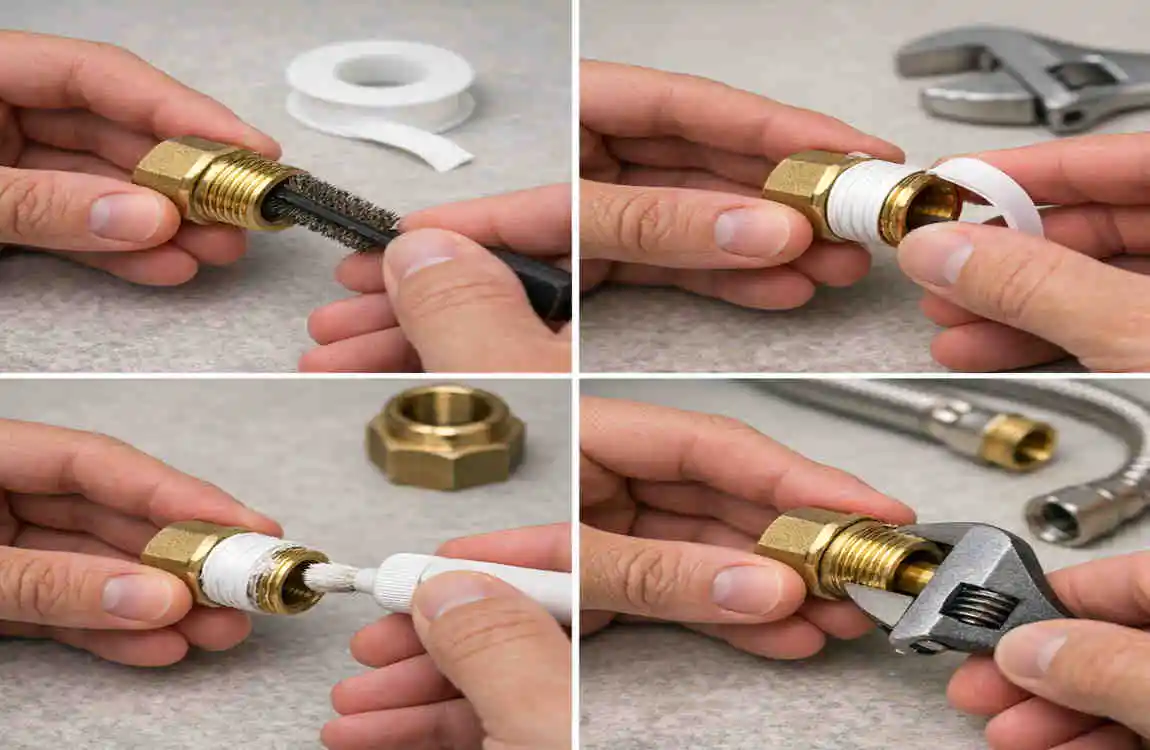
Check the Threads

Look closely at both sides of the fitting. Make sure the threads are clean, undamaged, and the correct size.

If the threads are dirty or bent, the fitting may not seal properly.

Clean the Surfaces

Wipe off dust, dirt, old tape, and leftover sealant. Clean threads help create a better connection and reduce the chance of leaks.

Apply Thread Seal Tape

Thread seal tape, often called Teflon tape, is commonly used to help seal threaded plumbing joints.

Wrap the tape around the male threads in the correct direction so it tightens with the thread path. Usually, 2 to 3 clockwise wraps are enough.

Do not overdo it. Too much tape can make the fit messy and may even affect the connection.

Hand-Tighten First

Always start by tightening by hand. This helps prevent cross-threading, which can ruin the fitting.

If it does not turn easily by hand, stop and check the threads again.

Use a Wrench Carefully

After hand-tightening, give the fitting a small additional turn with a wrench. Many people use about a quarter turn, but the exact amount can depend on the fitting and application.

The goal is a snug seal, not brute force.

Test for Leaks

Once the fitting is in place, turn the water or gas back on carefully and inspect the connection.

If you see dripping or hear a hiss where you should not, stop and fix the problem right away.

Tools You May Need

ToolPurpose

Pipe wrench Helps grip and turn threaded fittings

Adjustable wrench Useful for many household plumbing jobs

Teflon tape Helps seal threaded joints

Pipe dope Adds extra sealing support on some jobs

Bucket or towel Catches water during testing

Important Installation Warnings

A few simple mistakes can cause big problems.

  • Do not overtighten. This can crack the fitting or damage threads.
  • Do not force mismatched parts. If it does not fit, something is wrong.
  • Do not assume all threads are the same. They are not.
  • Do not take chances with gas lines. Call a professional when needed.

If you want a short answer to what is FIP in plumbing from an installation point of view, it is a threaded connection that must be matched, sealed, and tightened with care.

Benefits of Using FIP Fittings

One of the biggest benefits of FIP fittings is that they create a secure connection when installed correctly. That matters because leaks can damage cabinets, walls, flooring, and fixtures.

They Are Easy to Work With

For many home projects, FIP fittings are practical and straightforward. In many cases, they do not require complicated tools or special equipment.

They Support Code-Friendly Plumbing Work

When used correctly and in the right setting, FIP fittings can help support a clean, standard plumbing setup that meets common plumbing practices.

They Are Widely Available

Another big plus is availability. FIP fittings are easy to find in many hardware and plumbing supply stores. That makes them convenient for repairs and replacements.

They Can Save Money

Because they are common and relatively simple to use, FIP fittings can help reduce repair costs, especially on smaller household jobs.

Maintenance Tips for FIP Fittings

what is fip in plumbing

Inspect Them Regularly

It is smart to check threaded fittings regularly, especially under sinks, behind toilets, and near appliances.

Check for:

  • Rust
  • Water spots
  • Loose connections
  • Cracked parts
  • Drips or dampness

Replace Damaged Parts Early

If a fitting looks worn or corroded, replace it before it fails. A small part is much cheaper to replace than to repair water damage later.

Avoid Excessive Force

A lot of plumbing damage occurs when someone tightens a fitting too hard. Once a fitting is damaged, it may never seal properly again.

Keep Connections Clean

Dust, dirt, and old sealant can make future repairs harder. Clean fittings are easier to remove, replace, and reuse when appropriate.

Watch for Signs of Corrosion

Corrosion can weaken threaded fittings over time. If you see it starting, it may be time to upgrade to a better material such as brass or stainless steel.

Troubleshooting Common FIP Problems

what is fip in plumbing

The Joint Leaks

If your FIP connection leaks, the most common causes are:

  • Poor thread alignment
  • Not enough thread tape
  • Damaged threads
  • Loose tightening
  • Wrong fitting size

Try removing the fitting, cleaning the threads, applying fresh tape, and reconnecting it carefully.

The Fitting Is Stuck

Old fittings can get stuck because of corrosion or mineral buildup. If that happens, you may need a penetrating oil or a little heat, depending on the situation and the material involved.

Be careful here. Too much force can damage surrounding pipes or fixtures.

The Threads Are Stripped

Stripped threads are a serious issue. If the threads no longer grip properly, the fitting may not hold pressure.

In this case, replacement is usually the safest choice.

Corrosion Is Visible

If the fitting is rusted or severely corroded, replacing it is often better than patching it. A weak fitting may fail at the worst possible time.

When You Should Call a Professional

You should bring in a licensed plumber if:

  • The work involves gas lines
  • The connection is inside a wall or hard-to-reach place
  • You cannot stop a leak
  • The fitting is badly damaged
  • You are not sure what type of thread you have

This is especially important because a single mistake can turn into a major repair later.

FIP vs MIP at a Glance

If you are still wondering what is FIP in plumbing, here is a fast way to remember it:

  • FIP = Female = internal threads
  • MIP = Male = external threads

That is the simplest way to tell them apart.

Quick Comparison List

  • FIP connects to the male end
  • MIP inserts into the female end
  • FIP is often found on fixtures and supply lines
  • MIP is often found on pipe ends and adapters

Why This Matters for DIY Work

A lot of DIY frustration comes from buying the wrong side of the connector. Knowing the difference helps you shop faster and work more confidently.

Practical Tips for Homeowners

Plumbing labels can be confusing at first, especially if they include abbreviations like FIP, MIP, FPT, or NPT. Always check the size and thread style before buying.

Bring the Old Part With You

Take the old fitting or connector to the store. That makes matching much easier.

Do Not Mix Thread Types Without Checking

Two parts may look similar but still be incompatible. Never force a connection just because the pieces are close in size.

Use the Right Sealant

Thread tape and pipe dope are useful, but they are not magic. Use the right product for the job and do not overapply it.

Know Your Limits

Simple water-line work may be manageable for a homeowner. Gas work and hidden plumbing repairs are often best left to a pro.

Frequently Asked Questions

What is FIP in plumbing?

FIP stands for Female Iron Pipe. It is a fitting with internal threads that connects to a male-threaded pipe or connector.

What does FIP mean in plumbing if the fitting is not made of iron?

The term FIP usually refers to the thread style, not necessarily the exact material. FIP fittings can be made from brass, PVC, steel, stainless steel, and other materials.

What is the difference between FIP and MIP?

FIP has internal threads. MIP has external threads. They fit together as a matching pair.

Can I use FIP fittings for DIY plumbing?

Yes, many water-related DIY projects use FIP fittings. However, you should be much more careful with gas lines and more complex systems.

Do FIP fittings need thread tape?

In many threaded plumbing connections, thread tape helps improve sealing. Always use the correct sealing method for the specific job.

Why is my FIP connection still leaking?

Common causes include loose tightening, damaged threads, poor sealing, or using the wrong fitting size.

Are FIP fittings expensive?

Not usually. Many basic fittings cost only a few dollars, though prices can vary by material and size.

You may also like...

Leave a Reply

Your email address will not be published. Required fields are marked *