can you vent home plumbing through a wall
Plumbing

Can You Vent Home Plumbing Through a Wall? Best Practices Explained
Understanding your venting options can save you money, improve your home’s appearance, and ensure your plumbing system works efficiently. Whether you’re a DIY enthusiast or want to make informed decisions when hiring professionals, this comprehensive guide will walk you through everything you need to know about wall venting.

We’ll explore the technical aspects, building code requirements, and practical considerations that determine whether you can vent home plumbing through a wall in your specific situation.

Understanding the Basics of Plumbing Vents

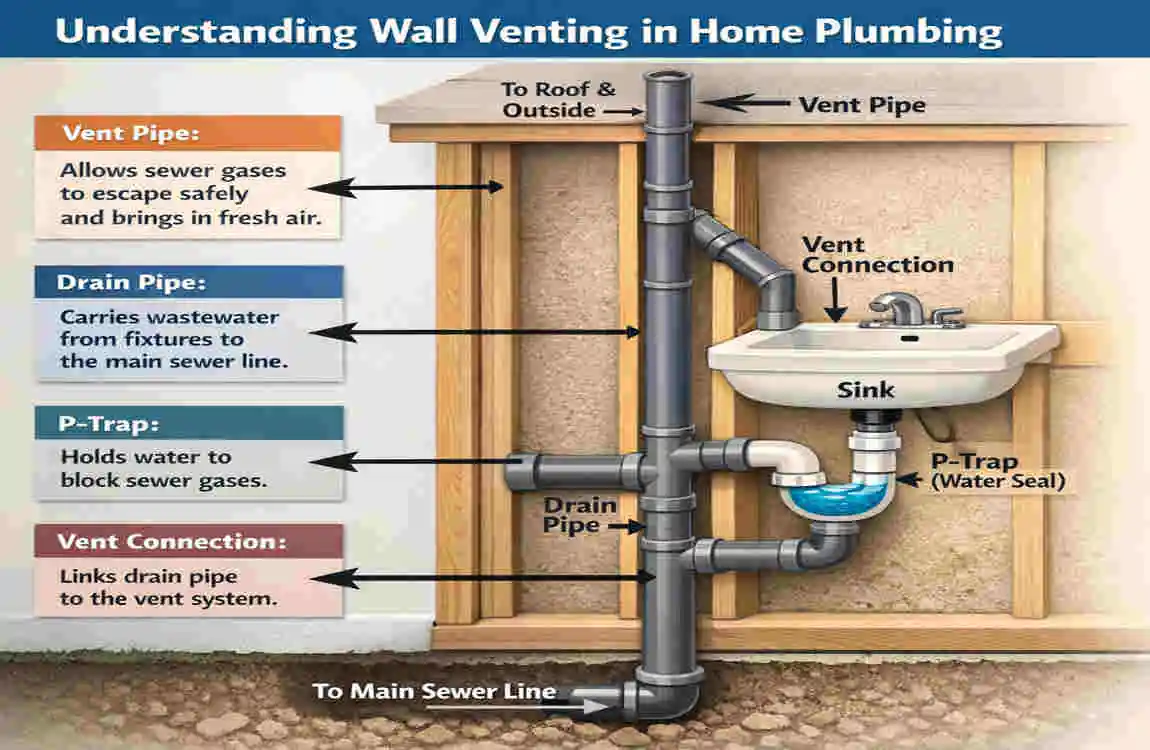
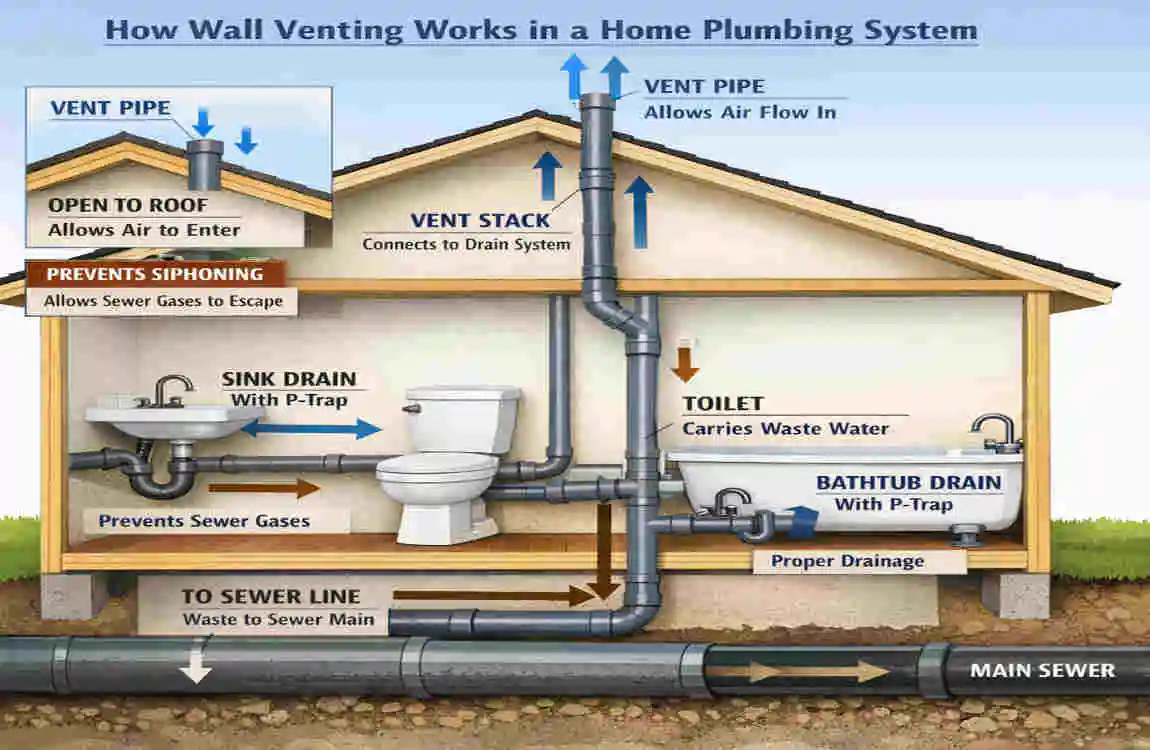
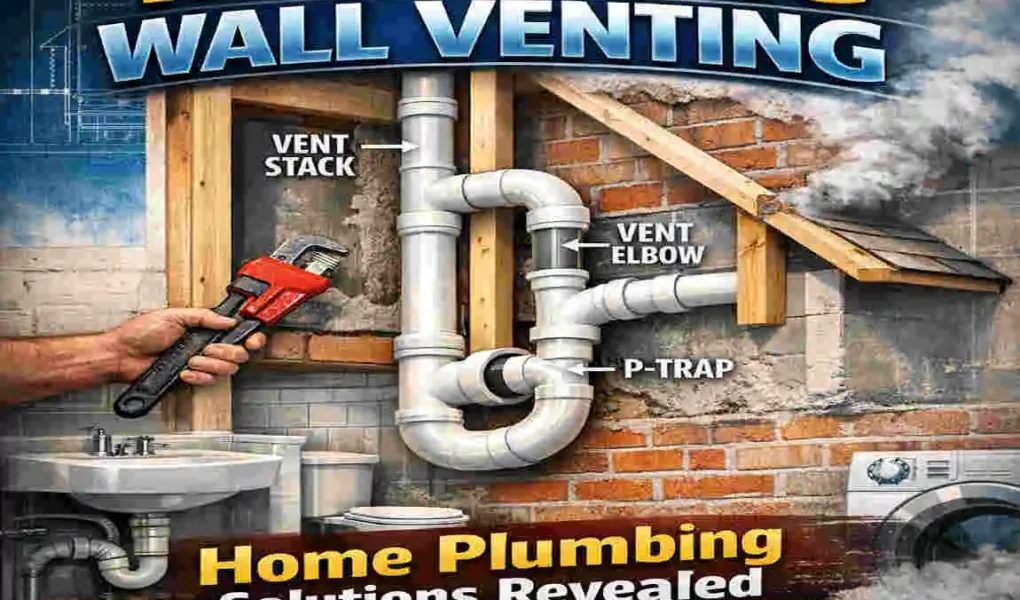
Think of your plumbing system like your respiratory system. Just as you need to breathe air in and out, your plumbing needs proper ventilation to function correctly. Plumbing venting systems are networks of pipes that allow air to enter your drainage system, preventing vacuum conditions that could disrupt water flow.

Without proper venting, you’d experience slow drains, gurgling sounds, and potentially dangerous sewer gas entering your modern home. The venting system works behind the scenes, ensuring smooth drainage and maintaining the water seals in your P-traps that block harmful gases.

The Role of Vent Pipes in Your Home

Vent pipes serve several critical functions in your plumbing system. They prevent siphoning by allowing air to replace the water as it flows down the drain. This air replacement ensures that water flows smoothly without creating vacuum conditions.

Additionally, these pipes provide an escape route for sewer gases, directing them safely outside your home rather than allowing them to bubble up through your drains. They also help maintain proper pressure throughout your plumbing system, which is essential for efficient operation.

Can You Vent Home Plumbing Through a Wall?

can you vent home plumbing through a wall

The Direct Answer

Yes, you can vent home plumbing through a wall in many situations, but it’s not always the best choice for every home. The feasibility depends on your local building codes, the layout of your plumbing system, and the venting method you choose.

Wall venting typically works best in specific circumstances, such as remodeling home projects with complex rooflines, or situations where roof access is difficult or expensive. However, you’ll need to follow strict guidelines to ensure proper function and code compliance.

When Wall Venting Makes Sense

Consider wall venting when renovating a bathroom or kitchen to avoid cutting a hole in your roof. It’s also practical for basement plumbing installations where running pipes to the roof would be complicated or costly.

Homes with tile or slate roofs often benefit from wall venting because these roofing materials are expensive to repair if damaged during vent installation. Similarly, homes in areas with heavy snow loads might find wall vents more practical since they’re less likely to become blocked.

Understanding Building Code Implications

Before you proceed with any wall venting project, you must understand that building codes vary significantly by location. Most codes allow wall venting under specific circumstances, but they often require particular installation methods and placement restrictions.

The key is ensuring your wall vent doesn’t create problems for your neighbors or compromise your home’s structural integrity. Codes typically specify minimum distances from windows, doors, and property lines to prevent odors from entering living spaces.

Types of Plumbing Vents Suitable for Wall Venting

Air Admittance Valves (AAVs)

Air admittance valves are the most popular choice for wall venting applications. These mechanical devices open when negative pressure occurs in your plumbing system, allowing air to enter while preventing sewer gases from escaping.

AAVs are installed in your wall cavity, making them completely invisible once your wall is finished. They’re instrumental in island kitchens, basement bathrooms, or any location where traditional venting would be impractical or expensive.

The main advantage of AAVs is their simplicity and effectiveness. They require no exterior wall penetration, eliminate the need for weatherproofing, and provide reliable venting for most residential applications.

Traditional Vent Pipes Through Walls

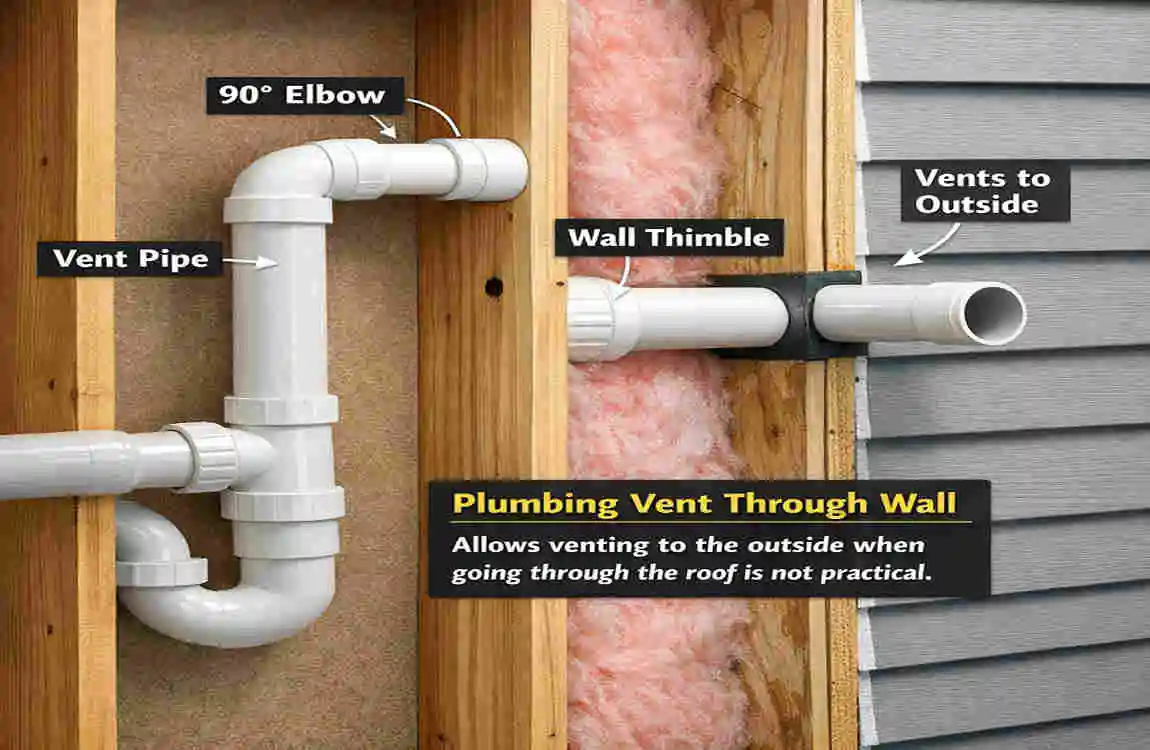
When you run traditional vent pipes through exterior walls, you redirect your venting horizontally rather than vertically. This approach requires careful planning to ensure proper slope and adequate air flow.

These installations typically involve PVC or ABS pipes that penetrate your exterior wall and terminate outside your home. You’ll need proper flashing and weatherproofing to prevent water infiltration, and the exterior termination must comply with local codes.

Combination Venting Systems

Some homes benefit from a combination approach that uses both wall and roof venting. This might involve using AAVs for some fixtures while maintaining traditional roof vents for others, creating a hybrid system that maximizes efficiency.

This approach works well when you’re adding new plumbing to an existing home that already has roof vents. You can use wall venting for new fixtures while maintaining your existing venting infrastructure.

Building Code Requirements for Venting Through Walls

can you vent home plumbing through a wall

International and Uniform Plumbing Codes

The International Plumbing Code (IPC) and Uniform Plumbing Code (UPC) provide the foundation for most local plumbing regulations. Both codes address wall venting, but they have different specific requirements you’ll need to understand.

Under the IPC, AAVs are generally accepted for individual fixtures or small groups of fixtures, while the UPC has historically been more restrictive. However, recent updates to both codes have expanded the acceptable uses for alternative venting methods.

Distance Requirements and Placement Rules

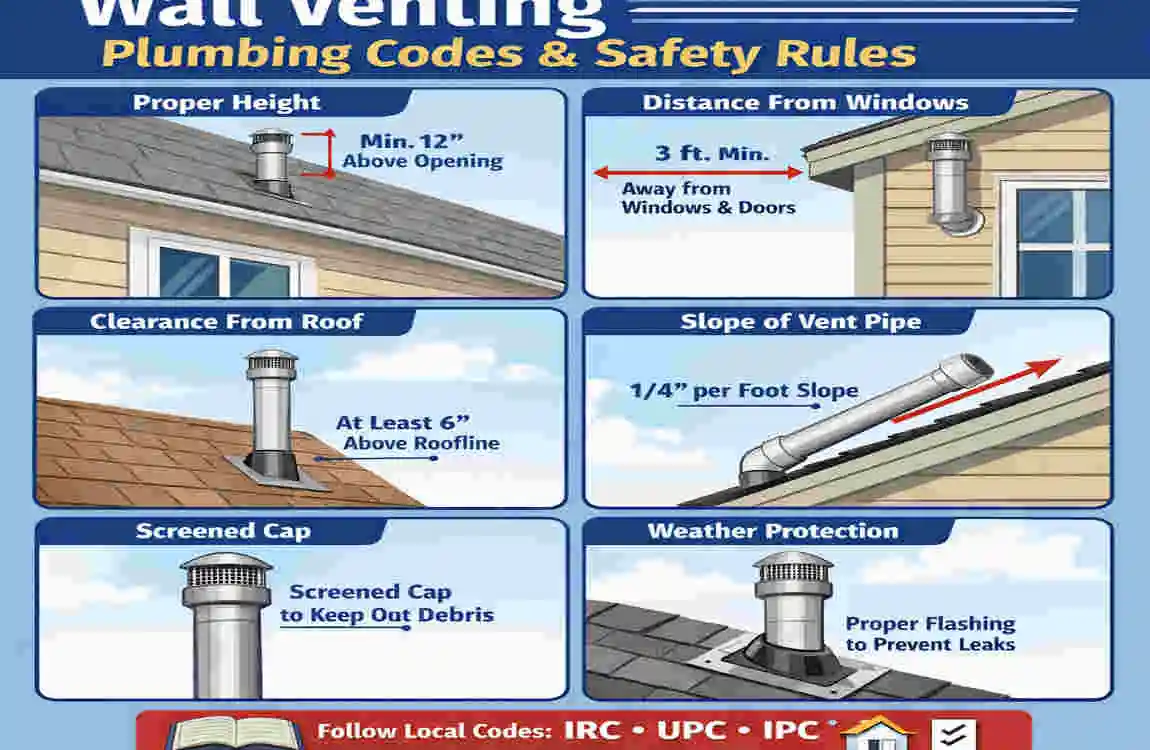
When you Install wall vents, you must maintain specific distances from windows, doors, and other openings. Most codes require at least 10 feet of horizontal clearance from any window that can open, and they often specify minimum heights above ground level.

You’ll also need to consider property line restrictions. Wall vents typically must be at least 3 feet from property boundaries to prevent odors from affecting neighboring properties. These requirements ensure your venting solution doesn’t create plumbing problems for others.

Pipe Sizing and Material Standards

Building codes specify minimum pipe sizes for different types of fixtures and venting applications. Vent pipes must be properly sized to handle the air flow requirements of your plumbing system without creating restrictions.

Most residential applications use 1.5-inch or 2-inch diameter pipes for wall venting, depending on the fixtures being vented. The material must also meet code requirements, with PVC and ABS being the most commonly accepted options.

Best Practices for Venting Home Plumbing Through a Wall

Proper Pipe Sizing and Slope Considerations

Getting the pipe sizing right is crucial for adequate wall venting. Undersized pipes create restrictions that can cause drainage problems, while oversized pipes might not maintain proper air flow velocities.

When running horizontal vent pipes through walls, maintain a slight upward slope toward the exterior termination. This prevents condensation from pooling in the plumbing pipe and ensures any moisture drains properly toward the outside.

Strategic Placement and Height Requirements

Wall vent placement requires careful consideration of both interior and exterior factors. Inside your home, position vents where they’re accessible for maintenance but won’t interfere with wall-mounted fixtures or cabinetry.

On the exterior, place vents high enough to prevent snow from blocking them but low enough for reasonable maintenance access. Most codes require exterior terminations to be at least 6 inches above ground level and to be located away from areas where people regularly walk.

Common Challenges and How to Overcome Them

can you vent home plumbing through a wall

Working with Limited Wall Space

Space constraints are often the biggest challenge in wall-venting projects. Modern homes have increasingly complex wall cavities, filled with electrical wiring, insulation, and structural elements, making pipe routing more difficult.

Before starting your project, use a stud finder to thoroughly inspect your wall cavity. You might need to relocate electrical outlets or work around existing utilities. Sometimes, building a small chase or furring strip provides the space you need without major structural modifications.

Managing Moisture and Condensation

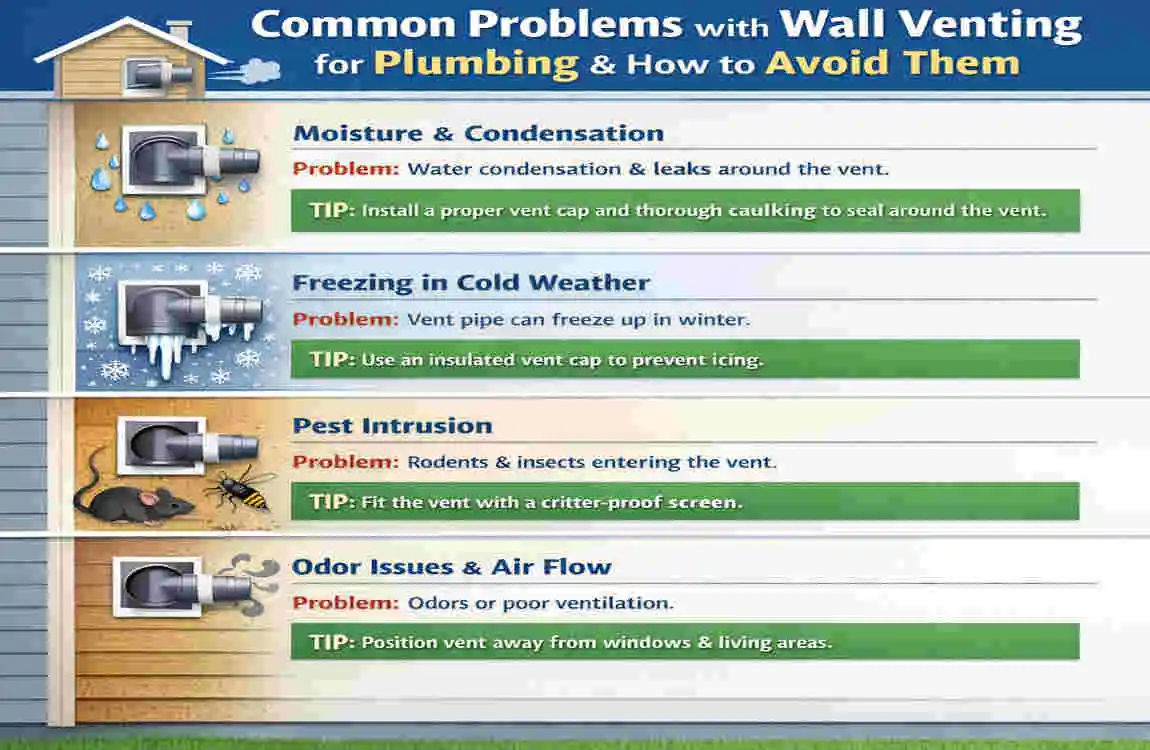
Condensation problems can develop in wall-mounted vent pipes, especially in humid climates or poorly insulated walls. When warm, moist air from your plumbing system meets cold exterior walls, condensation forms inside the pipes.

Combat this issue by insulating vent pipes where they pass through exterior walls and ensuring proper drainage slope. Consider using insulated pipe materials or wrapping standard pipes in appropriate insulation to minimize temperature differentials.

Addressing Noise Concerns

Wall-mounted vents can sometimes transmit more plumbing noise into living spaces than roof vents. This occurs because the pipes are closer to occupied areas and may vibrate against the wall framing.

Reduce noise transmission by using rubber coupling materials where pipes contact framing members. Ensure pipes are properly supported but not rigidly attached to structural elements that could amplify vibrations.

Step-by-Step Guide: How to Vent Home Plumbing Through a Wall

Planning and Measuring Your Route

Start by carefully planning your pipe route from the fixture to the exterior wall. Use a stud finder to locate framing members and mark your intended path. Measure twice and cut once – mistakes in wall penetrations are expensive to fix.

Consider the most direct route that maintains proper slope and avoids obstacles. Sometimes, a slightly longer route that avoids complications is better than forcing a copper pipe through a difficult path.

Cutting and Preparing Wall Penetrations

When you’re ready to cut, work slowly and precisely. Start with small pilot holes to confirm your location, then enlarge gradually to your final size. Use a reciprocating saw for drywall and a hole saw for siding materials.

Take care to avoid electrical wiring and plumbing lines. If you encounter unexpected obstacles, stop and reassess your route rather than forcing the installation.

Weatherproofing and Final Sealing

Apply high-quality flashing around your exterior penetration before installing the final pipe section. Use appropriate sealants for your siding material and climate conditions.

Install your chosen pest protection and verify that the exterior termination meets all code requirements for height and distance from openings.

Alternatives to Wall Venting

Traditional Roof Venting Benefits

Roof venting remains the gold standard for most plumbing applications. It provides excellent airflow, reliable performance, and broad acceptance in building codes. Roof vents also keep terminations away from living spaces, eliminating odor concerns.

If your roof structure and design permit easy installation, roof venting might still be your best choice. It’s particularly effective for main plumbing stacks that serve multiple fixtures.

Air Admittance Valve-Only Systems

For some applications, AAVs alone might provide sufficient venting without any exterior penetrations. This approach works well for single fixtures or small groups of fixtures in renovation projects.

AAVs offer the ultimate in simplicity and aesthetics since they’re completely hidden within wall cavities. However, they do require occasional replacement and might not be suitable for all applications.

Hybrid Approaches for Optimal Results

Consider combining multiple venting methods to create the most effective system for your specific situation. Use roof vents for main stacks, and add wall vents or AAVs for new fixtures.

This approach allows you to optimize each part of your system based on its specific requirements and constraints, often delivering better performance than using a single venting method across the entire plumbing system.

Frequently Asked Questions About Wall Venting

can you vent home plumbing through a wall

Is Wall Venting as Effective as Roof Venting?

Wall venting can be just as adequate as roof venting when properly designed and installed. The key is ensuring sufficient air flow and proper sizing for your specific application.

However, wall venting requires greater attention to weatherproofing and local code compliance. In some situations, such as extreme cold climates, roof venting might be more reliable.

Can I Install Wall Vents Myself?

DIY installation is possible for homeowners with good plumbing skills and knowledge of local codes. However, many jurisdictions require professional installation or inspection for venting modifications.

Consider your skill level honestly and don’t hesitate to hire professionals for complex installations or when code compliance is uncertain. The cost of professional installation often pays for itself in reliability and code compliance.

How Do I Know If My Vents Need Repair?

Signs of venting problems include slow drains, gurgling sounds, sewer odors in your luxury home, or changes in toilet bowl water levels. These symptoms often indicate blocked or improperly functioning vents.

Regular inspection of exterior vent terminations can help identify problems early. Look for pest nests, ice formation, or damage to vent guards and flashing.

You may also like...

Leave a Reply

Your email address will not be published. Required fields are marked *