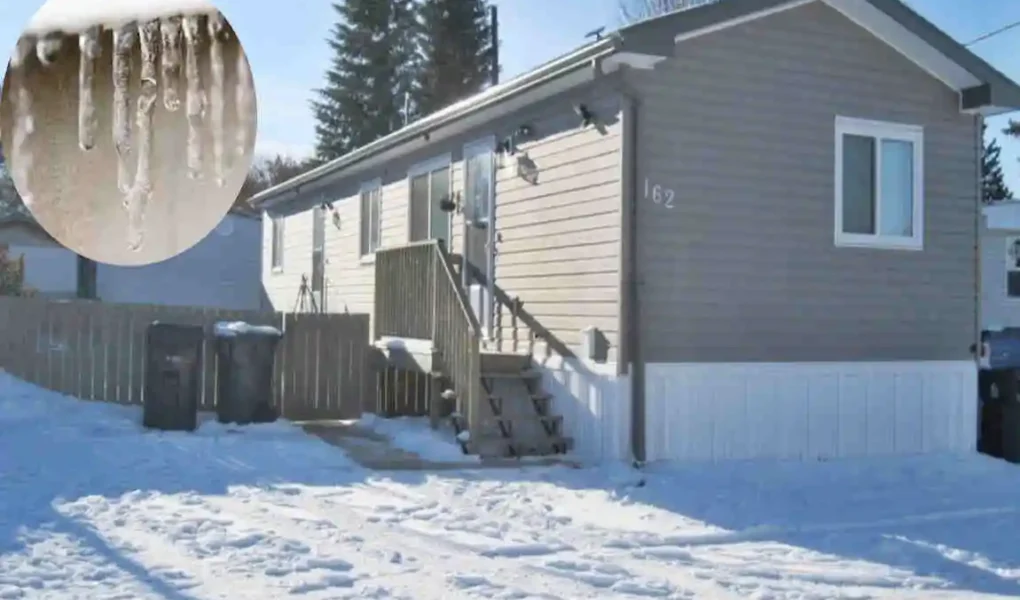
Winter can be beautiful, but it can also create serious problems for mobile homeowners. One of the biggest cold-weather issues is frozen pipes. When temperatures drop too low, water inside the pipes can freeze, expand, and eventually burst the plumbing lines. This can lead to expensive repairs, water damage, and major inconvenience.
Many people wonder what temperature pipes freeze under mobile home conditions. The answer is not always simple because several factors affect how quickly pipes freeze. However, understanding the risks can help you prevent costly damage before winter storms arrive.
Understanding Why Pipes Freeze in Mobile Homes
Why Mobile Homes Are More Vulnerable to Frozen Pipes
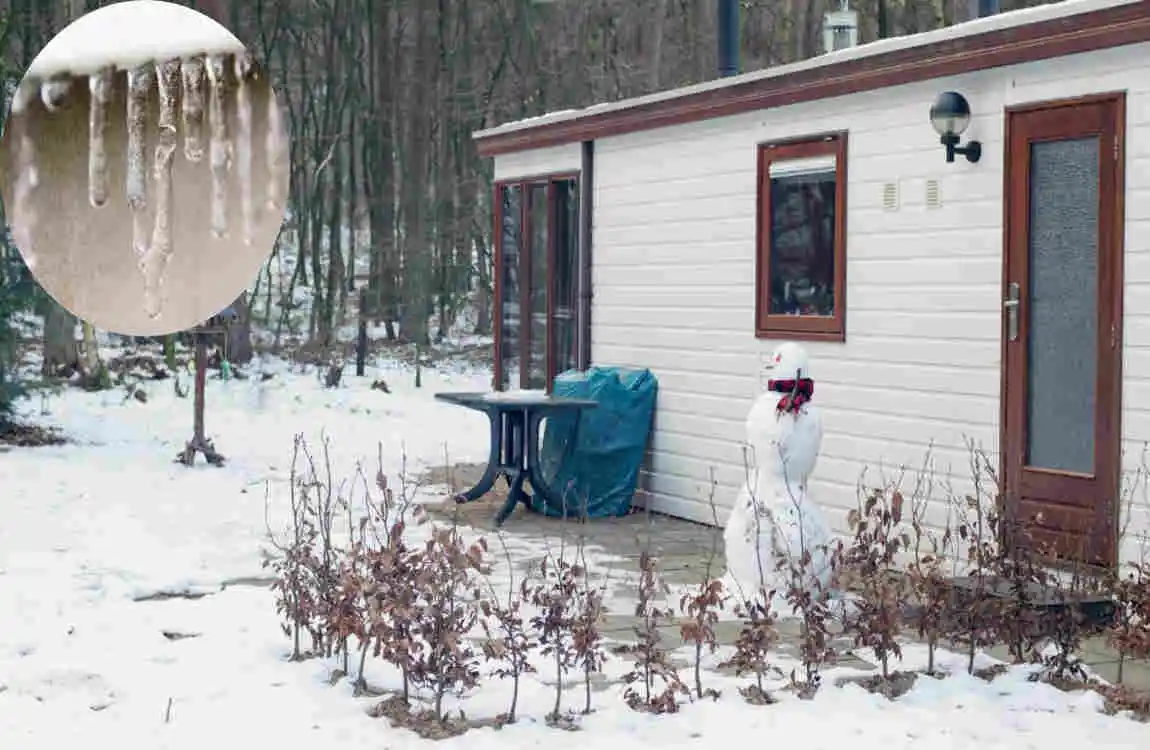
Mobile homes face unique challenges during winter. Unlike standard homes built on permanent foundations, mobile homes are often built on wheels. This design leaves plumbing systems exposed to cold air underneath the structure.
Another issue is limited insulation. Older mobile homes especially, may not have enough insulation around the floors, walls, or underbelly. Cold air can easily move through these spaces, rapidly cooling the pipes.
Strong winter winds also make things worse. Air flowing under the home removes heat from plumbing lines. Even if the outdoor temperature is not extremely low, wind can still increase the risk of freezing.
Thin walls and flooring also contribute to the problem. Pipes located near exterior walls may freeze quickly because they receive little protection from cold temperatures.
How Freezing Temperatures Affect Water Pipes
Water expands when it freezes. This expansion creates pressure inside the pipe. As the ice grows, the pressure increases until the pipe cracks or bursts.
Interestingly, pipes do not always burst exactly where the ice forms. Pressure can build up farther down the line, causing damage in unexpected areas.
Many homeowners think freezing itself is the main problem. In reality, the pressure buildup is what causes the most serious damage.
Once temperatures warm up and the ice melts, water begins leaking through the cracks. This can flood floors, walls, insulation, and furniture very quickly.
Common Pipe Materials Used in Mobile Homes
Different pipe materials react differently to freezing temperatures.
PVC Pipes
PVC pipes are common in many mobile homes because they are affordable and lightweight. However, they can crack easily during severe freezing conditions.
PEX Piping
PEX pipes are more flexible. They can expand slightly when water freezes inside them, which lowers the risk of bursting.
Copper Pipes
Copper pipes are durable, but they can still burst under high pressure caused by frozen water.
Here is a quick comparison table:
Pipe Material, Freeze Resistance, Common in Mobile Homes, Burst Risk
PVC Moderate Yes High
PEX High Yes Lower
Copper Moderate Sometimes Moderate
What Temperature Do Pipes Freeze Under a Mobile Home?
The Exact Temperature Pipes Begin to Freeze
The most common question homeowners ask is: What temperature do pipes freeze under mobile home conditions?
In general, pipes can begin freezing at 32°F (0°C). However, most pipes do not freeze immediately at this temperature.
The danger increases significantly when temperatures fall below 20°F (-6°C) for several hours. At this point, exposed mobile home pipes are at serious risk.
Pipes underneath the mobile home can freeze even more quickly because they are directly exposed to cold air and wind.
Factors That Influence Freezing Speed
Several factors determine how quickly pipes freeze.
Pipe Insulation
Well-insulated pipes stay warmer longer. Bare pipes freeze much faster.
Wind Exposure
Strong winds rapidly remove heat from pipes. Wind chill greatly increases the risk of freezing beneath mobile homes.
Pipe Location
Pipes near exterior walls or crawl spaces freeze first because they receive less indoor heat.
Water Movement
Moving water freezes more slowly than standing water. This is why dripping faucets help during cold weather.
Home Age
Older mobile homes often have weaker insulation and outdated plumbing systems.
How Long Does It Take Pipes to Freeze?
Pipes can freeze surprisingly fast. In severe weather, exposed pipes may freeze within just a few hours.
Shallow plumbing lines freeze first because they are closest to cold air. Pipes under the home are especially vulnerable overnight when temperatures remain low for long periods.
If temperatures stay below 20°F for six hours or more, the freezing risk increases significantly.
Does Wind Chill Affect Mobile Home Pipes?
Yes, wind chill plays a major role.
Even if the actual temperature is not extremely low, strong winds can cool pipes rapidly. Cold air constantly moving beneath the mobile home removes heat from plumbing lines.
This is why skirting is so important. Proper skirting blocks wind and helps trap warmer air beneath the structure.
Without skirting protection, mobile home pipes freeze much faster during winter storms.
Signs Your Mobile Home Pipes Are Starting to Freeze
Reduced Water Pressure
One of the earliest warning signs is reduced water flow. Faucets may produce only a small trickle instead of a steady stream.
This usually means ice is beginning to block the pipe.
Frost on Exposed Pipes
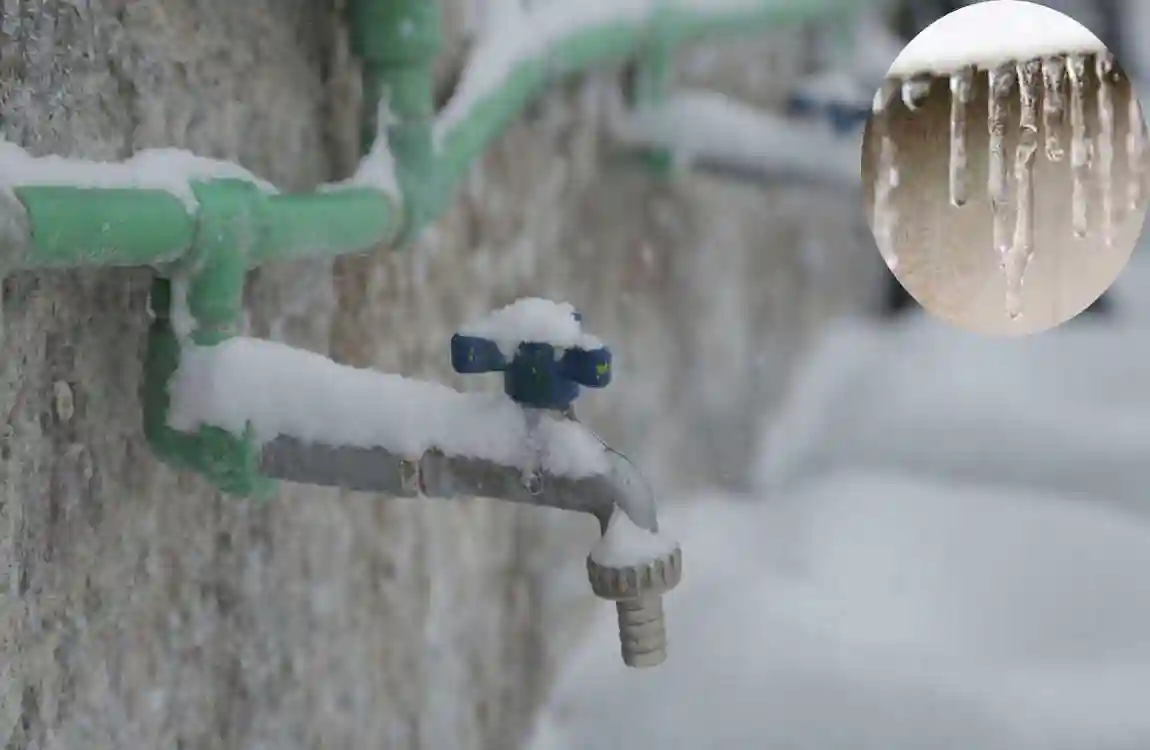
Visible frost or ice on exposed pipes is another clear warning sign.
Condensation around pipes may also indicate temperatures are dropping too low.
If you notice frost buildup, take action immediately to prevent the pipe from freezing completely.
Strange Sounds From Plumbing
Frozen pipes sometimes make unusual noises.
You may hear:
- Gurgling sounds
- Banging noises
- Whistling sounds
These noises often happen because ice blocks water movement inside the pipe.
No Water Coming From Faucets
If a faucet suddenly stops working during cold weather, a pipe may already be frozen.
Do not ignore this issue. A complete blockage often indicates that pressure is building inside the plumbing system.
Unusual Odors From Drains
Frozen drain pipes can force sewer gases back into the home. This may create unpleasant smells around sinks or drains.
Although less common, it can still happen during severe winter conditions.
Which Pipes Freeze First in a Mobile Home?
Pipes Under the Mobile Home
Pipes located beneath the home freeze first most of the time.
These pipes are directly exposed to freezing air, snow, and wind. Without insulation or skirting, they become extremely vulnerable.
Exterior Wall Plumbing
Pipes installed inside exterior walls are another weak point.
Cold outdoor temperatures quickly pass through poorly insulated walls and cool the plumbing inside.
Outdoor Hose Bibs and Water Connections
Outdoor faucets and water hoses freeze very easily.
Leaving a garden hose attached can trap water inside the pipe, increasing the risk of freezing and bursting.
Bathroom and Kitchen Pipes
Bathroom and kitchen pipes located against outside walls are also common freezing spots.
Cabinets can trap cold air around plumbing lines, especially if doors remain closed during freezing weather.
What Happens When Mobile Home Pipes Freeze?
Pipe Bursts and Cracks
As ice expands, pressure inside the pipe increases dramatically.
Eventually, the pipe cracks or bursts. Even a tiny split can release a large amount of water once temperatures rise.
Water Damage Inside the Home
Burst pipes can cause severe water damage.
Common problems include:
- Damaged flooring
- Wet insulation
- Mold growth
- Ceiling stains
- Wall damage
Water damage spreads quickly and becomes expensive to repair.
Expensive Plumbing Repairs
Repairing burst pipes can cost hundreds or even thousands of dollars.
Emergency plumbing services are especially expensive during winter storms because demand increases.
Temporary Loss of Water Supply
Frozen pipes can leave your household without water for hours or even days.
Cooking, cleaning, bathing, and other daily activities become difficult until repairs are complete.
How to Prevent Pipes From Freezing in Mobile Homes
Install Proper Mobile Home Skirting
Skirting creates a protective barrier beneath the home.
Insulated skirting helps:
- Block cold wind
- Trap warmer air
- Protect plumbing lines
- Improve energy efficiency
This is one of the best long-term solutions for winter protection of mobile homes.
Add Pipe Insulation
Pipe insulation is affordable and highly effective.
Popular options include:
- Foam pipe sleeves
- Fiberglass wraps
- Heat tape
- Insulated pipe covers
Cover all exposed pipes beneath the home whenever possible.
Keep Water Dripping During Freezing Weather
Running water freezes more slowly than standing water.
Allowing faucets to drip slightly during freezing nights can reduce pressure buildup and help prevent ice formation.
Focus on faucets connected to vulnerable plumbing lines.
Maintain Indoor Heating
Keep your thermostat at a steady temperature during winter.
Avoid turning the heat off completely, even if you leave home temporarily.
Consistent warmth helps protect pipes hidden inside walls and floors.
Seal Air Leaks Around the Home
Small air leaks can allow cold air to enter.
Check areas around:
- Doors
- Windows
- Vents
- Utility openings
Seal gaps with weather stripping or insulation materials.
Open Cabinet Doors
Opening cabinet doors allows warm indoor air to circulate through plumbing lines.
This simple trick works especially well for kitchen and bathroom pipes.
Disconnect Outdoor Hoses
Always remove garden hoses before freezing temperatures arrive.
Leaving hoses attached traps water inside outdoor plumbing connections.
Use Heat Tape Safely
Heat tape provides extra warmth for exposed pipes.
However, improper installation can become dangerous.
Follow these safety tips:
- Use heat tape approved for plumbing
- Follow manufacturer’s instructions carefully
- Avoid overlapping the tape
- Inspect it regularly for damage
Best Insulation Methods for Mobile Home Plumbing
Foam Pipe Insulation
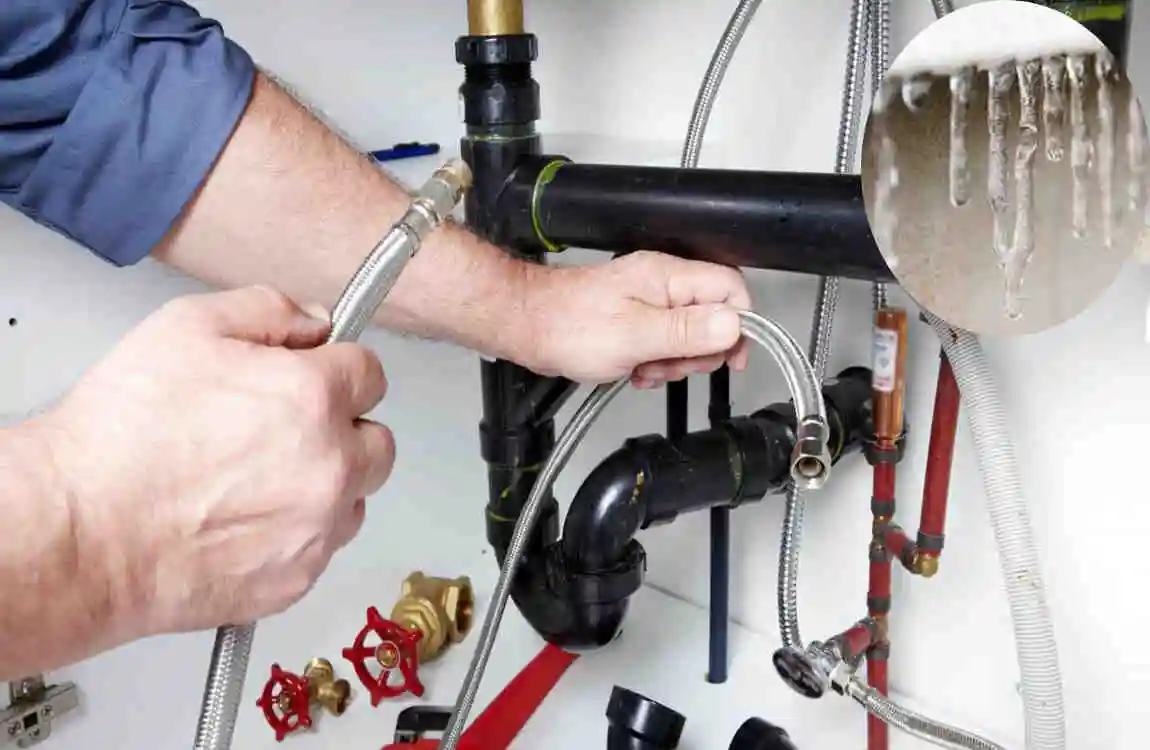
Foam sleeves are one of the easiest and cheapest solutions.
They fit around pipes quickly and provide solid protection against moderate freezing temperatures.
Fiberglass Insulation for Underbelly Areas
Fiberglass insulation works well for larger exposed spaces beneath the mobile home.
It helps reduce heat loss and protects multiple plumbing lines at once.
Heated Water Hose Systems
Heated hoses are ideal for extremely cold climates.
These systems use built-in heating elements to prevent freezing inside water supply lines.
Insulated Skirting Panels
Insulated skirting panels improve both plumbing protection and energy efficiency.
They help keep the underbelly area warmer during winter.
Vapor Barriers and Underbelly Wraps
Vapor barriers protect insulation from moisture damage.
Underbelly wraps also help maintain warmer temperatures beneath the mobile home.
How to Thaw Frozen Pipes in a Mobile Home Safely
Locate the Frozen Section
Start by finding the frozen area.
Check:
- Exposed pipes
- Crawl spaces
- Exterior wall plumbing
- Outdoor connections
Frozen sections often have visible frost buildup.
Turn On Faucets Slightly
Open the affected faucet slightly before thawing the pipe.
This relieves pressure and allows melting ice to escape safely.
Use Warm Air to Thaw Pipes
Warm air is one of the safest methods for thawing.
You can use:
- Hair dryers
- Portable heaters
- Warm towels
Move the heat slowly along the pipe until the water flow returns.
Avoid Dangerous Thawing Methods
Never use open flames to thaw pipes.
Avoid:
- Propane torches
- Charcoal heaters
- Open fires
These methods can damage pipes and create serious fire hazards.
When to Call a Professional Plumber
Some situations require professional help.
Call a plumber if:
- Pipes burst
- Frozen areas are hidden
- You cannot locate the blockage
- Water leaks appear
Quick repairs can prevent more extensive water damage.
Emergency Steps if a Pipe Bursts
Shut Off the Main Water Supply Immediately
The first step is turning off the main water valve.
This stops additional water from flooding the home.
Every homeowner should know the location of the shutoff valve before winter begins.
Drain Remaining Water
After shutting off the water supply, open faucets to drain leftover water from the pipes.
This reduces pressure and helps prevent additional freezing.
Protect Floors and Furniture
Move furniture, rugs, and electronics away from water.
Use towels and buckets to contain as much leaking water as possible.
Contact a Plumbing Professional
Burst pipes require fast repairs.
A professional plumber can replace damaged sections and inspect the rest of the system for hidden problems.
Document Damage for Insurance Claims
Take photos of damaged areas immediately.
Save repair receipts and plumbing reports for insurance purposes.
Winterizing a Mobile Home for Extreme Cold
Seasonal Plumbing Inspection
Inspect your plumbing system before winter arrives.
Look for:
- Exposed pipes
- Cracks in insulation
- Air leaks
- Damaged skirting
Small repairs now can prevent major problems later.
Upgrade Older Plumbing Systems
Older mobile homes may benefit from plumbing upgrades.
PEX piping is often recommended because it performs better in freezing conditions than rigid pipes.
Install Smart Temperature Monitoring Systems
Smart freeze sensors can alert homeowners when temperatures drop too low.
Some systems even send notifications directly to your phone.
Add Supplemental Heating Under the Home
In very cold regions, supplemental heating beneath the mobile home may help.
Safe options include:
- Enclosed heating systems
- Heated crawl spaces
- Professionally installed heating units
Prepare for Power Outages
Power outages increase the risk of freezing because heating systems stop working.
Keep emergency supplies ready, including:
- Blankets
- Portable heaters
- Backup generators
- Extra insulation materials
Common Mistakes Mobile Home Owners Make During Winter
Turning Off Heat Completely
Some homeowners shut off the heat while traveling to save money.
Unfortunately, this often leads to frozen plumbing and expensive repairs.
Ignoring Small Drafts
Tiny gaps around doors or pipes may seem harmless, but cold air can quickly freeze the plumbing nearby.
Always seal drafts before winter.
Forgetting to Insulate Outdoor Connections
Outdoor water connections freeze faster than indoor plumbing.
Protect hose bibs and exposed faucets with insulated covers.
Using Unsafe Heating Equipment
Improper heating methods create fire hazards and may damage plumbing.
Always use heating equipment according to safety instructions.
Cost of Repairing Frozen or Burst Pipes in Mobile Homes
Average Pipe Repair Costs
Minor frozen pipe repairs may cost a few hundred dollars.
However, major burst pipe repairs can become much more expensive.
Here is a simple cost overview:
Repair Type Estimated Cost
Minor pipe thawing $100 – $300
Pipe replacement $300 – $1,500
Major water damage repair $2,000+
Water Damage Restoration Expenses
Water damage often costs more than the plumbing repair itself.
Wet flooring, insulation, and drywall may require full replacement.
Mold cleanup can also significantly increase repair costs.
Preventative Maintenance Costs
Preventing frozen pipes usually costs far less than repairing them.
Basic insulation, skirting, and heat tape are more affordable than emergency plumbing repairs.
Mobile Home Pipe Freezing FAQs
Can Pipes Freeze at 32 Degrees?
Yes, pipes can begin freezing at 32°F, especially exposed pipes under mobile homes.
Will Pipes Freeze in One Night?
Yes, severe overnight temperatures below 20°F can freeze exposed plumbing within hours.
Should I Leave Faucets Dripping?
Yes, allowing faucets to drip slowly helps keep water moving and reduces the risk of freezing.
How Cold Is Too Cold for Mobile Homes?
Temperatures below 20°F become dangerous for poorly insulated mobile homes.
What Type of Pipes Resist Freezing Best?
PEX pipes usually resist freezing better because they can expand slightly without bursting.
How Do I Protect Pipes During a Power Outage?
Keep cabinet doors open, use backup heat sources safely, and insulate exposed pipes before storms arrive.
| Temperature Range | Freezing Risk for Mobile Home Pipes | What Happens |
|---|---|---|
| 32°F (0°C) | Low to Moderate | Pipes may begin forming ice in exposed areas |
| 28°F to 20°F (-2°C to -6°C) | High | Uninsulated pipes can freeze within hours |
| Below 20°F (-6°C) | Very High | Major risk of frozen and burst pipes |
| Below 0°F (-18°C) | Severe | Pipes freeze rapidly, especially under mobile homes |