Your home flooring does more than cover the ground. It shapes how your space feels, looks, and even how comfortable it is to live in every day. A good flooring choice can make your home feel warm, welcoming, and stylish. On the other hand, a poor choice can lead to discomfort, frequent repairs, and extra costs.
What is Cushioned Vinyl Flooring?
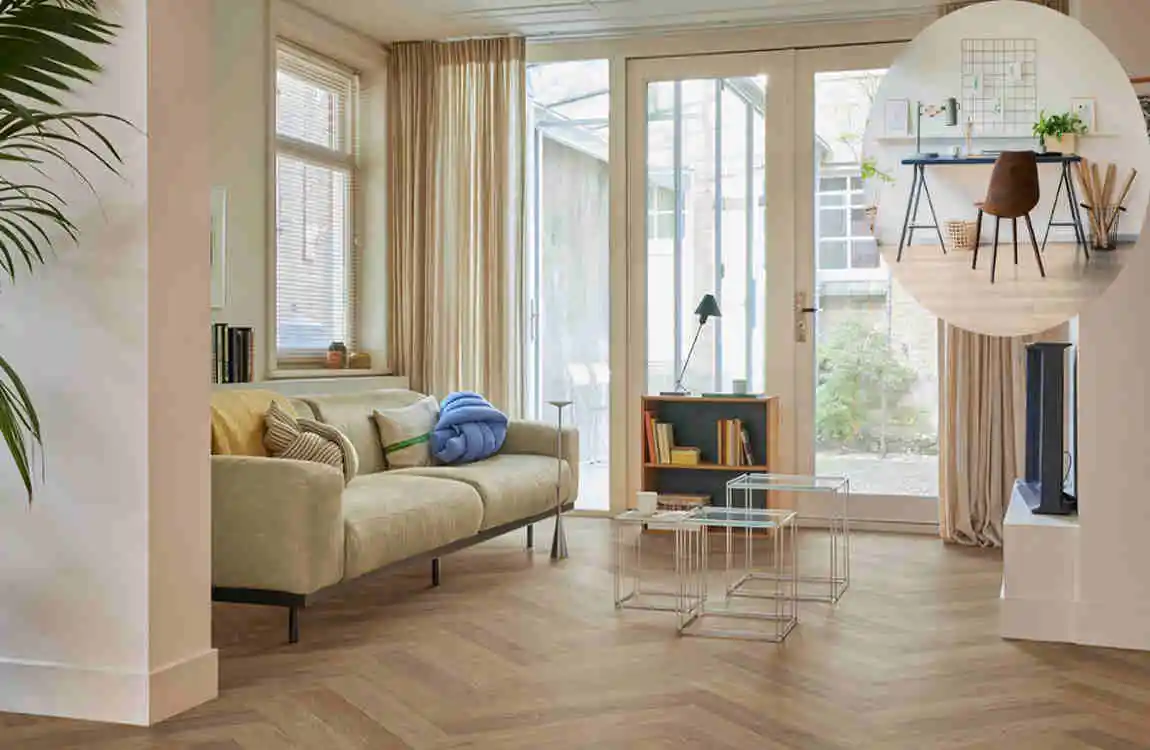
What is Cushioned Vinyl Flooring?
Cushioned vinyl flooring is a type of vinyl floor that includes a soft, padded layer underneath the surface. This cushioning layer makes the floor more comfortable to walk on compared to standard vinyl flooring.
In simple terms, it is a soft, flexible flooring material that provides comfort under your feet while still offering strength and durability.
It is made using multiple layers:
- A soft backing layer for cushioning
- A printed design layer for appearance
- A strong protective top layer for durability
This combination creates a floor that looks stylish but also feels gentle and comfortable.
Key Components of Cushioned Vinyl Flooring
Let’s break it down simply:
- Foam or felt backing: This is the soft layer that provides comfort
- PVC layers: These form the main structure of the flooring
- Wear layer: A protective surface that resists scratches and stains
Each layer works together to give you a strong yet soft flooring option.
How It Differs from Regular Vinyl Flooring
Cushioned vinyl flooring is different from standard vinyl in a few important ways:
- It feels softer underfoot
- It reduces noise when walking
- It is slightly thicker and more flexible
This makes it especially useful in homes where comfort matters, such as bedrooms and living rooms.
Why Homeowners Prefer It
People often choose cushioned vinyl flooring because it offers a perfect balance of:
- Comfort for daily use
- Affordable pricing compared to wood or tiles
- Easy installation and maintenance
It is a smart choice for modern homes looking for both style and practicality.
Benefits of Cushioned Vinyl Flooring
Advantages of Cushioned Vinyl Flooring
Cushioned vinyl flooring has become popular because it offers many practical benefits for everyday living.
Comfort and Softness
One of the biggest advantages is comfort. The soft layer under the surface makes walking easier and reduces pressure on your feet.
It is especially helpful in:
- Kitchens where you stand for long periods
- Living rooms where the family gathers often
Durability and Longevity
Despite being soft and cushioned, vinyl is surprisingly strong. It can withstand daily wear and tear.
- Resists scratches and stains
- Works well in high-traffic areas
- Lasts for many years with proper care
Water and Moisture Resistance
Another great benefit is water resistance. This makes it perfect for areas like kitchens and bathrooms.
It also helps:
- Prevent mold growth
- Protect the subfloor from damage
Cost-Effective Flooring Solution
Compared to tiles or hardwood, cushioned vinyl is much more budget-friendly.
- Lower installation cost
- Less maintenance expense
- Long-term savings
Noise Reduction Properties
The cushioned layer helps absorb sound, making your home quieter.
This is especially useful if:
- You live in an apartment
- You have kids running around
- You want a peaceful home environment
Types of Cushioned Vinyl Flooring
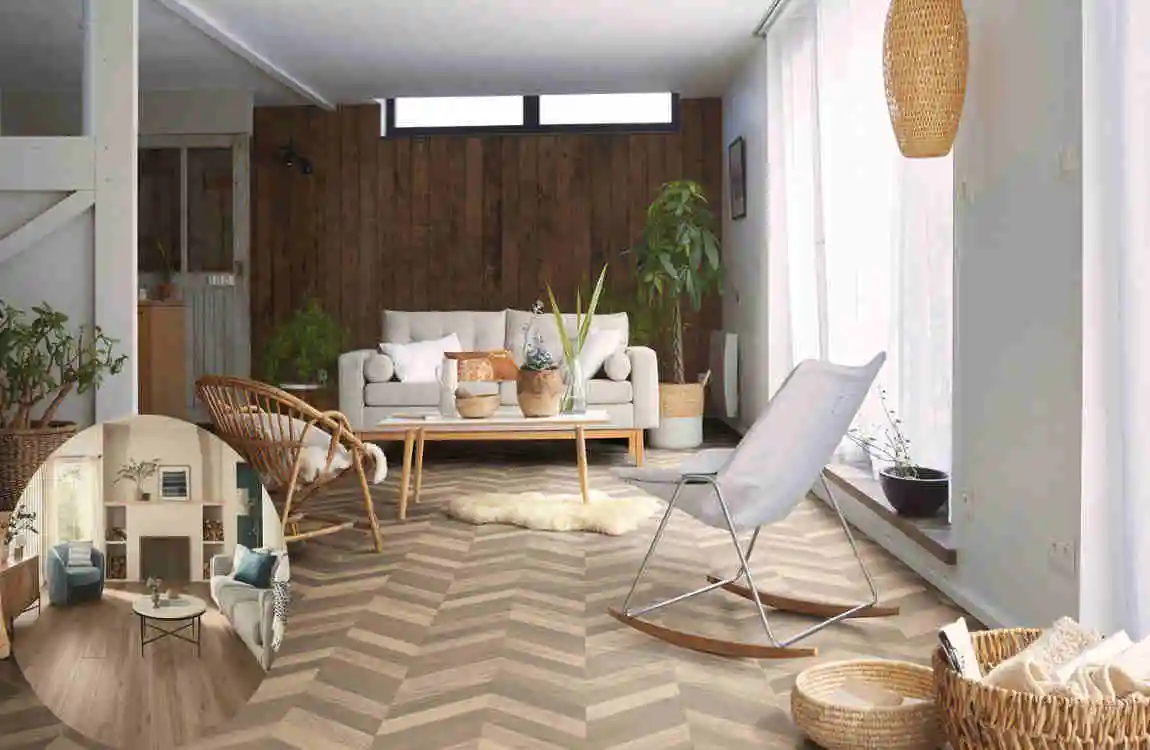
Different Types You Can Choose From
There are several types of cushioned vinyl flooring, and each has its own purpose.
Sheet Vinyl Flooring
This comes in large rolls and covers the floor in one piece.
- Seamless look
- Ideal for large rooms
- Less chance of water leakage
Vinyl Tiles
These come in square or rectangular pieces.
- Easy to replace if damaged
- Flexible design options
- Great for DIY projects
Luxury Vinyl Planks (LVP)
These are designed to look like real wood.
- Stylish and modern appearance
- Strong and long-lasting
- Popular in modern homes
Printed vs Textured Cushioned Vinyl
- Printed vinyl: Focuses on design and patterns
- Textured vinyl: Adds grip and reduces slipping
Both options improve safety and style depending on your needs.
Key Factors to Consider Before Choosing
What to Look for When Selecting Cushioned Vinyl Flooring
Choosing the right flooring requires careful thinking. Let’s break it down.
Room Usage and Traffic Level
Think about where you will install it:
- High-traffic areas need stronger flooring
- Bedrooms can use softer options
- Kitchens need water resistance
Thickness and Cushioning Level
Thicker flooring usually offers more comfort, but may cost more.
- More cushioning = more comfort
- Less cushioning = more durability in some cases
Wear Layer Quality
The wear layer protects your floor from damage.
- Thicker wear layer = better scratch resistance
- Important for homes with pets or kids
Design and Aesthetic Appeal
You should choose a design that matches your home style.
Popular options include:
- Wood patterns
- Stone textures
- Modern abstract designs
Installation Method
There are different installation styles:
- Glue-down method
- Click-lock system
- Loose lay flooring
Each has its own advantages depending on your budget and skill level.
Budget Considerations
Always balance cost and quality.
- Cheaper options may not last long
- High-quality flooring gives better long-term value
Installation Process Overview
How Cushioned Vinyl Flooring is Installed
Installation is simple but requires care.
Surface Preparation
The floor must be:
- Clean
- Dry
- Level
Any uneven surface can affect the final result.
Measuring and Cutting Material
Accurate measurement is very important to avoid waste and gaps.
Installation Techniques
Common methods include:
- Using adhesive for strong bonding
- Floating installation for easy setup
Post-Installation Care
After installation:
- Avoid heavy furniture for a few hours
- Allow proper setting time
Maintenance and Care Tips
How to Maintain Cushioned Vinyl Flooring
Proper care helps your flooring last longer.
Regular Cleaning Routine
- Sweep daily to remove dust
- Mop weekly with a mild cleaner
Avoiding Damage
- Use furniture pads
- Avoid dragging heavy objects
Cleaning Products to Use
- Mild detergents only
- Avoid harsh chemicals
Long-Term Care Tips
- Keep moisture under control
- Inspect for damage regularly
Common Mistakes to Avoid
Mistakes Homeowners Make When Choosing Vinyl Flooring
Avoid these common errors:
- Ignoring wear layer thickness
- Choosing looks over durability
- Poor floor preparation
- Not matching the flooring with the room’s use
Comparison Table: Cushioned Vinyl vs Other Flooring Options
Feature: Cushioned Vinyl Flooring, Tiles, Hardwood, Laminate
Comfort High Low Medium Medium
Water Resistance High High Low Low
Cost: Affordable, Medium, Expensive, Medium
Maintenance Easy Moderate High Moderate
Durability High Very High High Medium
Is Cushioned Vinyl Flooring Right for Your Home?
Final Decision Guide
Cushioned vinyl flooring is a great choice for many homes, but not all situations.
Best for Families
It is soft, safe, and comfortable for children and older adults.
Best for Rental Properties
It is affordable, durable, and easy to replace.
Best for Modern Interiors
It comes in many stylish designs that suit modern homes.
When It May Not Be Ideal
- Extremely hot environments
- Heavy industrial usage areas
Frequently Asked Questions
What is cushioned vinyl flooring made of?
It is made of multiple PVC layers with a soft foam backing and a protective top layer.
Is cushioned vinyl flooring waterproof?
Yes, it is highly water-resistant and suitable for kitchens and bathrooms.
How long does it last?
With proper care, it can last 10–20 years.
Can it be installed over old flooring?
Yes, if the surface is smooth and clean.
Is it good for bedrooms and kitchens?
Yes, it works very well in both areas due to comfort and moisture resistance.
| Factor | What to Look For | Why It Matters |
|---|---|---|
| Room Type | Kitchen, bedroom, living room, bathroom | Helps decide durability and water resistance needs |
| Comfort Level | Thick cushioning layer | Ensures soft and comfortable walking surface |
| Durability | Strong wear layer (scratch-resistant) | Increases flooring lifespan |
| Water Resistance | Fully waterproof or highly water-resistant | Prevents damage in wet areas |
| Design Style | Wood, stone, or modern patterns | Matches home interior décor |
| Installation Type | Glue-down, click-lock, or loose lay | Affects ease and cost of installation |
| Budget | Affordable vs premium options | Balances cost with long-term value |