Home damage rarely affects only one area for long. Whether caused by water intrusion, storms, fire exposure, or structural failure, problems inside a home tend to spread quickly once the protective systems of the property become compromised. What many homeowners underestimate is how much damage can continue developing after the original incident itself appears to stop.
The first visible issue is often only a small part of the overall problem. Moisture moves through walls and flooring, smoke particles settle into hidden surfaces, and weakened materials continue deteriorating quietly in the background. This is why response time matters so heavily after any significant property damage. The faster the situation is stabilized, the more likely homeowners are to limit both structural loss and long-term restoration costs.
Water Damage Continues Spreading After the Leak Stops
One of the biggest misconceptions homeowners have is believing that once visible water is removed, the problem is mostly resolved. In reality, moisture often continues affecting structural materials long after standing water disappears. Drywall, insulation, flooring, framing, and subfloor materials absorb moisture gradually, allowing deterioration to spread beneath the surface.
This hidden moisture becomes especially dangerous because it may remain trapped in enclosed areas where homeowners cannot easily see the damage progressing. Over time, this creates ideal conditions for mold growth, material weakening, and air quality problems that become far more difficult to address later.
This is why services involving Regent Restoration Fort Worth focus heavily on rapid response and moisture control immediately after damage occurs. Early mitigation significantly reduces how much surrounding material becomes affected while limiting the likelihood of larger structural restoration later.
Delayed Repairs Often Increase Restoration Costs
Another reason fast action matters is because restoration costs tend to increase dramatically once damage spreads into additional systems. A relatively small leak affecting one room may eventually compromise flooring, electrical wiring, insulation, cabinetry, or nearby structural areas if left untreated for too long.
The same pattern applies to storm damage, fire exposure, or roofing vulnerabilities. Initial repairs may seem manageable, but delays allow environmental exposure to continue affecting surrounding materials continuously. Once secondary damage develops, restoration becomes significantly more invasive and expensive.
Many homeowners postpone action because visible damage initially appears limited. Unfortunately, property deterioration rarely remains isolated once protective barriers inside the home have been compromised.
Structural Materials Weaken Over Time
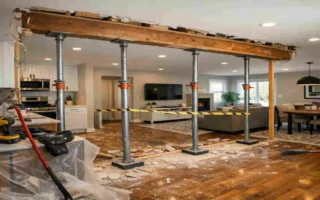
Building materials are designed to withstand normal environmental conditions, but once exposed to excessive moisture, heat, or contamination, their structural integrity often begins declining immediately. Wood framing can warp, drywall softens, insulation loses effectiveness, and flooring materials gradually weaken beneath the surface.
The longer damaged materials remain untreated, the greater the likelihood that repairs will require full replacement rather than localized restoration. What could have been addressed through targeted mitigation early may later involve major reconstruction once structural deterioration spreads more extensively.
Fast response therefore protects more than appearance alone. It helps preserve the physical stability of the home itself before materials lose the ability to recover properly.
Indoor Air Quality Can Change Quickly
Another issue homeowners frequently overlook after property damage is how rapidly indoor air quality can decline. Moisture exposure, smoke residue, mold development, and contaminated materials all affect the air circulating throughout the home.
These environmental changes often begin before visible warning signs fully appear. Homeowners may notice musty odors, irritation, headaches, or worsening allergies without immediately recognizing that damaged materials are already affecting the indoor environment.
Children, older adults, and individuals with respiratory sensitivity are often especially vulnerable during this stage. Fast mitigation reduces the amount of contamination spreading throughout the home while helping preserve healthier indoor conditions during restoration.
Small Delays Often Become Major Disruptions
One reason homeowners postpone restoration is because they hope damage may not be as serious as it initially appears. Unfortunately, even short delays can allow moisture, contamination, or structural weakness to spread much farther than expected.
The emotional side of home damage also contributes to delayed decisions. People often feel overwhelmed managing insurance, temporary living arrangements, financial concerns, and the stress of unexpected disruption simultaneously. As a result, restoration planning may feel easier to postpone temporarily.
The problem is that property damage continues progressing regardless of how stressful the situation feels. Fast action matters because homes rarely remain stable once protective systems have already been compromised.
Restoration Is About Preventing Further Loss
Many people think of restoration only as repairing what was already damaged. In reality, one of the most important goals is preventing additional loss from continuing after the initial event itself. The earlier mitigation begins, the more likely homeowners are to preserve unaffected materials and avoid much larger repairs later.
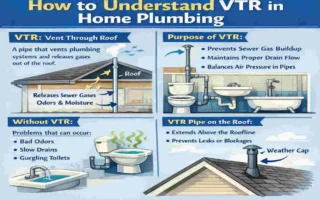
Quick response often determines whether restoration remains localized or expands into widespread reconstruction involving multiple systems throughout the property. Roofing vulnerabilities, moisture exposure, and structural damage all become significantly harder to contain once deterioration spreads behind walls, under flooring, or throughout ventilation systems.
This is why experienced restoration teams prioritize stabilization immediately. Protecting the unaffected parts of the home is often just as important as repairing the visible damage itself.
The Biggest Damage Often Happens After the Initial Event
Perhaps the most important thing homeowners eventually realize is that the original incident is not always what causes the largest financial loss. More often, the most expensive damage develops afterward through delayed response, hidden moisture, environmental exposure, or structural deterioration continuing quietly over time.
A leak becomes mold growth. Storm damage weakens surrounding materials. Smoke residue spreads through ventilation systems. Small restoration projects become full-scale reconstruction because the property remained exposed too long before action was taken.
Fast action matters because homes recover best when problems are contained early instead of being allowed to spread beneath the surface. The sooner restoration begins, the better the chances of protecting both the structure itself and the long-term comfort, safety, and value of the property.