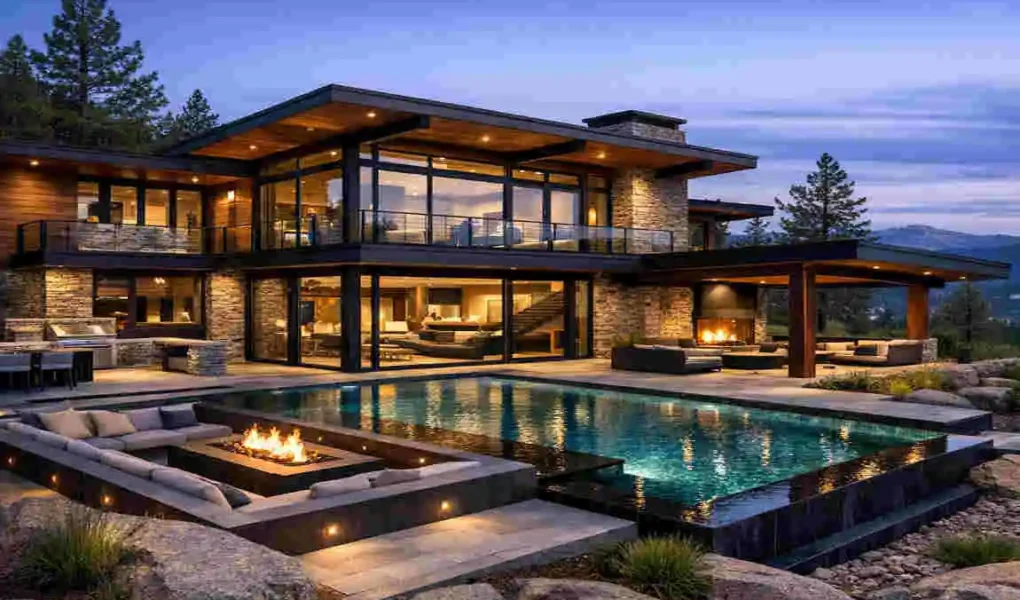
A modern bigwood house blends the warmth of natural wood with clean, contemporary design. It feels stylish, calm, and welcoming at the same time. If you like homes that look fresh but still feel connected to nature, this style is a great choice.
More homeowners are choosing this design because it offers beauty, comfort, and practicality in one package. It also works well for people who want a home that feels open, bright, and energy efficient.
What Is a Modern Bigwood House?
Definition and Key Characteristics
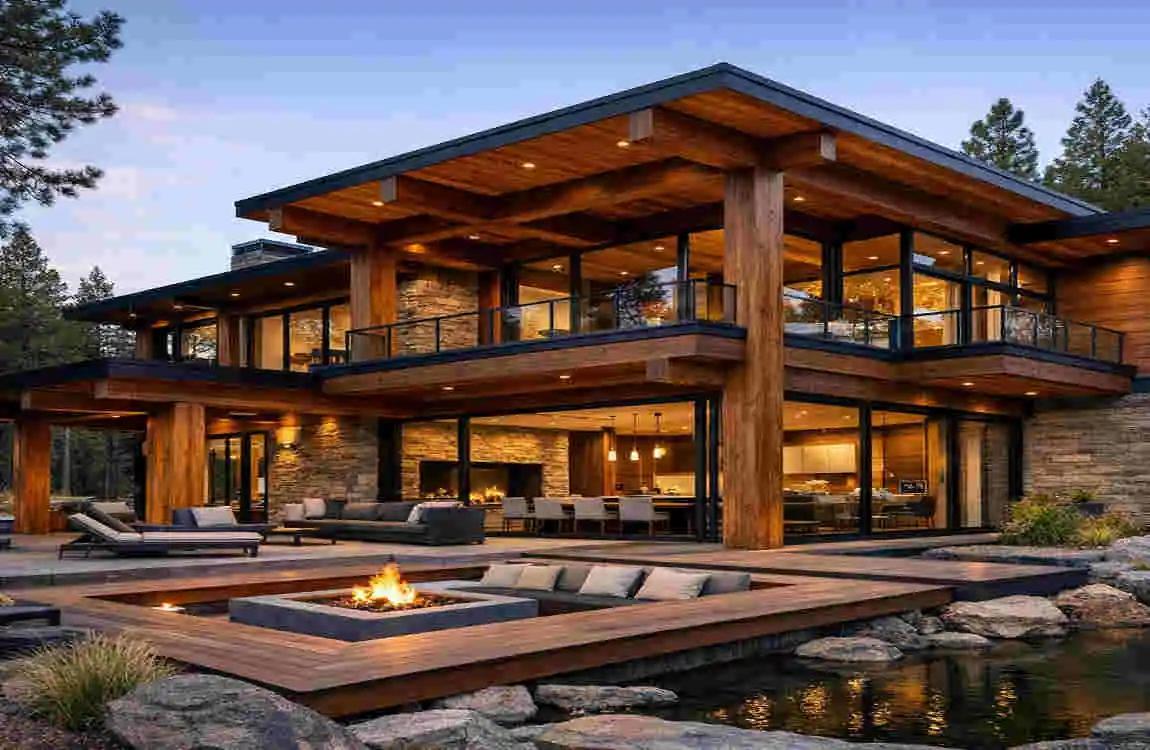
A modern bigwood house is a home that uses large wood elements in its home design. It often includes open rooms, big windows, simple shapes, and a strong connection to the outdoors.
The look is usually clean and uncluttered. Instead of heavy decoration, the focus is on natural textures, soft colors, and practical layouts.
Difference Between Traditional and Modern Wood Homes
Traditional wood homes often feel more rustic, cozy, and classic. They may have smaller windows, closed-off rooms, and more decorative details.
A modern bigwood house feels more open and light. It uses wood in a simpler, more refined way. You still get the natural charm, but with a fresh and updated look.
Why Homeowners Love This Style
Many homeowners love this style because it feels warm, modern, and timeless. The wood adds character, while the modern layout makes daily living easier.
It also suits different lifestyles. Whether you want a family home, a quiet retreat, or a stylish investment property, this design can work well.
Top Features of a Modern Bigwood House
Open Floor Plans
Open layouts make the home feel larger and more connected. The kitchen, dining, and living areas often flow into one another, which helps everyday life run more smoothly.
This design is especially useful if you enjoy hosting guests or spending time with family.
Large Glass Windows
Big windows are a key part of this style. They bring in plenty of natural light and make the wood details stand out beautifully.
They also help connect indoor spaces with the garden or surrounding views.
Natural Wood Finishes
Wood is the heart of the design. It may appear on walls, ceilings, floors, beams, or feature panels.
The finish is usually natural or lightly treated, so the texture and grain remain visible. This creates a calm and balanced feeling.
High Ceilings and Spacious Rooms
High ceilings can make the home feel more open and elegant. They also improve airflow and allow more daylight into the room.
When paired with wood and glass, they create a strong sense of space without feeling cold.
Energy-Efficient Design
A modern bigwood house often includes good insulation, smart windows, and energy-saving materials. This helps keep the home warm in winter and cool in summer.
That means more comfort for you and lower energy bills over time.
Popular Modern Bigwood House Design Ideas
Minimalist Exterior
A minimalist exterior keeps the house looking clean and modern. Simple lines, neutral colors, and natural wood cladding work well together.
This style lets the materials speak for themselves without adding too much detail.
Rustic-Modern Interior
This design mixes modern simplicity with warm rustic touches. Think wooden beams, soft fabrics, neutral walls, and modern furniture.
It creates a cozy home that still feels polished and current.
Smart Home Integration
Many modern bigwood houses include smart lighting, heating, security, and blinds. These features make the home easier to manage and more comfortable to live in.
They also fit well with the modern side of the design.
Outdoor Living Spaces
A deck, patio, or covered outdoor seating area can make the home feel even bigger. Wood looks beautiful outside too, especially when it matches the rest of the house.
This helps create a smooth flow between indoor and outdoor life.
Sustainable Landscaping
Simple gardens with native plants, gravel paths, and low-maintenance greenery can suit this style very well.
Sustainable landscaping keeps the home looking natural and easy to care for.
Benefits of Choosing a Modern Bigwood House
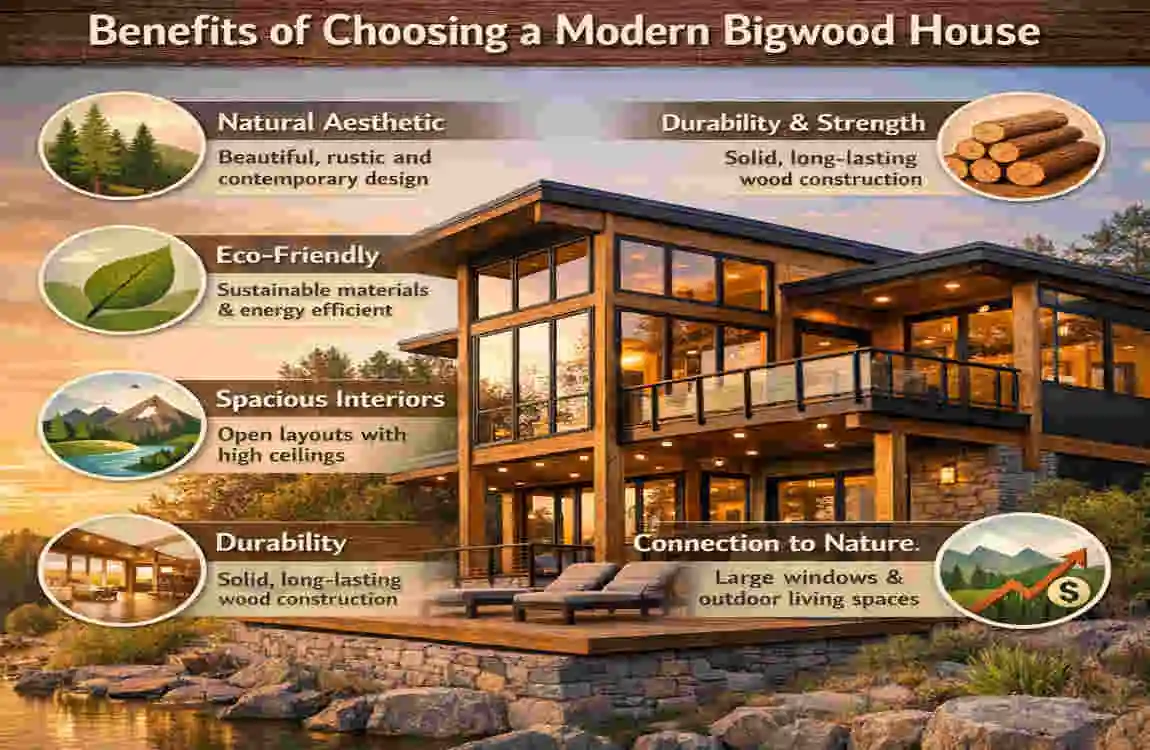
A modern bigwood house offers many benefits that make it attractive for both living and long-term value.
- Natural beauty: Wood gives the home warmth and character.
- Durability: Quality wood and good construction can last for decades.
- Eco-friendly materials: Many designs use sustainable timber and energy-saving features.
- Comfortable indoor environment: The home feels bright, calm, and welcoming.
- Strong resale value: This style is popular with buyers seeking a modern yet natural-looking home.
Quick Comparison Table
Feature Modern Bigwood House Traditional Wood House
Design Contemporary Classic
Windows Large glass panels Smaller windows
Layout Open concept Separate rooms
Materials Engineered wood & glass Solid timber
Energy Efficiency High Moderate
Maintenance Low to Moderate Moderate
Tips for Designing Your Modern Bigwood House
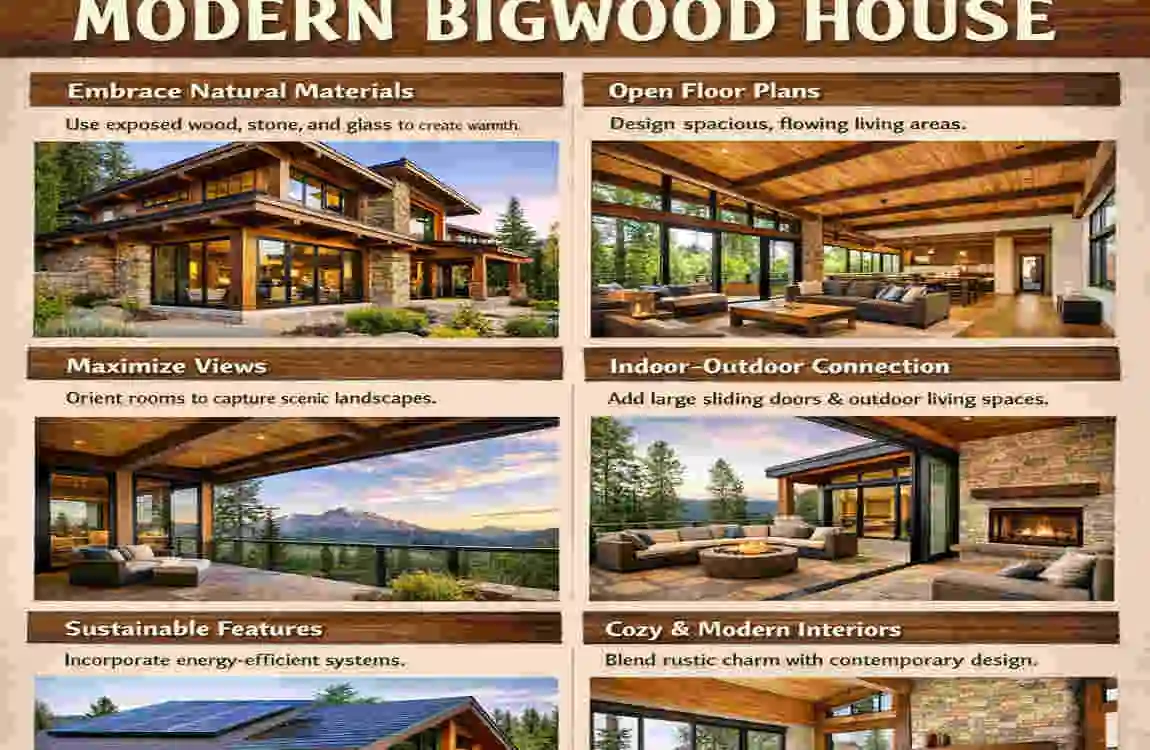
Choose Quality Wood Materials
The wood you choose matters a lot. Good-quality timber looks better and lasts longer. It also performs well in different weather conditions.
Choose materials that suit your climate and your budget.
Maximize Natural Lighting
Natural light is one of the best parts of this design style. Large windows, skylights, and glass doors can make the space feel bigger and more inviting.
If you want your home to feel open and peaceful, this is one of the most important things to focus on.
Focus on Sustainability
Try to use materials and systems that save energy and reduce waste. This can include efficient insulation, responsible timber sourcing, and water-saving garden design.
A sustainable home is not only better for the environment but also more cost-effective over time.
Use Neutral Color Palettes
Soft whites, warm browns, beige, gray, and muted green tones work very well in a modern bigwood house. These colors let the wood stand out without making the space feel busy.
Neutral colors also make the home feel calm and easy to live in.
Blend Indoor and Outdoor Spaces
A strong connection between the inside and the outside can improve the overall design. You can do this with sliding doors, a deck, or wide openings to the garden.
This makes the home feel larger and more relaxed.
Common Mistakes to Avoid
When designing a modern bigwood house, avoid these common problems:
- Ignoring insulation: The home may look great, but poor insulation can make it uncomfortable.
- Using low-quality wood: Cheap materials may wear out faster and look less attractive.
- Poor ventilation: Wood homes need good airflow to stay fresh and healthy.
- Overcrowded interiors: Too much furniture can ruin the clean, open look.
- Neglecting regular maintenance: Wood needs care to stay in good condition over time.
Frequently Asked Questions
What is a modern bigwood house?
A modern bigwood house is a contemporary home built with large wood elements, open layouts, natural materials, and energy-efficient features.
Are modern bigwood houses energy efficient?
Yes. They often include strong insulation, energy-saving windows, and sustainable materials that help reduce energy use.
Is a modern bigwood house expensive to build?
Costs vary depending on size, location, materials, and custom features, but it can offer strong long-term value.
How long does a modern bigwood house last?
With quality construction and proper maintenance, it can last for many decades.
What type of wood is best for a modern bigwood house?
Popular choices include cedar, Douglas fir, oak, and engineered timber because they are strong, attractive, and reliable.
| Feature | Details |
|---|---|
| Home Style | Modern Bigwood House |
| Design Theme | Contemporary architecture with natural wood elements and open spaces. |
| Exterior Materials | Timber cladding, stone accents, glass panels, steel, and concrete. |
| Roof Style | Flat, low-pitch, or shed roof with clean architectural lines. |
| Interior Layout | Open-concept living, dining, and kitchen areas with high ceilings. |
| Windows | Large floor-to-ceiling windows for natural light and scenic views. |
| Wood Features | Exposed beams, wood ceilings, hardwood floors, and custom cabinetry. |
| Color Palette | Warm wood tones paired with white, black, gray, and earthy colors. |