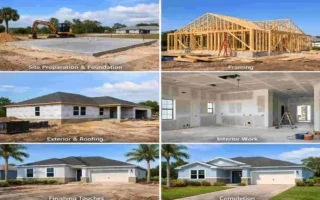
Choosing the right residential construction consultant shapes the outcome of a development project from the very first stage of planning. The consultant influences cost certainty, programme delivery, sustainability performance, and the quality of the final product. Mitchell McDermott brings a data-led approach to residential builds of every scale, from apartment schemes and large housing developments to purpose-built student accommodation, helping developers and investors navigate cost pressures, planning regulations, and tight delivery schedules with clarity and confidence.
Understanding What a Residential Construction Consultant Does
A residential construction consultant provides independent technical and commercial expertise across the full lifecycle of a development. From early feasibility through to practical completion, the role covers cost planning, programme oversight, contractor procurement, and compliance monitoring. Rather than acting on behalf of the contractor, the consultant works entirely in the interest of the client, ensuring that every decision is grounded in the specific needs of the project and the expectations of the end user. The breadth of that involvement is what distinguishes a genuine full-service consultancy from a narrower advisory role.
Cost Planning and Budget Control
One of the most critical contributions a residential consultant makes is the establishment of a robust cost plan at the earliest stage. Without reliable cost intelligence, budgets drift, contingencies are consumed quickly, and projects lose commercial viability before construction begins. A good consultant draws on market benchmarks and historical data to build realistic budgets that account for design risk, procurement market conditions, and programme uncertainty. Throughout the construction phase, that cost plan becomes a live monitoring tool, updated as change orders are issued and progress is tracked on site.
Navigating Planning Regulations and Approval Routes
Residential development operates under a complex planning framework that varies depending on project scale, location, and typology. Large residential schemes may follow the Large Residential Development route, while smaller projects pass through the standard local authority process. Each route carries its own documentation requirements, timelines, and associated costs. A construction consultant with experience across planning routes can map the most efficient path for a specific project, help the development team prepare the required deliverables, and manage the timeline to planning determination with minimum delay and maximum certainty.
Sustainability and Environmental Performance Standards
Modern residential developments are expected to meet increasingly demanding sustainability standards, both from a regulatory standpoint and from the perspective of end users, investors, and funders. Accreditations such as EU taxonomy alignment carry commercial value as well as environmental benefit. A construction consultant experienced in sustainable residential delivery can advise on energy performance targets, materials selection, and modern methods of construction, all of which contribute to lower operational costs and a more resilient asset over its lifetime. Early integration of sustainability requirements into the design brief is far more cost-effective than addressing them at a later stage.
Project Management Across All Stages
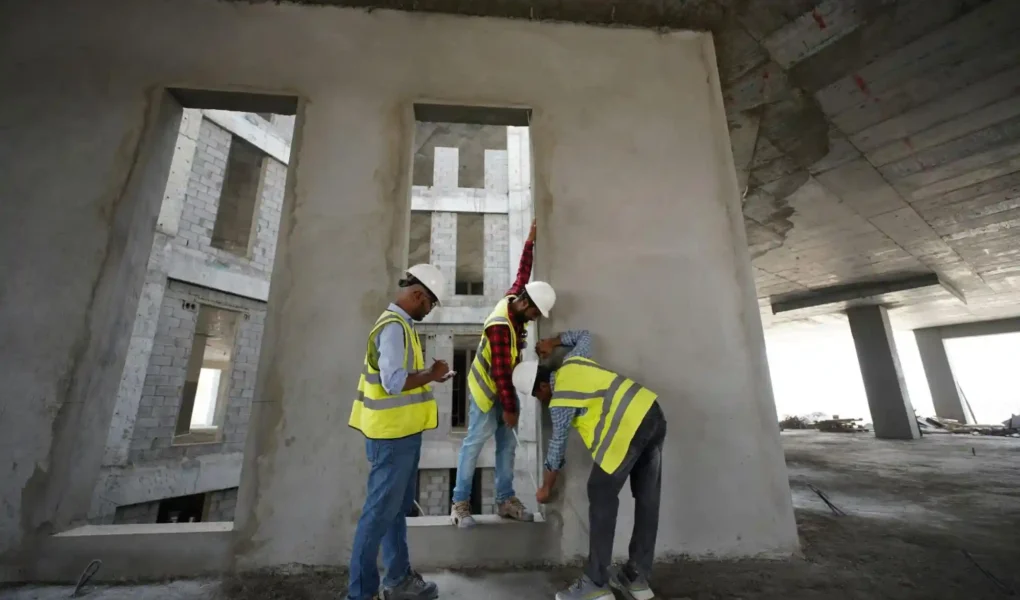
Effective project management on a residential scheme involves far more than tracking a programme on a spreadsheet. It requires consistent engagement with the contractor, regular site inspections, programme benchmarking against contract milestones, and proactive risk management when issues arise. A consultant with hands-on site experience brings a level of practical oversight that adds real value at every stage, from mobilisation through to defect resolution. Coordination between the design team, structural engineers, and specialist subcontractors also falls within the scope of project management, and it is here that delays are most commonly avoided through clear communication and early intervention.
Contractor Management and Oversight
The relationship between a construction consultant and the main contractor is one of structured oversight rather than interference. The consultant monitors programme adherence, reviews payment applications, and ensures that the scope of works is being delivered in line with the contract. Where a contractor falls behind programme, the consultant supports the development of a recovery plan and tracks its implementation. Effective contractor management also involves working through disputes, processing change requests in a timely way, and maintaining a clear record of all decisions made during the construction phase for future reference and audit purposes.
Building Information Modeling and Modern Construction Methods
Offsite manufacture and modular construction are increasingly viable options for residential developers seeking to reduce programme duration and improve cost certainty. Where the project design and site conditions allow, a construction consultant should explore those options at the earliest stage, assessing the potential for cost savings, programme improvements, and quality benefits against any additional design requirements or procurement complexity. The adoption of Building Information Modelling also supports this approach by enabling the design team to coordinate the building in detail before manufacture begins, reducing the risk of site-stage clashes and costly rework.
Making a Sound Decision for Your Development
The value a residential construction consultant delivers is proportional to how early they are engaged and how closely they are integrated into the project team. Bringing a consultant in at inception rather than at the construction stage means the cost plan is informed by the design from the outset, procurement is structured to attract the right contractors, and planning risk is assessed before significant design expenditure is committed. For developers seeking reliable delivery on complex or high-value residential schemes, an experienced, independent consultant is a fundamental part of the project structure.