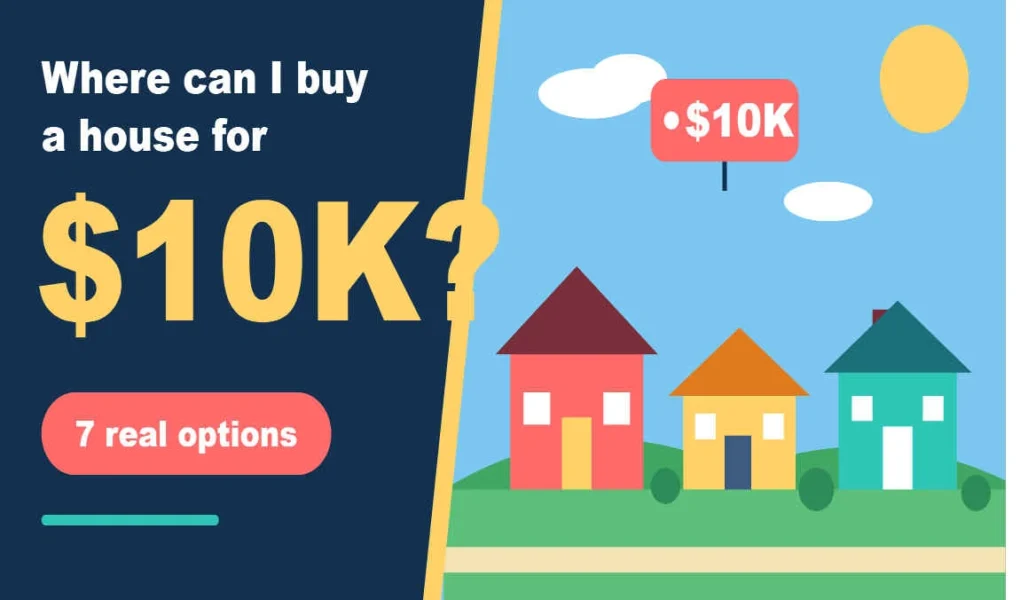
Type “house for $10,000” into Zillow or Redfin and you’ll see listings pop up. They’re real. But a ten-thousand-dollar price tag almost never means a move-in-ready home, and the sticker price is rarely the full story. If you’re serious about finding one, you need to know where these deals actually exist, how each route works, and what it costs you after the keys change hands.
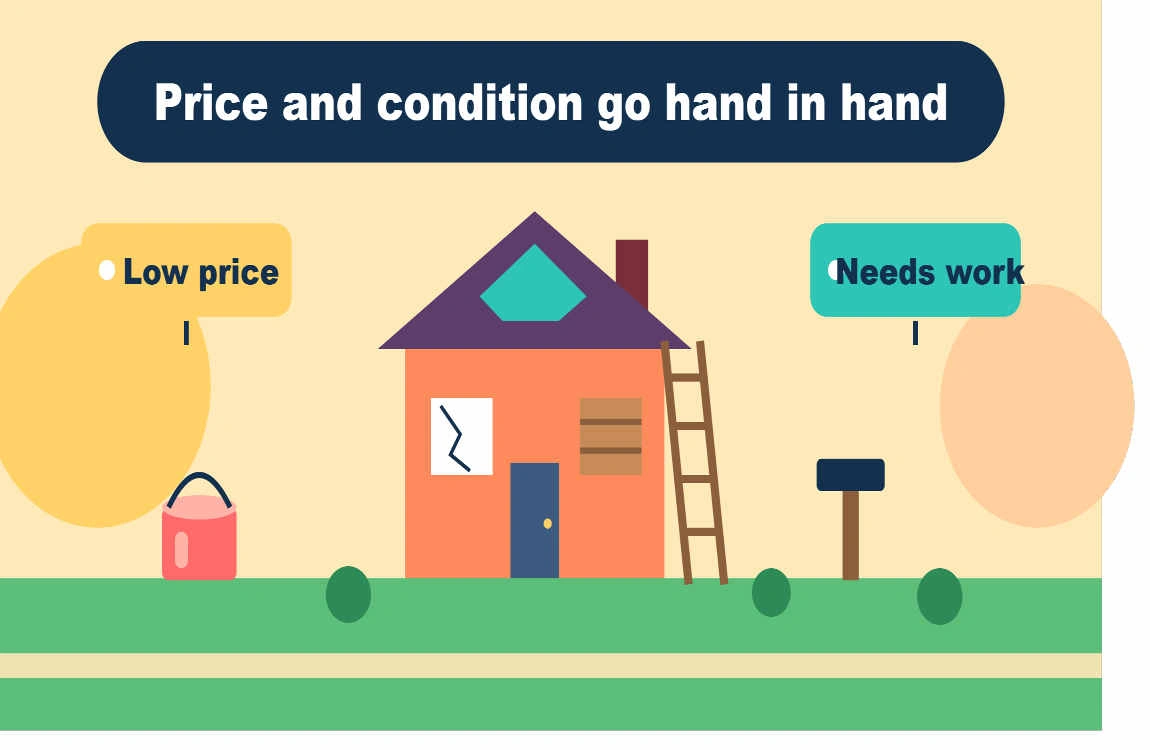
Is It Realistic to Buy a House for $10,000?
Yes, but with a big asterisk. Gerald’s 2026 market guide says listings under $10,000 do show up on Zillow and Redfin and are real, but they come with serious caveats. Compare that with the broader market: Opendoor’s 2026 analysis found that even the cheapest large metros, including Decatur and Peoria in Illinois, Youngstown, Toledo and Cumberland, have median prices under $150,000 according to National Association of Realtors data.
In other words, a $10K luxury house sits far below even the cheapest markets’ typical price. That gap is why these homes are usually vacant, damaged, tax-delinquent, or owned by a government body that wants them off its books.
City Land Banks (Detroit and Beyond)
Land banks are public agencies that take over abandoned property and resell it. Detroit’s is the best-known example. Its Own It Now program offers vacant homes with a minimum offer price of $1,000, and the agency says its main house-sale platforms are Auction and Own It Now.
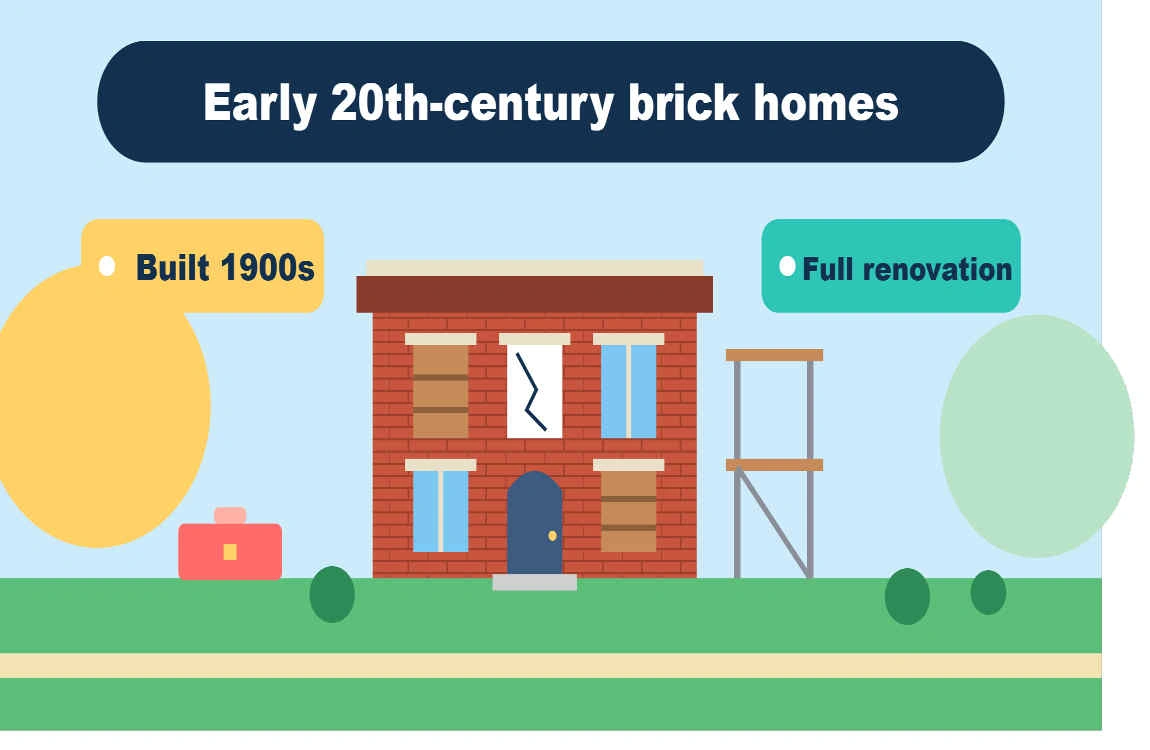
The catch is real. BridgeDetroit reported that half of homes bought through Own It Now between 2015 and 2021 owed at least $250 in delinquent property taxes, and that buyers often struggle to balance renovation deadlines with tax payments. Listings also carry a disclaimer that the land bank doesn’t know the condition of the water service line.
Also worth knowing: Detroit’s Side Lot program sells adjacent vacant land to neighboring homeowners for $100, rising to $250 under the Neighborhood Lot program. That’s land only, not a house, but it shows how low public-sector pricing can go. Other Rust Belt cities run similar agencies, so search city name land bank” to see what’s available.
Tax Foreclosure and Tax Deed Auctions
When owners stop paying property taxes, counties can foreclose and auction the property. Opening bids can be tiny, sometimes just the back taxes owed. But auctions are “as is,” and the legal fine print matters. One New York county’s FAQ is blunt: buying at a tax auction means accepting the risks that come with tax-foreclosed property.
RISMedia notes that if you buy a house with a tax lien, you become responsible for that lien, and that auction companies may not guarantee clear title. Bankrate similarly advises buyers to check the property and all liens against it before bidding.

Cheap Post-Industrial and Rural Towns
The cheapest regions in America are mostly in the Rust Belt, Appalachia and the South. Opendoor describes the cheapest places as concentrated in the Rust Belt, Appalachia, the Deep South and the interior South, while MoneyLion’s 2026 ranking puts Arkansas first for the lowest estimated monthly homeownership costs, at $1,777. MoneyLion also found that there are Texas cities where homes sell for under $100K.
Those figures are medians, so they don’t get you to $10K on their own. The strategy is to search small towns inside these regions for the bottom of the market: estate sales, fire damaged houses, and long-vacant properties.
Zillow, Redfin and Realtor.com “Price Low to High” Searches
It sounds obvious, but sorting by lowest price with a small-town filter is one of the fastest ways to see what exists. Use filters like “fixer-upper,” “as-is,” “cash only,” and “foreclosure.” Check each listing’s tax history and sale history. A property that has sat for years may signal a title or structural issue, though sometimes it just means the seller lives out of state and wants it gone.
Italy’s €1 Houses
For a more adventurous route, Italy’s €1 home schemes have stayed in the news for years. They’re still alive: one 2026 report says the schemes remain active across roughly 30 towns in Sicily, Sardinia, Umbria and Tuscany, and Grazia counts about 40 towns, mostly in southern Italy. Naro in Sicily is among the newer entrants, starting its €1 offer in July 2026.
Here is the fine print. Rules vary by town, but owners typically submit renovation plans for approval and hire town-approved contractors. Some towns are strict on timing: in Penne, buyers must finish restoration within three years. You’ll also need an Italian tax code, and budget for notary fees, taxes and ongoing costs on top of the €1. Always confirm details on the municipality’s official notice, since schemes come and go as towns launch or close calls.
Land Plus a Small Structure
If a livable stunning house at $10K isn’t happening where you want to live, buying inexpensive rural land and adding a small or prefab structure is a common workaround. Zoning, utilities access and septic requirements decide whether this works, so check with the local planning office before you pay a deposit.
Seller Networks, Wholesalers and Local Facebook Groups
Many bargain houses never hit the big portals. Local real estate investor groups, wholesalers, and county-specific marketplace groups often share off-market deals. Treat everything as unverified until you’ve seen the deed, ordered a title search and visited in person.
Quick Comparison
| Option | Typical entry price | Main catch |
|---|---|---|
| Detroit-style land bank | From $1,000 minimum offer | Renovation deadlines, back taxes, utilities |
| Tax auction | Often back taxes owed | Liens, title risk, no inspection |
| Small-town fixer-upper | Varies widely | Repair costs, location trade-offs |
| Italian €1 home | €1 plus fees | Approved renovation, deadlines, deposit in some towns |
The Hidden Costs Checklist
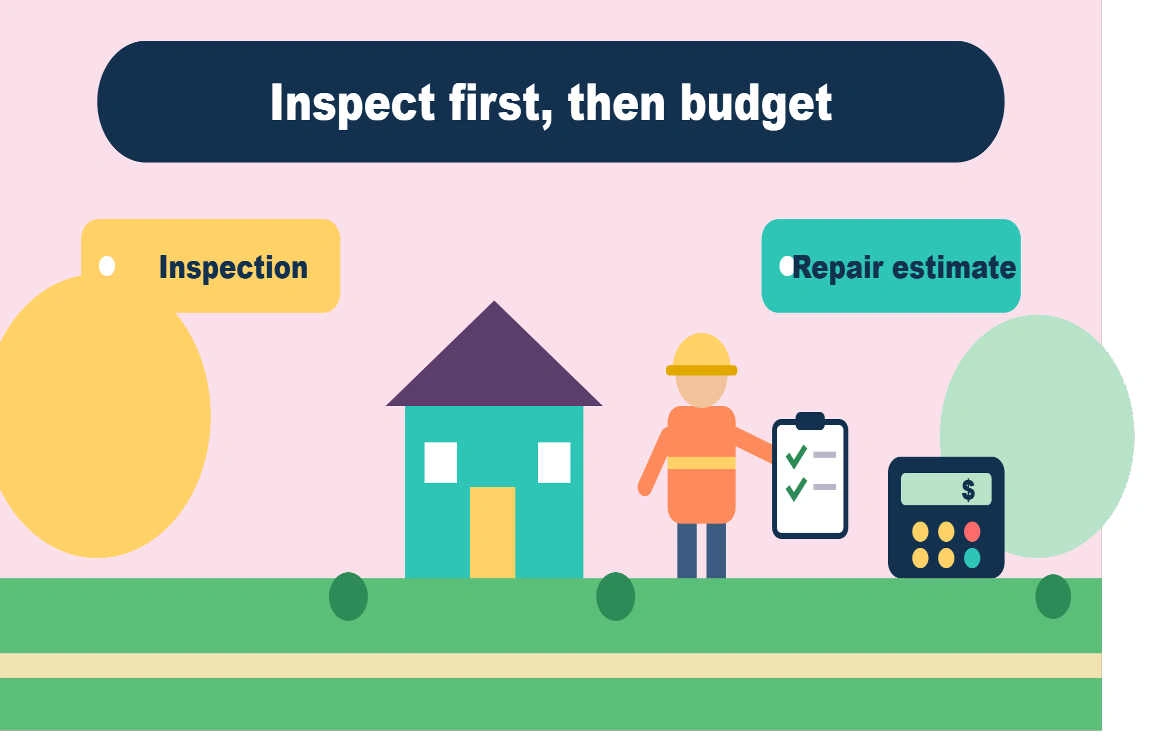
Before you send a single dollar, run through these:
- Title search. Confirm who legally owns the real estate property and which liens survive the sale.
- Back taxes and fees. Check the county treasurer’s records for delinquent taxes, auction fees and closing costs.
- Inspection. Hire a licensed inspector for structure, roof, plumbing, electrical and mold.
- Utilities. Ask whether water, sewer and power are active, and who pays for reconnection.
- Insurance. Vacant or distressed homes can be hard and expensive to insure.
- Renovation deadlines. Land banks and Italian towns can require work to be completed by a set date.
- Neighborhood. Visit at different times of day and talk to neighbors before committing.
Frequently Asked Questions
Can you really buy a house for $10,000?
Yes, but it’s typically a distressed or vacant property that needs major work. Land banks, tax auctions and very small markets are where these deals tend to appear.
What is the cheapest way to buy a house in the US?
Public land bank programs are among the lowest-cost routes. Detroit’s Own It Now accepts offers starting at $1,000, though buyers take on renovation and tax obligations.
Are €1 houses in Italy real?
Yes. Dozens of towns have run these schemes, but each sets its own requirements for renovation, timelines and sometimes deposits.
What’s the biggest risk with a very cheap house?
Repair costs and title or tax problems. A title search and a professional inspection are the best protection.
Final Thoughts
You can find a house for around $10K in 2026, but it takes research, patience and a repair budget that’s often several times the purchase price. Start with land banks and county auctions if you’re in the US, compare small-town listings in the cheapest regions, and consider Italy if you like a project with a view. Do the paperwork first, and let the numbers, not the headline price, decide.