How Do Squirrels Get in the House Without You Noticing? 6 Common Gaps + Easy DIY Fixes
Cleaning

How Do Squirrels Get in the House Without You Noticing? 6 Common Gaps + Easy DIY Fixes

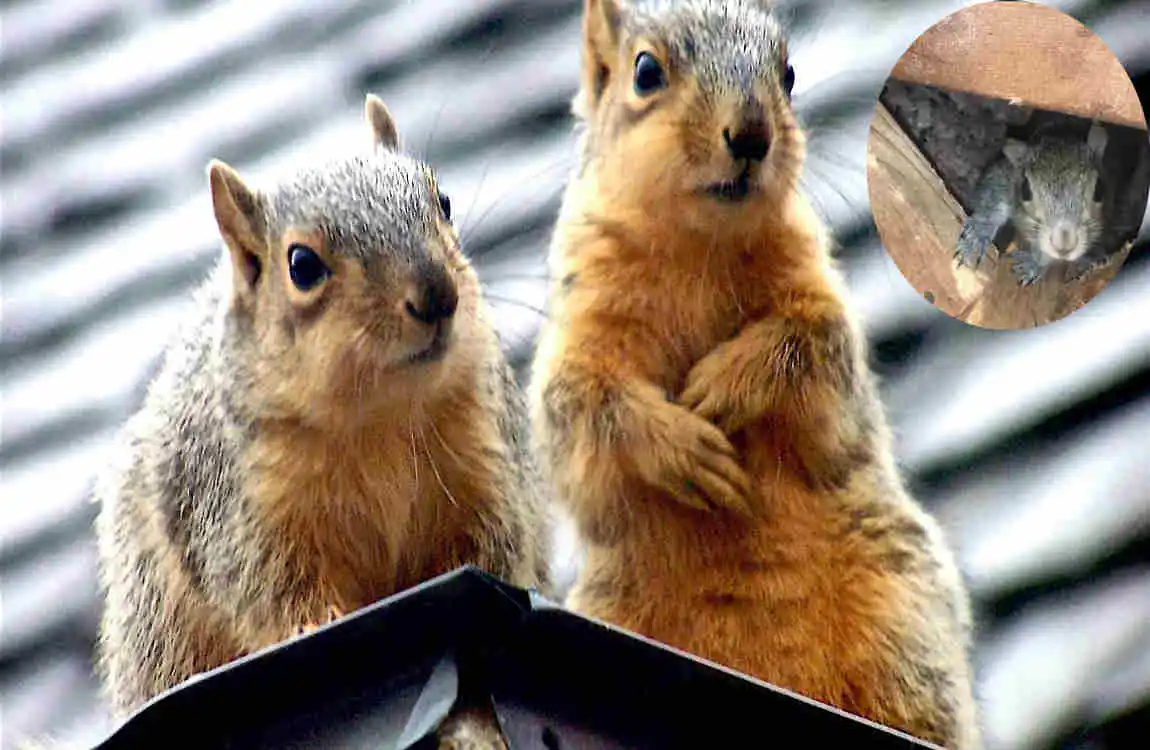
It usually starts with a sound that stops you in your tracks. You’re sitting in your living room late at night, or perhaps you’re just waking up as the sun rises, and you hear it: a scratching, scurrying, or rolling noise coming from the ceiling. It’s unsettling, and your mind immediately races to the worst-case scenario. Is it a ghost? Probably not. Is it a rat? Maybe. But more often than not, especially if the noise is happening during the day, you have a squirrel roommate you never invited.

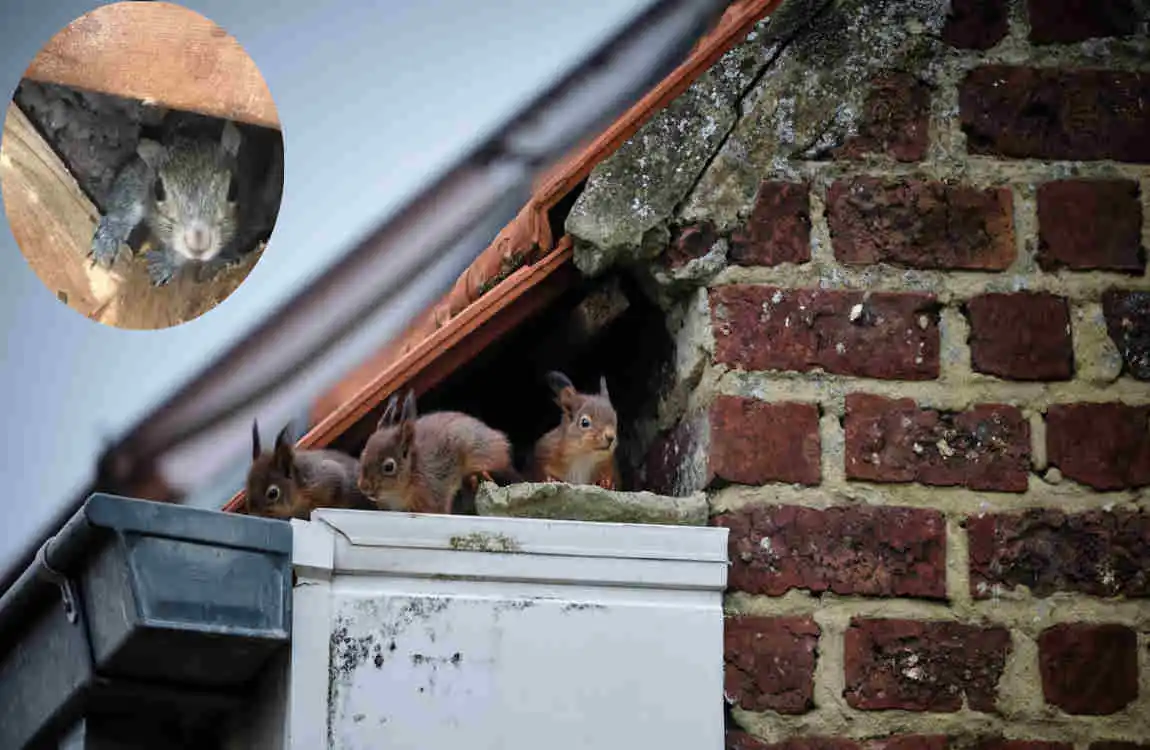
For many homeowners, the immediate question is confusion. You look at your roof and your siding, and everything seems solid. You ask yourself, how do squirrels get in the house when everything looks sealed tight? The answer lies in the incredible persistence of these animals and the vulnerability of modern home construction. Squirrels don’t need an open door; they need a weakness.

Why Squirrels Target Homes

How Do Squirrels Get in the House Without You Noticing? 6 Common Gaps + Easy DIY Fixes

Before we start patching holes, it helps to understand the enemy—or rather, the uninvited guest. Squirrels aren’t malicious; they are just incredibly evolved survivors. In the wild, squirrels nest in hollowed-out trees to escape the cold and raise their young. As urban sprawl continues to replace forests with subdivisions, our attics have become the next best thing to a hollow oak tree.

The Biology of a Breacher

Squirrels are biologically engineered to break into your house. First, they are acrobatic climbers, capable of scaling brick, stucco, and wood siding with ease. Second, and most importantly, they are rodents. This means their front teeth never stop growing. To keep these teeth filed down, they must chew constantly.

Wood, aluminum, vinyl, and plastic vents are no match for a determined squirrel. If they find a tiny draft of warm air leaking from your attic, they will chew at that spot until the hole is big enough to squeeze through.

Seasonal Pressures

While squirrels are active year-round, the pressure on your home increases significantly in the fall and winter. This is “nesting season.” Females are looking for a secure place to birth and raise their litters. A warm attic full of fluffy fibreglass insulation is like a five-star hotel. Statistics show that U.S. homes face millions of wildlife invasions annually, with a massive spike occurring as temperatures drop. Understanding this drive for shelter is the first step in realising that how squirrels get into the house isn’t an accident—it’s a targeted effort.

6 Common Gaps for Entry

If you are standing in your yard looking up, you might think your house is impenetrable. However, a squirrel sees your home differently. They see a collection of vents, eaves, and intersections that offer opportunities.

Here, we will break down the six most common vulnerabilities. For each section, we will explain how do squirrels get in the house through that specific gap, the signs you should look for, and how to fix it.

Roof Vents

One of the most common answers to the question of how squirrels get into the house is the standard roof vent. These are the box-like or mushroom-shaped vents sitting on your shingles that allow hot air to escape your attic.

The Vulnerability Most builders install roof vents made of plastic or lightweight aluminum. They often come with a flimsy insect screen inside. To a squirrel, this is barely an obstacle. Because these vents expel warm, attic-scented air, squirrels are naturally drawn to them. They will sit on the roof and chew through the plastic housing or rip the aluminum mesh to shreds to gain access.

Signs to Look For

  • Chewed Edges: Look for jagged, gnawed edges on the vent covers.
  • Missing Screens: If you can see straight down into the attic without a mesh barrier, it’s been compromised.
  • Nesting Material: Sometimes you can see twigs or leaves protruding from the vent slats.

The Fix You cannot rely on the standard vents sold at big-box hardware stores alone. You need to reinforce them.

  • Install Heavy-Duty Mesh: Use ¼-inch hardware cloth (galvanized steel mesh).
  • Secure It: Cut the mesh to fit over the vent opening (under the cover if possible, or build a box over it) and secure it with screws and roofing sealant.
  • Commercial Guards: You can buy steel cages specifically designed to bolt over roof vents.

Soffits and Fascia

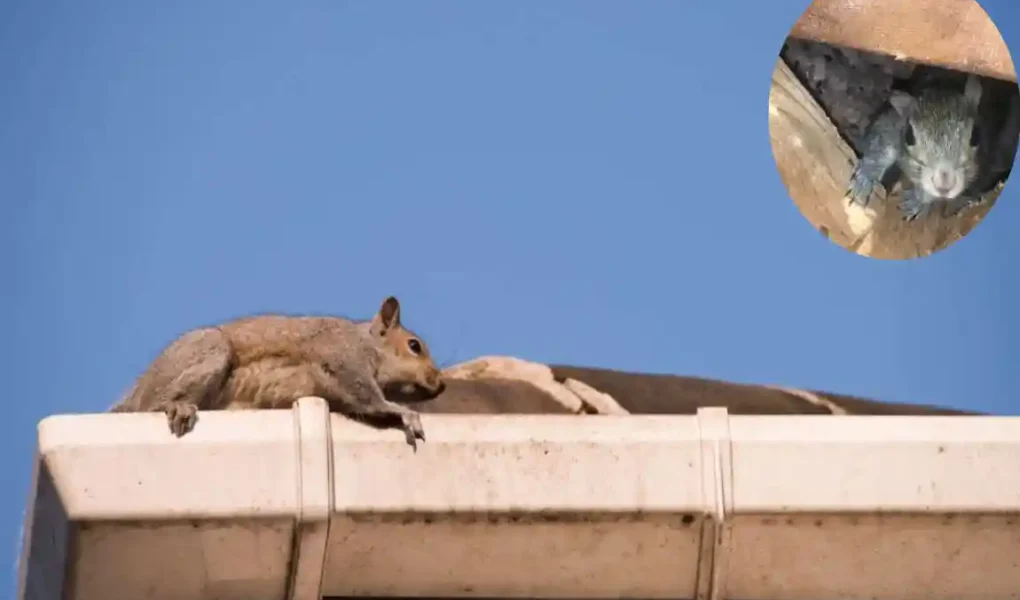
The soffit is the exposed surface beneath the overhanging section of a roof eave, and the fascia is the board running along the roof edge. The intersection where the soffit meets the roofline is a “superhighway” for pests.

The Vulnerability This area is often difficult for homeowners to inspect because it requires a tall ladder. Squirrels, however, can run along the gutters and find spots where the soffit isn’t securely fastened to the fascia board. If there is a gap of even half an inch, a squirrel can get its teeth in there. They will leverage the gap open or chew the wood/vinyl until they can squeeze into the crawl space or attic.

Signs to Look For

  • Discoloration: dark rub marks (oils from their fur) around a specific spot on the soffit.
  • Holes: Visible holes in the vinyl or rotting wood on the fascia.
  • Debris: Look on the ground directly below the soffits. If you see chewed bits of wood, plastic, or insulation, look up—that’s likely the entry point.

The Fix

  • Seal the Gap: For small gaps, expanding foam can work, but squirrels can chew through it. It is better to fill the gap with copper wool (which can irritate their nose and teeth) and then seal it with high-quality exterior caulk.
  • Replace Rot: If the fascia is rotting, it must be replaced.
  • Hardware Cloth: For ventilation strips in soffits, cover the inside with hardware cloth to allow air to move but keep squirrels out.

Gable Vents

Gable vents are louvred triangular or square vents usually located on the exterior wall of your attic near the roof peak.

The Vulnerability These are classic entry points. Older homes often have gable vents made of wood slats. Over time, these slats warp or rot. Even in newer homes, gable vents are often made of plastic or thin aluminum with a weak bug screen behind them. Squirrels find the horizontal slats easy to perch on while they chew a hole right through the screen behind the louvers.

Signs to Look For

  • Broken Slats: Look for wooden slats that are snapped or chewed.
  • Screen Damage: If you stand in the attic and look at the gable vent, you might see the bug screen torn.
  • Bird Nests: Often, squirrels take over spots where birds initially started nesting.

The Fix

  • Internal Screening: The best defence is from within. Staple or screw ¼-inch hardware cloth over the entire interior frame of the gable vent.
  • Exterior Baffles: If the exterior slats are damaged, replace the vent cover.
  • Steel Covers: For a permanent solution, install a powder-coated steel cover over the exterior to allow airflow while blocking all animals.

Chimney and Plumbing Vents

Pipes and chimneys punctuate your roof, and these vertical structures act like ladders and tunnels for wildlife.

The Vulnerability Uncapped chimneys are an open invitation. Squirrels (and raccoons) can easily climb down the rough masonry of a flue. Even if they can’t get into the living room because of the damper, they can get stuck or nest in the chimney itself. Additionally, the plumbing mats (the rubber seals around the vent pipes protruding from your roof) are soft. Squirrels chew these rubber seals for fun, or to file teeth, creating a gap right next to the pipe that leads into the attic.

Signs to Look For

  • Soot: Soot trails in your fireplace or on the hearth.
  • Sounds: Noises coming specifically from the fireplace area.
  • Water Leaks: A chewed plumbing mat often leads to a water stain on the ceiling below, which is a secondary sign of intrusion.

The Fix

  • Chimney Cap: install a stainless steel chimney cap with a heavy steel mesh. This is non-negotiable for wildlife prevention.
  • Flash the Pipes: For plumbing vents, place a metal flashing collar over the rubber seal. This prevents the squirrel from accessing the soft rubber.

Attic Fans and Exhausts

Wall vents for dryers, bathroom fans, and kitchen exhausts are necessary for your home’s health, but they are often the answer to how do squirrels get in the house when the roof seems secure.

The Vulnerability Many exhaust vents use a simple plastic flap that opens when air blows out and closes when it stops. Squirrels quickly learn they can pry these flaps open with a claw or chew them off. Once the flap is gone, they have a warm, direct tunnel into your walls or attic.

Signs to Look For

  • Flap Damage: The plastic louvers on the outside wall are missing or bent.
  • Lint Accumulation: nesting material mixed with dryer lint pulling out of the vent.
  • Auditory Cues: Hearing scurrying inside the walls rather than just the ceiling.

The Fix

  • Vent Guards: install a pest guard cage over the vent. Crucial Warning: For dryer vents, you must use a guard specifically designed for dryers that allows lint to escape. If you put a fine mesh over a dryer vent, lint will clog it and create a severe fire hazard.
  • Steel Hoods: Replace plastic vent hoods with galvanised steel models that feature a heavy-duty damper.

Roof Edges and Deterioration

Sometimes the entry point isn’t a vent at all, but simply a part of the house that has surrendered to the elements.

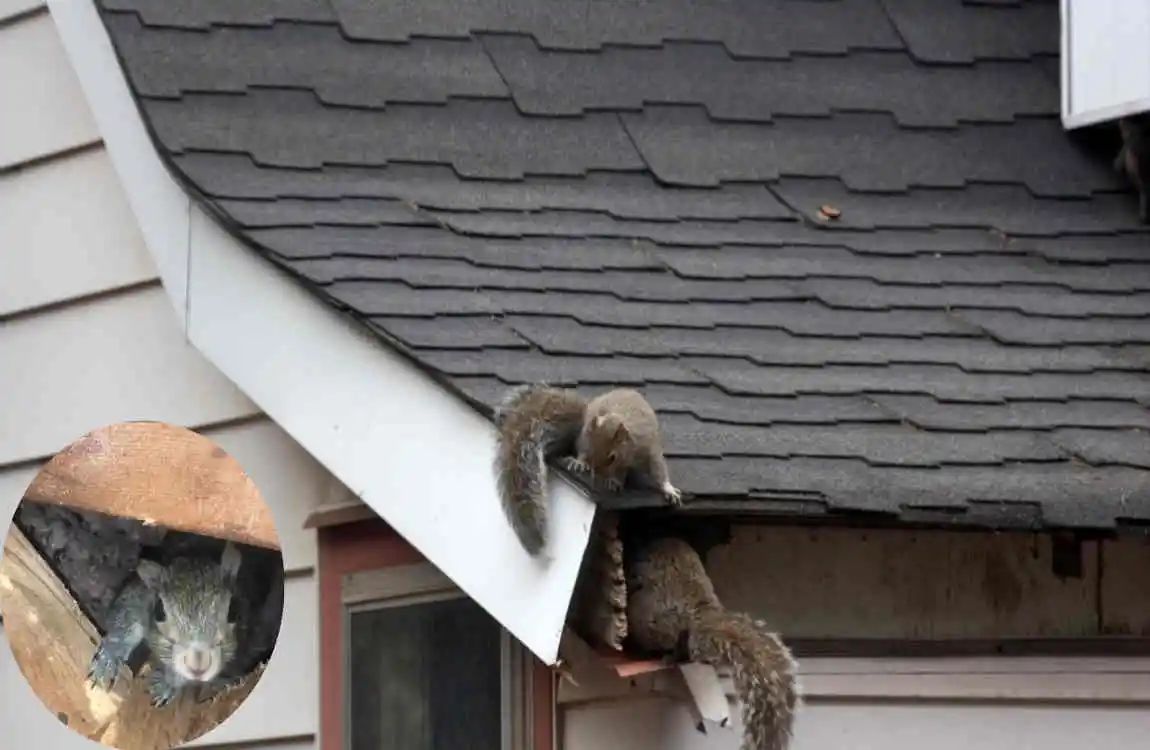
The Vulnerability The “drip edge” is the edge of the roof where shingles overhang the fascia. If your gutters are clogged, water backs up and rots the wood decking at the edge. This is known as an ice dam in winter. Soft, rotted wood is effortless for a squirrel to tear away. They typically chew upward from the gutter line, under the shingles, and into the attic.

Signs to Look For

  • Shingle Damage: Shingles that look lifted or chewed at the corners.
  • Wood Rot: Visible wet or dark wood along the gutter line.
  • Granules: Piles of asphalt shingle granules in the guttes (caused by the squirrels scrambling for grip).

The Fix

  • Repair the Roof: This is a harder DIY. You need to pull up the shingles, cut out the rotted wood, and replace it.
  • Drip Edge Installation: Ensure a metal drip edge is installed under the first row of shingles to protect the wood.
  • Gutter Maintenance: Keep gutters clean to prevent the rot that invites the pests.

Summary of Squirrel Entry Points

Gap Location Size Needed for Entry Detection Difficulty Approx. DIY Cost

Roof Vents 2-3 inches High (Requires roof access) $20 – $50

Soffits 1-2 inches Medium (Ladder needed) $15 – $40

Gable Vents 2 inches High (Ladder/Attic access) $25 – $60

Chimney Vents 3 inches Low (Visible from ground) $30 – $70

Exhausts 1 inch Medium $10 – $30

Roof Edges Variable High (Hard to spot rot) $50 – $100

Signs of Squirrel Intrusion

How Do Squirrels Get in the House Without You Noticing? 6 Common Gaps + Easy DIY Fixes

Knowing how do squirrels get in the house is half the battle; the other half is confirming they are actually there. You don’t want to seal up your house if the noise is actually a pipe expanding or a tree branch rubbing against the siding.

The Sounds of Activity Squirrels are diurnal, meaning they are active during the day. This is the biggest differentiator between squirrels and rats or raccoons (who are nocturnal).

  • Morning/Evening: You will hear the most noise at dawn (as they leave to forage) and dusk (as they return to sleep).
  • Type of Sound: It sounds like scurrying, jumping, or rolling nuts. It is generally faster and heavier than a mouse.

Visual Evidence in the Attic Grab a flashlight and pop your head into the attic (wear a mask!).

  • Insulation: Look for flattened trails through the fibreglass insulation.
  • Nests: Squirrel nests look like large, messy balls of leaves, twigs, and shredded insulation.
  • Chewing: Look for wires stripped of their plastic coating (a major fire hazard) or wood beams with fresh gnaw marks.

Droppings and Odors Squirrel droppings are similar to rat droppings but slightly plumper and often lighter in color depending on their diet. Over time, a squirrel infestation can produce a distinct, musky odour from urine that can soak into your ceiling drywall.

Easy DIY Fixes Toolbox

If you are handy and brave enough to climb a ladder, you can handle many of these exclusions yourself. However, you need the right tools. Flimsy materials are a waste of money.

Your Prevention Shopping List:

  • Hardware Cloth: This is ¼-inch or ½-inch galvanized steel mesh. Do not use chicken wire; squirrels can manipulate chicken wire. Hardware cloth is rigid and chew-proof.
  • Tin Snips: To cut the hardware cloth.
  • Drill and Screws: Use screws with washers to secure mesh over vents.
  • High-Quality Caulk/Sealant: For weatherproofing the edges of your repairs.
  • Expanding Foam: Good for filling voids, but only if covered by wire mesh. Foam alone is not a barrier.

The “One-Way Door” MethodThis is the most critical step. Before you seal the final hole, you must ensure the squirrels are out. If you seal them in, they will panic and destroy your wiring or drywall to escape, or they will die and create a terrible smell.

  1. Identify the main entry point.
  2. Seal all other potential holes first.
  3. Install a “one-way door” (available online) over the main hole. This allows the squirrel to leave but not re-enter.
  4. Leave it for 3-5 days. Watch for activity.
  5. Once quiet, remove the door and seal the hole permanently with hardware cloth and patching material.

Prevention Tips Long-Term

How Do Squirrels Get in the House Without You Noticing? 6 Common Gaps + Easy DIY Fixes

Once you have evicted your tenants, you want to ensure you never have to ask “how do squirrels get in the house” again. Long-term prevention is about landscaping and maintenance.

  • Tree Trimming: This is the most effective prevention method. Squirrels can jump 8 to 10 feet horizontally. Trim all tree branches back at least 10 feet from your roofline. If they can’t jump to your roof, they can’t chew into it.
  • Gutter Cleaning: Clean gutters prevent wood rot. Solid wood is much harder to chew than soft, water-damaged fascia.
  • Bird Feeder Placement: Bird feeders attract squirrels. If you have feeders right next to your house, you are attracting them. Move feeders to the back of the yard.
  • Repellents: Natural repellents like peppermint oil or predator urine sprays can deter pests, but they must be reapplied often and are rarely 100% effective on their own. They work best when combined with physical barriers.

When to Call Pros

While DIY fixes are great for minor gaps, there are times when you should put the ladder away and call a professional wildlife control company.

Babies are Present: If it is spring or late summer, there may be babies in the nest. If you use a one-way door, the mother will be locked out, and the babies will die in your attic. Pros know how to remove the babies and reunite them with the mother outside. 2. Inaccessible Areas: If the entry point is on a steep roof peak or a three-story dormer, do not risk your life. 3. heavy Infestation: If the squirrels have been there for years, the amount of biological waste (droppings/urine) may require professional decontamination and insulation replacement.

FAQ Section

How small of a hole can a squirrel fit through? A squirrel can squeeze through a hole roughly 1.5 to 2 inches in diameter. If the hole is slightly smaller, they can easily chew the edges to widen it enough to fit their bodies through.

Do squirrels dig under the foundation to get in? It is rare for tree squirrels (Grey and Fox squirrels) to dig under foundations. That behavior is more typical of rats, chipmunks, or groundhogs. Tree squirrels almost always prefer high entry points along the roofline.

Do ultrasonic repellents actually work? Generally, no. While ultrasonic devices claim to emit high-frequency sounds that annoy rodents, squirrels quickly get used to the noise (habituation). Physical barriers, such as steel mesh, are significantly more effective than sound machines.

You may also like...

Leave a Reply

Your email address will not be published. Required fields are marked *