Building your dream home is one of the most exciting and life-changing projects you can undertake. The idea of creating a space that’s uniquely yours, tailored to your lifestyle, and filled with your personal touch can feel like the ultimate achievement. But as you begin this journey, one question may pop into your mind: “Can a general contractor build a house?”
A general contractor plays a central role in the home-building process, managing everything from initial permits to the final walkthrough. They ensure that your vision comes to life while keeping the project organized, on schedule, and within budget.
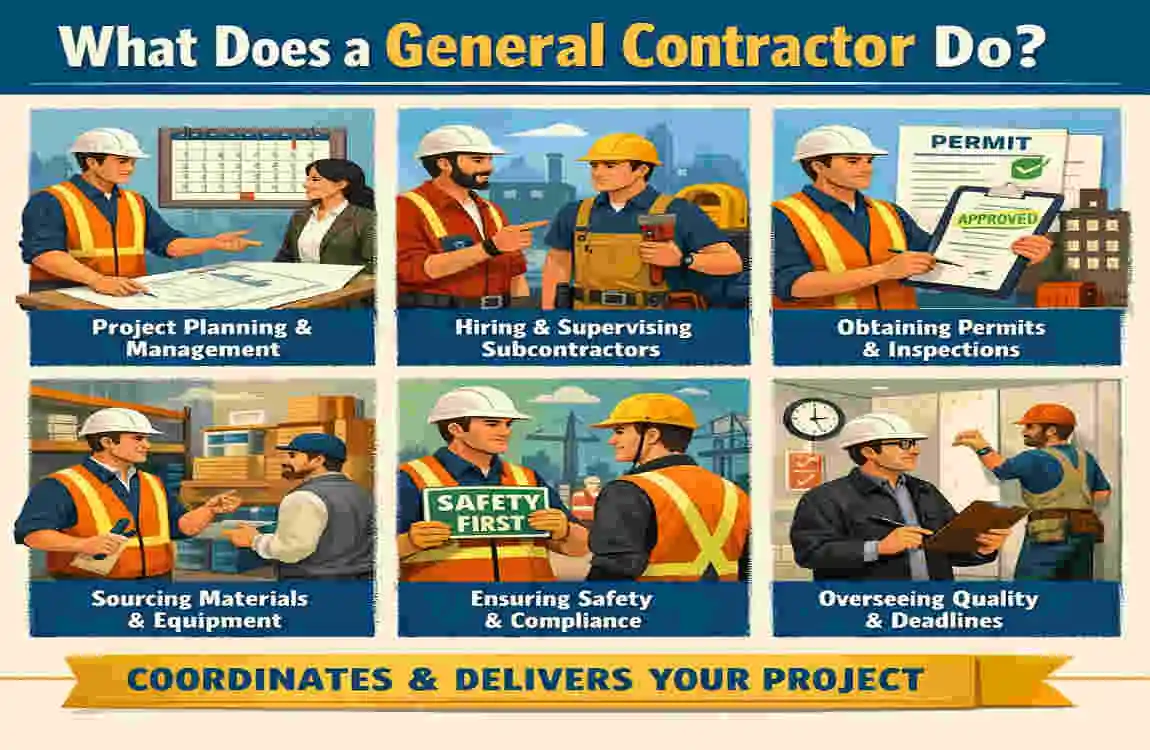
What Does a General Contractor Do?
Understanding Their Role in Residential Construction
At its core, a general contractor serves as the managerial backbone of a construction project. They oversee every aspect of the build, ensuring that all pieces of the puzzle fit together seamlessly.
Here are the key responsibilities of a general contractor:
- Project Management: They’re responsible for planning and executing the construction process, ensuring everything runs smoothly.
- Coordination of Subcontractors: General contractors hire and manage specialized tradespeople such as electricians, plumbers, framers, roofers, and drywall installers.
- Scheduling and Budgeting: They create realistic timelines and budgets, making adjustments as needed to keep the project on track.
- Inspections and Code Compliance: Contractors ensure the work complies with local building codes and passes required inspections.
- Communication: Acting as the main point of contact, they keep you informed and address any concerns throughout the build.
Think of a general contractor as the conductor of an orchestra, ensuring every player (or subcontractor) is in sync to create a harmonious result: your new home.
Can a General Contractor Build a House?
This is the million-dollar question: Can a general contractor build a house? The answer is a resounding yes. General contractors are equipped to manage and oversee the entire home-building process. While they might not physically perform every task (like wiring or plumbing), they ensure that skilled professionals complete every step.
Here’s how they contribute to building a house:
- Project Management: They take charge of the build, coordinating all aspects from start to finish.
- Hiring Specialists: They bring in licensed subcontractors to handle specific tasks, such as electrical work, framing, and HVAC installation.
- Quality Assurance: Contractors monitor work quality and ensure it aligns with the project’s specifications.
- Code Compliance: They ensure construction adheres to local regulations and passes inspections.
It’s important to note that licensing rules for general contractors can vary by region. Some general contractors may also perform parts of the work themselves, while others focus solely on project management.
How the Home Building Process Works With a General Contractor
Building a house is a complex process, but with a general contractor at the helm, it becomes much more manageable. Let’s break it down into clear steps:
Initial Consultation and Project Vision
- Discuss your goals, budget, timeline, and style preferences.
- Determine whether the project involves a custom home, a semi-custom home, or a spec home.
Design and Planning
- Collaborate with architects or designers to create blueprints and floor plans.
- Finalize structural and aesthetic details.
Budgeting and Estimates
- Develop a detailed budget covering materials, labor, permits, and contingency funds.
- Contractors use their experience to provide accurate estimates, minimizing surprises.
Permits and Approvals
- Ensure zoning requirements are met.
- Obtain building permits and confirm compliance with local codes.
Site Prep and Foundation
- Clear the land, excavate, and lay the foundation.
- Conduct initial inspections to ensure the foundation is solid.
Framing and Exterior Work
- Construct the framework of the house.
- Add roofing, windows, and walls to create the home’s structure.
- Weatherproof the exterior.
Mechanical, Electrical, and Plumbing (MEP)
- Install HVAC, plumbing, and electrical systems.
- Coordinate between trades to avoid conflicts and delays.
Interior Finishes
- Complete drywall, flooring, cabinetry, painting, and fixtures.
- Make final design choices to bring your vision to life.
Final Walkthrough and Closeout
- Address any remaining items on the punch list.
- Conduct final inspections and hand over the completed home.
This systematic approach ensures that every stage of construction is handled with care and precision.
Benefits of Hiring a General Contractor for Home Building
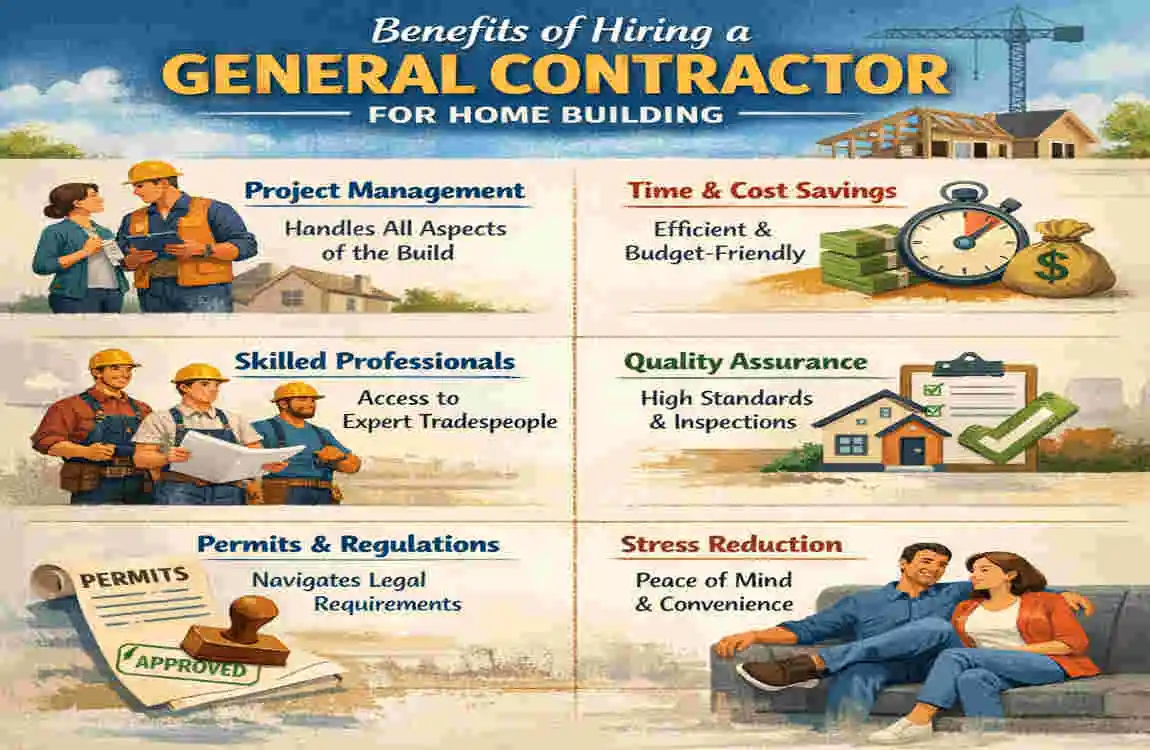
Hiring a general contractor brings a host of advantages that simplify the home-building experience. Let’s explore the key benefits:
Single Point of Contact
- Simplifies communication by centralizing updates and decisions.
- Reduces stress by having one person manage all aspects of the project.
Strong Project Management
- Keeps the construction timeline on track.
- Minimizes errors and delays through efficient coordination.
Access to Trusted Subcontractors
- General contractors work with reliable tradespeople to ensure high-quality artistry.
- Their network can save time and prevent costly mistakes.
Code and Permit Knowledge
- Contractors navigate the complex world of building codes and permits, reducing compliance issues.
- They ensure smoother inspections and approvals.
Time and Cost Control
- Their expertise helps avoid budget overruns and costly errors.
- They streamline the process, saving you time and money.
When you hire a general contractor, you’re investing in peace of mind and a smoother path to your dream home.
General Contractor vs. Home Builder: What’s the Difference?
While the terms “general contractor” and “home builder” are often used interchangeably, there are some distinctions to be aware of:
Feature General Contractor Home Builder
Primary Role: Manages construction projects. Specializes in building homes
Scope of Work Broad, can include non-residential builds, Focused on residential projects
Services Offered: Project management and subcontracting. May handle design-build services
When to Choose Custom or complex projects , Production or semi-custom homes
In many cases, the lines blur. Some companies act as both general contractors and home builders, depending on the project.
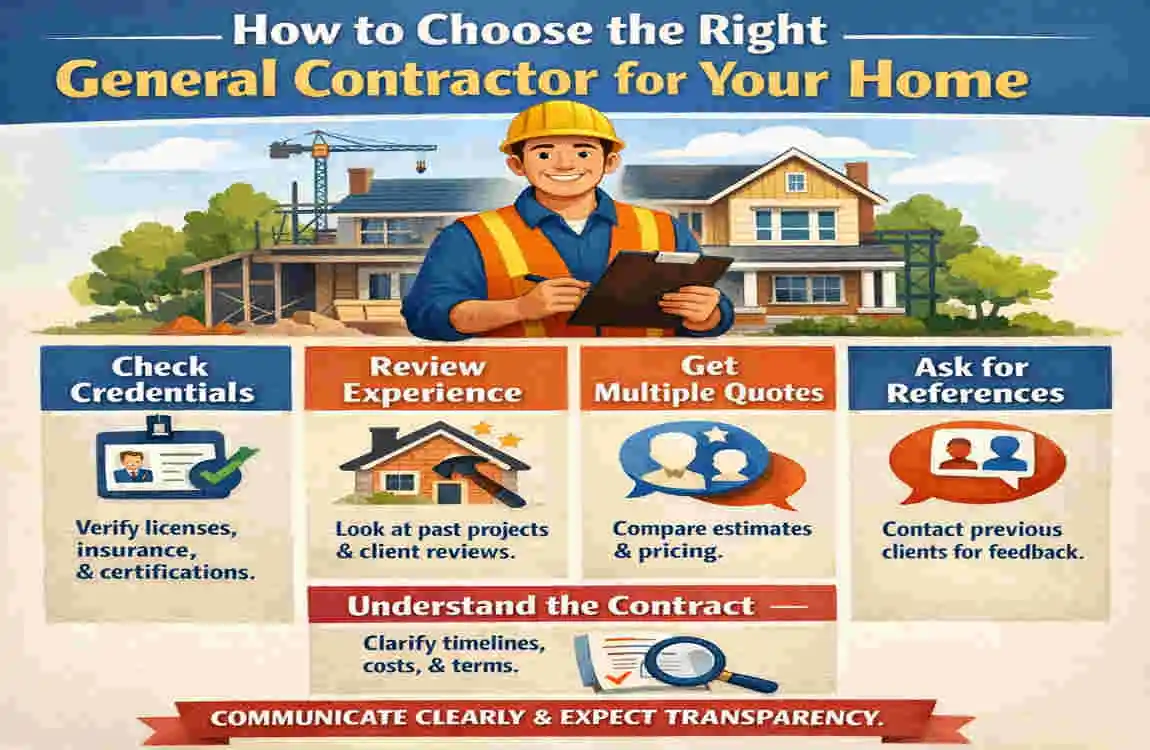
How to Choose the Right General Contractor for Your Home
Selecting the right contractor is crucial. Here are some actionable tips:
Check Licensing and Insurance
- Ensure they have valid licenses and appropriate insurance coverage.
Review Experience With Residential Builds
- Look for contractors with a proven track record of completing smart homes similar to yours.
Read Reviews and Ask for References
- Reach out to past clients to gauge their satisfaction.
Examine Communication Style
- Choose someone who communicates clearly and responds promptly.
Understand Their Contract Structure
- Review the contract’s scope, payment schedule, and timeline.
Ask About Subcontractors
- Verify that subcontractors are licensed and insured.
Questions to Ask Before Hiring a General Contractor
Here’s a checklist of questions to help you evaluate potential contractors:
- Can you build a house from start to finish?
- How many homes have you completed?
- What is your estimated timeline?
- How do you handle permits and inspections?
- Who will be on-site daily?
- How do you manage budget changes?
- Do you provide a written contract?
- What warranties do you offer?
Cost Considerations When Building a House With a General Contractor
Several factors influence the cost of building a home:
- Location: Land prices and local regulations vary.
- Materials: The choice of home materials significantly impacts the budget.
- Labor: Wages for subcontractors differ by region and expertise.
- Design Complexity: Custom designs can drive up costs.
- Permits and Fees: Additional approvals increase the total expense.
A general contractor helps manage these costs by creating a realistic budget and minimizing errors.
Frequently Asked Questions
Can a general contractor build a house alone?
Usually, general contractors manage the project and hire subcontractors for specialized work.
Is it cheaper to hire a general contractor or a home builder?
Costs depend on the project type, location, and services included.
Do I need a general contractor to build a custom home?
Yes, especially for coordinating multiple trades and permits.
How do I know if my contractor is qualified?
Check their licenses, insurance, references, and experience with residential projects.
| Aspect | Description |
|---|---|
| Can a General Contractor Build a House? | Yes, they manage the entire home building process, coordinating trades, permits, and inspections. |
| Key Responsibilities | Project management, scheduling, budgeting, subcontractor coordination, quality control. |
| Benefits of Hiring | Single point of contact, expert oversight, trusted subcontractor network, code compliance. |
| General Contractor vs Builder | General contractors manage construction; builders may specialize in home construction and design-build. |
| Choosing the Right Contractor | Verify licensing, check experience, review references, assess communication, clarify contracts. |