A clean garden does more than look nice. It helps your outdoor space feel calm, healthy, and easy to enjoy. When piles of leaves, branches, and old plant matter build up, they can quickly turn into a mess that affects both the look and health of your garden.
| Essential Tip | Key Action | Benefit | |
|---|---|---|---|
| Plan Your Clearance Process | Sort waste, set schedule, prepare tools | Saves time and improves efficiency | |
| Use the Right Tools | Rakes, gloves, wheelbarrow, leaf blowers | Makes cleanup faster and easier | |
| Dispose Waste Properly | Compost, recycle, or use collection services | Eco-friendly and reduces landfill waste | |
| Maintain Regular Cleanup | Weekly trimming and seasonal clearance | Keeps garden clean and prevents buildup |
Garden Waste Clearance means safely and tidily removing unwanted organic waste from your garden. This can include grass clippings, twigs, soil, dead plants, and fallen leaves. Many homeowners struggle with it because garden waste appears slowly over time, and before long, it becomes too much to handle in one go.
What is Garden Waste Clearance?
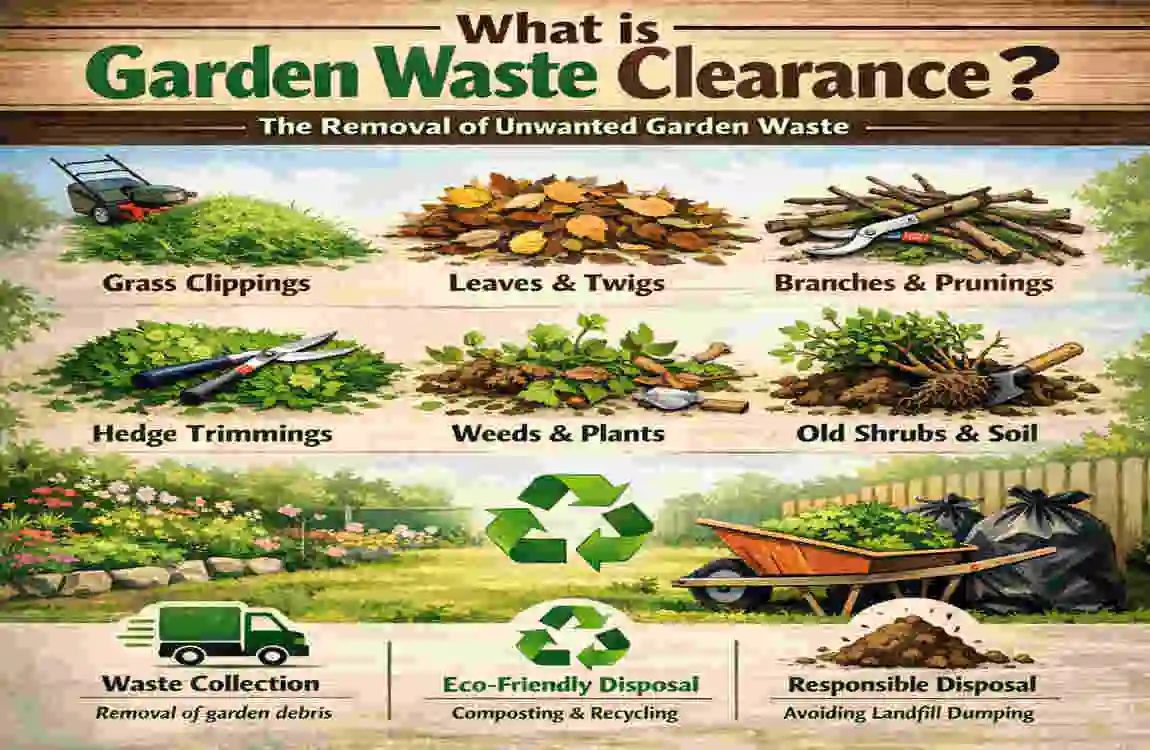
Garden Clearance is the process of collecting, sorting, and removing waste created during gardening and yard maintenance. This is different from general household waste because garden waste is usually organic and can often be reused, composted, or recycled.
Common types of garden waste include green waste such as leaves and grass, woody waste such as branches, and soil waste from digging or replanting. Proper disposal matters because it helps protect the environment and keeps your property in line with local rules in some areas.
Types of Garden Waste at a Glance
Type Examples Best Method
Green waste Grass, leaves, soft plants Composting or collection
Woody waste : Branches, twigs, small logs : Chipping or approved disposal
Soil waste: Old soil, roots, mud. Reuse, recycle, or dispose properly
Homeowners often face challenges such as not having the right tools, not having enough time, or simply not knowing the safest way to dispose of waste. That is why a simple plan can make a big difference.
Why Garden Waste Clearance is Important
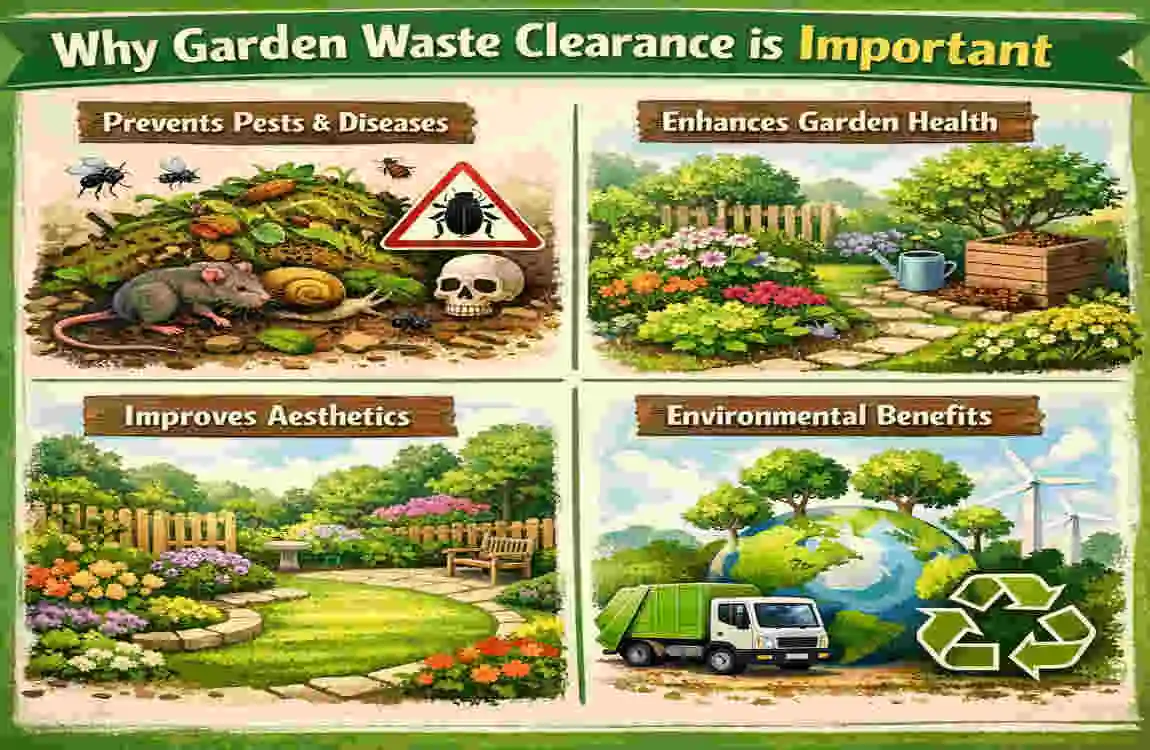
Keeping up with garden waste helps in many ways. It reduces the amount of rubbish going to landfill and supports more eco-friendly habits like composting and recycling. It also lowers the chance of mold, bacteria, and pests building up in damp piles of waste.
A tidy garden is also more pleasant to use and can even improve property value. In spring and autumn, when gardens often collect the most waste, regular clearance becomes even more useful.
plan Your Garden Waste Clearance Process
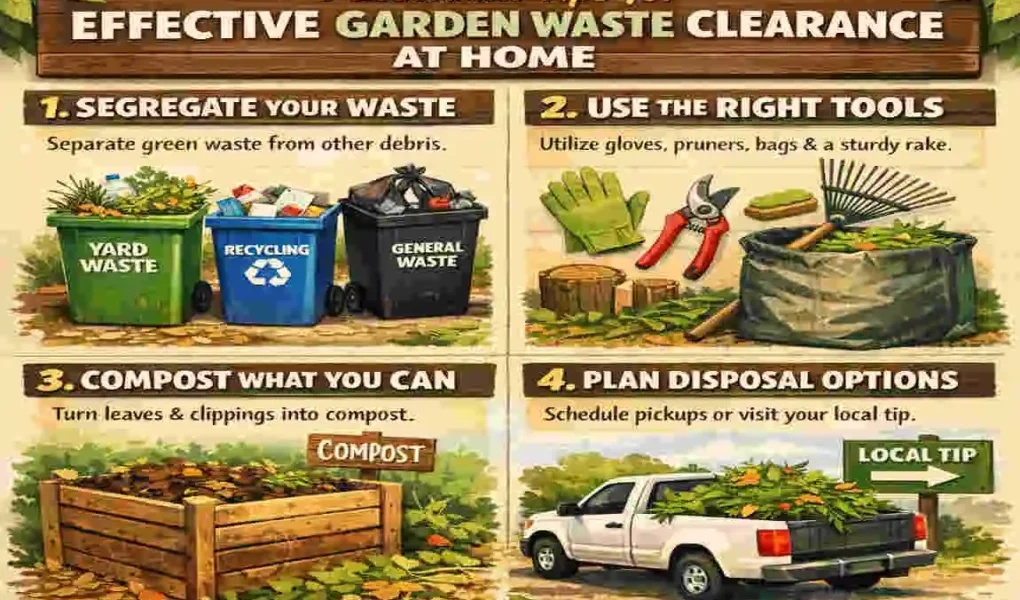
A good plan makes the work feel easier. Start by walking through your garden and looking for areas where waste tends to collect, such as flower beds, paths, and corners behind trees. This helps you understand what needs attention first.
Next, set a simple routine. You might do a light cleanup each week and a deeper clear-out once a month. This keeps the job from becoming overwhelming. It also helps you stay ahead of seasonal buildup.
Before starting, gather the right basics such as gloves, rakes, bags, and a wheelbarrow. Safety matters too, so wear protective clothing and watch out for sharp sticks or hidden debris.
A helpful way to work is to clear one section at a time. This keeps the task organized and gives you a clear sense of progress.
Use the Right Tools for Efficient Garden Waste Clearance
The right tools can save a lot of time and effort. For small tasks, simple hand tools like rakes and pruning shears are usually enough. Leaf blowers can also help gather dry leaves quickly.
For bigger jobs, electric blowers or wood chippers can make the work easier, especially if you have lots of branches or heavy buildup. Garden sacks, carts, and compost bins are also useful for moving and sorting waste.
Choosing tools depends on the size of your garden and how often you clean it. A small garden may only need a few basic tools, while a large property may benefit from more powerful equipment.
After use, clean your tools and store them properly. This helps them last longer and keeps them ready for the next cleanup.
Eco-Friendly Garden Waste Disposal Methods
The best way to handle garden waste is often to reuse it in helpful ways. Composting is one of the easiest eco-friendly methods. Leaves, grass, and some plant matter can break down into rich compost that helps your soil.
You can also take green waste to local recycling centers or use municipal collection services, if available in your area. Mulching is another smart option because it turns waste into a natural layer that protects the soil and helps it hold moisture.
Burning garden waste is usually not a good choice. It can create air pollution and may be restricted by local laws. If the waste is too large or difficult to manage, professional garden waste clearance services can be a practical solution.
Maintain Regular Garden Waste Management
The easiest way to manage garden waste is to stop it from building up in the first place. Make regular trimming part of your routine and remove dead leaves or branches before they spread across the garden.
Seasonal care also helps. Spring and autumn often bring the heaviest waste, so these are the best times for a deeper clear-up. Smart planting and regular pruning can also reduce future waste.
Having a place to temporarily store waste, like a covered bin or compost area, keeps things tidy while you work. Over time, regular maintenance means less effort and a healthier garden overall.
Common Mistakes to Avoid in Garden Waste Clearance
Many people wait too long before clearing their garden, which makes the task harder later. Another common mistake is mixing recyclable green waste with general rubbish, which can prevent it from being properly reused.
It is also important not to overload bins or skip safety gear. Gloves and sturdy shoes may seem simple, but they help prevent injuries. Burning waste without checking the rules is another mistake that can lead to pollution and legal issues.
Professional Garden Waste Clearance Services
Sometimes it makes sense to call in professionals. This is especially helpful if you have a large garden, heavy waste, or not enough time to do the job yourself.
Professional services usually handle collection, transport, and disposal. They can save time, reduce stress, and make sure the waste is managed properly. For larger homes or commercial spaces, this can be the easiest option.
Environmental Impact of Proper Garden Waste Clearance
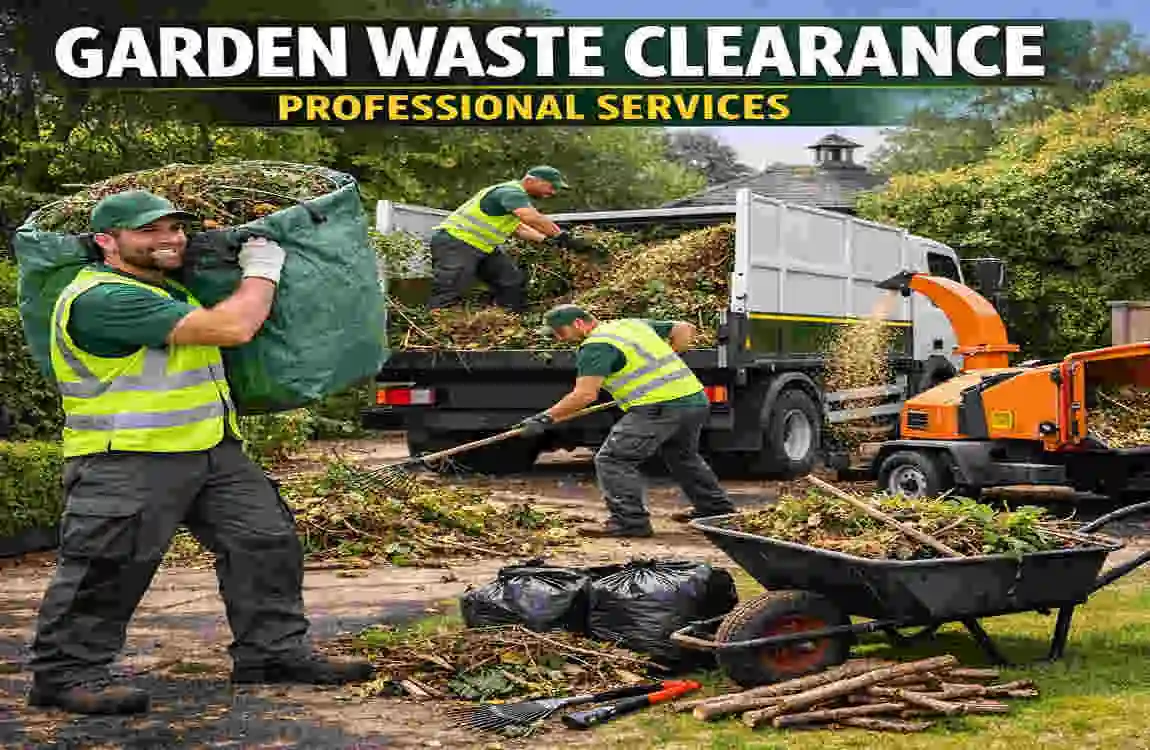
Proper clearance is good for the environment because it lowers landfill use and supports composting. It also helps improve soil fertility when waste is reused properly.
By managing garden waste well, you reduce your carbon footprint and support a more sustainable lifestyle. Small actions at home can have a big effect over time.
Frequently Asked Questions
What is the easiest way to manage garden waste at home?
The easiest method is to clean regularly and compost what you can. Small, steady effort works better than one big cleanup.
Can all garden waste be composted?
No, not all of it. Diseased plants, treated wood, and some woody materials should be kept out of home compost.
How often should I do garden waste clearance?
Light cleanup each week and a deeper seasonal clear-up are a good routine for most gardens.
Is burning garden waste safe?
It is generally not recommended due to smoke, pollution, and potential legal limits in your area.
Should I hire a professional service?
Yes, especially if the waste is heavy, the garden is large, or you want to save time and effort.