The Damage You Don’t Always See
Most people don’t think much about their roof until something goes wrong.
Maybe you notice a stain on the ceiling. Maybe a drip appears during a heavy storm. Suddenly the roof that quietly protected your home for years becomes the center of attention.
But here’s the thing. Roof damage rarely happens all at once.
In many cases, the real problem started months or even years earlier. Weather slowly wore down the materials. Tiny gaps formed. Shingles weakened. Moisture slipped into places it shouldn’t be.
And because most of that damage happens out of sight, it’s easy to miss.
In a place like Lorton, where the weather shifts throughout the year, roofs face a constant cycle of stress. Rain, humidity, summer heat, wind, and falling debris all play a role. Each one chips away at the roof’s durability little by little.
So what exactly is happening up there? And how can homeowners stay ahead of the problem before it becomes expensive?
Let’s take a closer look.
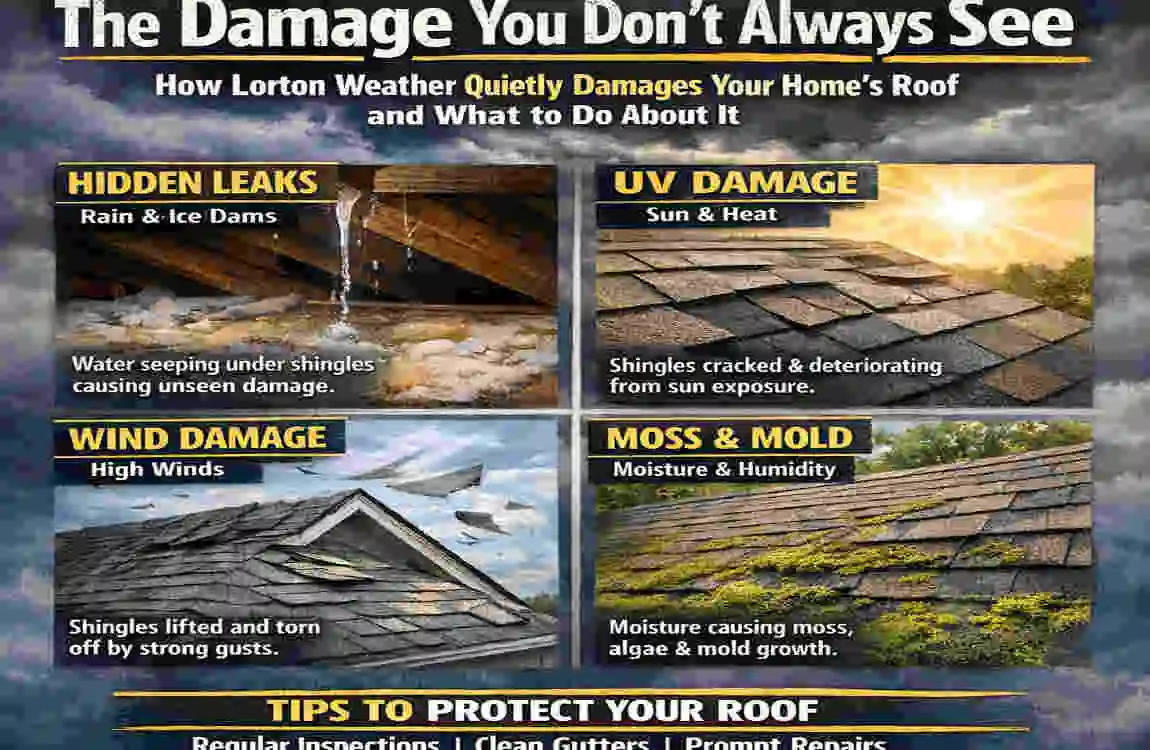
Rain and Moisture Slowly Break Down Roofing Materials
Rain might seem harmless at first glance. After all, roofs are built to handle it.
But constant exposure to moisture can slowly weaken even the strongest roofing systems.
When shingles are new, they create a tight barrier that guides water safely off the roof. Over time, however, those shingles begin to age. The protective granules start wearing down. Edges may curl slightly. Small cracks appear.
That’s when water begins to find opportunities.
It might slip under a lifted shingle. It might settle near flashing around vents or chimneys. Sometimes it seeps into tiny openings that are almost impossible to notice from the ground.
Once moisture gets underneath the surface, the problem grows quietly.
Wood decking can begin to soften. Mold can develop in damp areas. Insulation may lose its effectiveness. And slowly, the roof’s structure starts weakening.
The frustrating part? You might not notice anything at first.
Everything looks normal from the outside. Inside the home, everything feels dry.
Until one day it doesn’t.
Wind and Storms Can Create Hidden Damage
Storms often get blamed for dramatic roof failures. Missing shingles, fallen branches, or visible holes in the roof are easy to spot.
But many storm-related issues are far more subtle.
Strong winds can lift shingles just enough to break their seal. They might settle back down afterward, leaving no obvious signs of damage.
From the ground, everything looks fine.
But that broken seal creates a small gap where rainwater can sneak underneath the roofing layer.
Wind can also push debris across the roof surface. Small branches may scrape shingles. Leaves and twigs can pile up in corners where moisture collects.
None of this seems like a big deal in the moment.
Yet over time, those small disturbances add up. One weakened shingle leads to another. Moisture finds new entry points. Gradually the roof becomes more vulnerable with each passing storm.
Have you ever looked at your roof after a windy night and wondered if everything up there is still secure?
You’re not alone.
Summer Heat and UV Rays Wear Down Shingles
When people think about roof damage, they usually picture storms. But sunny weather can be just as destructive.
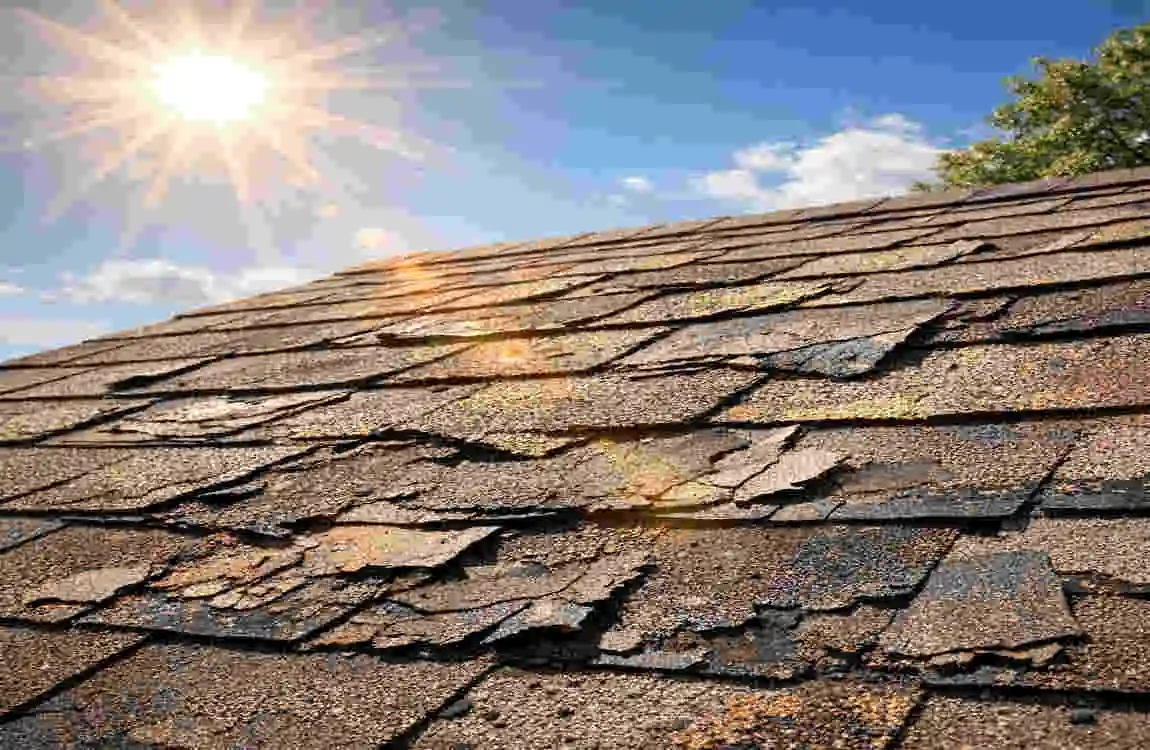
During the summer months, roofs in Lorton face intense heat and prolonged sun exposure. That sunlight carries ultraviolet rays that slowly break down roofing materials.
Over time, shingles begin to dry out. The protective oils inside them evaporate. Granules loosen and wash away.
Without those granules, shingles lose an important layer of protection against both sunlight and rain.
Then there’s the issue of expansion and contraction.
Roofs heat up dramatically during the day. At night, temperatures drop and the materials cool down again. This daily cycle causes roofing materials to expand and shrink repeatedly.
At first, it’s barely noticeable.
But after years of movement, seals weaken. Flashing loosens. Shingles may shift slightly out of place.
And suddenly the roof isn’t quite as watertight as it used to be.
Small Roofing Problems Rarely Stay Small
One of the biggest challenges with roof maintenance is how easy it is to ignore minor problems.
A single missing shingle might not seem urgent. A tiny crack might feel harmless.
But roofs work as a complete system. When one part weakens, it puts pressure on the rest.
Water follows the path of least resistance. Once it finds an entry point, it spreads quickly through surrounding materials.
That small issue can expand faster than most homeowners expect.
A minor leak can eventually affect insulation. Moisture can travel along beams and reach areas far from the original damage. By the time visible signs appear indoors, the problem has often grown much larger.
That’s why some homeowners begin researching roof repair in Lorton as soon as they notice early warning signs. Addressing problems early often means simpler solutions and fewer surprises later on.
Waiting, on the other hand, can allow weather exposure to multiply the damage.
And unfortunately, roofs rarely fix themselves.
Signs Your Roof May Already Be Affected
Because roof damage often starts quietly, recognizing early warning signs can make a big difference.
Some of these signals appear outside the home. Others show up indoors.
For example, you might notice shingles that look curled, cracked, or slightly uneven. Dark streaks across the roof surface can sometimes indicate moisture buildup or algae growth.
Granules collecting inside gutters are another clue. Those tiny particles protect shingles from sunlight, so when they begin washing away, the roof may be aging faster than expected.
Inside the home, the signs can be more subtle.
Water stains on ceilings or walls are a common indicator. Sometimes they appear as faint yellow or brown patches that slowly grow larger over time.
Musty odors in the attic can also signal trapped moisture. In some cases, increased indoor humidity can point to hidden ventilation or roof issues.
None of these signs guarantee serious damage.
But they’re worth paying attention to.
Because when it comes to roofs, small clues often reveal bigger stories.
What Homeowners Can Do to Protect Their Roof

The good news is that protecting your roof doesn’t always require complicated steps.
In many cases, simple habits can help prevent long-term problems.
Start with regular visual checks. You don’t need to climb onto the roof to spot potential issues. Just take a look from the ground after major storms. Are shingles missing or crooked? Is debris collecting in certain areas?
Gutters are another important part of roof health. When gutters clog with leaves and dirt, water can back up onto the roof instead of draining away properly. Cleaning them regularly helps keep moisture moving where it should.
Tree branches can also cause trouble. Overhanging limbs may scrape the roof during windy weather, and falling branches can damage shingles or flashing. Trimming nearby trees reduces that risk.
And every now and then, it’s helpful to have a professional inspection.
Roofing experts know where to look for subtle signs of wear that homeowners might miss. A quick inspection today can prevent a major repair months or years down the road.
After all, catching problems early is always easier than dealing with widespread damage later.
Your Roof Handles More Than You Realize
Think about everything your roof experiences in a single year.
Heavy rainstorms. Blazing summer heat. Freezing winter nights. Wind, debris, humidity, and constant sunlight.
Through all of it, the roof quietly protects the home beneath it.
Most of the time, it does that job without drawing attention. No noise. No warning.
Until something changes.
The key is remembering that roofs age slowly, and weather plays a bigger role than many homeowners realize. Paying attention to subtle signs, performing occasional checks, and addressing small issues early can make a big difference.
Because when a roof stays healthy, everything underneath it benefits.
And honestly, that quiet protection is something most homes can’t afford to lose.
How Lorton Weather Quietly Damages Your Home’s Roof and What to Do About It – FAQ
How does Lorton’s weather affect roofs?
Lorton’s mix of rain, humidity, summer heat, wind, and seasonal temperature changes can gradually wear down roofing materials over time.
Can rain cause hidden roof damage?
Yes. Moisture can seep beneath aging shingles and flashing, leading to wood rot, mold growth, and weakened roof structures before visible leaks appear.
How does sunlight damage a roof?
UV rays and prolonged heat can dry out shingles, cause granule loss, and make roofing materials brittle and more vulnerable to cracking.
Why are strong winds a concern?
Wind can loosen shingles, break seals, and push debris across the roof, creating entry points for water even when damage isn’t obvious from the ground.
What are common signs of weather-related roof damage?
Look for curled or cracked shingles, missing granules in gutters, water stains on ceilings, sagging roof sections, or musty attic odors.
Can small roof problems become serious?
Yes. Minor issues often allow water intrusion, which can spread through insulation, decking, and structural components, increasing repair costs over time.
What can homeowners do to protect their roofs?
Regular visual inspections, gutter cleaning, trimming overhanging branches, and scheduling professional roof inspections can help prevent major damage.
How often should a roof be inspected?
A professional inspection at least once a year and after major storms can help identify problems before they become costly repairs.
What is the main takeaway?
The biggest threat is often slow, weather-related wear that goes unnoticed. Early maintenance and inspections can significantly extend a roof’s lifespan and reduce repair expenses.