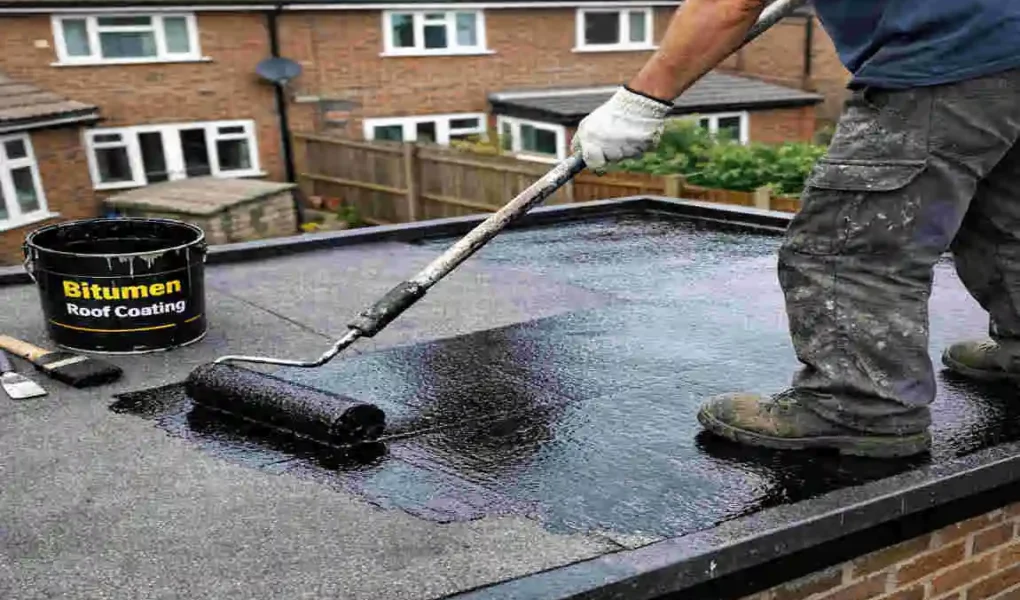
Many UK homeowners look at a worn shed roof, garage roof, porch, or flat roof extension and wonder whether paint can bring it back to life. It makes sense. Felt roofs can fade, dry out, crack, or look tired after years of rain, frost, and sun. A fresh coating can seem like an easy way to improve the look and add a bit more protection.
But painting a felt roof is not a magic fix. It can help in the right situation, but only when the roof is still sound, dry, and properly prepared. If the felt is badly damaged, soft underneath, or leaking badly, paint will not solve the real problem.
That is why it helps to think of roof coating as maintenance, not rescue. If you use the right product and prepare the roof properly, painting a felt roof can be a useful and cost-effective job. If you skip inspection and jump straight to coating, you may waste money and trap existing problems under a fresh layer.
What Is a Felt Roof?

A simple roof covering used on many UK buildings
A felt roof is a type of roof covering made from bitumen-based roofing felt. It is often used on small buildings and flat or low-slope surfaces. You will commonly see it on sheds, garages, garden rooms, porches, and some home extensions.
The material is usually laid in layers, creating a waterproof barrier over roof boards or decking. Some felt roofs have a smooth finish, while others have a mineral surface that gives extra texture and protection. In both cases, the felt acts as a weatherproof skin for the roof underneath.
Where felt roofs are commonly found
In the UK, felt roofs are popular because they are relatively low cost and fairly easy to install. You will often find them on:
- Sheds
- Garages
- Outbuildings
- Porches
- Flat roof extensions
- Garden offices and workshops
Because these roofs are often exposed to the weather and not always checked as often as the main house roof, they can show age quickly.
Common felt roof problems
Over time, felt roofs can wear and be damaged by weather. Common issues include:
- Cracking
- Blistering
- Lifting seams
- Moss or algae growth
- Surface fading
- Water pooling
- Weathering from UV and rain
The British climate does not help. A roof can face wet winters, occasional frost, summer heat, and repeated temperature swings. These changes can slowly weaken felt, especially if the roof is already old.
Can You Paint Felt Roof? The Short Answer
Yes, but only in the right condition
So, can you paint roof felt? Yes, you can paint some felt roofs, but the roof must be in decent condition first.
Painting works best when the felt is still firm, dry, and generally intact. In that case, a suitable felt roof paint or roof felt coating can improve the look and add a layer of protection.
When painting makes sense
Painting a felt roof is usually most useful when you want to:
- Refresh a weathered roof
- Add UV protection
- Improve water resistance on a suitable roof
- Extend the useful life of a roof that is still sound
- Improve the appearance of a shed, garage, or extension
It can be a good option for homeowners who want a budget-friendly improvement without replacing the whole roof.
When painting does not make sense
Painting is not a proper solution if the roof is already failing. It will not fix:
- Rotten roof boards
- Large splits or tears
- Active leaks
- Loose or lifting edges
- Severe bubbling or moisture damage
In those cases, the roof needs to be repaired or replaced first. Paint is a finish, not a cure.
Why Homeowners Consider Painting Felt Roofs
A simple way to improve appearance
One of the biggest reasons people consider painting a felt roof is appearance. Old felt can look dull, patchy, or tired. A coating can make it look cleaner and more cared for.
That matters if the roof is visible from the garden, driveway, or upper windows. A fresh coat of paint can make a shed or garage look much more in keeping with a recently improved property.
Extra protection against the weather
A suitable roof felt waterproof paint or coating may help reduce the impact of UV light and moisture. Felt roofs age partly because the sun dries them out and the weather repeatedly expands and contracts the material.
A coating can act as a protective layer, helping the surface withstand exposure better. It is not a shield that lasts forever, but it can give added defence when used correctly.
A lower-cost alternative to replacement
Full roof replacement can be expensive. For many homeowners, coating the roof is a more affordable way to buy time.
That is especially true if the roof is still functional but looks worn. If the structure is sound, painting can delay more expensive work and practically help with UK felt roof maintenance.
A smart step for garden buildings and extensions
For sheds, summerhouses, garages, and some flat roof extensions, a coating can help match the roof to the rest of the property. If the building has been updated or painted, an old felt roof can suddenly look out of place. A fresh coating helps everything feel more finished.
When You Should Not Paint a Felt Roof
Signs the roof needs repair first
There are times when painting a felt roof is simply the wrong move. If the roof has major damage, a coating may mask the issue temporarily but will not fix it.
Do not paint if you see:
- Large tears
- Widespread cracking
- Soft or rotten roof boards
- Bubbling or blistering from trapped moisture
- Active leaks
- Loose seams or lifted edges
- Areas that feel unstable underfoot
These are warning signs that the roof may be failing.
Why coating over defects is a bad idea
If you coat over damaged felt, you can trap moisture, block inspection of the problem, and reduce the chance of proper repairs. The roof may look better for a short time, but hidden damage can get worse underneath.
That means the coating can fail early. Worse, you may still need a full repair or replacement soon after.
A simple rule to follow
If the roof is failing, repair or replace it before painting.
That rule saves time, money, and frustration. If you are unsure, get the roof inspected before buying any product.
Best Types of Paint for Felt Roofs in the UK
Not all paints are suitable
This is one of the most important parts of the decision. Felt roof surfaces need a product designed for roofing conditions. Regular wall paint or standard exterior paint is usually not the right choice.
The best products are those made for bitumen, felt, or flat roof surfaces. They are designed to move with the roof, resist weather, and bond properly to the existing material.
Common coating options
Here are the main types homeowners may come across:
- Bitumen-compatible roof paint
- Acrylic roof coatings
- Elastomeric coatings
- Roof coating products designed for felt or bitumen
Each type has its own strengths, but the key is suitability. The product must clearly say it is suitable for felt or bitumen roofing.
What to look for in a good product
A good felt roof paint should usually offer:
- Weather resistance
- Flexibility
- UV protection
- Waterproof or water-resistant properties
- Compatibility with felt or bitumen
- Good adhesion to roofing surfaces
In the UK, weather changes fast. A roof coating should cope with cold, wet spells as well as brighter, warmer periods. That is why product choice matters so much.
What to avoid
Do not assume any exterior paint will do the job. Standard emulsion, many general-purpose paints, and products not made for roofing can fail quickly.
They may crack, peel, or fail to bond properly. Some can even make later repairs harder.
Check the instructions carefully
Always read the product label and manufacturer guidance. Some coatings need a primer. Others work best on certain surfaces only. Also check whether the product affects any roof warranty or the previous roofing system.
Comparison Table: Felt Roof Coating Options
Coating typeBest forMain benefitMain caution
Bitumen-compatible roof paint Older felt or bitumen roofs Strong compatibility Can require careful prep
Acrylic roof coating General roof refresh Flexible and weather-resistant Not all products suit every roof
Elastomeric coating Movement and small surface cracks Stretch and flexibility Must be applied correctly
Specialist roof felt coating Felt roofs in reasonable condition Designed for the material Follow instructions exactly
How to Prepare a Felt Roof Before Painting
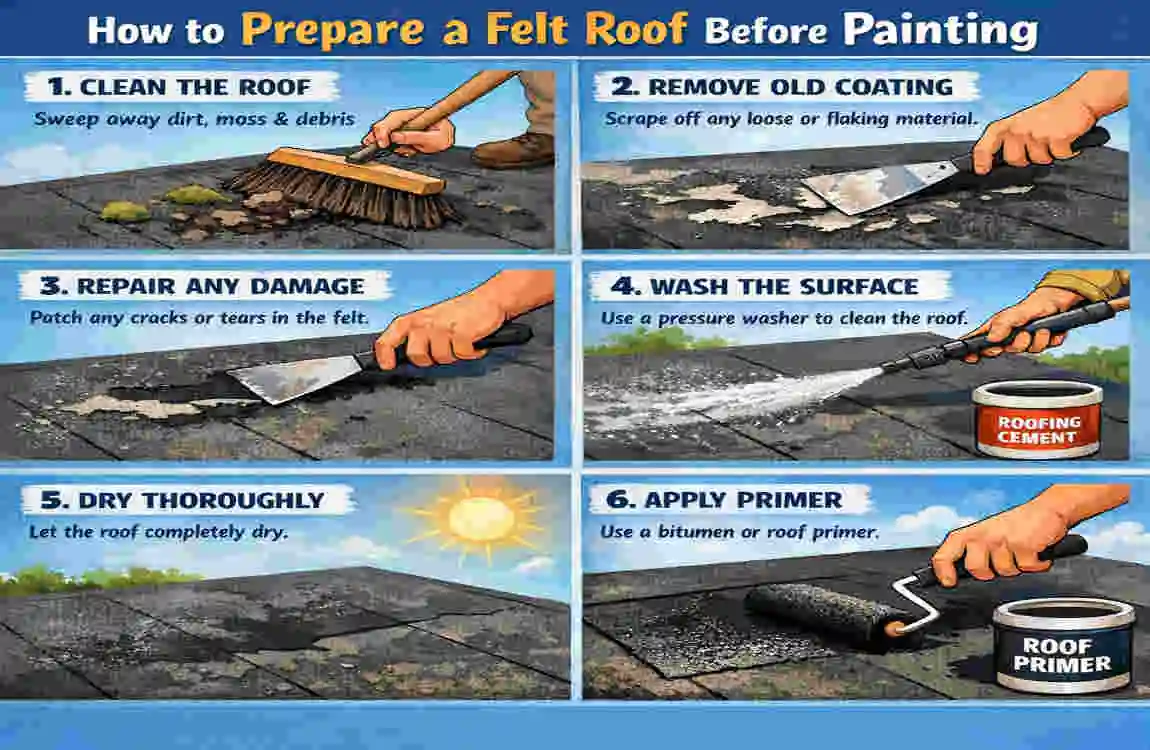
Preparation is the real key
If there is one stage you should not rush, it is preparation. Even the best roof felt coating will struggle if the roof is dirty, damp, or damaged.
Good preparation helps the paint bond properly and last longer.
Inspect the roof carefully
Start with a close inspection. Look for cracks, weak seams, loose edges, water staining, and soft spots. Check whether the roof boards underneath feel firm.
If anything looks suspicious, address it first. Painting over a hidden problem is a false economy.
Repair visible damage
Before coating, repair any splits, lifted seams, or broken edges. Use suitable repair materials recommended for felt roofs. If the boards underneath are rotten, they need attention before anything else.
Remove dirt and growth
Clean off leaves, moss, algae, and general debris. A dirty surface stops coatings from sticking properly. Use the cleaning method recommended by the product manufacturer.
Do not scrub so aggressively that you damage the felt surface. The aim is to clean it, not wear it down.
Let the roof dry fully
This step matters a lot. Moisture is one of the biggest reasons coatings fail. If damp is trapped under the product, it can lead to poor adhesion, blistering, and early breakdown.
If possible, allow the roof to dry fully in good weather before applying anything.
Prime if required
Some products need a primer. Others do not. Do not guess. If the manufacturer says to prime first, follow that instruction exactly.
Work safely
Use safe access methods, stable ladders, and proper PPE. Roof work can be dangerous, even on a shed or garage. If the roof is awkward, steep, or slippery, consider hiring a professional.
UK weather matters during prep
Choose a dry spell. Avoid rain, frost, and very high humidity. A roof that looks dry can still hold moisture if the weather is poor.
Step-by-Step: How to Paint a Felt Roof
Inspect and repair first
Before you open the tin, make sure the roof is ready. Fix any small issues first so the coating goes onto a stable base.
Clean the surface
Remove loose dirt, moss, leaves, and dust. A clean surface helps the coating bond well and gives a smoother finish.
Allow time to dry
Do not rush this part. A roof that is even slightly damp can cause trouble later.
Mask nearby areas
Protect walls, fascias, gutters, windows, or garden surfaces near the roof edge. This keeps the job neater and reduces cleanup.
Apply primer if needed
If the product requires a primer, apply it as directed and allow it to dry fully before moving on.
Apply the first coat evenly
Use the recommended method, such as a brush or roller. Some products may allow spraying, but only if the instructions permit it.
Apply an even coat. Do not overload the surface.
Allow proper curing time
Let the first coat dry for the full time stated by the manufacturer. This is not a step to estimate loosely. Drying and curing times matter.
Apply a second coat if recommended
Some coatings work best with two coats. If the product says to use two, do not skip the second layer.
Avoid early foot traffic
Do not walk on the new coating too soon. It may still be soft and easy to damage.
Things to avoid during application
- Painting in rain or frost
- Applying too much product at once
- Coating over damp felt
- Ignoring drying times
- Using the roof too soon after painting
Pros and Cons of Painting a Felt Roof
The advantages
Painting a felt roof can be worthwhile in the right situation. Here are the main benefits:
- Improved appearance
- Added UV protection
- Better weather resistance
- Lower cost than replacement
- Possible extension of service life
- A useful maintenance step for sound roofs
For many homeowners, those benefits are enough to justify the work.
The disadvantages
There are also clear downsides:
- Not a fix for major damage
- Shorter life than a full replacement
- Possible adhesion failure if prep is poor
- Can fail early if the wrong product is used
- May need repeat maintenance later
- Could affect warranty conditions in some cases
The real trade-off
Painting works best as a maintenance decision. It is useful when the roof is still healthy enough to benefit from protection. It is not a permanent cure for a roof that has reached the end of its life.
How Long Does Felt Roof Paint Last?
It depends on several factors
There is no single answer, because lifespan varies so much. The result depends on:
- The condition of the roof before painting
- The quality of the coating
- How well the roof was prepared
- The amount of rain, wind, and sun exposure
- Roof slope and drainage
- Whether the coating was applied correctly
A realistic expectation
With the right product and good preparation, felt roof paint may last several years. In some cases it lasts longer. In others, especially on heavily exposed roofs, it may need attention sooner.
Flat roofs and roof edges that are exposed to a lot of weather tend to need more frequent checks.
Keep checking the roof
Do not assume the job is done forever once the paint is on. Regular inspection helps you spot early wear, flaking, or pooling water before they become bigger issues.
Cost of Painting a Felt Roof in the UK
What affects the price
The cost of painting a felt roof depends on a few main things:
- Roof size
- Product type
- Whether repairs are needed first
- DIY or professional labour
- Access equipment
- Cleaning tools and primer
Rough cost picture
A small shed roof can be relatively cheap to coat if you do it yourself. Larger garage roofs or flat roof extensions cost more, especially if you need repairs, access gear, or professional help.
DIY vs professional pricing
DIY is usually cheaper upfront because you only pay for materials. However, if the roof needs cleaning tools, primer, repair products, or safety equipment, the cost can rise quickly.
A professional job costs more, but it may include assessment, repairs, and a more reliable finish.
Cheap does not always mean good value
Painting is usually cheaper than full replacement. Still, a low-cost coating is poor value if the roof was already beyond repair. That is why inspection matters before you spend anything.
DIY vs Hiring a Professional
When DIY can work
DIY may suit you if the roof is:
- Small
- Easy to reach
- Clearly in decent condition
- On a shed, garage, or simple outbuilding
It also suits homeowners who are comfortable with roof work, careful with safety, and willing to follow product instructions closely.
When a professional is the better choice
Professional help is often better if the roof is:
- Large
- Difficult to access
- Leaking
- Showing obvious wear
- Important to a warranty-based roofing system
A professional can spot hidden problems and decide whether roof felt repair and painting is appropriate at all.
The main difference
DIY usually saves money. A pro usually gives better assessment, safer application, and a stronger finish. If you are unsure about the roof’s condition, get it checked before deciding.
Common Mistakes to Avoid
Painting over damp felt
This is one of the biggest problems. Moisture can get trapped, leading to poor adhesion or blistering.
Skipping repairs
A coating is not a substitute for fixing cracked seams or weak edges.
Using the wrong paint
Standard exterior paint is often unsuitable. Use a product designed for felt or bitumen.
Applying too little or too much
A coating that is too thin may not protect well. One that is too thick may cure badly.
Ignoring weather conditions
Do not paint during rain, frost, or high humidity.
Not cleaning properly
Dirt, moss, and dust stop the coating from bonding.
Expecting paint to stop a serious leak
It will not. If the roof is leaking badly, repair or replace it first.
Mistake 8: Forgetting cure times
The roof needs time to dry and harden properly. Rushing this step can ruin the job.
UK Weather Considerations for Felt Roof Painting
Why the weather matters so much
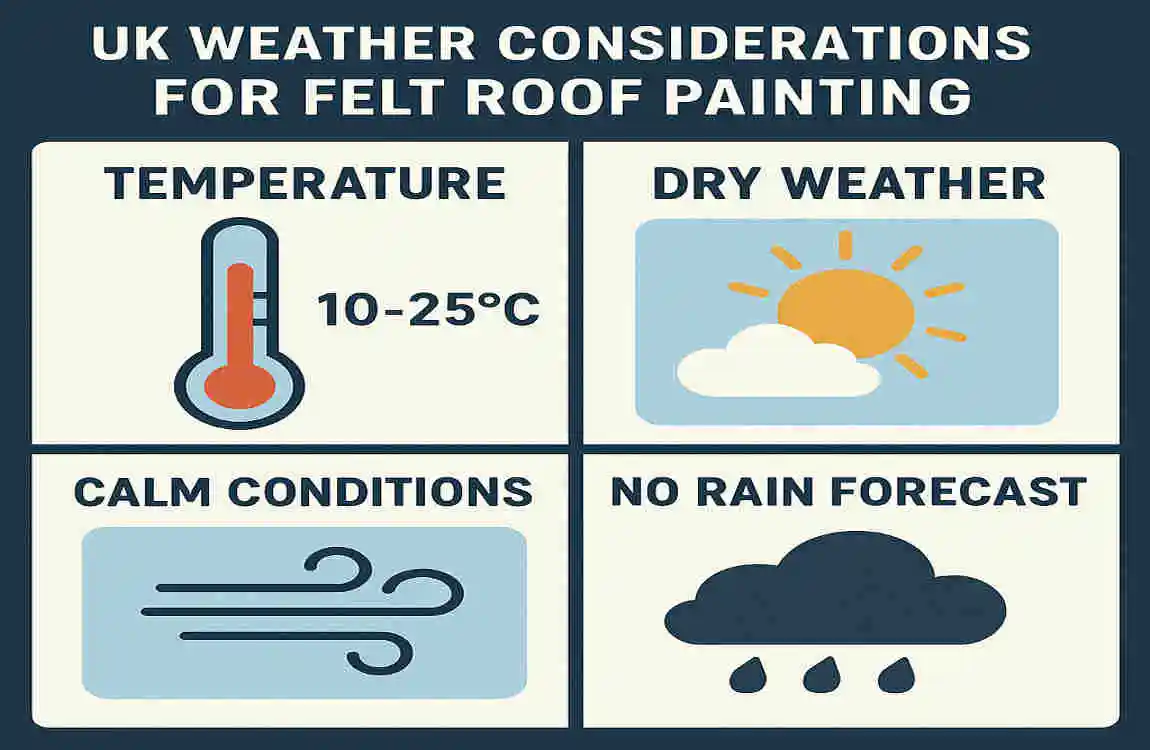
The UK climate is a major factor in why felt roofs wear out. It is also why timing matters when painting one.
Rain, damp air, frost, and sudden temperature shifts can all affect how well the coating sticks and cures.
Best conditions for the job
The ideal time to paint a felt roof is during a dry spell with moderate temperatures and low moisture. In practice, many homeowners find late spring to early autumn to be the best window.
Times to avoid
Avoid winter if possible, especially during cold snaps or unsettled weather. Also avoid any period where rain is likely before the coating has fully dried.
If the forecast is uncertain, wait. A delayed job is better than a failed one.
Maintenance Tips After Painting
Keep checking the roof
A painted felt roof still needs care. Inspect it regularly so small problems do not grow into larger ones.
Clear gutters and edges
Blocked gutters can cause water to sit near the roof edge, which is not good for any coating.
Remove moss and debris early
Leaves and moss hold moisture. The sooner you remove them, the better.
Watch for early warning signs
Look out for:
- Flaking
- Bubbling
- Blistering
- Peeling
- Pooling water
- Cracked seams
Recoat when needed
Follow the product guidance for maintenance and recoating. Annual checks are a good habit, especially after storms or very hot weather.
FAQs: Felt Roof Painting Questions
Can you paint felt roof with normal paint?
Usually, no. Normal household or exterior paint is not designed for felt- or bitumen-roofing. It may not bond properly, and it can fail quickly. Use a product made for roofing surfaces.
What paint is best for a felt roof?
The best choice is usually a specialist roof coating made for felt or bitumen. Look for a product that offers flexibility, waterproofing, and UV resistance.
Will painting a felt roof stop leaks?
Not usually if the roof has a serious problem. Paint may help protect a sound roof and deal with minor surface wear, but it will not fix major leaks, rotten boards, or badly damaged felt.
How long should felt roof paint last?
It varies a lot. With the right prep and product, it may last several years. Roof condition, weather exposure, and application quality all affect the result.
Can you paint roof felt on a shed?
Yes, shed roof felt is one of the most common surfaces people coat. It is often a suitable DIY job if the roof is sound and easy to access.
Do you need to prime felt before painting?
Sometimes, yes. It depends on the product. Always check the manufacturer’s instructions before starting.
Is it better to paint or replace a felt roof?
If the roof is still sound, painting may be the better budget option. If the roof is badly damaged, leaking, or rotten underneath, replacement is usually the better choice.
| Aspect | Key Points |
|---|---|
| Can You Paint Felt Roof? | Yes, if the felt roof is sound, dry, and well-prepared. Not suitable for damaged roofs. |
| Best Paint Types | Roof coatings designed for bitumen/felt, acrylic or elastomeric roof paints. |
| Preparation Needed | Clean, repair cracks, remove moss/debris, dry thoroughly, and prime if required. |
| When Not to Paint | Large tears, rotten decking, active leaks, blistering, or loose seams. |
| Benefits | Improves appearance, adds UV protection, delays replacement costs, budget-friendly option. |
| Limitations | Not a permanent fix, lifespan varies, may require re-coating, risk of adhesion failure. |
| UK Weather Tips | Paint during dry, mild weather; avoid rain, frost, or high humidity for best results. |
| DIY vs Professional | DIY possible for small roofs with good safety; professionals recommended for larger/damaged roofs. |
| Typical Lifespan of Paint | Several years with good prep and conditions, but regular maintenance necessary. |