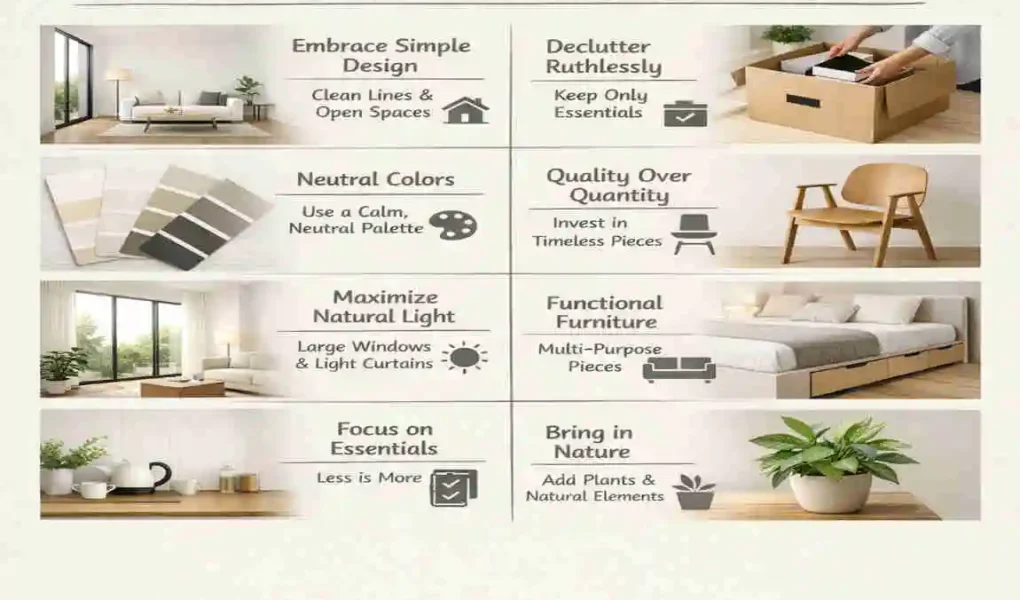
Minimalism is more than just a design trend—it’s a lifestyle that focuses on intentionality, simplicity, and functionality. In a world overwhelmed by clutter and excess, minimalist homes have become a sanctuary for those seeking peace and calm. The idea of “less is more” resonates deeply with homeowners who value meaningful spaces over material possessions.
Understanding Minimalism in Home Design
What Is Minimalism, and Why Is It So Popular?
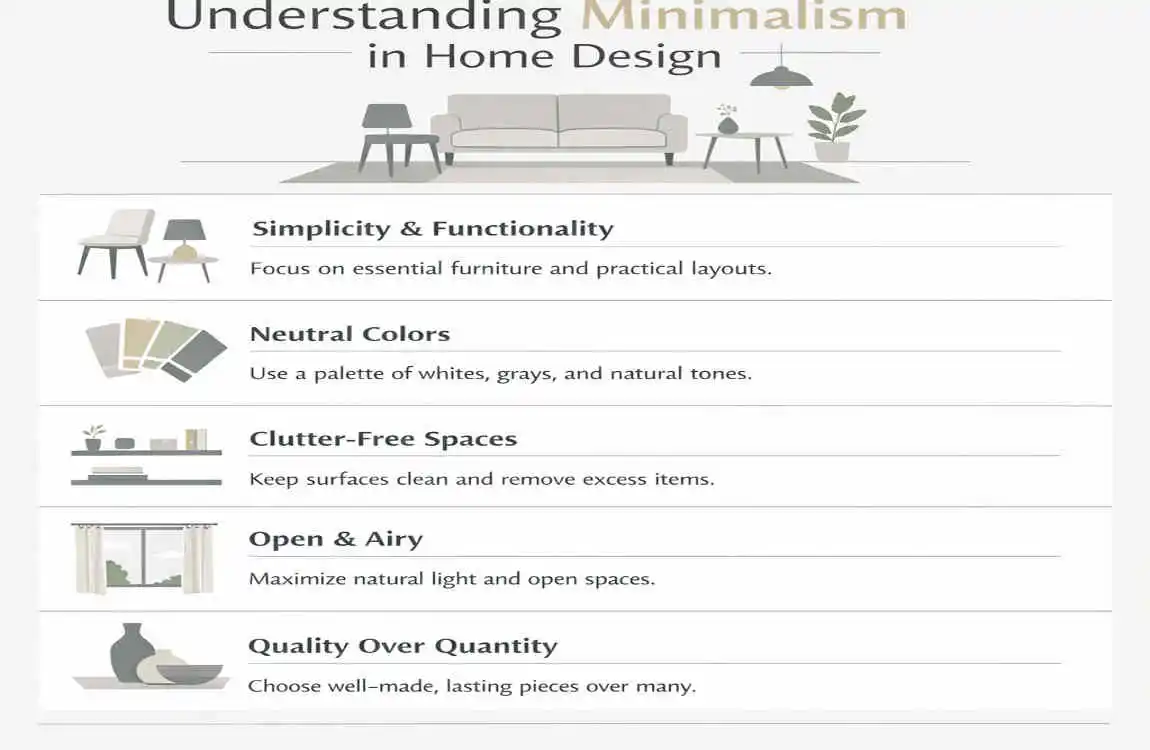
At its core, minimalism is about simplifying your life by focusing on what truly matters. In home design, this translates to clean lines, decluttered spaces, and purposeful layouts. Minimalist homes prioritize functionality, ensuring that every element serves a purpose.
Why is minimalism gaining so much traction? For one, a minimalist home promotes reduced stress, as clutter-free environments tend to feel calmer and more organized. Additionally, minimalism aligns with sustainability by encouraging eco-friendly choices and reducing unnecessary consumption.
Minimalism vs. Other Design Trends
Unlike other design trends that may emphasize opulence or maximalist decor, minimalism strips away the non-essentials to reveal the beauty of simplicity. While traditional styles may layer ornate details or bold patterns, minimalist design uses neutral color palettes, natural materials, and open spaces to create a sense of balance and harmony.
Before diving into how to build a minimalist home, it’s essential to embrace the philosophy behind minimalism: intentional living.
Planning Your Minimalist Home: Start with Intentional Design
Building a minimalist home begins well before construction or decorating. It starts with planning and aligning your values with your space. Here are three effective steps to guide your journey:
Clarify Your Intentions
Ask yourself: Why do I want a minimalist home? Is it to reduce stress, live sustainably, or create a more functional space for your family? Defining your intentions will help you stay focused throughout the process.
Minimalism is deeply personal. Your reasons for adopting it should reflect your values, whether they involve simplicity, mindfulness, or eco-consciousness.
Set Realistic Goals
Rome wasn’t built in a day, and neither will your minimalist home. Break your project into manageable stages and set clear goals. Consider trends that align with minimalist principles, such as:
- Open floor plans that maximize space and natural light.
- Multifunctional rooms that serve multiple purposes.
- The “less is more” philosophy when selecting furniture and decor.
Create a Vision Board
A mood board can bring your minimalist home to life before construction even begins. Collect images, textures, and materials that inspire you. Think light woods, soft neutrals, and clean lines. Having a visual reference will keep you on track and ensure your design feels cohesive.
When planning how to build a minimalist home, intentional design is your foundation.
Choosing the Right Materials for a Minimalist Home
The materials you select will define the look, feel, and sustainability of your minimalist home. Focus on quality, simplicity, and functionality.
Key Materials to Consider
- Light Woods: Opt for oak, pine, or bamboo for flooring, furniture, and accents. Their natural tones add warmth and texture to minimalist interiors.
- Neutral-Toned Paints: Stick to whites, beiges, and soft greys for walls and ceilings. These colors create a clean and timeless backdrop.
- Glass, Metal, and Concrete: These materials contribute to a modern minimalist aesthetic, offering durability and simplicity.
Tips for Finding Eco-Friendly Materials
- Look for FSC-certified wood to ensure sustainable sourcing.
- Support local suppliers to reduce carbon footprints.
- Choose non-toxic, VOC-free paints and finishes.
The right materials are crucial when deciding how to build a minimalist home that lasts.
Designing Minimalist Spaces: Room-by-Room Tips
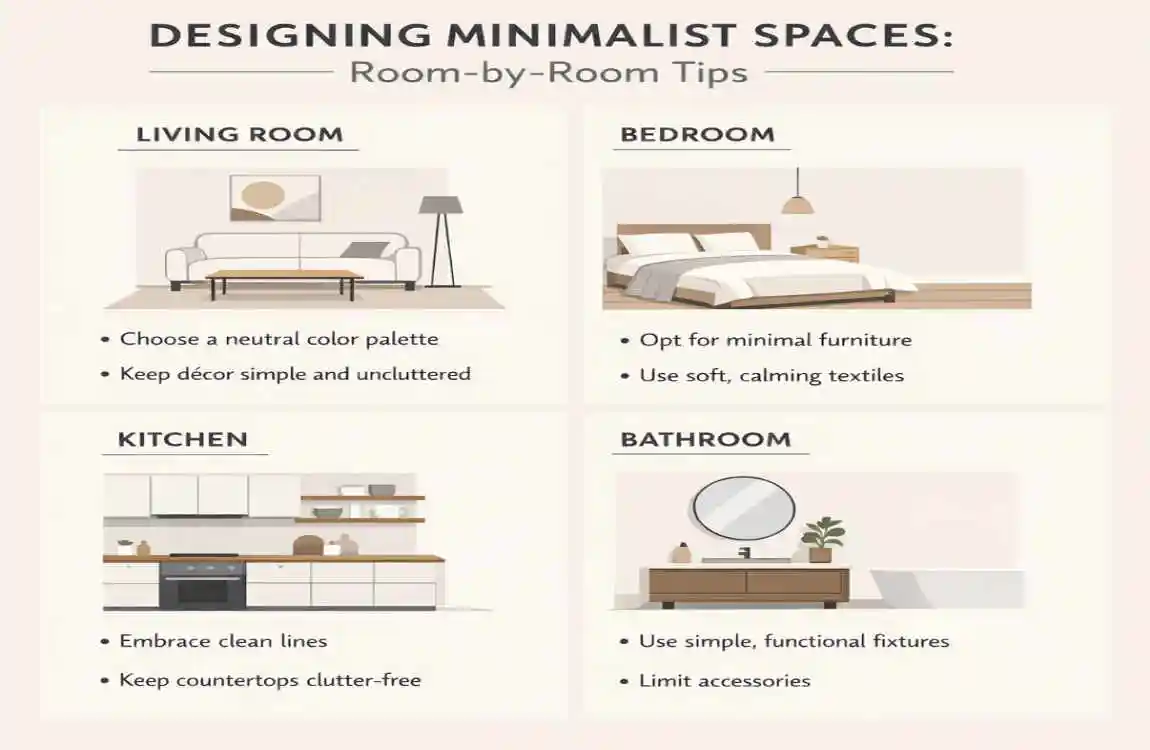
A minimalist home isn’t just about the overall aesthetic—it’s about applying minimalist principles to every corner. Here’s how to home design each room with intention:
Living Room
- Functional Furniture: Choose modular sofas, coffee tables with hidden storage, and versatile pieces.
- Natural Light: Use sheer curtains or blinds to let in as much light as possible.
- Neutral Colors: Stick to a soft, cohesive palette to create a serene environment.
Kitchen
- Clutter-Free Countertops: Store away appliances and utensils to keep surfaces clean.
- Sleek Cabinetry: Opt for handleless designs or simple hardware.
- Smart Storage: Use pull-out drawers, vertical racks, and built-in organizers to maximize space.
Bedroom
- Minimal Furniture: Keep it simple with a bed, bedside table, and wardrobe.
- Neutral Bedding: Soft linens in whites or earth tones promote relaxation.
- Decluttering: A serene bedroom starts with removing unnecessary items.
Bathroom
- Simple Fixtures: Choose clean-lined faucets, sinks, and showerheads.
- Smart Organization: Use wall-mounted shelves, baskets, or drawer dividers for a tidy space.
- Neutral Aesthetic: Stick to whites, greys, or soft blues for a spa-like feel.
Outdoor Spaces
- Clean Landscaping: Opt for low-maintenance plants and minimalist garden designs.
- Simple Furniture: Choose durable, weather-resistant pieces with clean lines.
When exploring how to build a minimalist home, each room should reflect these principles of simplicity and functionality.
Tips for Decluttering and Maintaining a Minimalist Home
Building a minimalist home is one thing—but maintaining it is another! Here are strategies to keep your home clutter-free:
Decluttering Techniques
- The “One In, One Out” Rule: For every new item you bring in, remove one.
- The KonMari Method: Keep only what “sparks joy” and serves a purpose.
Maintenance Tips
- Schedule regular decluttering sessions to stay organized.
- Prioritize quality over quantity when buying new items.
Sustainability is key when learning how to build a minimalist home and maintain it over time.
The Role of Lighting and Color in Minimalist Homes
Lighting Tips
- Natural Light: Maximize windows and reflective surfaces for an open feel.
- Layered Lighting: Combine pendant lights, floor lamps, and LED strips for ambiance.
Color Palette
- Stick to whites, greys, beiges, and earth tones as your base.
- Add small, intentional pops of color (e.g., a throw pillow or artwork) for personality.
Lighting and color play a critical role in shaping a minimalist home that feels both functional and inviting.
Budgeting for a Minimalist Home
Minimalism doesn’t have to break the bank. Here’s how to stay within budget:
Budget-Friendly Tips
- Prioritize Quality: Invest in durable, timeless pieces.
- Buy Second-Hand: Thrift stores and online marketplaces can be treasure troves.
- DIY Decor: Create your own decor or upcycle existing items.
Understanding budgeting is essential when learning how to build a minimalist home without overspending.
Common Mistakes to Avoid When Building a Minimalist Home
Pitfalls to Watch Out For
- Overcomplicating the Design: Stick to simplicity.
- Sacrificing Functionality: Aesthetics shouldn’t come at the cost of usability.
- Failing to Declutter: Start with a clean slate before designing.
Avoiding these mistakes is key to mastering minimalist home building.
Inspirational Minimalist Home Examples
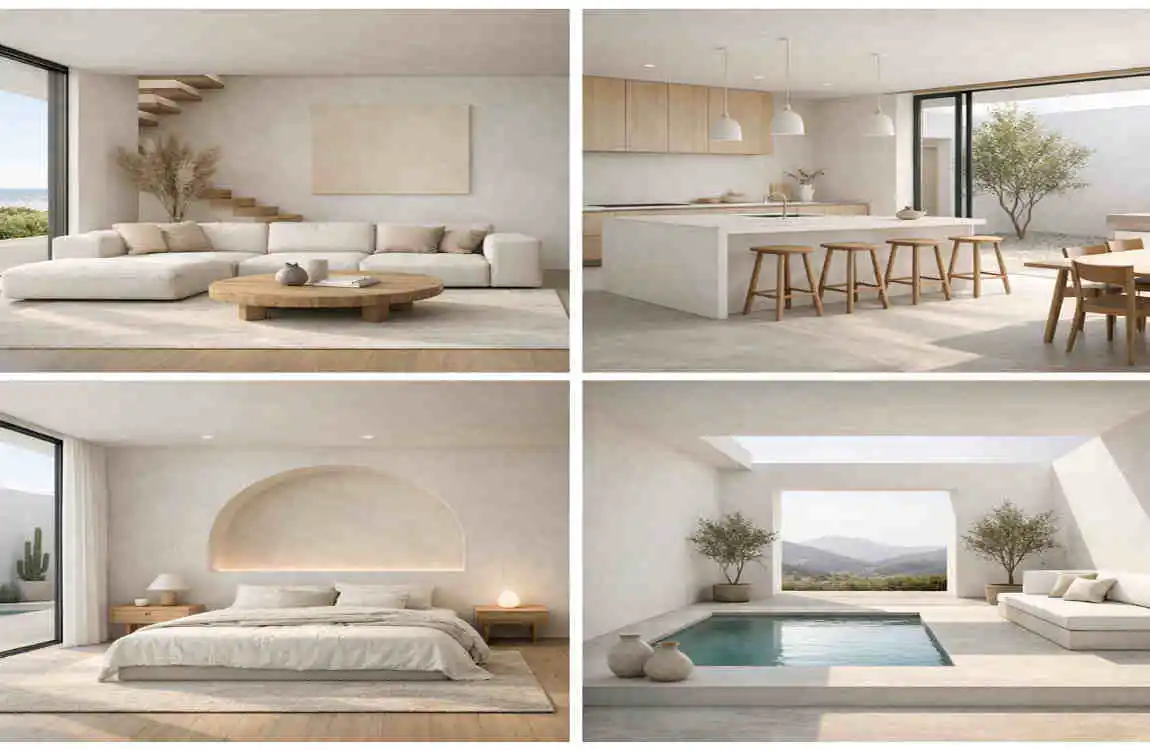
Looking for inspiration? Here are a few ideas:
Feature Minimalist Example
Living Room: Neutral tones, open layout, modular furniture.
Kitchen: Sleek cabinetry, an all-white palette, and open shelving.
Bedroom: Platform bed, soft linens, minimal decor.
Outdoor Space Patio with clean landscaping, simple furniture.
Looking at examples can spark ideas for building a minimalist home tailored to your needs.
FAQ: How to Build a Minimalist Home
Q: What is the first step to building a minimalist home?
Start with intentional design by clarifying your reasons for choosing minimalism and setting clear, realistic goals for your space.
Q: Which materials are best for a minimalist home?
Opt for sustainable, high-quality materials like light woods (oak, pine), neutral-toned paints, and modern elements such as glass and metal.
Q: How do I keep my minimalist home clutter-free?
Use decluttering techniques like the “one in, one out” rule and regularly remove items that don’t add value or joy.
Q: Can I build a minimalist home on a budget?
Yes! Prioritize quality over quantity, buy second-hand or repurpose items, and try DIY projects for decor and furniture.
Q: How important is lighting in a minimalist home?
Very important! Maximize natural light and use layered lighting to create an open, warm, and functional space.
Q: What common mistakes should I avoid?
Avoid overcomplicating designs, sacrificing function for style, and starting without decluttering first.
Q: How can I maintain a minimalist home long-term?
Schedule regular decluttering sessions and focus on buying fewer but higher-quality items to sustain simplicity.
| Tip | Description |
|---|---|
| Plan with Intentional Design | Define your goals and create a clear vision before starting your minimalist home project. |
| Choose Quality Materials | Use sustainable, durable, and simple materials like light woods, glass, and neutral paints. |
| Focus on Functional Spaces | Design rooms with multifunctional furniture and open layouts to maximize space and utility. |
| Declutter Regularly | Embrace minimalism by consistently removing unnecessary items and keeping essentials only. |
| Use Neutral Colors & Lighting | Opt for soft neutral tones and maximize natural light to create calm, airy environments. |
| Budget Wisely | Prioritize quality over quantity and consider DIY or second-hand options to save costs. |
| Avoid Common Mistakes | Keep designs simple, maintain functionality, and avoid overfilling your space with items. |