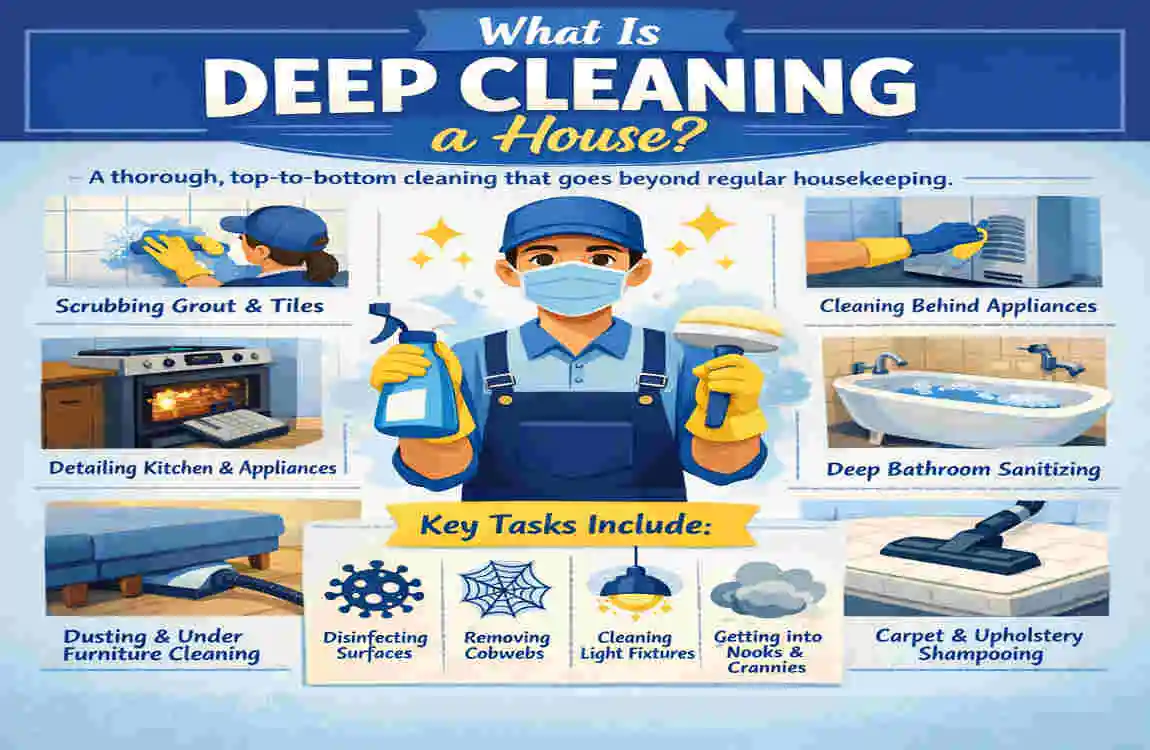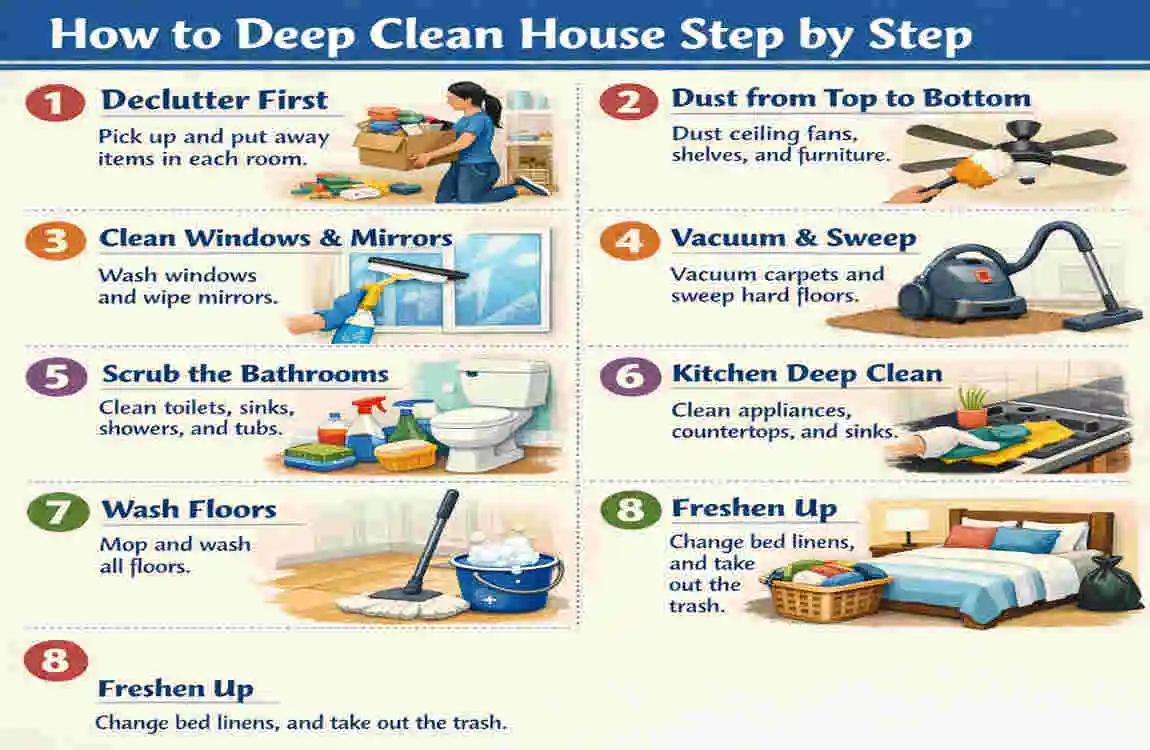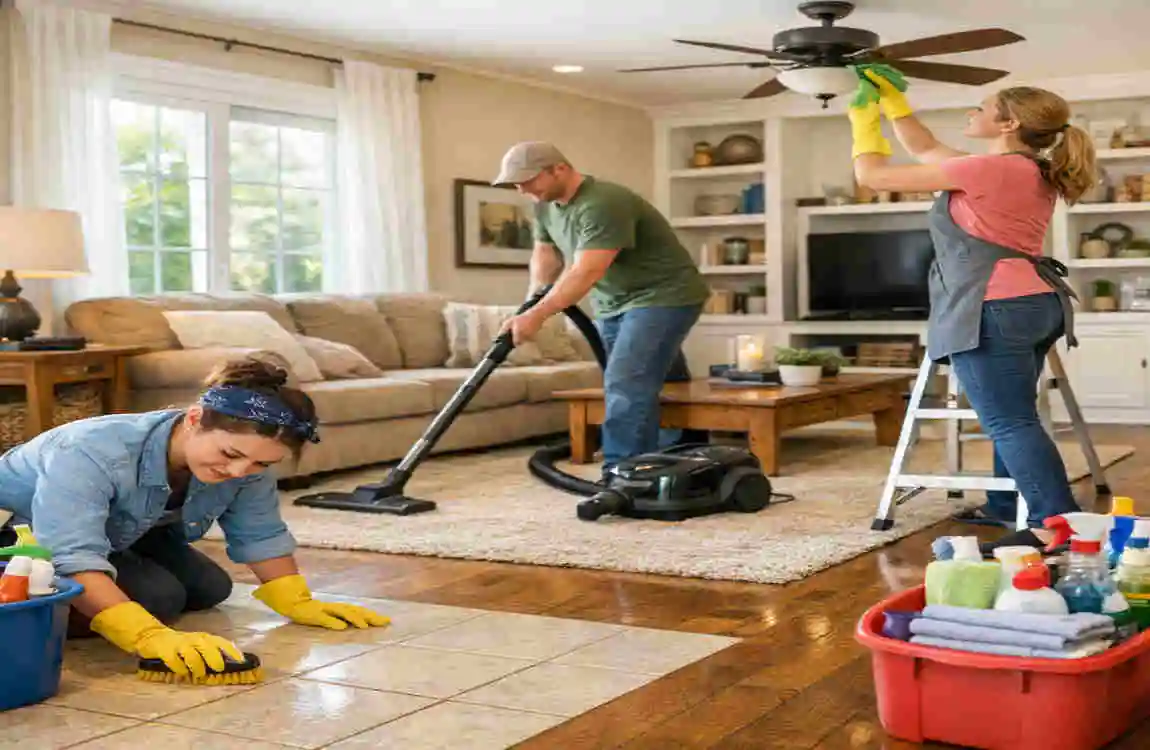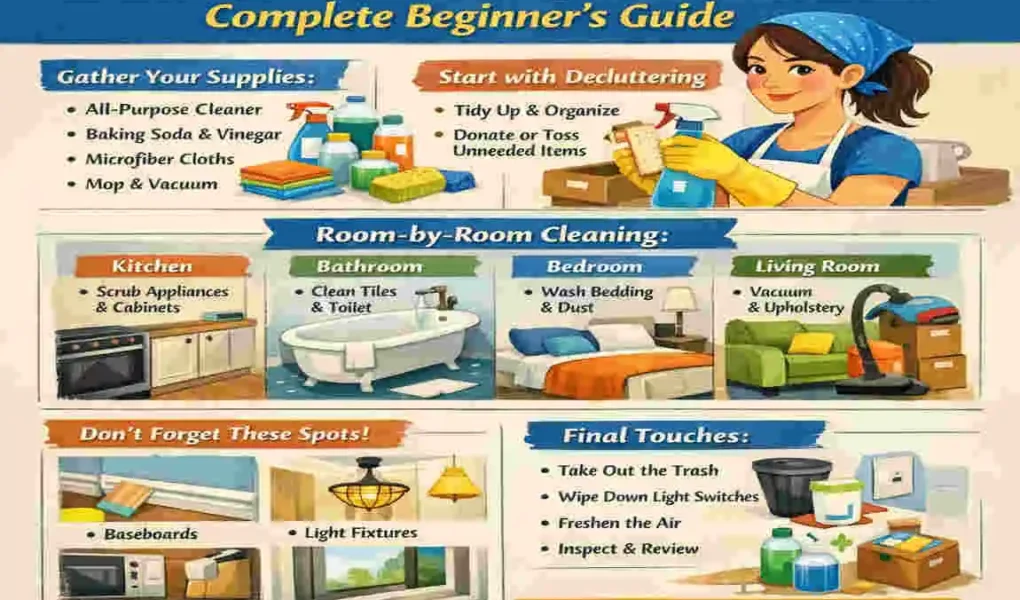
That is exactly why learning how to deep clean house the smart way matters so much. A deep clean is not just about making things look nice for a day. It helps remove hidden dirt, reduce allergens, improve the air in your home, and make your space feel calm again. It can even help protect furniture, floors, and fixtures, prolonging their lifespan.
The good news is that you do not need to deep-clean your entire home in one exhausting weekend. In fact, the easiest way to deep-clean a house is to break it into simple, manageable steps. When you clean room by room over 7 days, the work feels more realistic, and you are much more likely to finish it.
Essential Supplies for How to Deep Clean House Effectively

Before you start, gather your supplies in one place. This step saves a lot of time. Instead of running back and forth for tools, you can move from room to room with a small cleaning caddy and stay focused.
Here are the basic supplies you will want on hand:
- Microfiber cloths for dusting, wiping, and polishing without leaving lint behind
- All-purpose cleaner or a simple vinegar-and-water solution for many hard surfaces
- Baking soda for scrubbing, deodorizing, and lifting grime naturally
- Vacuum with attachments to reach corners, upholstery, vents, and under furniture
- Scrub brushes in different sizes for tile, grout, sinks, and tight spots
- Rubber gloves to protect your hands from harsh residue and hot water
- Trash bags for decluttering and tossing old items as you go
- Mop and bucket for hard floors
- Glass cleaner or a streak-free homemade mix for mirrors and windows
- Ladder or step stool for ceiling fans, top shelves, and light fixtures
If you prefer eco-friendly cleaning, you can do a lot with vinegar, baking soda, mild dish soap, and warm water. These work well for many jobs and help reduce strong chemical smells in your home.
One simple tip can make a huge difference: build a portable cleaning caddy. Keep your cloths, sprays, brushes, and gloves inside it. When you understand how to deep clean house, you quickly realize that efficiency matters just as much as effort.
7-Day Deep Cleaning Schedule: Your Step-by-Step Roadmap
The easiest way to master deep cleaning a house is to follow a clear daily plan. Instead of jumping from task to task, you focus on one zone each day and make steady progress.
Here is a simple schedule you can follow:
Day Focus Areas Estimated Time
1 Kitchen 4–5 hours
2 Bathrooms 3–4 hours
3 Bedrooms 4 hours
4 Living Room & Dining 4 hours
5 Home Office/Guest Room 3 hours
6 Floors, Walls & Baseboards 5 hours
7 Final Touches & Maintenance 2–3 hours
Before each day starts, remove clutter first. It is much easier to clean surfaces when you are not working around piles of paper, toys, dishes, or random items.
Also remember this golden rule: work from the top down. Dust ceiling fans and shelves first. Wipe tables and counters second. Vacuum or mop floors last. That way, dirt falls downward and gets cleaned only once.
And yes, motivation matters. Turn on music, open the windows when possible, and set a timer if that helps you stay moving. Once you see visible progress, learning to clean your house deep starts to feel rewarding rather than stressful.
Kitchen Deep Clean – Tackle Grease and Grime

The kitchen deserves day one because it is one of the hardest-working rooms in any home. It also holds some of the biggest messes. Grease, crumbs, spills, food odors, and bacteria can build up fast, even when your kitchen looks clean at first glance.
If you want to know how to deep-clean a house, start with the areas where hygiene matters most.
Declutter Counters and Empty Problem Areas
Begin by clearing off the counters. Remove small appliances, paper stacks, spice jars, fruit bowls, and anything else sitting out. Wipe everything before putting it back.
Next, go through one cabinet or drawer at a time. Toss expired food, mismatched containers, broken utensils, and items you never use—a deep clean works best when you pair cleaning with light organizing.
Wipe the inside shelves with a damp microfiber cloth and a gentle cleaner. Pay close attention to crumbs in corners and sticky spots near oils, sauces, or baking supplies.
This first step matters more than people think. When you learn how to deep clean house, you realize clutter hides dirt.
Deep Clean Major Appliances
Now move on to your appliances. These often hold the most grime.
For the refrigerator, empty the shelves, toss expired items, and remove drawers if possible. Wash shelves and bins in warm, soapy water. Wipe the inside walls and dry everything before restocking. If odors linger, place an open box of baking soda inside.
For the microwave, heat a bowl of water with lemon slices or vinegar for a few minutes. The steam will loosen dried splatters. Then wipe the inside thoroughly.
For the oven, use your preferred cleaner or a baking soda and water paste. Let it sit before scrubbing. Focus on baked-on grease around the door and racks.
Do not forget the dishwasher. Clean the filter, wipe the rubber seals, and run a hot cycle with a dishwasher-safe cleaner or vinegar to freshen the interior.
Scrub the Sink and Fixtures
The kitchen sink can look shiny but still hold hidden residue. Scrub the basin with baking soda to lift stains and remove odor. Use a toothbrush or a small scrub brush to clean around the faucet base, drain edge, and seams.
If mineral buildup is present, soak a cloth in vinegar and wrap it around the faucet for a while. That helps loosen hard water deposits and makes polishing easier.
A fresh sink changes the whole room. It is one of those small wins that make the deep cleaning of the house feel immediately worth it.
Wipe Cabinets, Handles, and Backsplashes
Cabinet fronts collect grease, fingerprints, and food splashes, especially near the stove and trash area. Use a degreasing cleaner or warm soapy water to wipe all surfaces.
Pay extra attention to handles, knobs, and drawer pulls. These get touched every day and often get skipped during regular cleaning.
Then clean the backsplash. Even a quick wipe here can remove a surprising amount of hidden grime.
Finish the Kitchen Floor
Leave the floor for last. Vacuum or sweep under chairs, along edges, and beneath movable items. Then mop thoroughly, especially near the stove, sink, and refrigerator.
If you want a simple visual reward, take a before-and-after photo. The kitchen often shows the biggest difference in a full room-by-room deep clean.
If this part feels like too much, this is also the stage where many homeowners decide to call in professional help for a one-time kitchen reset.
Bathroom Blitz – Sanitize Every Surface
Bathrooms need close attention because moisture creates the perfect environment for soap scum, mildew, and bacteria. If you are serious about deep cleaning your house, this room cannot be rushed.
Open a window or run the exhaust fan before you begin. Good ventilation makes the job safer and more comfortable.
Scrub the Shower and Tub
Start with the shower walls, tub, and door. Spray the surfaces, then let the cleaner sit to break down soap scum and hard-water stains.
Use a scrub brush for corners, grout lines, and around the drain. If you want a gentler option, baking soda and dish soap can work well for many tubs and shower surfaces.
Check the shower curtain or liner too. If it is washable, run it through the laundry. If it is beyond saving, replace it.
A clean shower instantly makes the bathroom feel fresher and more cared for.
Sanitize the Toilet and Sink
Apply toilet cleaner to the inside of the bowl and let it sit while you clean the outside. Wipe the tank, handle, seat, lid, base, and the floor around it. Pay close attention to hinges and the area behind the toilet, where dust and grime collect quietly.
Then clean the sink basin, faucet, and countertop. Toothpaste spots, makeup residue, and water marks build up faster than most people notice.
When people ask how to deep-clean a house without missing anything, the answer is simple: always clean the hidden spots, too.
Polish Mirrors and Refresh Grout
Use a streak-free cloth to clean mirrors from top to bottom. For tile grout, scrub with a grout brush and a safe cleaning solution. If you have a steam cleaner, this is a great place to use it.
Small details like bright grout and clear mirrors make a bathroom look much newer, even if you did not change a single decoration.
Wash Linens and Empty Trash
Remove and wash bath mats, hand towels, shower towels, and washcloths. Replace them with fresh, dry linens.
Then empty the trash, wipe the can, and add a clean liner. A bathroom may be spotless, but if the trash can is dirty, the whole room still feels off.
Bathroom day may not be glamorous, but it is one of the most important parts of learning how to deep clean house the right way.
Bedrooms – Restore Peaceful Retreats
Your bedroom should help you rest, not remind you of chores. Dust, clutter, and hidden allergens can make the space feel stuffy and unsettled. A proper bedroom reset can improve comfort and even support better sleep.
This step in how to deep clean house is less about heavy scrubbing and more about creating a calm, breathable space.
Strip the Bed and Freshen the Mattress
Remove all bedding, including sheets, pillowcases, duvet covers, blankets, and the mattress protector. Wash everything according to care labels.
While the bed is bare, vacuum the mattress surface using an upholstery attachment. Focus on seams and edges where dust can collect. If needed, sprinkle a little baking soda over the mattress, let it sit, and vacuum again to help reduce odor.
Rotate or flip the mattress if your type allows it. This simple habit supports comfort and helps the mattress wear more evenly.
Declutter Closets and Drawers
Go through clothing, shoes, and accessories with a simple question: do you wear it, need it, or love it? If not, donate or store it elsewhere.
Wipe closet shelves, drawer interiors, and hamper surfaces. Dust gathers fast in bedrooms, especially in fabric-heavy areas like closets.
If seasonal items are mixed, sort them now. Bedrooms feel more peaceful when you can actually find what you need.
Dust Windows, Blinds, and Surfaces
Clean the inside of the windows, wipe the sills, and dust the blinds or shades. If the curtains are washable, launder them; if not, at least vacuum them.
Then move to dressers, nightstands, lamps, frames, and headboards. Use a microfiber cloth that traps dust instead of spreading it around.
When people think about how to deep-clean their house, they often focus on the kitchen and bathroom first. But bedrooms deserve equal care because dust and allergens settle there every day.
Vacuum Under the Bed and Behind Furniture
This is the step many people avoid. It is also where much of the hidden dust lives.
Pull out what you can and vacuum under the bed, behind nightstands, and along baseboards. If you store items under the bed, remove them, clean the floor, and wipe the bins before sliding them back.
To make the room feel even better when you finish, add a soft touch like fresh air, clean curtains, or a light calming scent. A clean bedroom should feel like an exhale.
Living Room & Dining Deep Clean
The living room and dining area often collect the most daily wear. These are the spaces where people gather, eat, relax, watch TV, drop bags, and move through the most. That means they need more than a quick tidy.
If you are still working through how to deep-clean your house, this is the day when your home starts to feel truly transformed.
Refresh Upholstery and Soft Surfaces
Start with sofas, chairs, throw pillows, and rugs. Remove cushions if possible and vacuum every surface, including under the cushions and along seams.
If your upholstery allows it, spot clean stains carefully. For rugs and fabric surfaces, a light sprinkle of baking soda can help absorb odors. Let it sit for a bit, then vacuum thoroughly.
Wash removable pillow covers and throws. Clean soft surfaces make the room feel instantly fresher.
Wipe Electronics and Entertainment Areas
Dust builds up quickly around TVs, speakers, remotes, gaming systems, and cords. Use a dry or barely damp cloth for screens and delicate surfaces. Compressed air can help with vents and tight crevices.
Also wipe media stands, shelves, and any surfaces around electronics. These spots often collect a fine layer of dust that is easy to ignore until sunlight hits it.
This part of how to deep clean house is important because electronics attract dust and can make a room feel stale fast.
Dust Shelves, Decor, and Hard-to-Reach Areas
Take everything off shelves before wiping them down—clean picture frames, lamps, candles, decorative bowls, and books. A lot of people dust around decor instead of underneath it, but a true deep clean means moving things.
This is also a good time to make a few changes to the room. If a shelf looks crowded, remove a few items. Cleaner surfaces always look better and are easier to maintain.
Then check high corners, curtain rods, vents, and ceiling edges. Cobwebs have a way of hiding until guests notice them first.
Clean the Dining Table and Chairs
Dining chairs collect crumbs, fingerprints, and fabric dust. Wipe wood or metal frames and vacuum upholstered seats.
For the dining table, use the right cleaner for the surface. Wood often needs a gentle cleaner and occasional polish. Glass needs a streak-free finish. Pay attention to table legs and chair backs, not just the top surface.
By the time you finish this day, your main gathering spaces should feel lighter, brighter, and more welcoming. That is a big reward when you are working through how to deep-clean the house, one zone at a time.
Home Office or Guest Room Refresh
These rooms often become catch-all spaces. Papers pile up in the office. Extra items get pushed into the guest room. Because they are not used every day, they can quietly accumulate dust and clutter.
Still, they matter. A clean office helps you focus, and a fresh guest room makes visitors feel welcome.
Clean the Desk and Organize Tech
Start by removing everything from the desk. Wipe the surface, drawers, handles, and legs. Sort papers into clear groups: keep, shred, file, or toss.
Then untangle cords, wipe chargers, and organize cables so they stop looking messy. Dust computer monitors, keyboards, printers, and lamps carefully.
If you work from home, this is one of the most practical steps in deep cleaning your house, because a clean workspace supports a clear mind.
Dust Bookshelves and Storage Areas
Take books off the shelves and wipe both the shelves and the book spines. Dust storage baskets, file boxes, and decorative items too.
If this space doubles as a homework area or creative zone, clean markers, bins, supplies, and surfaces that are often touched.
Guest rooms may have fewer daily items, but they still need attention. Dust settles even in rooms that stay quiet most of the time.
Freshen the Bed and Final Details
In a guest room, wash the sheets, fluff the pillows, and vacuum under the bed. Wipe nightstands, lamps, and mirrors. Empty any hidden trash and make sure drawers or closet space feel neat and usable.
If you are adapting this room for a child instead, the same idea applies. Clean surfaces, reduce clutter, and make the space easier to use every day.
Learning how to deep clean house means paying attention to every room, not just the most obvious ones.
Floors, Walls, and Baseboards – The Heavy Hitters
This is the big finish. Floors, walls, baseboards, fans, and light fixtures are often skipped during regular weekly cleaning. Yet they hold a surprising amount of dust and marks.
If you want to understand how to deep-clean a house fully, this day is when the hidden grime finally disappears.
Wipe Down Walls and Remove Scuffs
Start by lightly dusting the walls with a dry microfiber mop or cloth. Then spot clean marks, fingerprints, and scuffs with a gentle cleaner. A magic eraser can help, but test it first in an unseen spot so you do not damage the finish.
Pay attention to high-touch areas like hallways, near light switches, around door frames, and by stair railings.
Walls may not seem dirty until you clean them. Then the difference becomes obvious.
Detail Baseboards and Trim
Baseboards collect dust, pet hair, and grime quietly over time. Use a vacuum brush attachment first, then wipe with a damp cloth.
Move around the whole house methodically. Door trim, window trim, and crown molding deserve a quick pass too.
This is one of the most overlooked steps in deep cleaning a house, but it gives your home that polished, finished look.
Deep Clean Every Floor Type Properly
Vacuum carpets slowly and thoroughly, especially along edges and under furniture. If carpets need more help, use a carpet cleaner or shampoo method suited to the material.
For hardwood, use a wood cleaner and avoid soaking the floor. For tile, mop carefully and scrub grout where needed. For laminate, use minimal water and the right cleaning solution to prevent damage.
The key here is not just cleaning the middle of the room. Go after the corners, under furniture, along walls, and behind doors.
Don’t Forget Ceiling Fans and Light Fixtures
Dust ceiling fan blades before cleaning floors so fallen dust does not undo your work. Wipe light fixtures, lamp shades, vents, and air returns.
These upper surfaces collect dirt, which spreads throughout the room over time. Once they are clean, the whole house feels fresher.
Day six can be tiring, but it is also when your full deep cleaning checklist starts to show in every single room.
Final Deep Clean Touches and Weekly Maintenance Plan
You made it to day seven. Now it is time to walk through your home and catch anything that got missed.
Check mirrors for streaks, counters for clutter, corners for dust, and floors for spots that need one more pass. Fluff pillows, straighten rugs, and return only the items that truly belong in each room.
This final review matters because it turns a good clean into a complete one. It also helps you see how far you have come.
Once you know how to deep clean house, the next step is keeping it that way. The easiest method is to create a simple weekly rhythm. Wipe bathrooms once a week, vacuum high-traffic areas often, and rotate small tasks like dusting blinds or cleaning the fridge. A little upkeep prevents another overwhelming reset later.
Seasonal checks also help. Every few months, revisit the areas that get dirty fastest. Kitchens, bathrooms, and entryways usually need the most attention.
A full deep clean is not just about appearance. It gives you a home that feels easier to live in every day.
Common Deep Cleaning Mistakes to Avoid
Even with the best plan, a few mistakes can slow you down or make the job harder. If you want better results while learning how to deep clean house, avoid these common problems:
- Skipping decluttering first so you waste time cleaning around items instead of cleaning properly
- Using the wrong product on the wrong surface, especially on wood, stone, stainless steel, or screens
- Cleaning floors first and then knocking dust down from shelves, fans, and counters afterward
- Rushing through one room to move on, which usually means hidden dirt stays behind
- Forgetting high-touch areas like handles, switches, remotes, faucet bases, and door frames
- Using too much water on floors, wood furniture, or delicate surfaces
- Trying to do everything in one day, which often leads to burnout and unfinished work
Deep cleaning works best when you stay patient and methodical. Slow and steady almost always beats fast and frustrated.
FAQs: How to Deep Clean House Quick Answers
How long does a full house deep clean take?
For most homes, a proper deep clean takes anywhere from one full weekend to a full week. That depends on the size of the home, how long it has been since the last big clean, and how much clutter you need to sort first. That is why a 7-day plan works so well. It makes the ‘how to’ deep-clean-a-house feel realistic.
What are the best eco-friendly deep cleaning options?
You can clean many surfaces with simple ingredients like vinegar, baking soda, warm water, and mild dish soap. These are great for deodorizing, lifting grease, and handling many everyday messes. Just make sure you check surface compatibility before using natural cleaners everywhere.
How do I deep clean with pets or kids in the house?
Work in one room at a time and keep supplies stored safely out of reach. Vacuum more often if you have pets, especially around baseboards, under furniture, and on upholstery. Wash pet bedding and soft toys during the process too. If you have young children, choose gentler products and focus on high-touch surfaces.