Building your own home can feel exciting, and a little overwhelming too. You get the chance to create a space that fits your life, your taste, and your budget. That is a big deal.
If you are wondering how to buy land and build a house, you are already thinking smartly. Buying land first gives you more control over the design, the location, and the long-term value of your home. It also lets you plan the project step by step instead of settling for a house that is already built.
Of course, this process is not as simple as picking a lot and starting construction the next day. You need to understand budget planning, land checks, financing, permits, and the actual building process. If you skip the important steps, costs can rise fast, and delays can pile up.
Why Buy Land and Build a House?
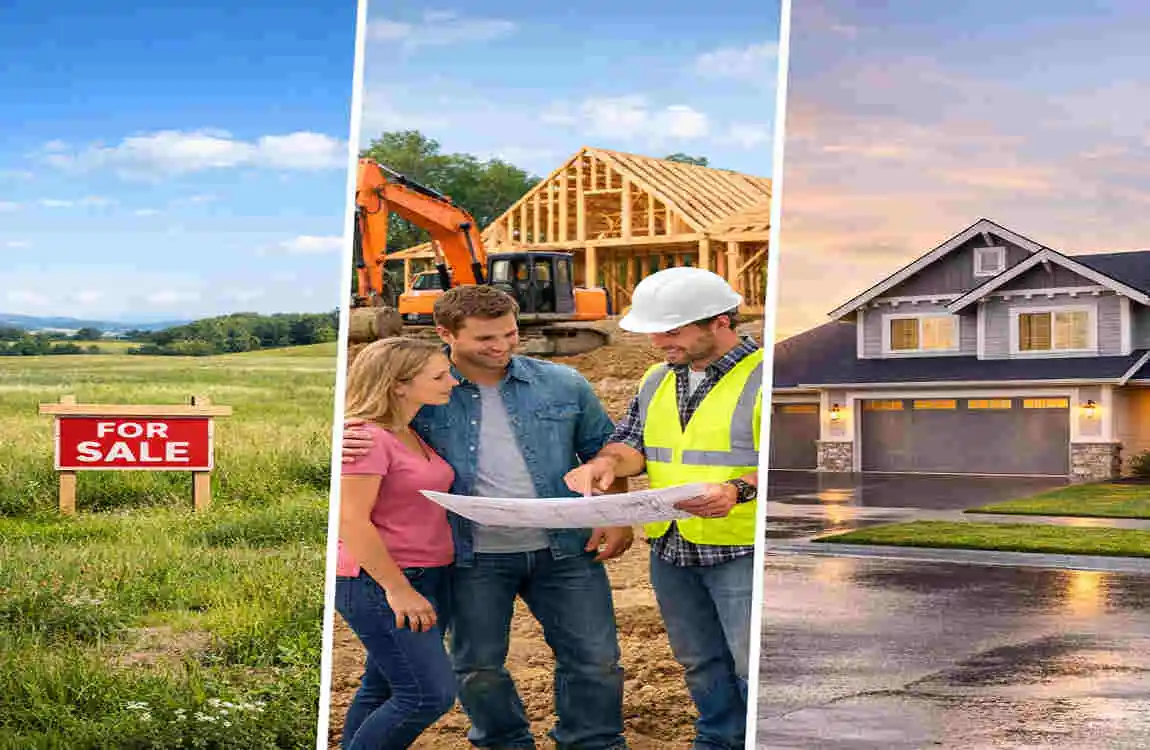
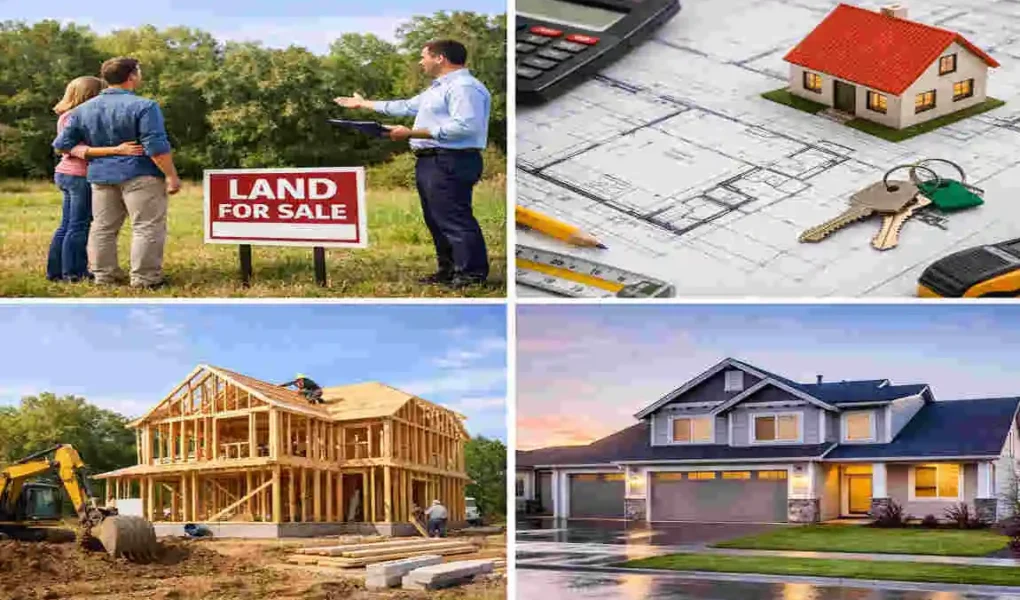
Buying land and building a home is not for everyone, but it can be a very smart move. The biggest reason is simple: you get more control. Instead of adjusting your life to fit a home that already exists, you design a home that fits your needs from the start.
Advantages Over Buying an Existing Home
When you buy an existing home, you often accept the layout, finishes, and style that come with it. Maybe the kitchen is too small. Maybe the bedrooms are in the wrong place. Maybe the house needs repairs right away.
When you build, you can avoid many of those problems. You choose the number of rooms, the flow of the house, and the features that matter most to you. That can save time and stress later.
You also get the chance to build to modern standards. That often means better insulation, more efficient windows, and updated systems from day one.
Freedom to Customize Your Home
This is one of the biggest benefits. You can decide how you want to live, then build around that.
Want a large open kitchen? You can have it. Need a home office, a guest room, or a bigger garage? You can plan for it. If you have a growing family, you can also think ahead and design spaces that will still work years from now.
That kind of freedom is hard to match when you buy a used house.
Better Long-Term Value
A well-planned new home can hold strong value over time. Why? Because newer homes usually need less repair, and buyers often like modern layouts and energy-saving features.
If you choose a good location and build with care, your home can become a strong long-term investment. The key is to balance your dream features with practical choices that will still appeal to future buyers.
How to Buy a Land and Build a House Step by Step
Now let’s get into the real process. If you want to know how to buy a land and build a house, it helps to follow a clear path. That way you stay organized and avoid expensive mistakes.
Determine Your Budget
Before you look at land, you need a full budget. Many people focus only on the lot price, but that is just one piece of the puzzle.
Your budget should include:
- Land cost
- Construction cost
- Utility installation
- Permit fees
- Emergency fund
That last item matters a lot. A reserve fund helps cover unexpected costs such as soil issues, price increases, or design changes.
Try to be realistic here. It is always better to plan a little high than to run out of money halfway through the project.
Choose the Right Location
Location affects everything. It changes your daily life, your land price, your property taxes, and your future resale value.
Look at the neighborhood carefully. Check the schools, shopping, traffic, and nearby services. Also think about future growth. If an area is developing quickly, that may help your investment later.
Property taxes matter too. A cheaper lot can sometimes end up costing more over time if taxes are high. So do not judge the land by price alone.
Find the Right Plot of Land
Not every empty lot is ready for a house. Some lots look great at first but come with hidden problems.
You should check for:
- Residential zoning
- Soil quality
- Flood risk
- Road access
- Utility availability
These details can affect whether you can build at all, and how much the project will cost. A lot with no utility access, for example, may seem affordable but can quickly become expensive.
Inspect the Land
Never buy land without a proper inspection process. This step helps you understand what you are really buying.
A boundary survey shows the exact property lines. Soil testing tells you if the ground can support your home. Environmental checks may reveal drainage problems or restrictions.
You also need to look for easements and limitations. An easement can give someone else the right to use part of your land, such as for a utility line or access road. That may not be a dealbreaker, but you should know about it before buying.
Secure Financing
Most buyers need some loan to buy land and build a house. The financing process can differ from that of a typical home loan, so you need to plan accordingly.
Common options include:
- Land loans
- Construction loans
- Construction-to-permanent loans
- Down payment requirements
A land loan helps you buy the lot. A construction loan helps pay for building. A construction-to-permanent loan can combine both steps into one package, which many buyers find easier.
Lenders usually require a larger down payment for land and construction loans than for a regular home purchase. That is why early budgeting matters so much.
Legal Requirements Before Buying Land
Before you sign anything, make sure the land is legally ready for your plans. This part may not feel exciting, but it protects you from serious problems later.
Verify Ownership
You need to confirm that the seller really owns the land and has the right to sell it. This sounds basic, but mistakes can happen. Title records, ownership documents, and sale history all matter here.
Check Zoning Laws
Zoning rules decide how land can be used. Some land is residential, some is commercial, and some has restrictions on what kind of home you can build.
If the zoning does not match your plan, you may not be able to build the home you want. Always confirm this before you buy.
Review Building Restrictions
Even if the land is zoned for a house, there may still be rules about size, height, setbacks, or exterior style. These limits can come from local codes or from private property rules.
This is why it helps to ask detailed questions early. You want to know what is allowed before you commit.
Understand HOA Rules
If the land is in a neighborhood with a homeowners association, you must follow HOA rules. These rules may cover everything from fence height to exterior paint colors.
Some people like HOA communities because they can help keep the area neat. Others find them too restrictive. Either way, you should know the rules in advance.
Title Search and Insurance
A title search checks for ownership problems, unpaid debts, or claims tied to the land. Title insurance helps protect you if a hidden issue appears later.
This step is easy to overlook, but it is very important. It gives you more peace of mind and helps avoid legal trouble.
Planning Your Dream Home
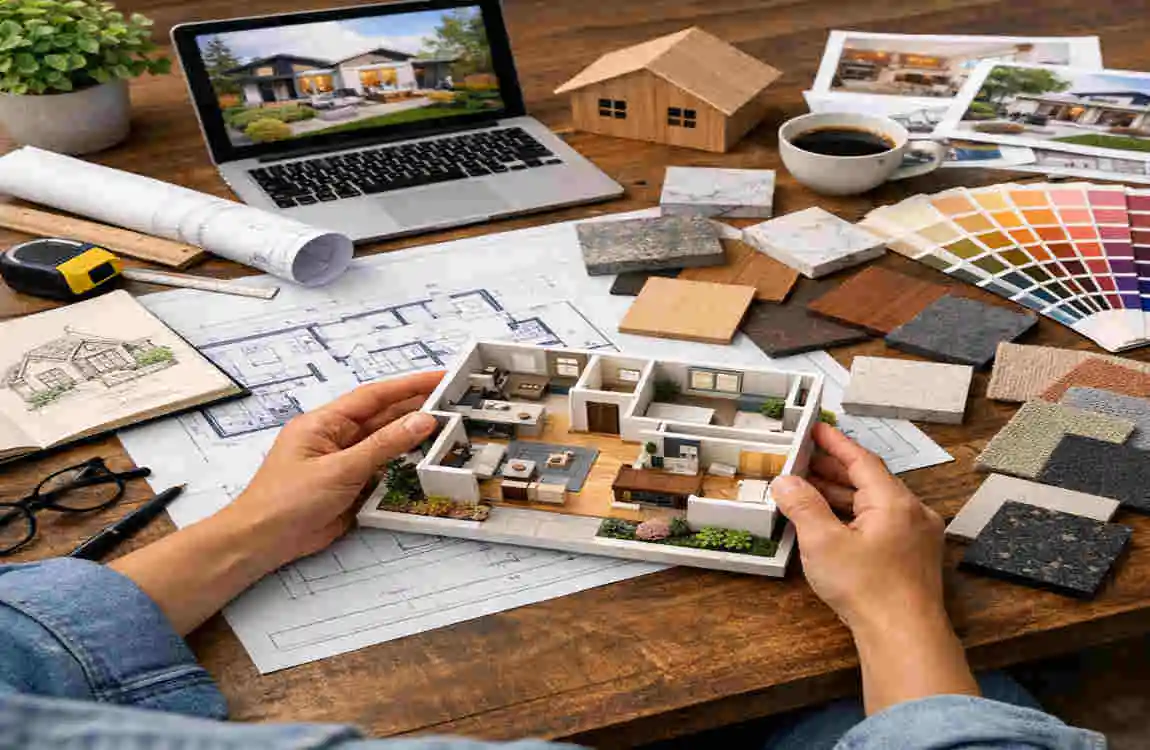
Once you have the land and financing ideas in place, it is time to think about the home itself. This is where your vision starts becoming real.
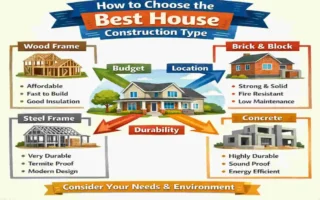
Choosing the Right House Design
Start with your lifestyle. Do you want an open floor plan? Do you need a home office? Do you cook often and want a large kitchen?
Your design should match how you live every day. A beautiful house is great, but it should also be practical. Think about traffic flow, storage, sunlight, and privacy.
Selecting House Size
Bigger is not always better. A large home costs more to build, heat, cool, and maintain. It also takes more land.
Choose a size that fits your family and your budget. A well-designed smaller home can feel more comfortable than a larger one with wasted space.
Energy-Efficient Features
Smart design can save you money for years. Good insulation, efficient windows, better sealing, and modern appliances all help lower energy use.
These features may cost more upfront, but they often pay off with lower utility bills. That makes them worth considering early in the design process.
Future Expansion Planning
Life changes. Your family may grow, your work may change, or you may need extra space later.
That is why it helps to plan for future expansion. You might leave room for an extra bedroom, a larger garage, or even a second floor later on. Thinking ahead can save you from major changes down the road.
Hiring Professionals
You do not need to do this alone. In fact, trying to handle every part yourself can lead to costly mistakes. The right team makes the process smoother and safer.
Architect
An architect helps turn your ideas into working plans. They focus on layout, structure, and design. If you want a custom home, this role can be very helpful.
Home Designer
A home designer also helps shape the plan, often with a more practical focus. They may be a good choice if you want a beautiful home without going into highly complex design work.
General Contractor
The general contractor manages the building process. They coordinate workers, materials, and schedules. This is one of the most important people on your team because they keep the project moving.
Surveyor
A surveyor measures the land and confirms the boundaries. This helps avoid legal disputes and ensures the home is placed correctly on the lot.
Structural Engineer
A structural engineer checks that the home can safely support its weight and withstand local conditions. This is especially important if the land has challenging soil or if the home design is complex.
Building Permit Process
Permits may feel slow and frustrating, but they are necessary. They help make sure your home meets safety and building standards.
Required Documents
You will usually need site plans, building plans, ownership records, and other local forms. The exact list depends on your city or county.
Permit Timeline
Permit approval can take time. Some projects move quickly, while others take weeks or even months. The more complete your application is, the smoother the process usually goes.
Local Building Codes
Building codes set standards for safety, structural integrity, electrical systems, plumbing, and more. Your design and construction team must follow them carefully.
Inspection Requirements
During construction, inspectors may visit the site at different stages. They check the foundation, framing, wiring, plumbing, and final work. These inspections protect you by making sure the home is built properly.
House Construction Process
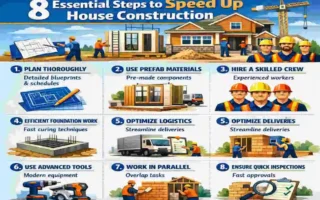
After the planning and permits are finished, the real building begins. This stage has many parts, and each one matters.
Site Preparation
The land must be cleared and prepared. That may include removing trees, leveling the ground, and setting up access for workers and materials.
Foundation
The foundation supports the entire house. It must be strong and correctly built. If this part is done poorly, it can cause major problems later.
Framing
Framing gives your home its shape. This is when walls, floors, and roof structure start to appear. It is often the stage where the house begins to feel real.
Roofing
The roof protects the home from weather. Good roofing matters a lot because it keeps water out and helps control indoor temperatures.
Plumbing & Electrical
Plumbing brings water in and out of the house. Electrical work powers lights, appliances, and outlets. These systems need to be installed carefully and safely.
HVAC Installation
HVAC stands for heating, ventilation, and air conditioning. This system keeps the home comfortable in different seasons. In simple terms, it helps you stay cool in summer and warm in winter.
Insulation
Insulation helps control temperature and reduce energy waste. A well-insulated home is usually more comfortable and cheaper to run.
Drywall
Drywall covers the walls and ceilings, giving the home its smooth interior surfaces. Once this stage is complete, the rooms start to look much more finished.
Interior Finishing
This is where the details come in. Cabinets, paint, flooring, trim, fixtures, and appliances all go in here. This stage has a big effect on how your home looks and feels.
Exterior Landscaping
Landscaping may come at the end, but it still matters. A clean yard, driveway, and walkway help complete the home and improve curb appeal.
Estimated Costs
Costs vary a lot depending on the land, design, and location. Still, it helps to have a general idea before you start.
Expense Estimated Cost
Land Purchase Varies by location
Site Preparation Moderate
Foundation High
Construction Highest expense
Utilities Moderate
Permits & Fees Low to Moderate
Landscaping Optional
Construction is usually the biggest expense. Land may also be a major cost depending on where you buy. That is why it is important to build a realistic budget early, not just a hopeful one.
Common Mistakes to Avoid
Many first-time buyers make the same mistakes. You can save time, money, and stress by avoiding them.
Buying Land Without Inspections
A lot can look perfect on the surface but hide serious issues underneath. Never skip inspections to move fast.
Ignoring Zoning Restrictions
If you do not check zoning, you may buy land you cannot use the way you want. That can be an expensive mistake.
Underestimating Construction Costs
Many people forget about the full picture. They plan for the house but not for fees, utilities, site prep, and changes.
Skipping Title Insurance
This can leave you exposed to ownership disputes or hidden claims. It is a small step that can save a lot of trouble.
Hiring Unlicensed Contractors
A low bid can be tempting, but unlicensed work can create legal and safety problems. Always check credentials.
Not Planning for Unexpected Expenses
There is almost always something extra. Soil issues, material price changes, or weather delays can add costs. A backup fund is a must.
Expert Tips for First-Time Buyers
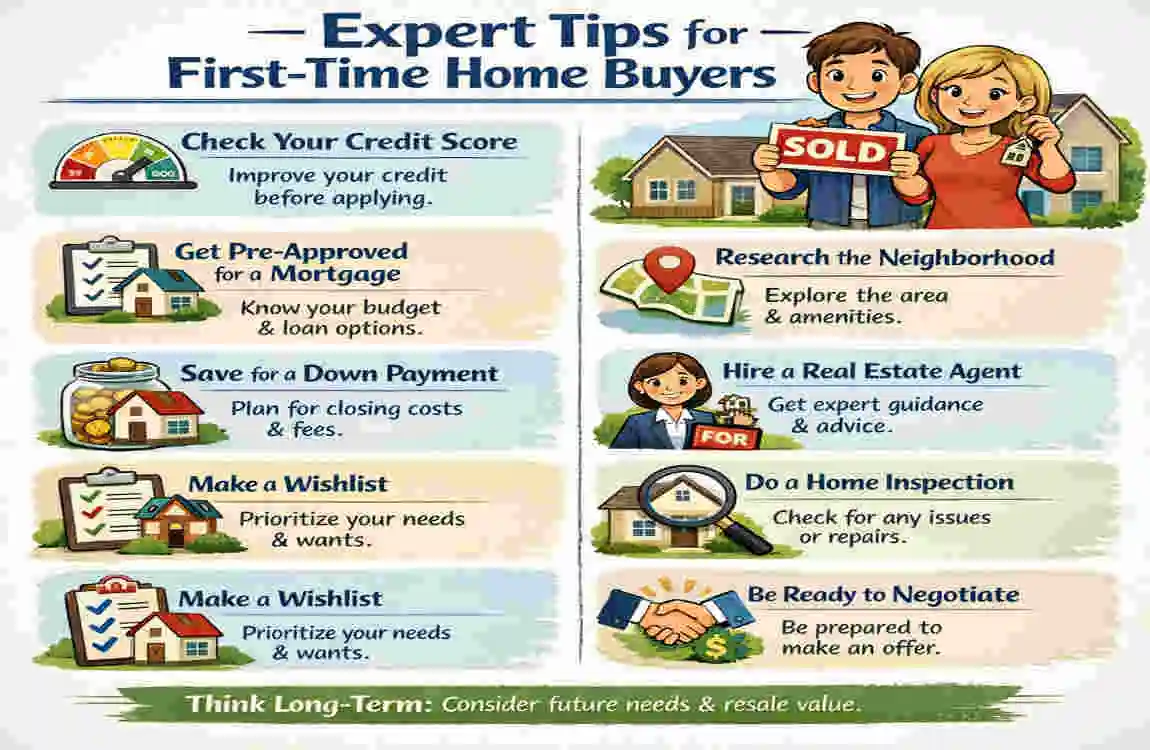
If this is your first time buying land and building, keep things simple and smart. A little extra planning goes a long way.
Compare Multiple Land Listings
Do not rush into the first lot you like. Compare several options so you understand pricing, location, and trade-offs.
Visit the Property Several Times
A lot can look different in the morning, at night, or after rain. Visiting more than once helps you spot problems you may miss the first time.
Work with Experienced Professionals
Choose people who have done this kind of work before. Experienced pros can help you avoid delays and costly errors.
Keep a Contingency Budget
This is your safety net. If something unexpected comes up, you will be ready.
Build with Future Resale Value in Mind
Even if you plan to stay for many years, resale still matters. Simple layouts, quality materials, and useful features often help value later.
Frequently Asked Questions (FAQ)
How do I buy land and build a house?
Start by setting a budget, choosing the right location, purchasing suitable land, securing financing, getting permits, and hiring qualified professionals to build the home.
Is it cheaper to buy land and build a house?
It can be, depending on land prices, construction costs, and your location. Building also gives you more control over design and materials.
What type of loan do I need?
Common options include land loans, construction loans, and construction-to-permanent loans.
How long does it take to build a house after buying land?
Most homes take about 6–12 months to build, though timing depends on design, permits, weather, and contractor availability.
What should I check before purchasing land?
Check zoning, property boundaries, utility access, soil conditions, flood risk, easements, and title ownership.
Can I buy land without planning permission?
Yes, but you should confirm that the land is zoned for residential use and that you can get the required building permits.
| Topic | Information |
|---|---|
| Purpose | Buy suitable land and build a custom home that fits your budget and lifestyle. |
| Set a Budget | Determine your total budget, including land, construction, permits, utilities, and unexpected costs. |
| Choose the Right Land | Look for land with good access, utilities, favorable zoning, and a safe location. |
| Verify Land Details | Check property boundaries, title, zoning laws, flood risks, and soil conditions before purchasing. |
| Purchase the Land | Complete the sale with a legal contract, title transfer, and property registration. |
| Create House Plans | Work with an architect or designer to develop plans that meet your needs and local building codes. |
| Obtain Permits | Secure all required building permits and approvals before construction begins. |
| Hire a Builder | Compare licensed contractors, review references, and sign a detailed construction agreement. |