When people think about home improvements, they usually focus on kitchens, wall paint, or new windows. But the roof often gets ignored until there is a problem. That is a mistake.
Your roof does more than sit atop your home. It protects everything inside it. It faces the sun, rain, wind, dust, and changing temperatures every single day. Over time, that wear can make it look tired and weak.
| Benefit | What it delivers | Typical cost (small–medium home, PK) | Visible timeline |
|---|---|---|---|
| Improved curb appeal | Fresh, uniform color; boosts resale and neighborhood look | PKR 35,000–120,000 | Same day to 2 days |
| UV & heat reflection | Lower attic temps; can reduce cooling load when using reflective paints | PKR 15,000–60,000 (special reflective coatings higher) | Immediate effect after paint cures (48–72 hrs) |
| Weatherproofing & protection | Seals minor cracks, prevents rust on metal, slows deterioration | PKR 20,000–80,000 | Immediate; full protection after curing |
| Extended roof life | Delays replacement by reducing wear from sun/water | PKR 0–10,000 yearly (maintenance) | Benefits accrue over 3–10 years |
| Cost-effective upgrade | Cheaper than re-roofing; good ROI for older roofs | Paint vs re-roof: paint ~10–30% of replacement cost | One-time project, repeat every 5–12 years |
| Environmental impact | Reduces waste by delaying replacement; reflective paints cut energy use | Varies by paint type; low-VOC options slightly costlier | Long-term reduction in energy use |
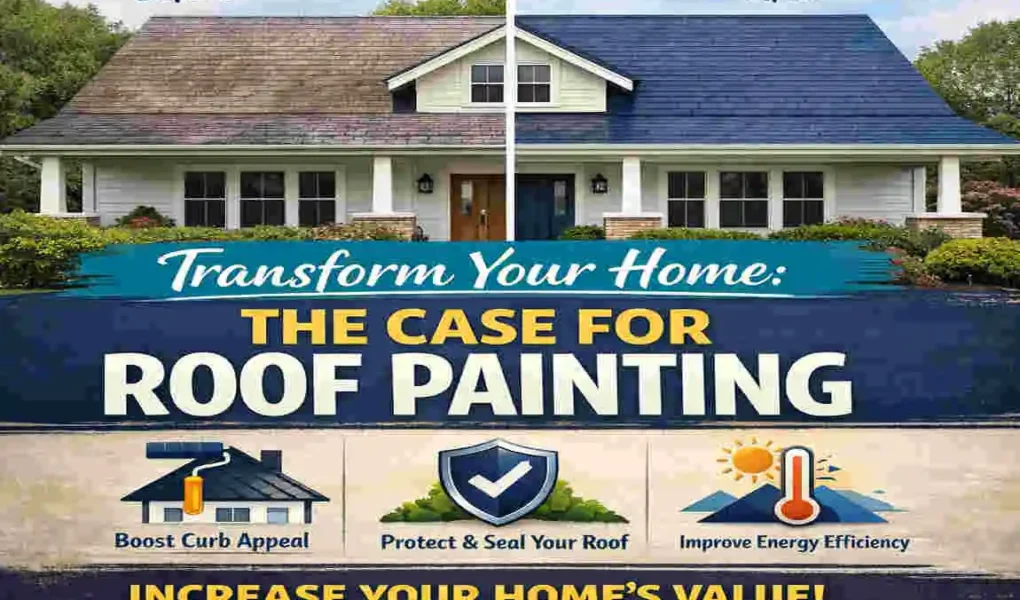
A fresh coat of roof paint can do much more than improve appearance. It can help protect the roof surface, reduce heat gain, slow down damage, and even support better energy savings. For many homeowners, it is a practical way to improve a home’s appearance and performance without paying for a full roof replacement.
What Is Roof Painting?
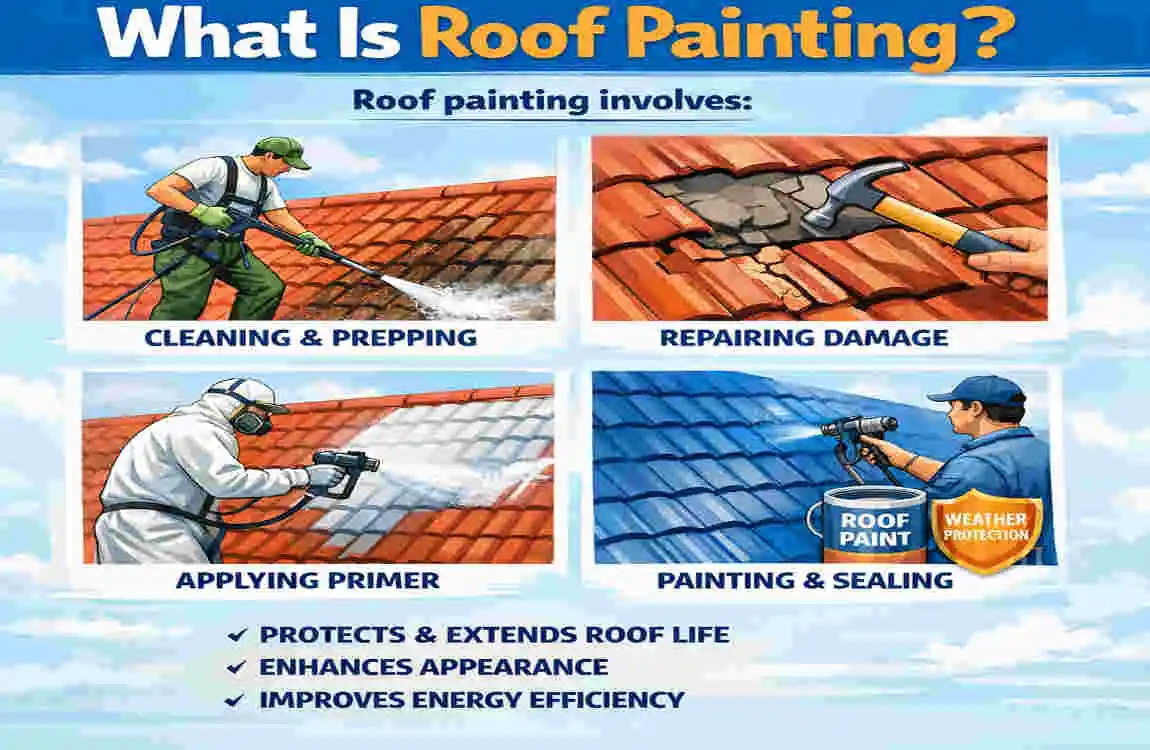
Roof painting is the process of applying a specialized paint or coating to a roof. The goal is not just to change the color. It is also to protect the roof from weather, moisture, heat, and wear.
Unlike regular wall paint, roof paint is designed to withstand harsh outdoor conditions. It needs to withstand strong sun, heavy rain, and temperature changes. That is why it is usually thicker, tougher, and more protective than standard paint.
Roof Painting vs Roof Coating
People often use the words roof painting and roof coating as if they mean the same thing, but there is a small difference.
Roof painting is often used for both aesthetic and protective purposes. It gives the roof a cleaner, fresher look while adding a layer of defense.
Roof coating is usually more focused on protection. It may be thicker and designed to help with waterproofing, heat reflection, or sealing small surface gaps.
In simple terms, paint is often more about beauty plus protection, while coating is often more about performance and sealing.
Types of Roof Paint
There are a few common types of roof paint and coatings. Each one has its own purpose.
- Acrylic roof paint is popular because it is flexible, durable, and easy to apply.
- Elastomeric coatings are thick and stretchy, which helps them cover small cracks.
- Reflective cool roof paint is designed to reflect sunlight and reduce heat.
- Waterproof sealants help protect against leaks and moisture damage.
The best choice depends on your roof type, your climate, and what you want the paint to do.
Roof Materials That Can Be Painted
Not every roof is the same. Some materials work better with paint than others.
Common roof materials that can often be painted include:
- Metal roofs
- Concrete tiles
- Asphalt shingles
- Clay tiles
Still, the roof should be in decent shape before painting begins. A damaged roof should be repaired first.
Why Would You Paint Your Roof? Top Reasons Homeowners Choose It
This is the big question, and it has many good answers. Roof painting is not just about making a roof look nicer. It can also improve protection, comfort, and long-term value.
Improves Curb Appeal
A roof is one of the first things people notice about a house. If it looks faded, stained, or worn out, the entire home can feel older than it really is.
A fresh coat of roof paint can make the roof look clean and renewed. That can instantly improve the way your home looks from the street.
If you are preparing to sell your home, this can matter a lot. Buyers often notice the roof right away, and a well-kept roof sends a strong message that the home has been cared for.
Protects Against Weather Damage
Your roof takes a beating from the weather year-round.
Strong sunlight can dry out materials and cause fading. Rain can seep into small gaps. Wind can wear away the surface. In colder climates, snow and ice can also put extra pressure on the roof.
Roof paint adds a protective layer that helps reduce this wear. It can help block UV rays, limit moisture penetration, and give the roof an extra shield against daily exposure.
Extends Roof Lifespan
Every roof has a lifespan, but smart maintenance can help it last longer.
Painting the roof can reduce surface wear and slow down the aging process. It helps protect against cracking, fading, and minor surface damage. That means your roof may stay in better shape for longer.
This does not mean paint can make an old roof brand new. But it can help preserve a roof that is still structurally sound.
Prevents Mold, Algae, and Mildew
Moisture and shade can create ideal conditions for mold, algae, and mildew to grow. This is especially common in damp or humid climates.
A painted roof can be easier to clean and maintain. Some coatings also help reduce moisture buildup, which makes it harder for growth to spread.
That matters because these problems do not just affect appearance. Over time, they can also weaken the roof surface.
Improves Waterproofing
Tiny cracks and surface gaps are common on older roofs. Even if they are small, they can let in water over time.
Roof paint or coating can help seal some of these minor problem spots. That improves waterproofing and lowers the chance of small leaks turning into bigger ones.
Of course, paint is not a cure for major roof damage. But it can be a helpful extra layer of protection when the roof is otherwise in good shape.
Supports Energy Efficiency
This is one of the biggest reasons homeowners choose roof painting today.
Some roof paints are designed to reflect sunlight rather than absorb it. That can help keep the home cooler, especially in hot weather. When the roof absorbs less heat, the inside of the house may stay more comfortable.
That can also reduce the load on your air conditioning system. In the long run, that may mean lower energy use and smaller utility bills.
Key Benefits of Roof Painting for Homeowners
Roof painting offers more than one kind of value. It helps with appearance, protection, comfort, and cost control.
Lower Energy Bills
Reflective roof paint can reduce heat absorption. That means less heat gets trapped in the home during hot days.
If you live in a warm climate, this can make a real difference. Even a small reduction in indoor heat can help your cooling system work less.
Adds Property Value
A clean, well-maintained roof can make a home more attractive to buyers.
People do not just buy a house. They buy peace of mind. If the roof looks cared for, buyers may feel more confident about the rest of the property too.
Delays Expensive Roof Replacement
Replacing a roof is one of the biggest home expenses many people face.
Roof painting is usually much cheaper than a full replacement. If your roof is still in fair condition, painting may help you get more years out of it before major work is needed.
Improves Structural Protection
Paint and coating can help protect roofing materials from corrosion, fading, and surface decay.
That is especially useful for metal roofs and surfaces exposed to harsh weather. Less decay often means fewer repairs over time.
Cost-Effective Home Improvement
Compared with many home upgrades, roof painting can offer a strong return on investment.
It improves appearance, protects the structure, and may lower energy costs. That makes it a practical choice for homeowners who want value without a huge project.
Does Roof Painting Really Save Money?
Yes, it can save money in several ways. The savings may not always be immediate, but they can add up over time.
Cost Comparison: Roof Painting vs Roof Replacement
Roof replacement is a major project. It usually costs much more than roof painting because it involves removing old materials and installing new ones.
Roof painting is a smaller investment. If the roof is still solid, painting may give you extra years of use at a much lower cost.
Reduced Repair Costs
A painted roof may be less likely to develop small cracks, surface wear, or moisture-related damage. That can reduce the chance of needing frequent repairs.
Even avoiding a few minor repairs can help make the project worthwhile.
Lower Cooling Expenses
Reflective coatings can reduce indoor heat buildup. That means your air conditioner may not have to work as hard.
In hot areas, this can lead to better comfort and lower electricity costs during warm months.
Better ROI for Homeowners
When you think about return on investment, roof painting often performs well because it combines practical benefits with visual improvement.
It is not just an expense. It is a maintenance step that can support both your home’s condition and its market value.
Option Upfront Cost Main Benefit Best For
Roof Painting Lower Appearance, protection, heat reflection Roofs in fair condition
Roof Coating Moderate Waterproofing and sealing Flat or weather-exposed roofs
Roof Replacement High Full structural renewal Severely damaged roofs
Best Roof Types for Painting
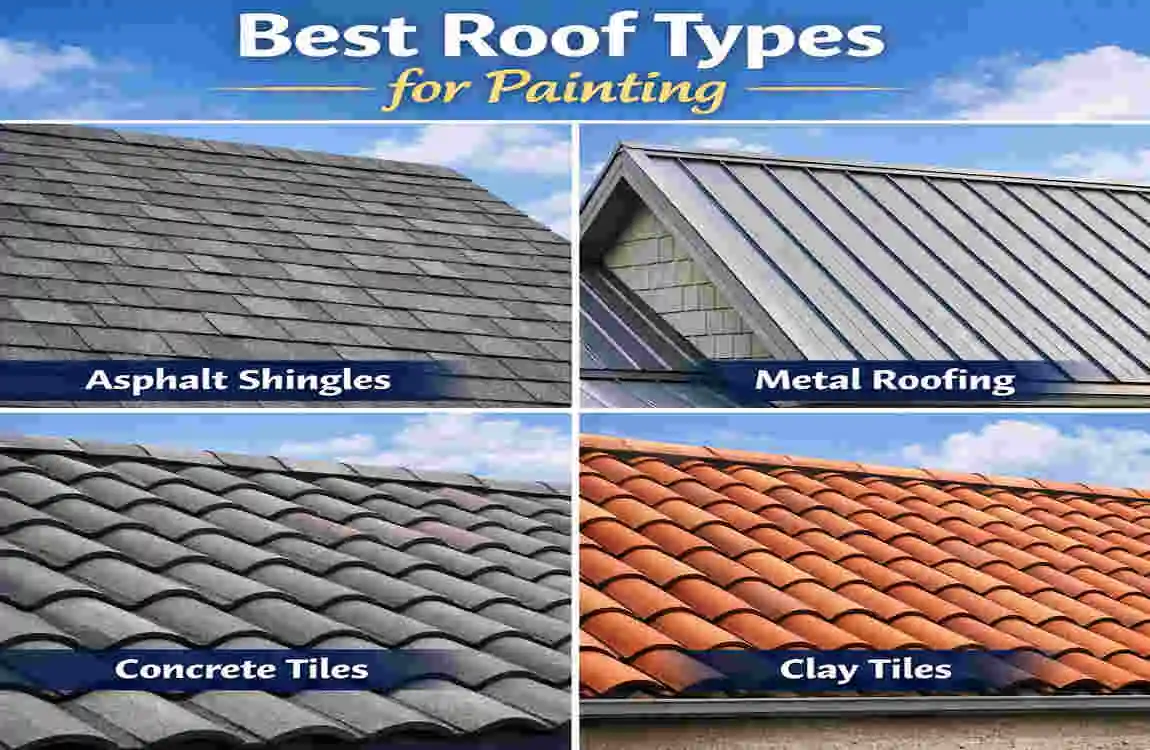
Not every roof is a perfect paint match, but many common roof types can be improved with the right product.
Metal Roofs
Metal roofs often benefit from painting because paint can help protect against rust and reflect heat.
This can improve both the look and the performance of the roof.
Concrete Tile Roofs
Concrete tiles can fade over time. Painting can refresh their appearance and help protect the surface from weather wear.
Terracotta or Clay Roofs
Clay roofs can sometimes be painted with the right type of coating. This may help improve weather resistance and give the roof a cleaner finish.
Flat Roofs
Flat roofs often benefit more from coatings than decorative paint. Waterproof products can help manage moisture and improve surface protection.
Roofs That Should Not Be Painted
Some roofs should not be painted, at least not right away.
Avoid painting roofs that have:
- Major leaks
- Severe structural damage
- Rotten decking
- Broken or loose roofing materials
- Very old shingles that are already failing
If the roof is damaged, repair comes before paint.
How Roof Painting Improves Energy Efficiency
A roof does not just protect your home. It also affects how much heat enters the house.
Heat Reflection
Reflective roof paints are designed to reflect sunlight rather than absorb it. That helps reduce heat buildup on the roof surface.
Indoor Comfort
When less heat enters the home, rooms may feel cooler and more comfortable during hot weather.
This can be especially helpful in top-floor rooms or homes with poor insulation.
Reduced Air Conditioning Costs
A cooler roof can mean less strain on your cooling system. Over time, that may help reduce energy usage.
Even small gains in efficiency can matter during long summer seasons.
Eco-Friendly Advantages
Using less energy is good for your wallet and the environment.
A more efficient roof can help lower your home’s carbon footprint by reducing the need for constant cooling.
How Long Does Roof Paint Last?
Roof paint does not last forever, but it can last a long time if applied correctly and maintained properly.
Average Lifespan
In many cases, roof paint lasts around 8 to 15 years. The exact time depends on the paint type, the weather, and the roof surface.
Factors That Affect Durability
A few things can shorten or extend the life of the paint:
- Climate
- Roof material
- Paint quality
- Application quality
- Regular maintenance
A roof in a harsh, sunny, or rainy area may need attention sooner than one in a mild climate.
Signs It Needs Repainting
Watch for these signs:
- Fading
- Peeling
- Cracks
- Water spots
- Uneven color
If you notice these, it may be time for another coat.
Roof Painting Process: Step-by-Step Guide
Roof painting works best when the surface is prepared properly. Skipping steps can lead to poor results.
Roof Inspection
First, the roof should be checked for damage.
Any broken tiles, loose materials, or leaks should be fixed before painting begins.
Cleaning the Roof
The roof needs to be free of dirt, dust, leaves, moss, and algae.
A clean surface helps the paint stick better and last longer.
Pressure Washing
In many cases, pressure washing is used to remove stubborn grime and old buildup.
This step helps create a better surface for priming and paint.
Primer Application
Primer helps the paint bond to the roof surface.
It can also improve coverage and prolong the finish’s lifespan.
Paint Application
The paint is usually applied with a spray, brush, or roller, depending on the roof material and the product being used.
The goal is even coverage with no thin spots.
Final Protective Seal
Some roofs benefit from a final seal or topcoat. This adds another layer of defense against moisture, sun, and wear.
Roof Painting Cost Breakdown
The cost of roof painting can vary a lot. A few main factors shape the final price.
Factors Affecting Cost
The biggest cost drivers include:
- Roof size
- Roof type
- Labor rates
- Paint quality
- Repairs needed
- Roof accessibility
A larger roof or one that is hard to reach will usually cost more.
DIY vs Professional Roof Painting
Some homeowners consider doing the job themselves to save money.
DIY may lower the upfront cost, but it comes with risks. Roof work can be dangerous, and poor application can cause peeling or uneven results.
Professional painting usually costs more, but it often provides better coverage, better safety, and longer-lasting results.
Potential Downsides of Roof Painting
Roof painting has many benefits, but it is not perfect for every situation.
Poor Paint Quality Can Fail Early
Cheap or low-quality products may not hold up well. That can lead to fading, cracking, or peeling sooner than expected.
Incorrect Application Causes Peeling
If the roof is not cleaned or prepared properly, the paint may not stick well.
That can reduce the lifespan of the finish and waste money.
Not a Fix for Structural Damage
Paint cannot repair a roof that is seriously damaged.
If there are deep leaks, rotting areas, or broken materials, those problems must be fixed first.
Maintenance Still Required
Painting a roof does not mean you can ignore it.
The roof still needs regular checks, cleaning, and upkeep.
May Void Some Roofing Warranties
Some roofing systems or warranties may have rules about painting. Always check before making changes.
Is Roof Painting Worth It?
For many homeowners, the answer is yes. But it depends on the roof’s condition and your goals.
Situations Where It Makes Sense
Roof painting is often a smart choice when:
- The roof is aging but still structurally sound
- You want a better-looking home exterior
- You live in a hot climate and want energy savings
- You want to delay a full replacement
When Roof Replacement Is Better
A new roof may be the better choice if the roof has:
- Serious leaks
- Rotten support materials
- Major structural damage
- Broken shingles or tiles across large areas
In those cases, paint will not solve the deeper problem.
Long-Term Value Perspective
Think about the roof as a long-term investment. If painting can give you more years of use, better comfort, and lower repair costs, it may be worth it.
If the roof is too far gone, replacement is the wiser move.
Roof Painting Maintenance Tips
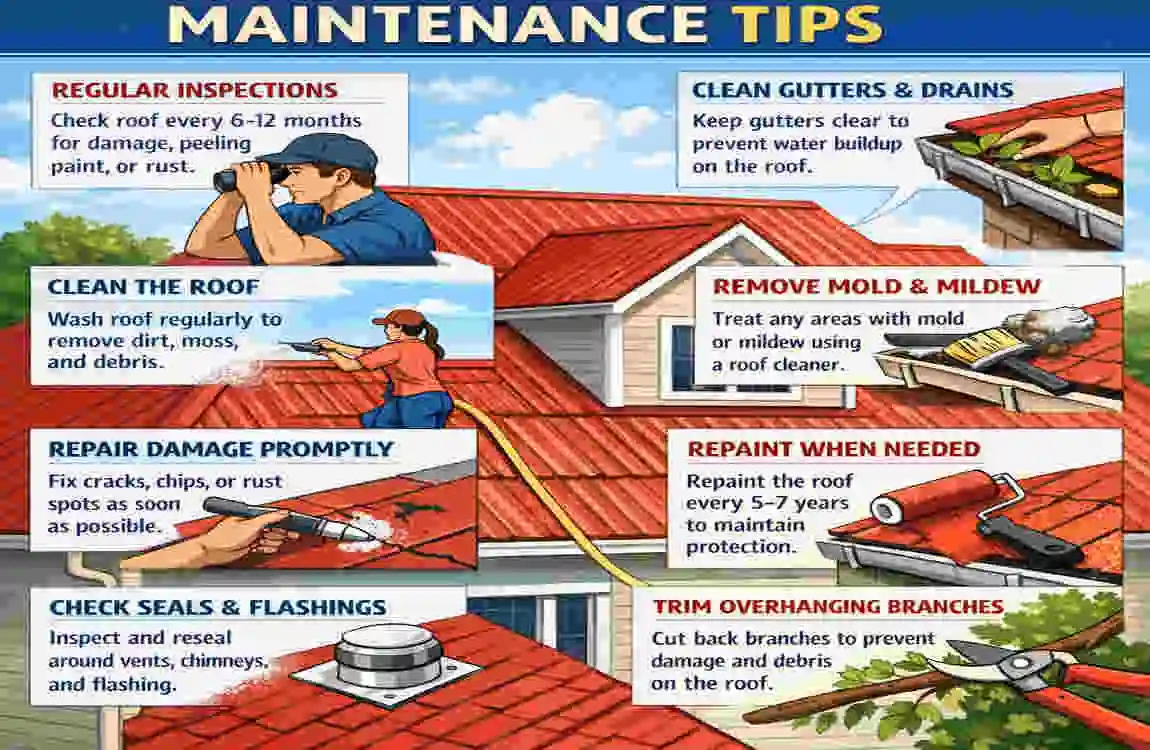
Once your roof is painted, a little care can help it last longer.
Annual Inspections
Check the roof at least once a year. Look for fading, peeling, cracks, or damage after storms.
Clean Gutters Regularly
Blocked gutters can cause water to back up and damage the roof edge. Keep them clear.
Remove Moss and Debris
Leaves, moss, and dirt can trap moisture. Clean them off before they become a bigger problem.
Check for Paint Damage
If you spot worn areas, handle them early. Small touch-ups are easier than full repainting.
Schedule Recoating When Needed
Do not wait until the roof looks very old. Recoating on time helps protect your earlier investment.
Frequently Asked Questions
Why would you paint your roof?
To improve appearance, increase durability, reduce heat absorption, and protect against weather damage.
Does roof painting stop leaks?
It may help seal small cracks, but it will not fix major structural issues.
Is painting a roof cheaper than replacing it?
Yes, roof painting is usually much less expensive than a full replacement.
How often should a roof be painted?
Usually every 8 to 15 years, depending on the roof material, climate, and paint quality.
Can I paint my roof myself?
Yes, but professionals often deliver safer, longer-lasting results.