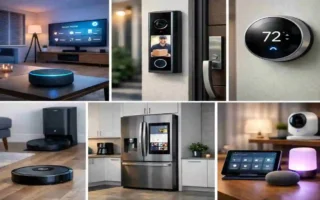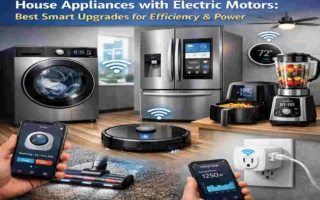
Imagine this scenario: It’s a chaotic Tuesday morning. You are rushing to get the kids ready for school, you have a meeting in thirty minutes, and the breakfast dishes are piling up. Ten years ago, this would have been the start of a very stressful day. But today? You speak a command. Your coffee is already brewed to your exact temperature preference, the dishwasher has silently started its sanitize cycle, and your refrigerator has already added milk to your digital grocery list because it noticed you were running low.
This isn’t science fiction anymore; it is the reality of living with state-of-the-art home appliances.
As we settle into 2026, the home appliance market is undergoing a massive transformation. We aren’t just talking about gadgets that beep or connect to Wi-Fi anymore. We are seeing a complete overhaul of how our homes function. By blending advanced Artificial Intelligence (AI), a renewed focus on health and hygiene, and critical eco-friendly designs, manufacturers are revolutionizing the way we live.
The Evolution of Home Appliances: A Journey Through Time
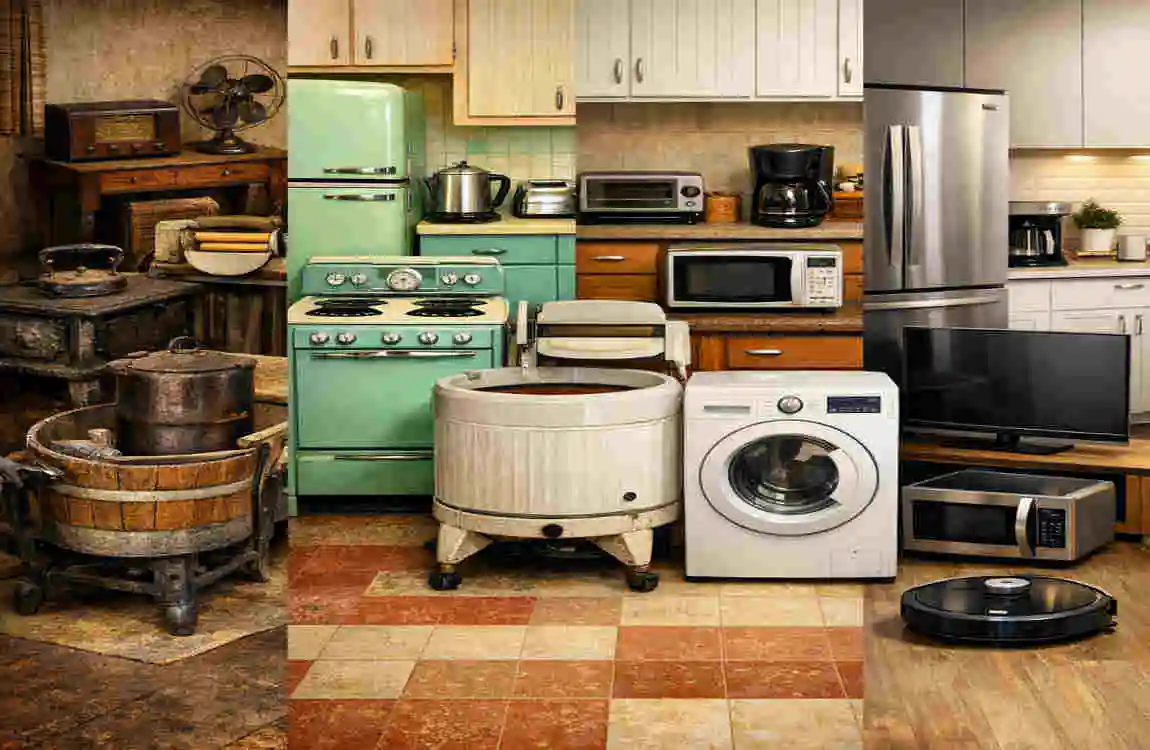
To truly appreciate where we are today, we have to look back at where we started. The history of home appliances is a fascinating roadmap of human convenience.
From Basics to Brilliance
Think back to the 1950s. The “modern” kitchen was defined by electric refrigerators that hummed loudly and stoves that were essentially hot boxes. They were marvels for their time because they replaced ice boxes and coal fires, but they were purely functional. They did one job, and they didn’t do it particularly efficiently.
Fast forward through the decades, and we saw the introduction of the microwave, the dishwasher, and eventually, the first wave of “smart” devices in the early 2010s. However, those early smart devices were often clunky. You needed a different app for each plug, and half the time they disconnected from the Wi-Fi.
Today, the landscape has shifted dramatically. Innovations showcased at recent CES (Consumer Electronics Show) events have ushered in the era of state-of-the-art home appliances driven by cognitive AI and robotics. We have moved from appliances that “do” to appliances that “think.” These machines learn your habits, anticipate your needs, and communicate with each other to create a seamless ecosystem.
Why Now? The Market Drivers
Why is this tech explosion happening right now? Several key factors are pushing the industry forward at breakneck speed.
- Post-Pandemic Hygiene Standards: The global events of the early 2020s changed how we view cleanliness. There is a massive demand for hygiene. In fact, demand for appliances with UV sanitization and steam cleaning capabilities has risen by nearly 40%. We want our clothes and dishes to be clinically clean, not just visually clean.
- Rising Energy Costs: With utility bills climbing, efficiency is no longer a luxury—it is a necessity. This economic pressure is driving a massive shift toward technologies such as induction cooking and heat-pump drying, which use significantly less power than traditional methods.
- The Matter Protocol: This is the tech hero you might not know about. “Matter” is a universal standard that enables smart devices from different brands (such as Apple, Google, and Amazon) to communicate with one another. This breakthrough has removed the headache of compatibility, making state-of-the-art home appliances accessible to everyone.
Experts predict the global smart appliance market will reach $50 billion by the end of 2026. This isn’t a fad; it is the new standard of living.
Top Trends Defining
When you shop for state-of-the-art home appliances this year, you will notice three distinct themes dominating the showroom floor.
Health & Hygiene Focus
Your home should be your sanctuary, and that means it needs to be a healthy environment. Manufacturers are taking this seriously. We are seeing a surge in antimicrobial surfaces on fridge handles and dishwasher controls to prevent the spread of germs.
Inside the machines, the tech is even more impressive. Dishwashers now come equipped with high-intensity steam sanitizers that eliminate 99.9% of bacteria without harsh chemicals. Even refrigerators are getting a health upgrade. Brands like GE Profile are introducing models with built-in air purification systems that scrub ethylene gas and bacteria from the air, keeping your produce fresh and safe for twice as long.
AI-Powered Personalization
This is where the “smart” aspect gets really exciting. AI kitchen gadgets and appliances are moving beyond simple remote control functions. They are becoming personalized assistants.
Take Samsung’s latest Bespoke series, for example. These state-of-the-art home appliances don’t just keep food cold; they track your inventory. If you put a chicken in the fridge, the AI recognizes it, tracks the expiration date, and suggests recipes based on what else you have in stock.
Ovens are equally intelligent. New models feature internal cameras and “doneness” sensors. You don’t set a timer; you tell the oven how you want your steak cooked (rare, medium, well-done), and the AI monitors the browning and internal temperature, turning the stove off the second it’s perfect.
Here is a quick look at how AI is changing the game:
ApplianceKey AI Feature: The Benefit to You
Refrigerator Inventory Tracking & Vision AI reduces food waste by up to 25% with alerts for expiring items.
Smart Oven Sensor Cooking & Cameras guarantee perfect results every time; no more burnt dinners.
Dishwasher Cycle Optimization analyzes soil levels to use only the water needed, saving 20% more water.
Sustainability & Efficiency
The modern homeowner cares about their carbon footprint, and state-of-the-art home appliances are rising to the challenge. The most significant shift is in the kitchen with the mass adoption of induction cooktops. Unlike gas or electric resistance, induction heating uses magnetic fields to heat the pan directly. It is 90% efficient, meaning almost no heat is wasted, and it keeps your kitchen cooler.
In the laundry room, ventless washer-dryers are the stars. Using heat-pump technology (similar to your air conditioner but reversed), these units recycle hot air rather than venting it outside. This cuts energy usage by nearly 30% compared to traditional dryers.
Must-Have Kitchen Appliances for the Modern Chef
The kitchen is the heart of the home and also the headquarters for state-of-the-art home appliances. If you are looking to upgrade, here are the heavy hitters you need to know about.
Smart Refrigerators: The Family Hub
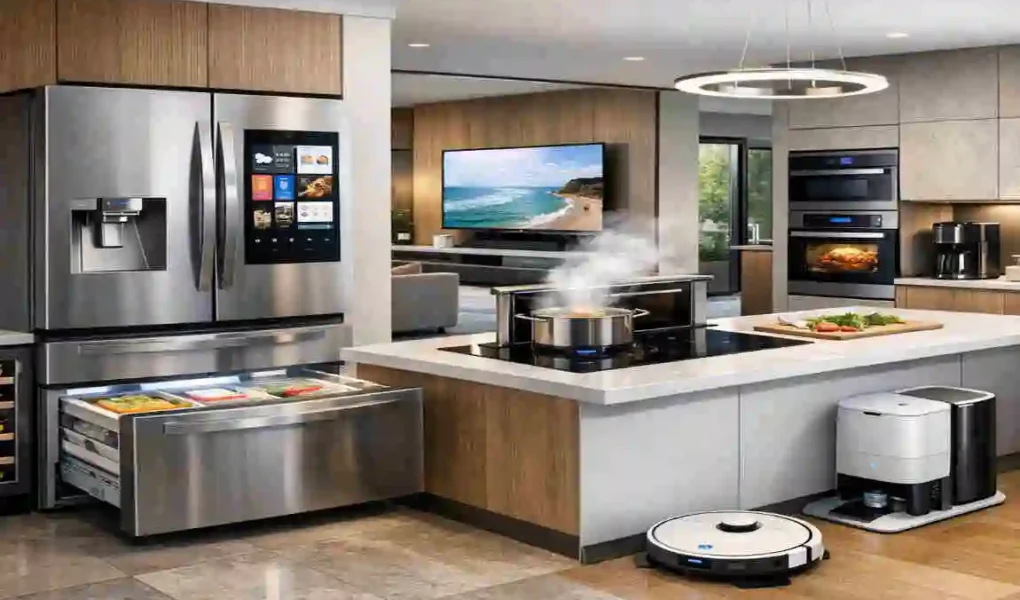
The refrigerator has evolved into the kitchen’s command center. The latest models from giants like Samsung and GE are incredible. We are talking about massive touchscreens embedded in the door that act as a family calendar, a digital whiteboard, and a smart home controller.
But the real magic is inside. With AI vision, these state-of-the-art home appliances can identify ingredients. Imagine being at the grocery store, wondering if you have eggs. You can open an app on your phone and view a live feed from inside your fridge.
Advanced Cooking Tech
Cooking has never been easier or more versatile. The trend for 2026 is the “do-it-all” oven. We are seeing combination steam-air fryer ovens becoming standard.
Why is this important? Steam cooking is one of the healthiest ways to prepare food, as it preserves nutrients and moisture. Air frying gives you that crispy texture without the unhealthy oil. Having both in one wall oven or range means you don’t need clutter on your countertop.
Dual-fuel ranges are also gaining popularity among home chefs. You get the precise control of an induction cooktop paired with the even baking of an electric convection oven. These state-of-the-art home appliances give you professional-grade tools right in your own kitchen.
Compact Innovators
It’s not just the big appliances getting an upgrade. Countertop gadgets are more innovative than ever. Robotic coffee makers can now mimic the pour-over technique of a world-champion barista, customizable through an app to the exact gram of coffee grounds.
We are even seeing self-stocking pantries—smart shelving units that detect when you move a box of cereal or a can of soup and automatically add it to your shopping list.
The Laundry & Cleaning Revolution
Let’s face it: nobody loves doing chores. This is where state-of-the-art home appliances truly shine, taking the drudgery out of housekeeping.
Washer-Dryer Combos
For decades, the worst part of laundry was remembering to move the wet clothes to the dryer before they started to smell like mildew. In 2026, that problem will be solved.
The new generation of all-in-one washer-dryer combos is transforming laundry days. Unlike the older combos that took five hours to dry a shirt, the latest models from brands like LG can wash and dry a full 10-lb load in under 90 minutes.
They use heat-pump technology, which is gentle on fabrics and helps prevent shrinkage. Plus, because they are ventless, you can install them anywhere—in a closet, under a kitchen counter, or in a bathroom—without needing external ductwork. It is a massive space-saver and a huge convenience.
Robotic Cleaners
Robotic vacuums have been around for a while, but the 2026 models are in a league of their own. We are no longer talking about dumb discs that bump into walls.
The latest state-of-the-art home cleaning appliances use LiDAR and AI mapping to navigate your home with precision. Some advanced models can even climb stairs or lift themselves over high thresholds. They feature “arms” or extendable brushes to get deep into corners.
Hygiene is a significant factor here, too. After vacuuming, these robots return to their base, empty their own dustbins, and refill their water tanks for mopping. They then run a self-cleaning hygiene cycle on their mops to kill 99.9% of germs, ensuring they aren’t just spreading bacteria around your floor.
Living Space Transformers
State-of-the-art home appliances are expanding beyond the kitchen and laundry room to improve the overall quality of your living space.
HVAC-Integrated Units
The air you breathe is vital. New portable air purifiers and humidifiers are now designed to integrate directly with your home’s HVAC system via smart hubs.
These devices monitor air quality in real-time. If your bright stove detects smoke from a cooking mishap, it can automatically signal your air purifier to kick into high gear. If the bedroom humidity drops too low, the humidifier engages automatically. It is about creating a “wellness ecosystem” for your home.
Multi-Room Ecosystems
The ultimate goal of state-of-the-art home appliances is integration. We are seeing the rise of the “Robotic Butler” concept. While we aren’t quite at the level of The Jetsons, we are close.
Imagine a voice hub that syncs your lighting, your blinds, and your appliances. You say, “Goodnight,” and the house locks the doors, arms the security system, turns down the thermostat, starts the dishwasher, and dims the lights. There are even prototypes of mobile robots that can fold laundry and transport it to different rooms. This level of synchronization makes your home feel like a living, breathing entity that takes care of you.
The Tangible Benefits of Modern Houses
Upgrading to state-of-the-art home appliances is an investment, but the returns are significant.
- Massive Time Savings: By automating grocery lists, cooking processes, and cleaning chores, the average family can save over 10 hours a week. That is 10 hours you can spend with your kids, pursuing a hobby, or just relaxing.
- Cost Reductions: While the upfront cost is higher, the efficiency pays off. Between smart fridges that reduce food waste and heat-pump dryers that slash energy use, households can see their utility and grocery bills drop by 15-30% annually.
- Health Gains: You cannot put a price on health. With better sanitization in dishwashers and laundry, plus air-purifying fridges and HVAC systems, you are significantly reducing the risk of illness and allergies in your home.
Challenges & Solutions
Of course, adopting new technology comes with hurdles. It is essential to address the elephant in the room: the cost.
State-of-the-art home appliances are Premium products. A bright kitchen suite can cost thousands of dollars.
- Solution: Look for financing options. Many retailers (including us!) offer flexible payment plans. Also, remember the ROI—these machines pay for themselves over time through energy savings.
Another challenge is “Tech Overwhelm.” Some people worry that these machines are too complicated to use.
- Solution: Start small. You don’t need to replace everything at once. Start with modular smart plugs to automate your lamps. When you are ready for a big purchase, look for appliances with “Simple Mode” interfaces. Most manufacturers are prioritizing user-friendly designs that are as easy to use as a smartphone.
Compatibility used to be a nightmare, but as we mentioned, the Matter protocol is solving this.
- Solution: When buying, look for the “Matter-enabled” logo. This ensures your new fridge will work with your existing smart speaker, regardless of brand.
Future Outlook: Beyond

If you think 2026 is exciting, wait until you see what is on the horizon for 2027 and beyond.
Industry insiders predict the arrival of full-home AI butlers—centralized systems that manage every aspect of luxury home maintenance without being asked. We are also looking toward zero-waste recyclers that sit in your kitchen, turning food scraps into compost and plastic waste into 3D printing material.
CES 2026 has already signaled a robot revolution, with humanoid helpers becoming more viable for domestic tasks. The definition of state-of-the-art home appliances will continue to evolve, shifting from “tools that help us” to “companions that support us.”
Here is a guide to creating a Short FAQ section. This format is best for landing pages, emails, or homepages where space is limited.
The Golden Rules of a FAQ
- Limit the questions: Stick to the top 3–5 most asked questions.
- Keep answers brief: Use 1–2 sentences max.
- Link out: If the answer is complex, provide a brief summary and link to a full Help Center article.
Template: General Business / E-Commerce
Q: How long does shipping take? A: Standard shipping takes 3–5 business days. Express shipping arrives in 1–2 days.
Q: What is your return policy? A: We accept returns within 30 days of purchase, provided the item is unused and in original packaging.
Q: How can I track my order? A: Once your order ships, we will email you a tracking number. You can also track it [here].
Q: Do you ship internationally? A: Yes, we currently ship to over 50 countries worldwide.
Template: SaaS / Software
Q: Is there a free trial? A: Yes, we offer a 14-day free trial with full access to all features. No credit card required.
Q: Can I cancel anytime? A: Absolutely. You can cancel your subscription from your dashboard at any time without penalty.
Q: Do you offer student discounts? A: Yes, students with a valid .edu email get 50% off. Contact support to apply.
Template: Event / RSVP
Q: What is the dress code? A: The dress code is semi-formal (cocktail attire).
Q: Is parking available? A: Yes, there is a free parking garage attached to the venue.
Q: Can I bring a plus-one? A: Please refer to your specific invitation envelope to see if a plus-one is included.