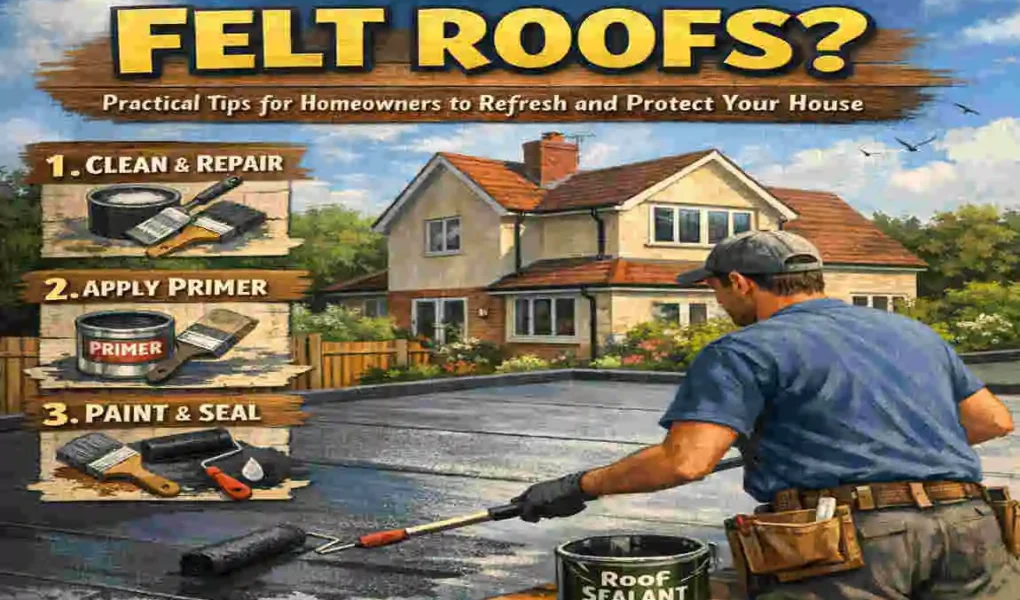
Have you ever looked up at your flat roof or shed and wondered if there was a way to make it look a little less… drab? We all want our homes to look their best, from the front door to the very top shingles. But when it comes to felt roofing, things can get a little confusing. It’s not like painting a wall or even painting a tiled roof.
You might be asking yourself, “Can You Paint Felt Roofs?” It is a valid question that many homeowners ask when they want to boost curb appeal, add a layer of weather protection, or perhaps even improve energy efficiency by reflecting some of that harsh summer sun.
Felt roofing, often found on flat roofs, sheds, and garages, is a specific type of material usually made from bitumen-saturated paper or synthetic variants. Because of its unique chemical makeup and flexible nature, you can’t just slap a tin of leftover emulsion on it and hope for the best.
Understanding Felt Roofs
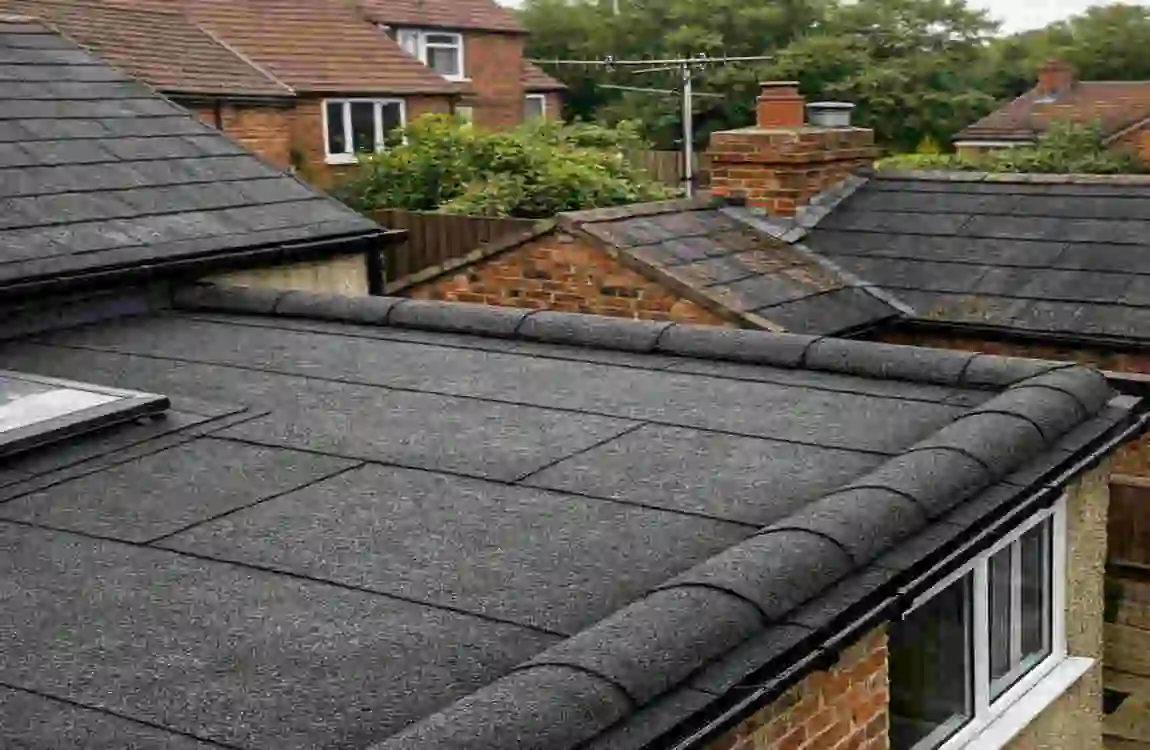
Before we grab a paintbrush, we need to understand exactly what we are dealing with. Felt roofing isn’t a “hard” material like slate or clay tiles. It is a membrane, and that changes everything about how we treat it.
What Exactly is Felt Roofing?
At its core, traditional roofing felt is a sheet material impregnated with bitumen (asphalt). It creates a waterproof barrier that is flexible enough to expand and contract with the weather. Today, you will generally encounter three main types:
- Asphalt-Saturated Felt: This is the “old school” style. It is organic paper saturated in asphalt. It is affordable but can become brittle over time.
- Mineral Felt: This is very common for the top layer of a roof. It has crushed minerals (such as slate granules) embedded in its surface to protect the bitumen from UV rays. It often has a green or grey gritty texture.
- Synthetic Felt: Modern underlayments made from polypropylene or polyester. These are incredibly strong and lightweight, though less commonly used as a final layer than mineral felt.
The Finishing Challenge
Most felt roofs come with a finish already applied—usually those mineral granules we mentioned. These stones aren’t just for decoration; they are the roof’s sunscreen. They stop ultraviolet light from melting or cracking the bitumen underneath.
When you think about painting this surface, you have to consider how the paint will interact with that gritty texture and the bitumen oils. If you use a paint that contains solvents, it might react with the bitumen, causing it to soften and “bleed” through, leaving you with a sticky mess rather than a sleek finish.
Refinishing vs. Painting: Is There a Difference?
This is a crucial distinction. When professionals talk about “painting” a felt roof, they usually mean coating or sealing.
- Painting: Often implies a purely cosmetic change using standard pigments.
- Coating/Sealing: Involves applying a thicker, specialized liquid rubber or bitumen-based solution designed to waterproof and protect the roof, which happens to be colored.
1.1 Lifespan and Weather Exposure
Felt roofs are tough, but they don’t last forever. A typical felt roof might last anywhere from 10 to 20 years, depending on the quality of the installation and the weather it endures. The sun is the enemy here. Over time, the sun dries out the felt’s oils.
If your roof is nearing the end of its life (say, 15+ years), painting it might be like putting a bandage on a broken leg. However, if the roof is structurally sound but looks a bit tired or has minor surface crazing, a coating can extend its life by several years.
1.2 Common Signs of Wear Requiring Attention
Before you decide to paint, go outside and look for these signs:
- Bald spots: Areas where the mineral stones have washed away.
- Crazing: Tiny, spiderweb-like cracks on the surface.
- Moss and Algae: Green growth that holds moisture against the felt (this needs to be killed before painting!).
- Blistering: Bubbles trapped under the felt.
Understanding these factors helps us answer the big question in the next section with more confidence.
Can You Paint Felt Roofs? Yes or No
So, let’s get straight to the point: Can You Paint Felt Roofs?
The short answer is: Yes.
However, there is a very big “but” attached to that yes. You can paint felt roofs, provided you use the correct specialist coatings and the roof is in a condition that allows for it. You cannot use standard exterior house paint, masonry paint, or wood paint.
When Painting is appropriate
Painting (or coating) is a fantastic idea if:
- You want to reflect heat: Using a “solar reflective paint” (usually silver or white) can significantly drop the temperature inside the building during summer.
- You want to extend lifespan: A fresh coat of bituminous sealant or liquid rubber can seal up those micro-cracks we mentioned earlier.
- The roof is structurally sound: If the wood deck underneath is solid and there are no major leaks, painting is a great maintenance step.
When You Should NOT Paint
There are times when we would strongly advise you to put the brush down:
- The roof is rotten: If the felt is ripping apart or the boards underneath feel spongy when you walk on them, paint won’t fix it. You need a new roof.
- It’s brand new: Fresh bitumen can take months to “cure.” Painting a brand-new felt roof can trap volatile compounds, which can lead to bubbling. Check the manufacturer’s warranty.
- The weather is wet: We cannot stress this enough—if the felt is damp, you cannot paint it. You will trap moisture inside, which will rot your roof from the inside out.
Alternatives to Painting
If you aren’t sure if Can You Paint Felt Roofs applies to your specific situation, consider these alternatives:
- Roof Washing: Sometimes, the roof needs a good clean with a fungicidal wash to look new again.
- Patching: If there is just one damaged area, use a patch repair kit rather than coating the whole roof.
- Over-boarding: In some cases, a new layer of felt can be torched right over the old one (consult a pro for this).
Realistic Expectations
If you decide to proceed, manage your expectations.
- Color: Felt paints usually come in limited colors—black, grey, silver, and sometimes green or red. You likely won’t find custom pastel shades.
- Texture: If you paint over mineral felt, it will still look textured. It won’t become smooth like a sheet of metal.
- Longevity: A good coating can last 3–5 years before needing a top-up. It is a maintenance commitment, not a one-time fix.
Preparation is Key
If you take one thing away from this article, let it be this: Preparation is 90% of the work. If you skip this stage, your expensive paint will peel off in sheets within six months.
Surface Assessment Checklist
Walk around your roof (safely!) and check the following:
- Debris: Are there leaves, twigs, or loose stones?
- Moss/Algae: Is there anything growing on the roof? This is a dealbreaker for paint adhesion.
- Moisture: Is the roof bone dry?
- Cracks: Are there large gaps that paint won’t fill?
Cleaning Steps: The Gentle Approach
You need to clean the roof, but the felt is delicate. Do not use a high-pressure power washer on a high setting. You will strip the protective minerals right off the bitumen.
- Sweep: Use a stiff broom to sweep away loose dirt, leaves, and loose mineral granules.
- Scrape: If there are clumps of moss, use a scraper to gently lift them off without gouging the felt.
- Wash: Use a specific fungicidal wash or a mix of water and mild detergent. Scrub gently with a stiff brush.
- Rinse: Rinse with a garden hose (low pressure) to remove all soap residue.
- Dry: This is the hard part. You must let the roof dry completely. This might take 2-3 days of warm, dry weather.
Repairs Before Painting
Paint is not glue. It won’t hold a broken roof together.
- Seal Laps: Check the seams where the felt sheets overlap. If they are lifting, use a tube of bituminous sealant to stick them back down.
- Fill Cracks: For cracks wider than a hairline, use a reinforcing scrim tape and a brush-on roof repair compound before doing the main painting.
Weather Considerations
Timing is everything.
- Temperature: Aim for a day between 10°C (50°F) and 25°C (77°F). Too cold, and the paint won’t cure. Too hot, and it dries too fast.
- Rain: Check the forecast. You need at least 24 hours of dry weather after you finish painting.
Safety Precautions
Working at height is dangerous.
- Ladder Safety: Ensure your ladder is on solid ground and extends 3 feet past the roofline.
- Edge Awareness: It is easy to get in the zone while painting and forget where the edge is. Never walk backwards.
- PPE: Wear old clothes (bitumen doesn’t wash out), gloves, and safety glasses.
Choosing the Right Paint and Coating
You’ve decided the answer to “Can You Paint Felt Roofs” is yes for your home. Now, what do you buy? Walking into a hardware store can be overwhelming.
Types of Coatings Suitable for Felt
- Solar Reflective Paint (Aluminum/Silver Paint):
- Best for: Reducing heat and protecting against UV rays.
- Composition: A solvent-based bituminous paint with aluminum particles.
- Pros: Greatly reduces attic temperature; very common for felt.
- Cons: Strong smell; needs stirring constantly to keep the aluminum suspended.
- Bituminous Roof Paint (Black):
- Best for: restoring the deep black look and waterproofing.
- Composition: Basically liquid asphalt.
- Pros: cheap, extremely compatible with felt, waterproof.
- Cons: Absorbs heat (makes the building hot), stays sticky for a while.
- Elastomeric / Acrylic Roof Coatings:
- Best for: Longevity and flexibility.
- Composition: Water-based synthetic rubber.
- Pros: Breathable (lets moisture escape from the building), flexible, often available in grey, green, or red.
- Cons: More expensive; requires a very clean surface to stick.
Key Properties to Look For
When reading the label, look for these words:
- “Compatible with Bituminous Surfaces”: This is mandatory.
- “Flexible” or “Elastomeric”: The paint must stretch when your roof expands in the sun. If it’s rigid, it will crack.
- “Breathable”: This prevents blistering by allowing trapped water vapor to escape.
Color Considerations
- Silver/White: Best for sunny climates. It reflects the sun, keeping the felt cooler and stopping the bitumen from drying out.
- Black/Dark Grey: Looks smart but absorbs heat. Only use this if you are in a cold climate or the roof is shaded.
- Green/Red: Often used to mimic the look of mineral felt.
Primers: Do You Need Them?
Usually, for bituminous paints on old felt, you do not need a primer. The solvent slightly melts the old surface, allowing it to fuse with the new surface. However, if you are using a modern acrylic/elastomeric system, the manufacturer might insist on a “blocker primer” to stop the yellow bitumen from staining the new paint. Always read the technical data sheet.
Step-by-Step Painting Process
You have the tools, the safety gear, and the right paint. Let’s do this.
The Final Setup. Lay down drop cloths on the ground below the roof edge. Roof paint drips, and once it hits your patio or driveway, it is there forever. Mix your paint thoroughly. If using solar-reflective paint, stir it every 10 minutes during application, as the silver particles sink to the bottom.
Cut in the Edges. Using a 3-inch or 4-inch brush, paint around the perimeter of the roof and around any vents, chimneys, or skylights. This is called “cutting in.” It lets you use a roller on the main area without worrying about mess near the edges.
The First Coat Pour some paint into a roller tray. Use a medium-pile roller (or a specialized roof brush).
- Start at the furthest point from your ladder.
- Apply the paint generously but evenly. Don’t spread it too thin.
- Work in sections.
- Pro Tip: Maintain a “wet edge.” Overlap your roller strokes slightly while the paint is still wet to avoid streak marks.
Inspection and Drying Once the first coat is down, get off the roof and let it dry. Check the can for “recoat time.” It is usually 24 hours. While it dries, inspect for any pinholes you missed.
The Second Coat Most roof coatings require two coats. Apply the second coat perpendicular to the first coat (at a 90-degree angle). This “cross-hatching” technique ensures that every nook and cranny of the textured felt is covered. Curing. Do not walk on the roof for at least 48 hours. Even if it feels dry to the touch, it may still be soft underneath.
Maintenance and Longevity
You’ve successfully answered “Can You Paint Felt Roofs” with a job well done. But the work isn’t quite over. A painted roof is a system that needs monitoring.
Regular Inspection Schedule
We recommend checking your roof twice a year: once in the Spring and once in the Autumn. You should also check it after any major storm.
- Look for peeling paint.
- Check that the coating hasn’t cracked.
- Ensure the drainage is still working and water isn’t pooling (ponding) on the paint. Standing water can cause some water-based coatings to emulsify (turn back into liquid) over time.
Cleaning Routines
Keep the roof clean. If leaves pile up on your painted roof, they will rot. This wet, rotting organic matter creates an acidic environment that can eat through your paint. Gently sweep the roof periodically.
Detecting Coating Failure
If you see the paint flaking off, it usually means one of two things:
- The surface wasn’t clean enough when you painted.
- Moisture was trapped underneath.
If this happens, scrape off the loose flaking area, clean it, dry it, and spot-prime/repaint that section immediately.
When to Recoat
A good solar reflective paint might need a top-up coat every 3 to 5 years. An elastomeric coating might last 10 years. Mark the date in your calendar or house maintenance log so you don’t forget.
Cost and Time Estimate
Budgeting is a huge part of any DIY project. Here is a rough breakdown of what you can expect.
Typical Costs
ItemEstimated Cost (DIY)Notes
Cleaning Supplies $20 – $40: Fungicidal wash, stiff broom, scrubbing brush.
Repairs $30 – $50 Bitumen sealant, reinforcing tape.
Roof Coating $50 – $150 Depends on brand (5-gallon bucket coverage varies).
Tools: $40-$60: roller, roller frame, extension pole, brushes, tray, gloves.
Total DIY Cost: $140- $300 for an average-sized garage or shed roof.
Timeframe
- Prep (Cleaning): 2–4 hours (plus 2 days drying time).
- Repairs: 1–2 hours.
- Painting (Coat 1): 1–2 hours.
- Drying: 24 hours.
- Painting (Coat 2): 1–2 hours.
Total Active Work: Approx 6–10 hours. Total Project Duration: 3–4 days (due to drying times).
Common Mistakes and Myths
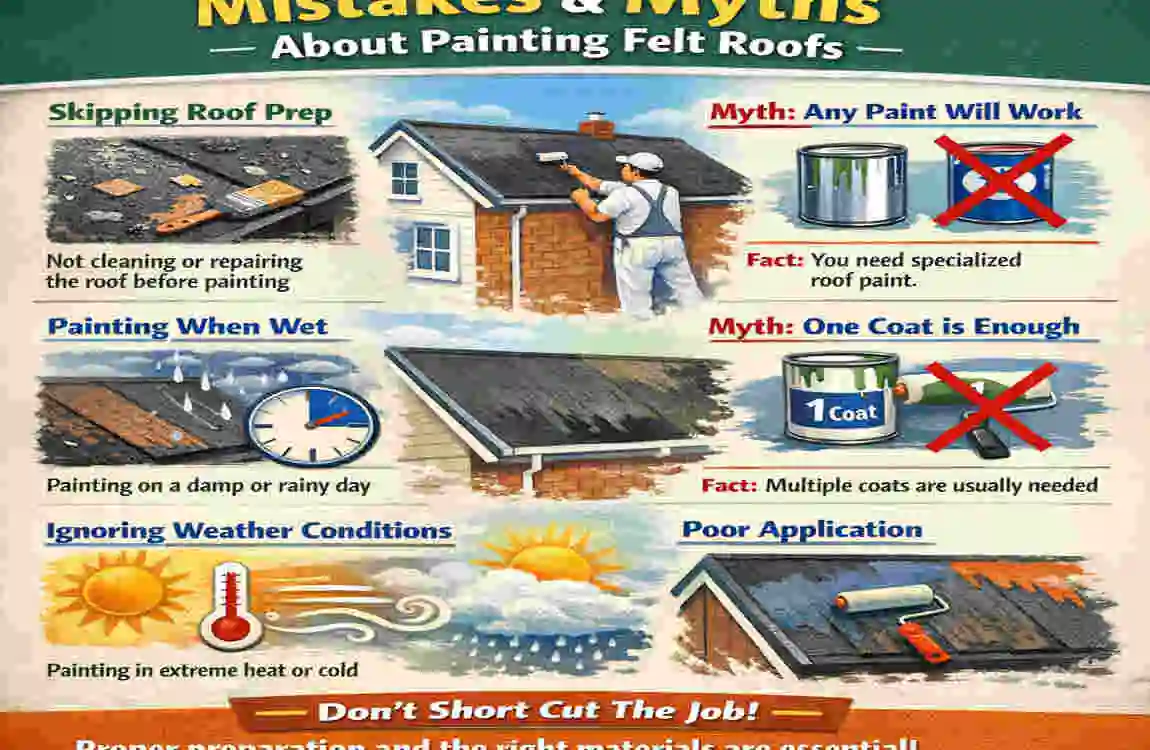
Let’s bust some myths and help you avoid the mistakes many homeowners regret.
Myth 1: “I can use leftover wall paint.” Reality: absolutely not. Masonry or exterior wood paint is designed for vertical surfaces. It cannot handle pooling water. It will peel in weeks.
Myth 2: “More paint is better.” Reality: applying one huge, thick coat is a bad idea. It will “skin over” on top but stay wet underneath, leading to wrinkles and blisters. Two thin coats are always better than one thick one.
Mistake: Painting a Hot Roof. If it is 30°C (86°F) and sunny, the black felt will be scorching hot. If you apply paint, it will flash-dry instantly, preventing it from bonding with the felt. Paint early in the morning or later in the evening.
Mistake: Ignoring Ventilation. If you seal the roof too tightly with a non-breathable coating, and your attic has no ventilation, moisture from inside your house (from showers, cooking) will rise and get trapped under the felt. This causes the roof deck to rot. Ensure your roof space is ventilated.
Section 9: FAQs
Here are the most common questions we get regarding the topic “Can You Paint Felt Roofs“.
Q: Can you paint over old solar reflective paint? A: Yes, but you must scrub it thoroughly. The aluminum powder can be chalky. You need to wash that chalkiness away to ensure the new coat sticks.
Q: Will painting my felt roof fix a leak? A: Generally, no. Paint is a preventative measure, not a repair method. You must fix the leak with patch repair kits or sealant before you paint.
Q: Does painting affect the warranty? A: It might. If you have a relatively new roof (under 10 years) installed by a pro, check your paperwork. Applying an unapproved coating could void your guarantee.
Q: Can I paint a felt roof in winter? A: It is risky. You need temperatures consistently above 5-10°C for the paint to cure. Also, getting the roof dry enough in winter is very difficult.