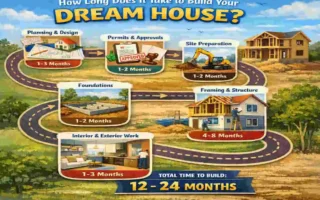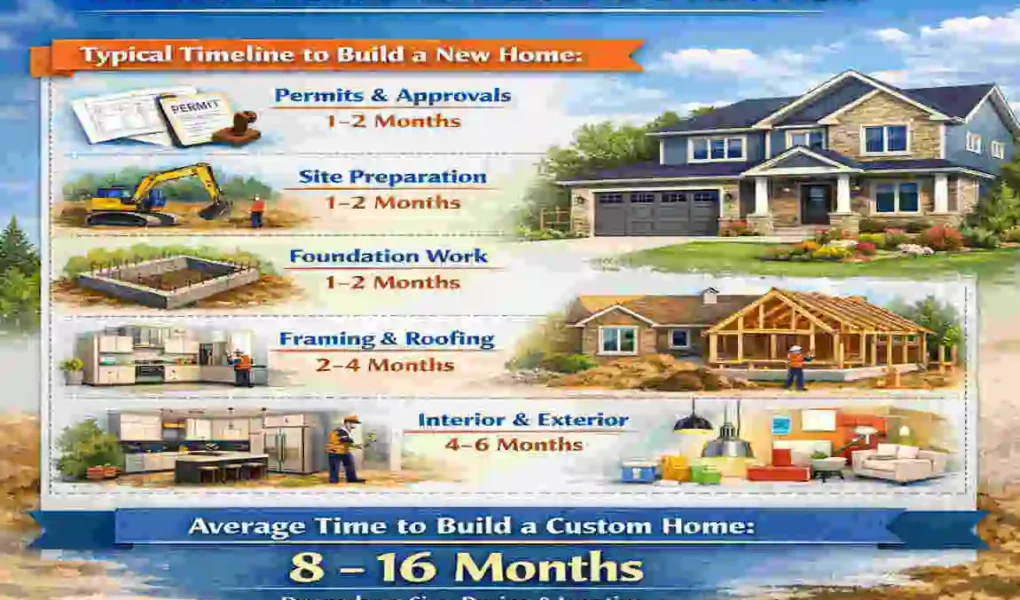
If you have ever asked yourself how long should it take to build a house, you are definitely not alone. It is one of the first questions most future homeowners ask when they start dreaming about a custom home. And honestly, it makes sense. Building a house is exciting, but it also comes with a lot of waiting, planning, and decision-making.
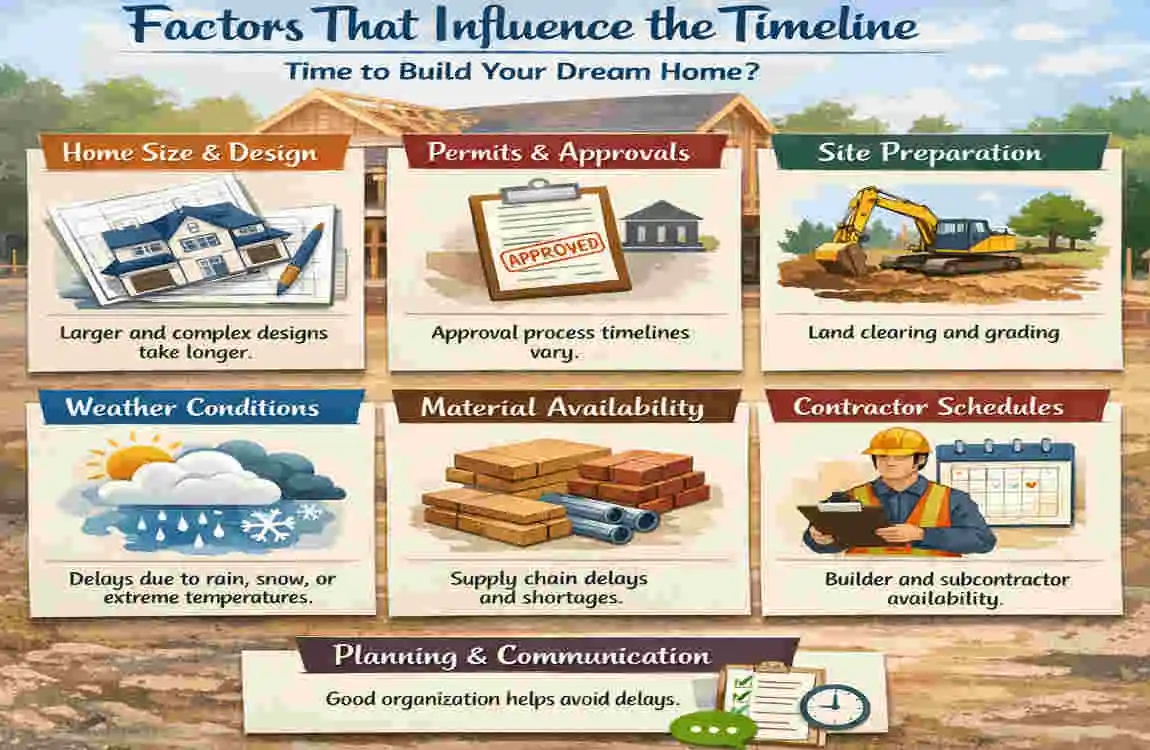
Some people imagine their dream home as something that moves fast once the first shovel hits the ground. In reality, the timeline is shaped by many moving parts. The design you choose, the size of the house, the weather, the permit process, material supply, and even the builder’s schedule can all affect how long the work takes.
Breaking Down the Home-Building Process
What Is the Average Time to Build a House?
When people ask how long should it take to build a house, the most honest answer is: it depends. Still, there is a general range that helps set expectations.
For many homes, the average time to build a house is 6 to 12 months once construction begins. But that does not include everything that happens before building starts. Planning, design work, financing, permits, and site preparation can add several more weeks or even months.
Here is a simple way to think about it:
- Pre-construction: 1 to 3 months
- Foundation and framing: 1 to 2 months
- Interior systems: 2 to 3 months
- Final finishes: 1 to 2 months
- Inspection and move-in: 1 to 2 weeks
That means the full process can stretch out for a year or more in some cases, especially for custom-built homes with many details. On the other hand, a smaller home with a straightforward plan may finish sooner.
The Main Milestones in the Home Construction Process
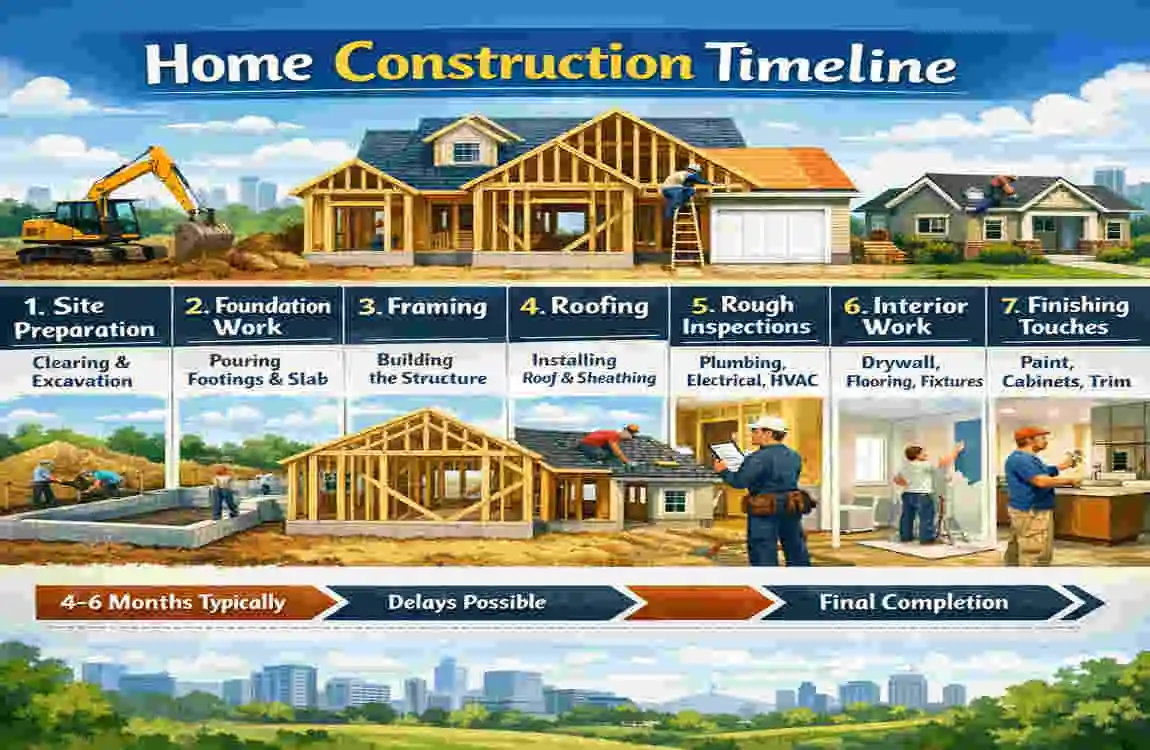
Every home build follows a similar path, even if the timeline changes from project to project. These are the major milestones you can expect:
- Planning and design
- Permits and approvals
- Site preparation
- Foundation work
- Framing and roofing
- Plumbing, electrical, and HVAC installation
- Drywall and interior finishes
- Painting, flooring, and cabinetry
- Inspections and final cleanup
- Move-in readiness
Each step depends on the one before it. That is why delays in one area can quickly affect the entire schedule. If the permit office moves slowly or the weather stops work for a week, the rest of the project may shift too.
Why the Timeline Feels Longer Than You Expect
Many homeowners feel surprised by how much time goes into building a house. That is because the visible work on-site is only part of the story. Behind the scenes, a lot is happening: drawings are reviewed, materials are ordered, inspections are scheduled, and crews are coordinated.
So when you ask how long should it take to build a house, the real answer is not just about the hammer-and-nails work. It is about the full process from idea to move-in.
What Can Make Building Your Dream Home Faster or Slower?
Type of Home: Custom, Pre-Designed, Modular, or Prefab
One of the biggest factors that affects the timeline is the type of home you choose.
A custom home usually takes longer because everything is designed around your needs. You are choosing the layout, finishes, room sizes, fixtures, and sometimes even the smallest details. That flexibility is wonderful, but it adds time to the planning and building stages.
A pre-designed home often moves faster because the plans already exist. The builder may have done similar homes before, which makes it easier to estimate costs and speed up approvals.
Modular homes and prefab homes can be even quicker in some cases. Parts of the home are manufactured in a factory and assembled on-site. That can reduce weather delays and make the process more efficient. The site work, permits, and final assembly take time. So even with prefab options, the custom vs prefab homes timeline is not always short enough to skip the waiting game entirely.
Location: Weather, Land, and Local Rules
Where you build matters just as much as what you build.
If your land is in an area with heavy rain, snow, or extreme heat, the weather can slow work. A wet site can make excavation harder. Freezing temperatures can delay foundation pouring. Strong winds can also pause roofing and framing.
Local rules matter too. Some areas have a faster permitting process, while others take much longer. Zoning laws, environmental checks, utility approvals, and inspection schedules can all add time. If the local building department is busy, even a simple permit may take longer than expected.
If you are building in a new area, it helps to ask your builder about the local process early. That way, you understand how much time may be needed before construction can truly begin.
Size and Complexity of the Design
The bigger and more detailed the home, the longer it usually takes.
A small home with a simple floor plan is much easier to build than a large house with custom windows, multiple rooflines, speciality materials, or a complex layout. Features like vaulted ceilings, curved staircases, built-in storage, and luxury finishes all require more planning and labour.
Even if the actual square footage is not huge, a home with many special details can still move slowly. Why? Because every added feature adds more steps for the builder to complete and more opportunities for delays.
If you want a smoother process, simpler designs often help. That does not mean your home has to feel plain. It just means the construction is easier to manage.
Material Availability and Labor Shortages
Another major issue is supply and labor.
Sometimes the builder is ready, but the material is not. Cabinets, flooring, windows, roofing materials, and fixtures may take longer to arrive than expected. This is especially true if the items are custom-made or in high demand.
Labor can also affect the schedule. A project may slow down if there are not enough skilled workers available for framing, plumbing, electrical work, or finishing tasks. When crews are spread too thin, jobs may be completed in stages instead of all at once.
This is one reason why planning helps. If your builder knows what materials are needed early, they can place orders sooner and reduce the risk of waiting on missing parts later.
Contractors and Project Management
A good builder is worth a lot when you are trying to stay on schedule.
Experienced contractors know how to manage crews, sequence the work properly, and solve problems before they become bigger delays. They understand how to coordinate inspections, deliveries, and subcontractors to keep the job moving.
A less organised team may still deliver quality work, but poor scheduling can stretch out the project. If crews are not properly lined up, the home may sit idle between phases.
That is why choosing the right builder matters so much. A strong project manager can often make the difference between a smooth build and a stressful one.
This is especially familiar to professionals such as Miami home builders, who regularly work within these local timelines and regulations.
Unexpected Delays That Can Catch You Off Guard
Even the best plans can run into surprises. Some of the most common delays include:
- Inspection delays
- Budget changes
- Design changes after construction starts
- Weather setbacks
- Delivery problems
- Hidden site issues, such as poor soil or drainage problems
These issues do not always happen, but they are common enough that every homeowner should expect some flexibility in the schedule.
If you are wondering how long should it take to build a house, remember that the answer changes when life gets in the way. A good builder will help you prepare for that by building a realistic timeline from the start.
Step-by-Step: How Long Should Each Phase Take?
Pre-Construction: 1 to 3 Months
The pre-construction stage is where your dream home begins to become a reality. This is the planning phase, one of the most important parts of the entire project.
During this stage, you are usually:
- Finalizing the design
- Choosing floor plans
- Setting a budget
- Securing financing
- Applying for permits
- Getting site surveys and soil checks
- Preparing the land for building
This stage may seem slow because you are not yet seeing walls go up. But in many ways, it is the most important part. Good planning here can prevent costly changes later.
If you rush this stage, you may regret it later. A design mistake or a permit issue can slow the entire project once construction begins. Taking time now can save time later.
Foundation and Framing: 1 to 2 Months
Once the site is ready, the crew can begin the foundation work. This is one of the most exciting stages because you finally see the first physical structure taking shape.
This phase usually includes:
- Excavation
- Pouring the foundation
- Letting concrete cure
- Building the floor structure
- Erecting the walls
- Framing the roof
- Installing the roof system
Weather plays a big role here. Rain can delay excavation, and cold weather can affect concrete work. If the foundation is not ready, framing cannot begin. And if framing is delayed, everything else shifts too.
Framing is often the stage where the house starts to feel real. You can walk through the rooms and picture your life there. It is also one of the fastest visible changes in the whole process.
Interior Systems: 2 to 3 Months
After the frame and roof are in place, the house begins to take shape. This stage is often called the “rough-in” phase because the important systems are installed behind the walls before the surfaces are finished.
This part of the timeline often includes:
- Plumbing lines
- Electrical wiring
- HVAC system installation
- Inspections for code compliance
- Insulation
- Drywall installation
This is a major stage because so many trades need to be carried out in the right order. A plumber may need to finish before the electrician, and inspections may need to happen before the walls close up.
If one crew falls behind, the other crews may have to wait. That is why this stage can move slowly if the project is poorly managed.
Final Finishes: 1 to 2 Months
Once the home is closed in and the major systems are working, the focus moves to the details that make the house feel like home.
This stage may include:
- Painting the walls
- Installing flooring
- Putting in cabinets and countertops
- Hanging doors and trim
- Adding fixtures and hardware
- Finishing bathrooms and kitchens
- Landscaping the yard
This is the part many homeowners look forward to most. It is where your personal style begins to show. The house stops looking like a construction site and begins to look like a finished home.
Still, even this stage can take longer than expected. Custom cabinets, special tile work, or imported fixtures may take time to arrive. If you are making design choices on the fly, the schedule can easily stretch.
Inspection and Move-In: 1 to 2 Weeks
The final stage is all about approval and preparation.
Before you move in, the dream home usually undergoes a final inspection to ensure it meets local building codes. The builder may also walk through the house with you to note any small fixes that need to be handled before move-in.
This stage may include:
- Final code inspections
- Punch-list repairs
- Deep cleaning
- Utility setup
- Final touch-ups
- Certificate of occupancy approval
Once those steps are complete, the house is ready for you to move in. For many homeowners, this is the most exciting moment of the entire journey.
A Quick Timeline Table for Easy Reference
PhaseTypical Time FrameWhat Happens
Pre-Construction 1–3 months Design, permits, financing, and site prep
Foundation and Framing 1–2 months Excavation, concrete, framing, and roof structure
Interior Systems 2–3 months Plumbing, electrical, HVAC, insulation, drywall
Final Finishes 1–2 months Paint, flooring, cabinets, fixtures, landscaping
Inspection and Move-In 1–2 weeks Final inspections, cleaning, and occupancy approval
These are average estimates, not fixed rules. The actual timeline can be shorter or longer depending on the home, the site, and the builder.
Why Averages Matter, But Your Project May Differ
It helps to know the average time to build a house, but your own build may not match it exactly. That is perfectly normal.
A simpler house on a clear lot with quick permit approvals may finish ahead of schedule. A larger custom home with special finishes and tricky weather may take longer. The key is not to judge the project by a single number. Instead, look at the whole picture.
When you understand each phase, it becomes much easier to ask the right questions and plan with confidence.
How to Build Your Dream Home Without Delays
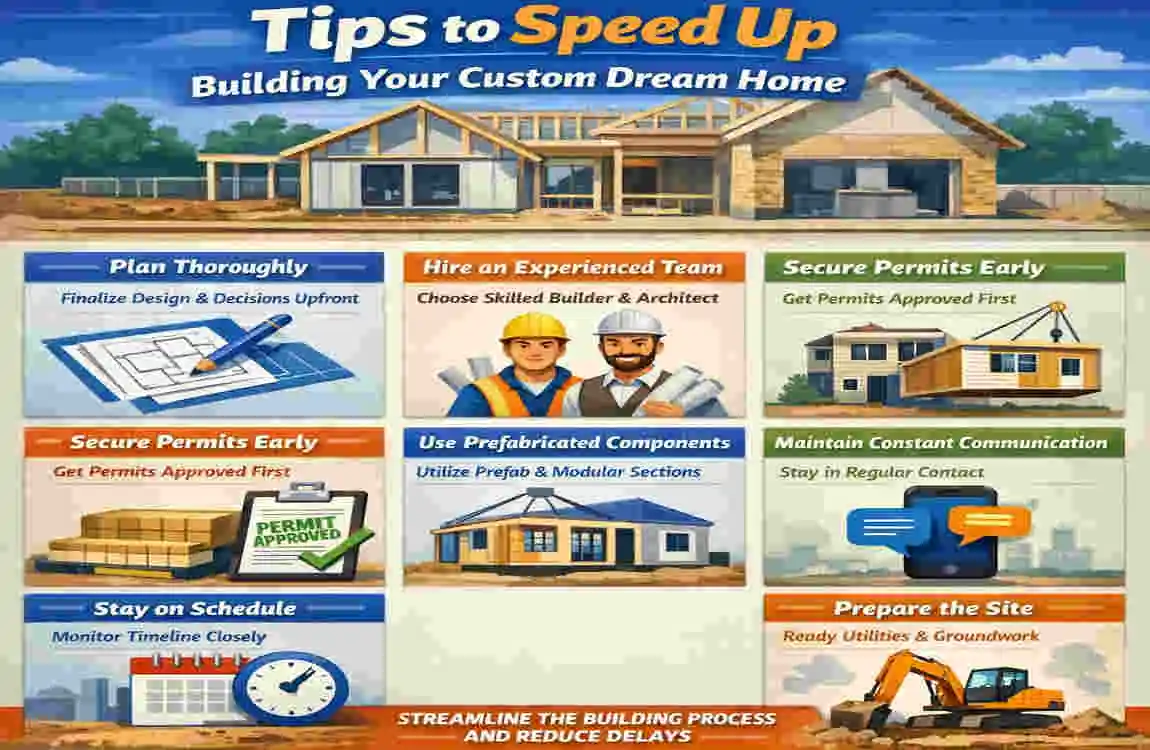
Choose the Right Builder From the Start
To avoid unnecessary delays, start with a builder who knows the area well. Local experience matters because a builder who understands the region already knows the permit process, the weather challenges, and the common problems that can slow a project.
A reliable builder will also keep the schedule organized and communicate clearly with you. That does not eliminate every delay, but it does reduce the risk of avoidable mistakes.
Finalize the Design Before Construction Begins
One of the easiest ways to slow a project is to keep changing the plan after work has started.
Every design change can affect materials, labor, permits, and timing. Even a small change may require new drawings or revised orders. If you want the build to move smoothly, spend plenty of time making decisions before the first major construction work begins.
This includes:
- Floor plan choices
- Cabinet styles
- Flooring type
- Lighting layout
- Exterior materials
- Bathroom and kitchen details
The more decisions you finish early, the less likely you are to face delays later.
Order Materials Early
Supply issues are one of the most common reasons for slowdowns. You can help prevent this by ordering important items in advance.
This is especially helpful for:
- Windows
- Cabinets
- Flooring
- Plumbing fixtures
- Tiles
- Appliances
- Specialty lighting
When these items are ready before the house reaches that stage, your builder can keep things moving. Otherwise, the crew may finish the work they can do and then wait for the missing pieces.
Stay in Touch With the Builder
Good communication helps keep the project on track.
You do not need to check in every hour, but you should stay informed. Ask for updates. Confirm important decisions. Make sure you understand what is coming next. If a problem appears early, it is much easier to solve than if it is discovered weeks later.
A simple conversation can often prevent a long delay.
Respect the Budget and Avoid Last-Minute Changes
Budget problems can slow construction almost as much as material shortages. If the costs start rising and decisions are delayed, the project may pause while the team waits for answers.
Try to set a realistic budget from the start and leave room for unexpected costs. A small contingency fund can make a big difference.
It is also smart to avoid major changes once the work is underway. A different countertop, a new window layout, or a larger room may seem simple, but it can significantly affect the schedule.
Remember: Speed Is Good, But Quality Matters More
It is tempting to want the house finished as quickly as possible. That is completely normal. Everyone wants to move in and enjoy the space they have been planning for months.
But rushing is not always the best choice. A home is a long-term investment, and poor work can lead to repairs later. A slightly slower build with good craftsmanship is often better than a fast build with problems hidden behind the walls.
So if you are asking how long should it take to build a house, think about the balance between speed and quality. The goal is not just to finish quickly. The goal is to finish well.
About Building a House Answered FAQ
How long should it take to build a house from start to finish?
In most cases, the full process takes about 6 to 12 months of construction time, but that can grow longer once planning, permits, and design work are included. For many homeowners, the complete journey from first idea to move-in may take around 9 to 18 months.
The answer depends on your home style, location, and decision-making speed.
Can you build a house in less than 6 months?
Yes, but it is uncommon in a standard custom home. A smaller house with a simple layout and a very efficient builder may be completed in less than 6 months, especially if the design is pre-approved or modular.
Still, this is usually the exception, not the rule. If someone promises a very fast timeline, it is smart to ask how they plan to handle permits, inspections, weather, and materials.
What are the most common causes of construction delays?
Some of the most common causes include:
- Weather problems
- Permit delays
- Material shortages
- Labor shortages
- Inspection setbacks
- Design changes during the build
- Budget issues
- Site problems such as poor soil or drainage
Most projects face at least one of these issues. The goal is not to avoid every delay completely. The goal is to plan well enough that small problems do not turn into major ones.
Is it faster to build a modular or prefab home?
Usually, yes. Modular and prefab homes often move faster than traditional custom builds because much of the work happens in a controlled factory setting. That can reduce weather delays and speed up the process.
Still, they are not instant. The land still needs to be prepared, permits still need to be approved, and the home still needs to be assembled and inspected. While the custom vs prefab homes timeline often favours prefab, the project still requires proper planning.
Why does my builder keep saying the schedule may change?
Because schedules in home building are always flexible to some degree. Even a well-planned job can shift when weather changes, materials arrive late, or inspections take longer than expected.
A good builder is usually being honest, not vague. A realistic schedule is better than a fake promise that sounds perfect but falls apart later.
| Construction Phase | Typical Duration | Key Activities |
|---|---|---|
| Pre-Construction | 1 – 3 months | Design, permits, site preparation |
| Foundation & Framing | 1 – 2 months | Excavation, foundation pouring, framing |
| Interior Systems | 2 – 3 months | Plumbing, electrical, HVAC installation |
| Final Finishes | 1 – 2 months | Painting, flooring, cabinetry, landscaping |
| Inspection & Move-In | 1 – 2 weeks | Final inspections, cleaning, occupancy |