A well-performing heating system is essential for maintaining comfort, controlling energy use, and supporting a reliable home environment throughout the year. Whether a property uses a boiler, radiators, or an air-source heat pump, efficiency depends on more than simply switching the system on when temperatures drop. Over time, dust, wear, and minor faults can affect performance, causing the system to work harder than necessary and increasing household costs.
For homeowners, keeping a heating system efficient requires a combination of regular attention, timely servicing, and smart day-to-day habits. Small steps, including monitoring system performance, checking controls, and responding quickly to early warning signs, can make a noticeable difference over time. A proactive approach not only improves energy efficiency but also helps avoid higher repair costs later.
Professional maintenance also plays an important role in keeping heating equipment in good condition. Working with trusted providers like ServiceMy can help ensure that key components are inspected properly, routine servicing is carried out on time, and minor issues are addressed before they become more serious problems.
Schedule Regular Servicing
One of the most effective ways to keep a heating system running efficiently is to have it serviced regularly. Heating equipment contains several components that must operate correctly for the system to perform well. If any component becomes worn, blocked, or poorly adjusted, overall efficiency can decline.
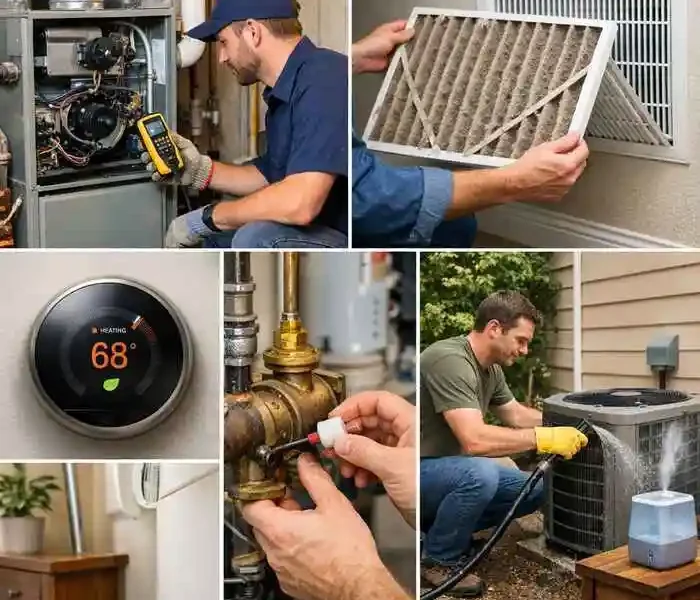
Routine servicing allows trained professionals to inspect the system, test performance, and identify faults at an early stage. This helps reduce unnecessary strain on the equipment and lowers the risk of sudden breakdowns. A well-maintained system generally performs more reliably and uses energy more effectively over time.
Keep Filters and Components Clean
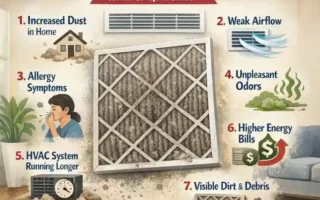
Dirt and debris can significantly affect heating performance. Filters, vents, and internal components may gradually collect dust or other particles, restricting airflow and reducing efficiency. When this happens, the system often has to work harder to produce the same level of heat.
Keeping filters clean and ensuring that visible vents are not blocked can make a noticeable difference. In addition, professional servicing can include internal cleaning and inspection of components that are not easily accessible to homeowners. Clean equipment supports smoother operation and helps maintain stable heating performance.
Check Controls and Thermostat Settings
Heating controls play an important role in system efficiency. If thermostat settings are inaccurate or the controls are not working properly, the system may run longer than necessary or deliver uneven heating across the property.
Homeowners should review thermostat settings regularly to ensure they match seasonal needs and household routines. A properly functioning thermostat helps maintain a comfortable temperature without wasting energy. If the system seems slow to respond or inconsistent in different rooms, it may be worth having the controls checked as part of a service visit.
Pay Attention to Early Warning Signs
Heating systems often show signs of reduced performance before a major problem develops. Unusual noises, longer heating times, uneven temperatures, or rising energy bills can all suggest that the system is not running as efficiently as it should.
Ignoring these signs may lead to bigger faults later. Addressing them early can help prevent more serious repairs and support better long-term performance. Even small changes in system behaviour are worth noting, particularly during periods of regular use.
Improve Overall Home Heat Retention
Heating efficiency is not only about the system itself. It also depends on how well the home retains warmth. Poor insulation, draughts, or heat loss through windows and doors can place unnecessary pressure on the heating system and make it harder to maintain a comfortable indoor temperature.
Simple improvements, including sealing gaps, improving insulation, and using heating controls effectively, can improve overall efficiency. When the home retains heat more effectively, the system does not need to work as hard, which can reduce both energy use and equipment wear.
Do Not Delay Minor Repairs
A heating system rarely goes from fully functional to failed without warning. In many cases, efficiency drops due to small issues left unresolved. Loose components, circulation problems, pressure changes, or blocked parts may not stop the system immediately, but they can affect performance and increase energy use over time.
Dealing with minor repairs promptly helps protect efficiency and reduces the likelihood of larger, more expensive problems later. A proactive approach is usually more cost-effective than waiting until a breakdown occurs.
Conclusion
Keeping a home heating system running efficiently requires regular care, timely servicing, and attention to performance changes. Clean components, accurate controls, early fault detection, and a well-insulated home all contribute to better heating efficiency and lower long-term costs. By taking a proactive approach and properly maintaining the system, homeowners can improve comfort, reduce waste, and support the long-term reliability of their heating equipment.
FAQs
- How often should a home heating system be serviced?
Most heating systems should be serviced once a year to help maintain efficiency, safety, and reliable performance. Regular servicing also helps identify minor issues before they become more expensive repairs. - What are the signs that a heating system is losing efficiency?
Common signs include uneven heating, unusual noises, rising energy bills, slower response times, and the system running for longer than usual. These can all indicate that maintenance or repairs may be needed. - Can regular maintenance really lower heating costs?
Yes. A properly maintained heating system usually runs more efficiently, which means it can use less energy to provide the same level of comfort. Over time, this can help reduce household heating costs and prevent avoidable repair expenses.