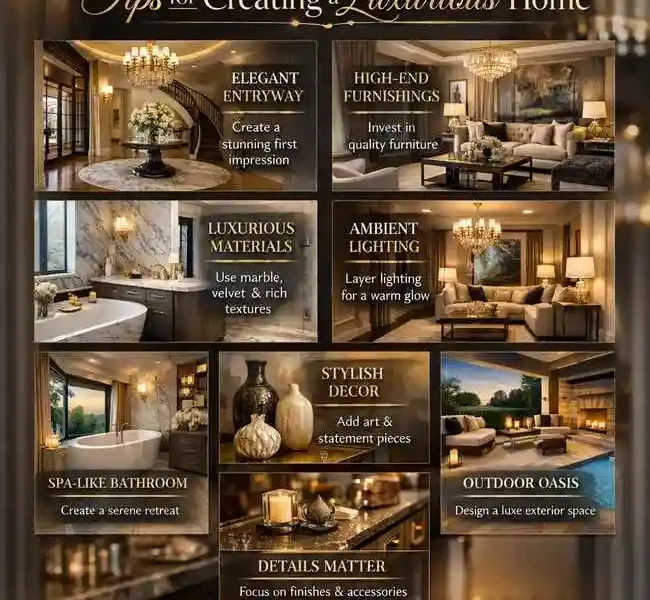
Creating a luxurious home doesn’t necessarily require an unlimited budget or a complete renovation. With thoughtful design choices, quality materials, and attention to detail, any space can be transformed into an elegant sanctuary that exudes sophistication and comfort. The key lies in understanding which elements truly elevate a home’s aesthetic and investing strategically in pieces that make the most impact.
Invest in Statement Lighting
Lighting serves as one of the most transformative elements in interior design, yet it’s often overlooked until the final stages of decoration. The right lighting fixtures can instantly elevate a room from ordinary to extraordinary. According to the American Lighting Association, homeowners who invest in quality lighting report a 73% increase in satisfaction with their overall home aesthetic.
Consider installing fixtures that serve dual purposes, combining functionality with visual appeal. For instance, a chandelier ceiling fan offers both elegant illumination and practical air circulation, making it an ideal choice for bedrooms, dining rooms, or living spaces where you want to maintain a luxurious ambiance without sacrificing comfort. These sophisticated pieces demonstrate that luxury doesn’t mean choosing between form and function.
Layer your lighting by incorporating ambient, task, and accent lighting throughout each room. Dimmers allow you to adjust the mood and intensity, creating versatility that adapts to different occasions and times of day. Wall sconces, floor lamps, and LED strips hidden beneath cabinets or behind mirrors add depth and dimension to your spaces.
Prioritize Quality Over Quantity
The foundation of luxury lies in quality craftsmanship and materials. Rather than filling your home with numerous inexpensive items, focus on acquiring fewer pieces of superior quality. This approach, often called “investment decorating,” yields better long-term results both aesthetically and financially.
High-quality furniture constructed from solid wood, genuine leather, or premium fabrics not only looks better but also withstands daily use far longer than mass-produced alternatives. Industry research indicates that well-made furniture can last 15 to 20 years or more, while cheaper options typically require replacement within three to five years. This longevity makes quality pieces more economical over time while maintaining their elegant appearance.
The same principle applies to textiles. Egyptian cotton sheets with a thread count of 400 or higher, heavyweight curtains with proper lining, and hand-knotted rugs create an immediate sense of luxury through their texture and durability. These materials feel noticeably different to the touch and elevate the sensory experience of your home.
Create Cohesive Color Palettes
Luxury homes typically feature sophisticated, well-planned color schemes rather than random collections of hues. Neutral palettes with layers of complementary tones create a sense of calm and refinement. Shades of white, cream, taupe, gray, and soft beige provide a timeless backdrop that allows furniture and artwork to shine.
This doesn’t mean eliminating color entirely. Strategic pops of jewel tones like emerald, sapphire, or ruby add richness and personality when incorporated through accent pillows, artwork, or decorative objects. The key is maintaining intentionality with every color choice, ensuring that each element contributes to a harmonious whole.
Professional designers often use the 60-30-10 rule: 60% of a room should be a dominant color, 30% a secondary color, and 10% an accent color. This formula creates visual balance and prevents spaces from feeling chaotic or overwhelming.
Pay Attention to Architectural Details
Architectural elements significantly impact a home’s luxurious feel. Crown molding, wainscoting, coffered ceilings, and decorative trim add character and sophistication to otherwise plain walls and ceilings. These details draw the eye upward and create visual interest throughout the space.
If your home lacks these features, they can often be added as upgrades. Modern alternatives like polyurethane moldings offer the look of traditional plaster or wood at a fraction of the cost and weight, making installation more accessible. Even simple additions like picture frame molding or chair rails can dramatically transform a room’s appearance.
Hardware matters too. Replacing standard doorknobs, cabinet pulls, and faucets with high-quality alternatives in finishes like brushed brass, polished nickel, or matte black creates instant sophistication. These small touches accumulate to make a significant impact on your home’s overall aesthetic.
Incorporate Natural Elements
Bringing natural materials into your home adds organic warmth and texture that artificial alternatives cannot replicate. Marble countertops, hardwood floors, stone accent walls, and natural fiber rugs ground spaces in timeless elegance.
Plants and greenery also play a crucial role in luxury design. Studies show that incorporating plants into living spaces can increase perceived value by up to 15%. Large statement plants like fiddle leaf figs or bird of paradise trees, along with smaller varieties arranged in elegant planters, purify air while adding life and sophistication to your rooms.
Natural light deserves equal consideration. Maximize windows with minimal treatments, use mirrors strategically to reflect light, and keep spaces uncluttered to allow brightness to flow freely. Natural light enhances every element within a room and creates the airy, open feeling characteristic of high-end homes.
Creating a luxurious home ultimately reflects personal taste combined with timeless design principles, resulting in spaces that feel both elevated and authentically yours.