
Many people assume being at home automatically means they are resting. In reality, a large number of individuals continue feeling mentally exhausted even during their supposed downtime because their routines never fully allow the brain to slow down and recover. Constant digital stimulation, multitasking, irregular sleep habits, and environments filled with distractions often prevent genuine relaxation from happening consistently.
Modern home life has become heavily connected to work, screens, notifications, and endless mental engagement. As a result, many people struggle to separate productivity from recovery even after the workday technically ends. Relaxation now often requires more intentional habits because overstimulation has become part of everyday routines for many households.
The most common recovery mistakes are usually not dramatic. More often, they involve smaller daily behaviors that gradually keep stress levels elevated without people fully realizing how much mental fatigue is building over time.
Constant Screen Exposure Prevents Mental Recovery
One of the biggest reasons people continue feeling mentally drained at home is nonstop digital stimulation. Many individuals move directly from work screens to social media, streaming platforms, gaming, or constant phone notifications without giving the brain any real break from information processing.
Even entertainment can become mentally exhausting when the nervous system never fully slows down. This is especially common late at night when people continue consuming highly stimulating content immediately before bed.
Many wellness experts now recommend creating small periods of reduced screen exposure during evening hours because uninterrupted digital engagement often makes emotional recovery significantly harder.
People Often Confuse Distraction With Relaxation
Another common mistake is relying entirely on distraction instead of actual relaxation. Constant background noise, multitasking, scrolling, or passive media consumption may feel temporarily comforting, but these habits do not always help the mind recover emotionally.
Real relaxation usually involves some level of mental quietness or slower pacing. Activities such as reading, stretching, walking, journaling, or creating calmer environments often help people decompress more effectively than endless digital stimulation.
This does not mean entertainment is harmful. The issue is often the lack of balance between stimulation and genuine recovery throughout the day.
Evening Routines Frequently Stay Too Stimulating
Many people unintentionally keep themselves mentally activated long into the evening. Bright lighting, late-night work habits, heavy multitasking, and constant device usage all signal the brain to remain alert instead of preparing for rest.
Small evening adjustments often make a surprisingly large difference over time. Softer lighting, quieter activities, reduced notifications, and more intentional nighttime routines frequently help the nervous system transition more naturally toward relaxation.
Some individuals also incorporate products such as shop Medterra CBD gummies into their evening wellness habits, which helps them feel more balanced and calmer after stressful days.
Cluttered Environments Increase Mental Fatigue
Many people underestimate how strongly home environments affect emotional energy. Visual clutter, unfinished tasks, excessive noise, and constant reminders of responsibilities can keep stress levels elevated subconsciously throughout the day.
Homes generally feel more restorative when spaces are organized, calmer, and easier to navigate mentally. This does not require perfection or minimalist design. Even smaller improvements in organization and visual simplicity can noticeably reduce mental overload.
Comfort-focused spaces often help people feel safer slowing down emotionally because the environment itself feels less chaotic and demanding.
Poor Sleep Habits Intensify Emotional Exhaustion
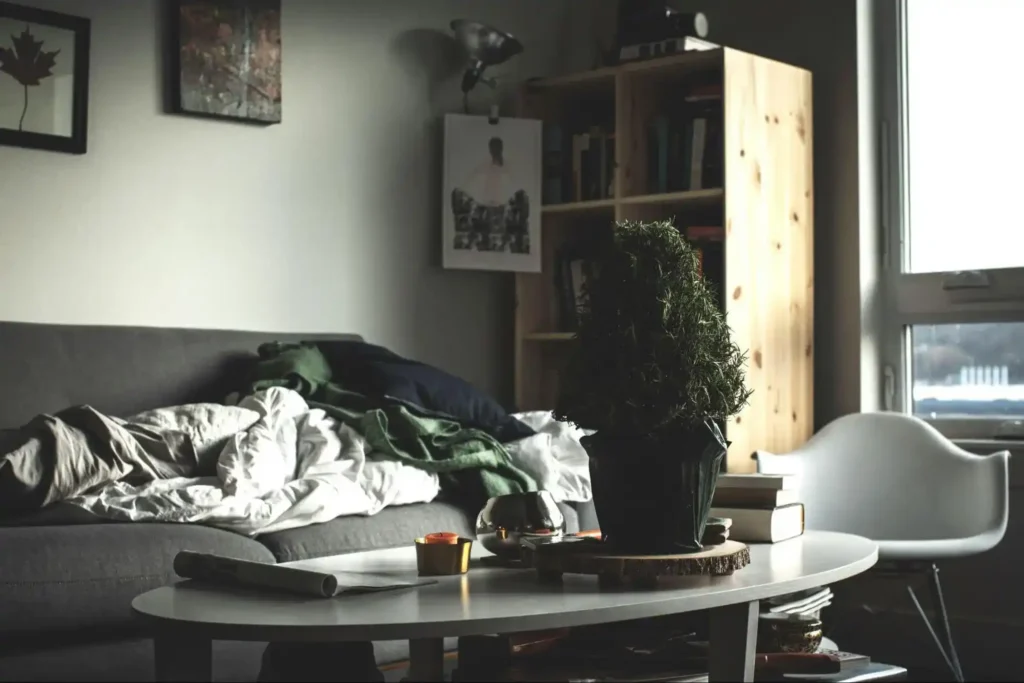
Photo by Jason Abdilla on Unsplash
Sleep quality remains one of the most important factors affecting mental recovery. Unfortunately, many relaxation habits directly interfere with restorative sleep without people fully realizing it.
Irregular sleep schedules, overstimulation before bed, inconsistent routines, and constant screen exposure often make recovery sleep less effective. Even people who technically spend enough hours in bed may still feel emotionally exhausted when sleep quality remains poor consistently.
This is why many wellness routines now focus heavily on creating smoother nighttime transitions rather than only addressing stress during daytime hours.
People Rarely Experience Genuine Quietness
Modern life leaves very little space for uninterrupted mental stillness. Between streaming content, music, notifications, conversations, work demands, and digital media, many individuals rarely spend time in truly quiet environments anymore.
Because of this, even short periods of silence or reduced stimulation often help people feel mentally lighter and more emotionally balanced. Quietness allows the nervous system to slow down in ways constant stimulation cannot fully support.
According to the American Psychological Association, chronic stress and ongoing overstimulation can significantly affect emotional well-being and recovery over time. Consistent daily recovery habits often play a major role in reducing accumulated mental fatigue.
Overpacked Schedules Leave No Room for Recovery
Many people unintentionally schedule every part of the day, including evenings and weekends, without leaving genuine downtime between obligations. Constant productivity and social engagement eventually make emotional recovery more difficult regardless of how enjoyable activities initially seem.
Relaxation generally works best when people allow periods of lower stimulation without feeling pressure to remain constantly productive or entertained. Slower pacing often becomes necessary before the brain fully shifts out of stress-focused patterns.
This is one reason many individuals are becoming more protective of personal downtime and quieter evening routines overall.
Sustainable Relaxation Usually Looks Simple
The routines that help people feel less mentally drained are often surprisingly simple. Softer lighting, reduced screen time, better sleep habits, quieter environments, slower evenings, and small moments of emotional stillness usually create stronger long-term effects than dramatic wellness trends.
People often search for complex solutions while overlooking the cumulative effect of smaller habits repeated consistently throughout everyday life. Genuine relaxation rarely comes from one single activity alone. More often, it develops gradually through routines that help the body and mind feel safe slowing down regularly.
As modern life continues becoming faster and more digitally connected, intentional recovery habits are becoming increasingly important for maintaining emotional balance and reducing chronic mental exhaustion at home.