Heating your home is not just about staying warm. It is also about how much energy you use, how high your bills go, and how comfortable your home feels every day. With energy costs rising, many homeowners are asking the same question: what is the most efficient heating system for a house today?
The answer is not always the same for every home. The best home heating system depends on your climate, home size, insulation, and budget. A system that works well in a mild climate may not be the best choice for a cold climate. In the same way, a large home may need a different solution than a small apartment.
| Heating System | Typical Efficiency | Cost per 1M BTU (USD) | Best For |
|---|---|---|---|
| Geothermal heat pump | 450–600% | $17.26 | Long-term savings, eco-friendly |
| Air-source heat pump | 275% | $28.24 | Moderate climates, cost-effective |
| High-efficiency gas furnace | 95% | $25.37 | Cold climates, existing gas lines |
| High-efficiency boiler | 90–95% | $25–$41 | Radiant heating, cold regions |
| Electric resistance | 100% | $77.67 | Small spaces, backup heating |
| Oil/propane furnace | 87–95% | $39–$41 | Areas without natural gas |
Finding the most efficient heating system can significantly lower energy bills and improve indoor comfort. That is why it helps to understand the main home heating options before making a choice. Some systems are built for lower operating costs. Others are better for comfort, longevity, or lower upfront installation costs.
What Makes a Heating System Efficient?
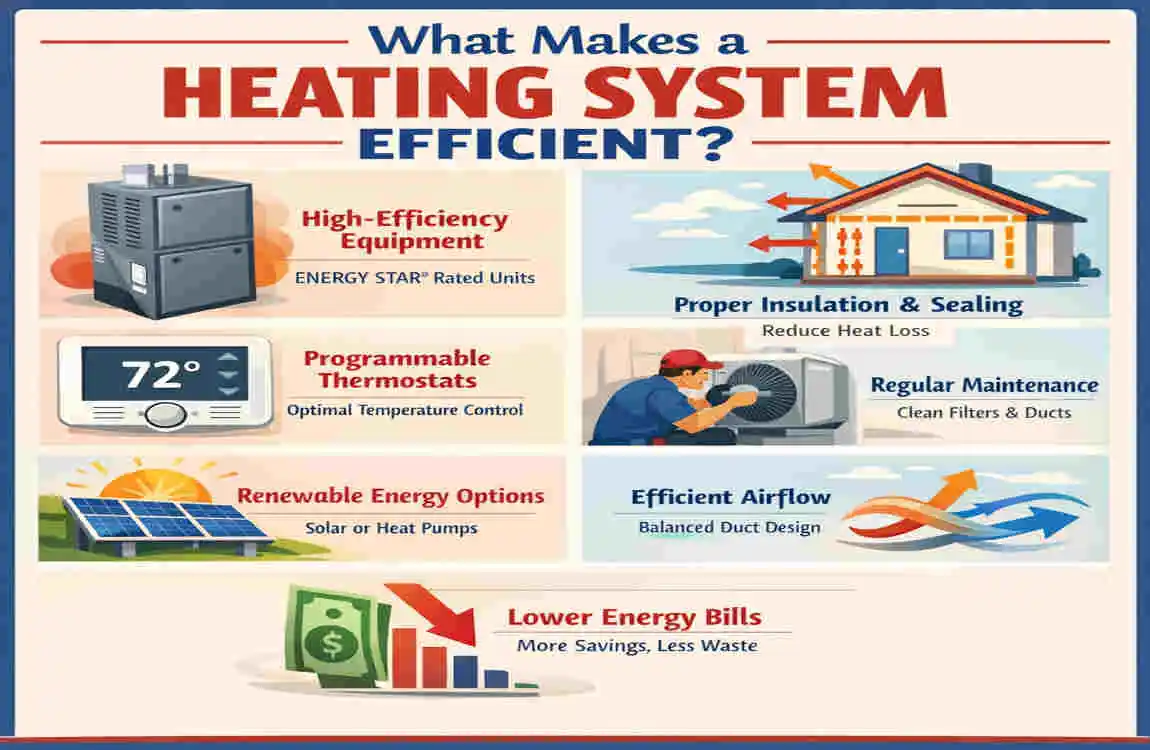
Understanding Heating Efficiency
Heating efficiency means how well a system turns energy into useful heat for your home. A more efficient system wastes less energy. That usually means lower monthly bills and better comfort.
In simple terms, if a system uses less fuel or electricity to warm the same space, it is more efficient. That is why people often look for the cheapest heating system to run, not just the cheapest one to buy.
Key Efficiency Ratings
Different systems use different ratings, and these numbers help you compare performance:
- AFUE stands for Annual Fuel Utilization Efficiency. It is used for furnaces and boilers. A higher AFUE means less fuel is wasted.
- SEER and HSPF are used for heat pumps. They show how well the system cools and heats across the season.
- ENERGY STAR certification means the system meets strong energy-saving standards.
These ratings make it easier to compare efficient home heating systems side by side.
Factors That Affect Efficiency
Even the most efficient heating system can perform poorly if other parts of the home are weak. A few major factors matter a lot:
- Insulation quality
- Thermostat settings
- Home size and layout
- Climate zone
- Ductwork condition
For example, a home with poor insulation may lose heat so fast that even a high-efficiency unit has to work harder than it should.
Types of Home Heating Systems Explained
Furnaces
Furnaces are one of the most common home heating options. They push warm air through ducts and vents. Most use gas, electricity, or oil.
Gas furnaces are common in many homes because they heat quickly and can be very effective in colder regions. A high efficiency furnace can reduce fuel waste and lower bills compared with older models.
Electric furnaces are usually easier to install, but they often cost more to run. They are not always the cheapest heating system to run.
Oil furnaces still exist in some areas, but they usually need more maintenance and can be more expensive over time.
Pros:
- Fast heating
- Good for cold weather
- Familiar and widely available
Cons:
- Can lose energy through ductwork
- Gas and oil prices can change
- Older units may be less efficient
Heat Pumps
Heat pumps are often seen as the most efficient heating system for many homes. They do not create heat the same way a furnace does. Instead, they move heat from one place to another.
Air-source heat pumps extract heat from outdoor air and transfer it indoors. Even in cool weather, modern models can work well.
Ductless mini-split systems are a type of heat pump that does not need ducts. They are great for smaller homes, additions, and rooms that need separate temperature control.
Dual-fuel heat pumps combine a heat pump with a furnace. The heat pump handles most heating needs, and the furnace helps when temperatures drop very low.
Pros:
- Very efficient
- Can heat and cool
- Good for many climates
- Often lower energy use than furnaces
Cons:
- Higher upfront cost than some basic systems
- Performance can drop in extreme cold if not designed well
Boilers and Radiator Heating
Boilers heat water and send it through pipes to radiators or baseboard units. This type of hydronic heating can feel very comfortable because it gives steady warmth.
Many homeowners like boiler heat because it feels even and gentle. It does not blow air around, which some people prefer for comfort and cleaner indoor air.
Pros:
- Quiet operation
- Comfortable heat
- Can last a long time
Cons:
- Slower to respond
- More complex repair work
- May cost more to install or replace
Radiant Floor Heating
Radiant floor heating warms a room from the ground up. Heat rises evenly from the floor, which creates a comfortable feeling.
There are two main types:
- Electric radiant floors
- Hydronic radiant systems
Radiant floors are often used in bathrooms, kitchens, or new construction. They can be a strong choice when comfort matters most.
Pros:
- Very comfortable
- Even heat distribution
- Works well in certain areas of the home
Cons:
- Installation can be costly
- Best used in new builds or major remodels
Geothermal Heating Systems
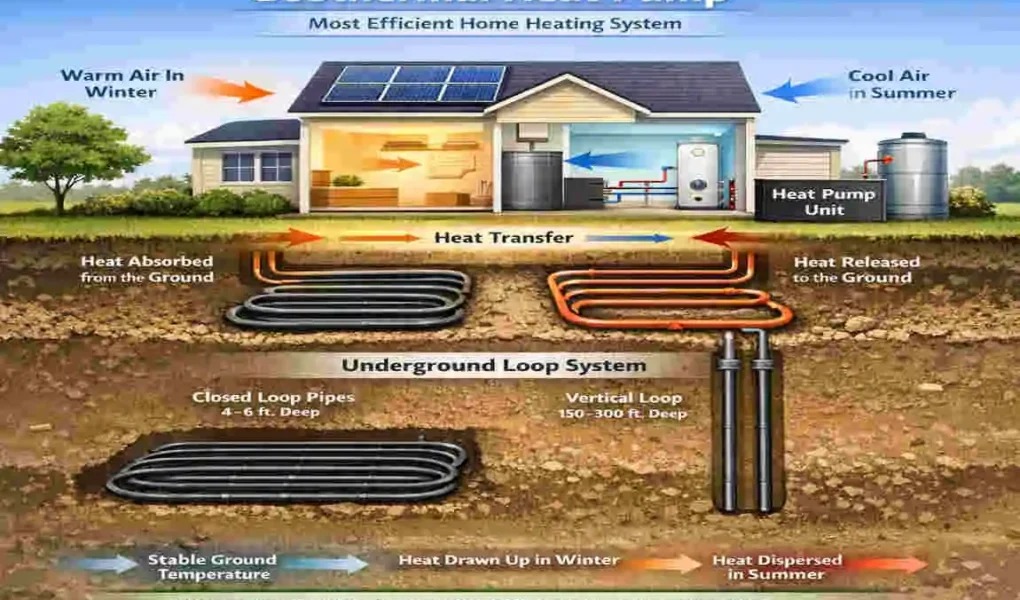
A geothermal heating system uses the stable underground temperature to move heat into and out of a home. This makes it one of the most efficient long-term choices.
These systems cost more to install, but they can offer excellent performance and low monthly bills. For some homeowners, geothermal is the best heating system for cold climates and large homes with long-term plans.
Pros:
- Very high efficiency
- Low operating cost
- Long lifespan
Cons:
- Very high upfront cost
- Needs enough land for installation
Electric Resistance Heating
Electric resistance systems turn electricity directly into heat. This includes baseboard heaters and some portable units.
These systems are easy to install, but they are not usually the most efficient heating system for whole-home use. They work better in small spaces or as backup heat.
Pros:
- Low installation cost
- Simple design
- Good for small areas
Cons:
- Higher running cost
- Less efficient for large homes
What Is the Most Efficient Heating System Overall?
Best Overall Choice
For many homes, heat pumps are considered the most efficient heating system today. That is because they move heat instead of making it from scratch. This usually uses less energy than furnaces or electric resistance systems.
If you want strong energy efficient home heating, a heat pump is often one of the smartest options. It can also provide both heating and cooling in a single system, adding value.
Most Efficient Heating System for Cold Climates
In very cold regions, the best heating system for cold climates is often a cold-climate heat pump or a dual-fuel system. These systems are designed to keep working even when temperatures drop.
A furnace can still be a solid choice in places with long, harsh winters, especially when paired with good insulation. Still, modern heat pumps are now much better in cold weather than they used to be.
Most Efficient Heating System for Warm Climates
In mild or warm regions, air-source heat pumps and ductless mini-splits are often the best choice. They are efficient, flexible, and can cool the home too.
If your winter is short and not too severe, a heat pump may offer the best balance of comfort and savings.
Most Efficient Heating System for Large Homes
Large homes often need more power and better zoning. For these homes, geothermal systems and high efficiency furnace models can work very well.
A geothermal setup may cost more upfront, but for a large home with long-term ownership plans, it can be a smart investment.
Most Efficient Heating System for Small Homes
Small homes usually do well with mini-split systems or radiant heating in selected rooms. These systems give you control without wasting energy on unused space.
If your home is compact, you may not need a large central system at all.
Comparing Heating Systems by Efficiency and Cost
Heating System Comparison Table
Heating System TypeEfficiency RatingInstallation CostMonthly Operating CostLifespanMaintenance Needs
Heat Pump High Medium to High Low 15–20 years Low to Medium
Geothermal System Very High Very High Very Low 20–25+ years Low
High-Efficiency Furnace High Medium Medium 15–20 years Medium
Boiler Medium to High Medium to High Medium 15–30 years Medium
Radiant Floor Heating High High Low to Medium 20+ years Low
Electric Baseboard Heating Low to Medium Low High 20+ years Low
Cheapest to Operate
The cheapest heating system to run is often geothermal, followed by heat pumps. These systems use energy more wisely, which helps reduce monthly bills over time.
Lowest Upfront Cost
If you want the lowest installation cost, electric furnaces and baseboard heating are usually cheaper to install. But lower upfront cost does not always mean lower lifetime cost.
Best Long-Term Investment
For many homeowners, geothermal systems and high-efficiency heat pumps offer the best long-term value. They often cost more at first, but they can save money for years.
Heat Pumps vs Furnaces: Which Is More Efficient?
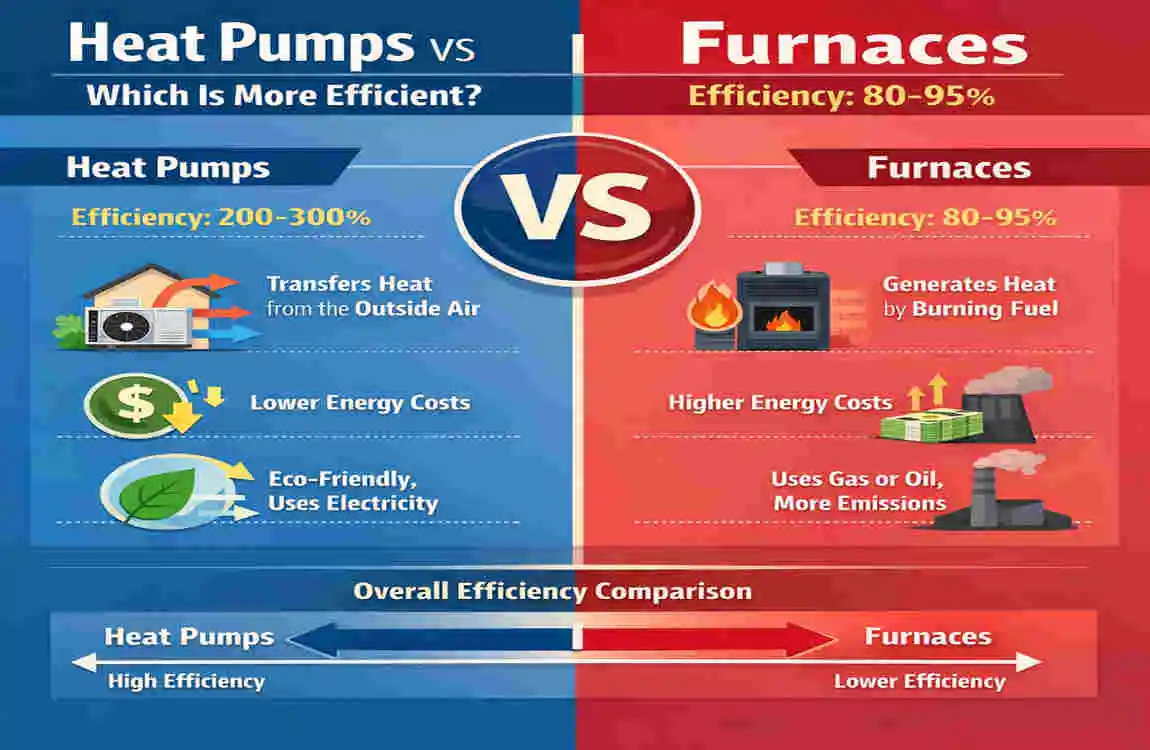
Energy Consumption Comparison
When comparing a heat pump to a furnace, the biggest difference is how they produce heat. A furnace burns fuel or uses electric resistance to create heat. A heat pump moves heat from outside air or the ground.
Because of this, heat pumps usually use less energy. That is why many people call them the most efficient heating system for modern homes.
Cost Savings
Heat pumps often help lower utility bills, especially in moderate climates. A furnace may still be better in some very cold areas, but it can use more fuel over the course of the season.
If your energy bills are high, switching to a heat pump may be one of the strongest steps you can take toward energy-efficient home heating.
Comfort and Performance
Heat pumps often provide steady, even warmth. They also run quietly and can improve indoor air quality because they do not burn fuel indoors.
Furnaces heat quickly, which some homeowners like. Still, they may create hotter and cooler spots depending on ductwork and home layout.
Which Homes Benefit Most?
Homes in mild-to-moderate climates often benefit most from heat pumps. Homes in very cold climates may do better with a dual-fuel system or a modern, high-efficiency furnace.
The right choice depends on where you live and how your home is built.
Best Heating Systems for Different Home Types
Older Homes
Older homes may have outdated ductwork, weaker insulation, or different room layouts. In these homes, boiler systems or ductless retrofits can be smart choices.
A ductless mini-split can avoid major ductwork changes, making it a practical upgrade.
New Construction Homes
New homes are a great fit for geothermal systems and radiant floor heating. Since the home is being built from the start, it is easier to install efficient equipment correctly.
This is often the best time to plan for the most efficient heating system because the design can support it.
Apartments and Small Spaces
In apartments or small homes, mini-split systems and other compact electric options can work well. These systems heat specific spaces without wasting energy.
Smart Homes
Smart homes benefit from smart thermostats and zoned heating systems. These tools help you control temperatures room by room and reduce waste.
If you like automation, this is a simple way to improve the performance of your best home heating system.
How to Improve Heating Efficiency Without Replacing Your System
Upgrade Insulation
Good insulation helps your current system work less hard. Focus on:
- Attics
- Walls
- Crawl spaces
When heat stays inside longer, your system uses less energy.
Seal Air Leaks
Air leaks around doors, windows, and ducts can waste a lot of heat. Sealing these gaps is one of the easiest ways to improve the efficiency of home heating systems without buying new equipment.
Install a Smart Thermostat
A smart thermostat helps you control heating schedules and avoid heating an empty home. This is a simple upgrade that can make a real difference.
Perform Regular Maintenance
Regular maintenance keeps your system running well:
- Replace filters
- Schedule annual inspections
- Clean ducts and vents
A well-maintained unit is usually more efficient and lasts longer.
Common Mistakes Homeowners Make When Choosing Heating Systems
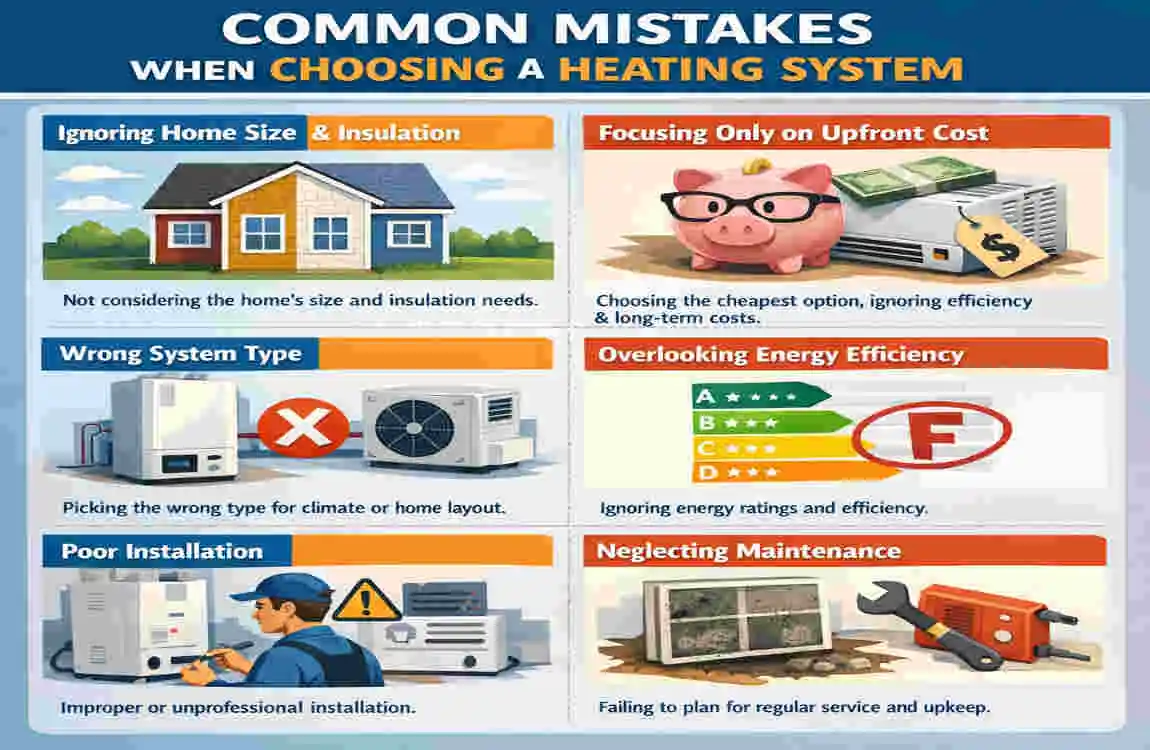
Choosing Based Only on Upfront Cost
The cheapest system to install is not always the cheapest over time. A low-cost unit may have higher fuel or repair costs later.
Ignoring Climate Conditions
A system that works well in one region may not perform as well in another. Always match the system to your local weather.
Oversizing or Undersizing Equipment
Bigger is not always better. A system that is too large or too small can waste energy and reduce comfort. Professional load calculations matter.
Forgetting Maintenance Costs
Every system has upkeep costs. When comparing options, consider repairs, parts replacement, and service needs over time.
Frequently Asked Questions About the Most Efficient Heating System
What is the most energy-efficient heating system for homes?
For many homes, a heat pump or geothermal heating system is the most energy-efficient choice because both move heat instead of creating it directly.
Are heat pumps better than gas furnaces?
In many climates, yes. Heat pumps are often more efficient than gas furnaces. But in very cold regions, a furnace or dual-fuel system may perform better depending on the home.
Is geothermal heating worth the cost?
It can be worth it if you plan to stay in the home for a long time. The upfront cost is high, but monthly operating costs are usually very low.
What heating system has the lowest monthly bills?
A geothermal system often has the lowest monthly bills. Heat pumps are also very affordable to run.
Which heating system lasts the longest?
Geothermal systems and boilers can last a very long time with proper care. Some can last 20 years or more, and geothermal loops may last much longer.
What is the cheapest heating system to install?
Electric baseboard heating and some electric furnace systems usually have the lowest installation cost. However, they may not be the cheapest heating system to run.
Do efficient heating systems increase home value?
Yes, they often do. Buyers like lower utility bills, better comfort, and modern equipment. A strong heating system can make a home more appealing.
Can I combine multiple heating systems?
Yes. Many homes use hybrid setups, such as a heat pump with a furnace backup, or radiant heat in some rooms and another system elsewhere. This can improve comfort and efficiency.